In this article
The bento box trend australia 2026 represents more than just another lunch container fad — it's solving real problems that Australian parents face every school day. From keeping food safe in 35°C heat to getting kids to actually eat balanced meals, compartment-style lunch boxes are transforming how we pack school lunches. The Australian bento box market has grown from $12.52 million in 2024 to a projected $20.32 million by 2033, driven by parents seeking practical solutions to nutrition and time challenges.
From brown bags to bento: how Australian school lunches evolved
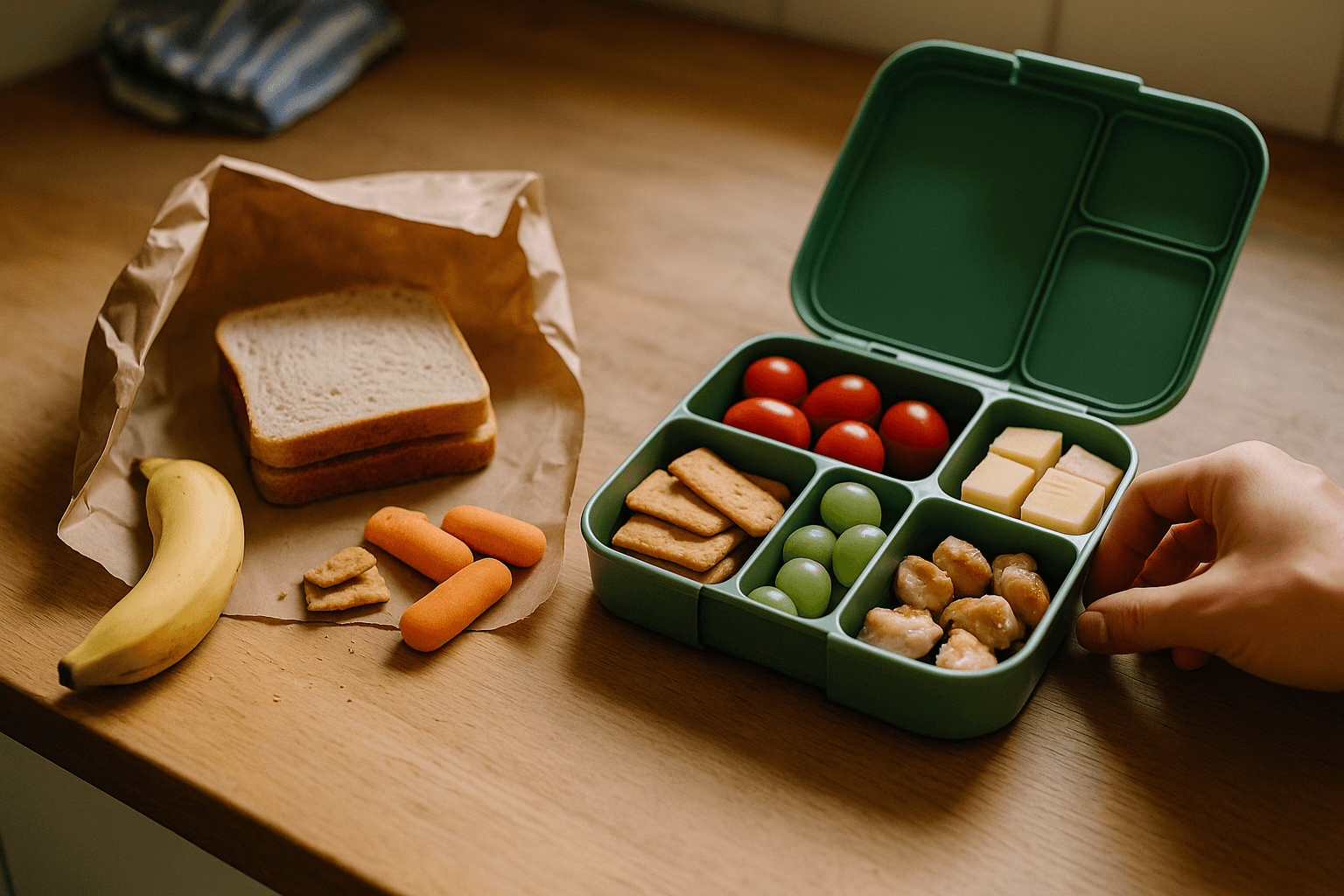
Australian school lunches have undergone a dramatic shift over the past decade. The traditional brown paper bag filled with a sandwich, apple and packet of chips dominated school playgrounds for generations. But this approach created multiple pain points for modern families.
According to recent research, 90% of Australian school children bring home-packed lunches, yet 44% of the food consumed during school hours is classified as unhealthy. The sandwich-centric model often meant kids would eat the "fun" snacks first and leave nutritious items untouched.
The shift toward compartmentalised lunch containers happened gradually. Parents dealing with picky eaters discovered that separating foods increased consumption. Time-poor families found that assembly-line packing was faster than making individual sandwiches. Most importantly, the visual appeal of varied compartments solved the "boring lunch" problem that led to wasted food and hungry kids.
44%
of school lunch food is unhealthy in traditional packing methods
PMC study 2024
compared to 28% in compartmentalised containers
This evolution wasn't just about containers — it represented a fundamental change in how Australian families approach lunch nutrition. Instead of building meals around a single sandwich, parents began thinking in terms of balanced compartments: protein, carbs, fruit, vegetables and a small treat.
Why compartments work: the psychology behind bento box success
Compartments tap into several psychological principles that make kids more likely to eat their lunch. Visual variety reduces decision fatigue — instead of unwrapping a sandwich and deciding whether to eat it, kids can graze through different compartments at their own pace.
The "novelty effect" plays a significant role. Even familiar foods feel different when presented in separate spaces. Cheese cubes that might be ignored in a sandwich become interesting when they have their own compartment alongside crackers.
Portion control becomes automatic with compartments. Parents can ensure balanced nutrition without measuring, while kids get clear visual cues about how much of each food group they're eating. This addresses the common concern about whether children are getting enough food — you can see exactly what they've consumed when the lunchbox comes home.
The Grazing Advantage
Kids naturally graze throughout their lunch break rather than eating everything at once. Compartments support this eating pattern better than wrapped items that need to be fully unwrapped and consumed.
Separated foods also reduce cross-contamination of flavours. Kids who refuse "wet" sandwiches will often eat the same ingredients when kept separate. This psychological barrier removal is particularly powerful for children with sensory sensitivities or strong food preferences.
Solving the Australian lunch challenge: heat, nutrition and time
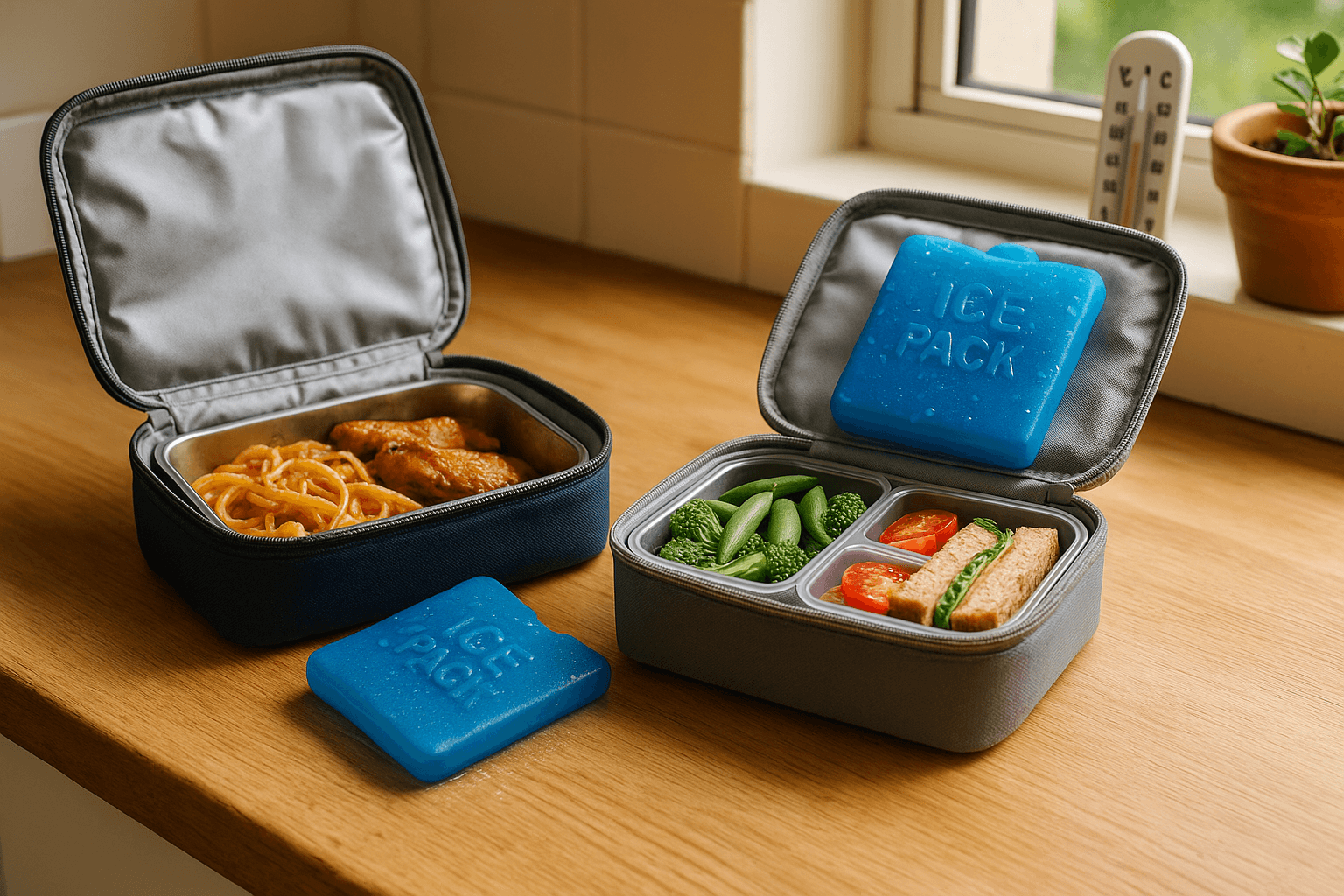
Australia's climate creates unique challenges for packed lunches that compartment boxes address effectively. The 4-hour food safety rule becomes easier to manage when foods are separated and properly contained.
Heat management improves with quality compartment boxes because each section can be optimised for different food types. Wet items like fruit don't make crackers soggy, while proteins stay fresher when separated from other ingredients. This is crucial during Australian summer when playground temperatures can exceed 40°C.
Time savings emerge through assembly-line packing. Instead of making individual sandwiches, parents can prep components in bulk and distribute across multiple compartments. Five lunches can be assembled in the time it traditionally took to make two sandwiches.
Traditional vs Compartment Lunch Packing
Brown Bag Method
$3.20/day
- ·Single sandwich focus
- ·Separate snack packaging
- ·Higher food waste
Familiar to kids
No container investment
Food gets soggy
Limited nutrition variety
Higher daily costs
Works for simple eaters but creates waste
Compartment System
$4.10/day
- ·5-6 food groups per meal
- ·Visual portion control
- ·Reduced cross-contamination
Better nutrition outcomes
Less food waste
Faster assembly
Initial container cost
Learning curve for packing
Solves multiple parent pain points effectively
Nutrition anxiety — the constant worry about whether kids are eating well — gets addressed through visible variety. When parents can see five different food groups in separate compartments, the "good enough" question becomes easier to answer.
Making the switch: transitioning from sandwiches to bento style
Transitioning resistant eaters requires a gradual approach. Start by deconstructing familiar foods — instead of a ham sandwich, pack ham, cheese, and bread in separate compartments with the same spreads they're used to.
Week one should focus on familiar foods in new formats. If your child loves Vegemite sandwiches, provide Vegemite, crackers, and cheese separately. This maintains comfort while introducing the compartment concept.
Portion sizing is crucial for acceptance. Australian families spend approximately $4.50 per child per day on lunchbox costs, according to Health Promotion International research. Compartment boxes need to deliver equivalent satiety to justify this investment.
4-Week Transition Strategy
Week 1: Deconstruct
Break down current favourites into components. Ham sandwich becomes ham + bread + cheese in separate sections.
Week 2: Add Variety
Introduce one new compartment with familiar backup foods. New fruit + favourite crackers.
Week 3: Balance Focus
Aim for 5 food groups across compartments. Add vegetables alongside established favourites.
Week 4: Full Rotation
Cycle through different combinations while maintaining the compartment structure.
Address the fullness concern by including protein and complex carbs in every lunch. Kids who previously relied on large sandwiches need equivalent energy from distributed sources. A combination of cheese, crackers, fruit, vegetables, and a small protein portion typically matches sandwich satiety levels.
The real cost of modern lunch packing: bento vs traditional methods
The financial reality of compartment lunch boxes requires honest analysis. Quality systems like the Yumbox Original or Bentgo Kids Lunch Box range from $35-65 initially, compared to daily brown bag costs of around $0.20.
However, the cost comparison shifts when you factor in food waste reduction. Traditional packing methods result in higher waste due to soggy sandwiches and mixed flavours. Compartment systems typically reduce food waste by 25-30% according to parent surveys.
Annual Cost Comparison
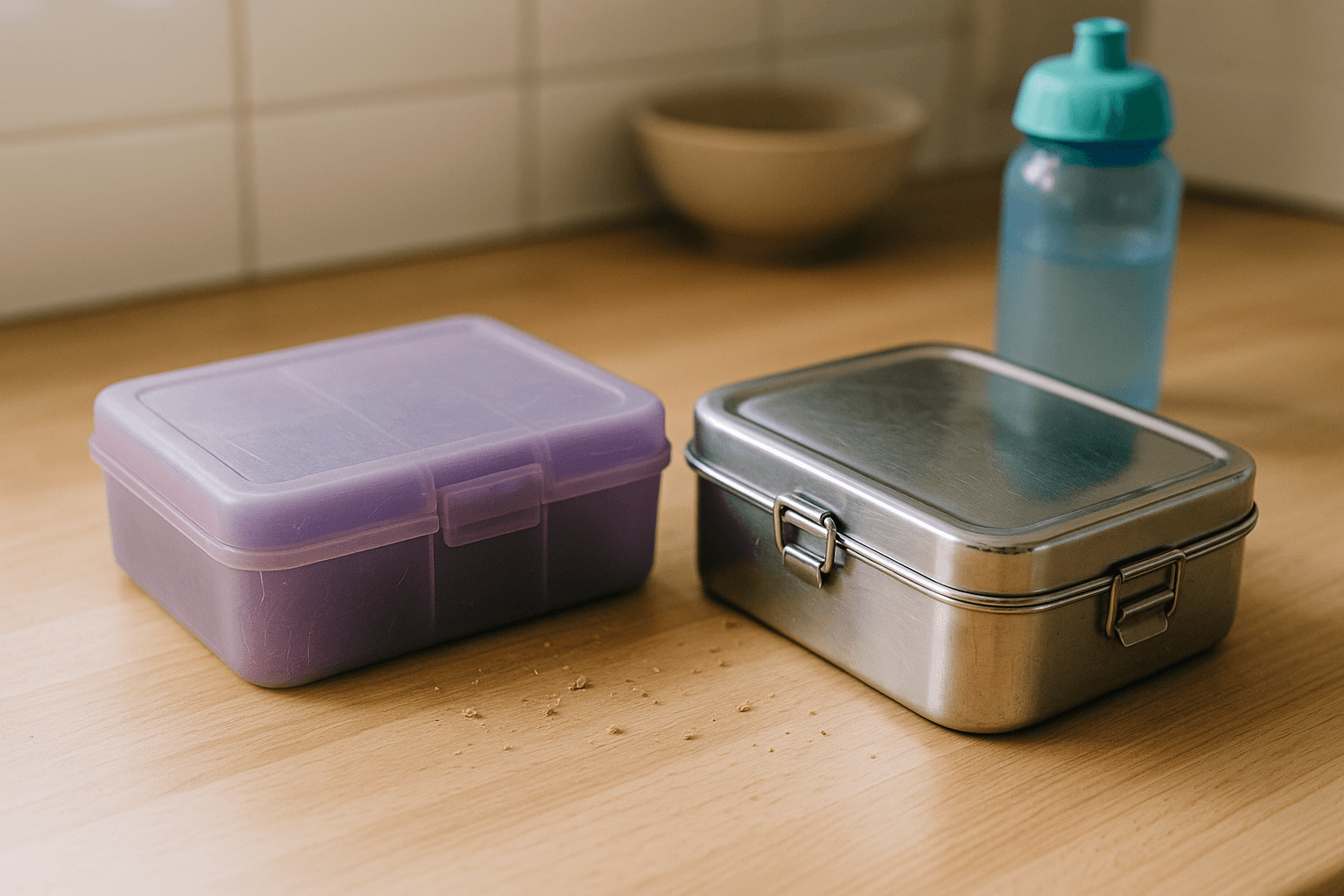
Durability matters significantly in the Australian school environment. Cheap compartment boxes often fail within a term, making them false economy. Quality options like the Sistema Bento range typically last 2-3 school years with normal use.
Time cost analysis favours compartment systems for families packing multiple lunches. The assembly-line efficiency gains become substantial when preparing lunches for 2+ children daily.
Practical bento box solutions for time-poor Australian families
Make-ahead strategies work best when planned around compartment strengths. Prepare proteins like mini frittatas or chicken balls on Sunday, portion into containers, and refrigerate. Vegetables can be pre-cut and stored in airtight containers for quick compartment filling.
Australian heat requires specific food choices for compartment packing. Hard cheeses, crackers, and firm fruits handle temperature better than soft options. Avoid mayonnaise-based items unless using insulated systems.
Assembly-line packing technique: Set up 5 compartment boxes, fill all protein compartments first, then all fruit compartments, then vegetables. This reduces decision fatigue and ensures consistency.
Container durability varies significantly across price points. The Sistema Bento boxes offer good value for families testing the compartment approach, while Yumbox systems provide premium durability for committed users.
For families experiencing food insecurity — affecting 16% of Australian families with dependent children according to University of Melbourne research — budget compartment solutions can still deliver nutrition benefits. Basic divided containers from discount retailers can provide the psychological advantages of separation without premium pricing.
Get Your Free Lunchbox Cheat Sheet
20 compartment-friendly lunch ideas that actually work in Australian heat
Is the bento box trend worth it? The honest verdict
The compartment lunch approach solves genuine problems rather than creating artificial needs. For families struggling with picky eaters, food waste, or nutrition anxiety, compartment systems deliver measurable improvements.
However, the approach isn't universal. Families with adventurous eaters who already consume varied lunches may not see dramatic benefits. Children who prefer mixed flavours (like loaded sandwiches) might resist the separated approach.
Common Parent Questions
The nutrition outcomes justify the investment for most Australian families. When 44% of traditional school lunch food is unhealthy, any system that increases vegetable and protein consumption while reducing processed snack reliance delivers value.
Durability and waste considerations favour quality compartment systems over disposable alternatives. The environmental impact of daily packaging waste makes reusable compartment boxes more sustainable long-term.
The bento box trend represents practical evolution rather than marketing hype. For time-poor Australian parents seeking better nutrition outcomes and reduced daily lunch stress, compartment systems solve real problems with measurable results.
How useful was this?
Get 20 Compartment-Friendly Lunch Ideas
Perfect for bento boxes and busy mornings. Print it, stick it on your fridge.
Written by Pat
Dad of two, Melbourne. Half Chinese, raised on incredible food. I make quick school lunches and test every piece of gear before recommending it. No bento art — just real food made with love.