In this article
Look, I get it. You see those Instagram-perfect bento boxes and think "my kids would never eat that" or "I don't have time for that Pinterest nonsense." But here's the thing – bento boxes can actually save you time and money when you strip away the fancy presentations and focus on what works.
After testing this system with my own kids for six months, I've cracked the code on 5-minute bento assembly that doesn't require artistic skills or hours of prep. Let me show you how.
Why Bento Boxes Work for Time-Poor Australian Families
The numbers don't lie – 90% of Australian school children bring home-packed lunches, but we're spending way too much time and money getting it wrong. A typical canteen lunch costs $8-12, while a well-planned bento comes in at $3.50.
But the real magic isn't in the savings. It's in the built-in portion control that stops you overpacking (and wasting food), plus the visual appeal that actually gets kids eating more variety. Those compartments prevent the soggy sandwich disaster and keep flavours separate – something my 8-year-old is particularly fussy about.
61%
of Australian parents need more healthy lunch ideas
Health Promotion Journal of Australia, 2024
You're not alone in struggling with lunch variety
The compartment system forces you to think: protein, carb, veg, fruit, treat. It's foolproof portioning without the guesswork. Plus, kids eat with their eyes first – when they can see everything clearly separated, they're more likely to try different foods instead of just eating the familiar bits and leaving the rest.
I've also noticed my kids waste less food overall. When everything has its own space, nothing gets forgotten at the bottom of the lunchbox or squashed beyond recognition. That alone has saved me about $20 a week in thrown-out lunches.
The 5-Minute Assembly System That Actually Works
Forget Sunday meal prep marathons. My system splits the work: Sunday is for prepping components, Monday morning is for 5-minute assembly. This isn't theory – I've timed it with a stopwatch while my kids were getting dressed.
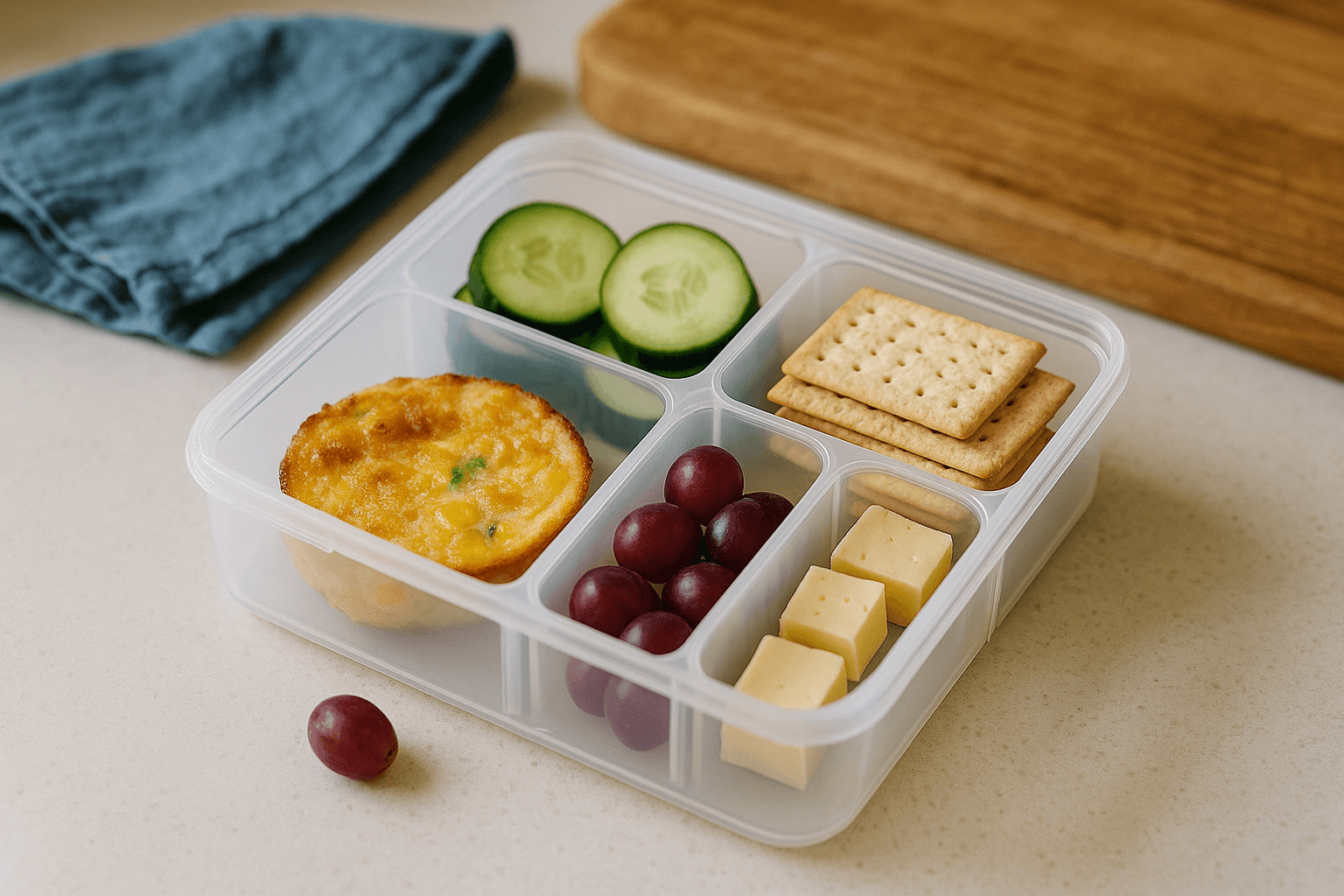
Here's the morning assembly line that actually works:
5-Minute Assembly Process
Grab pre-prepped protein
Hard-boiled eggs, cheese cubes, or mini frittatas from the fridge
Add travel-friendly carb
Crackers, rice balls, or mini muffins – nothing that goes soggy
Fill veg compartment
Pre-cut carrots, cucumber coins, or cherry tomatoes
Add no-prep fruit
Grapes, berries, or lemon-treated apple slices
Include small treat
Keeps kids happy and prevents lunch trading
I tested this system for real – complete bento box in 4 minutes 30 seconds, including finding the ice pack. The key is having everything prepped and knowing exactly where it lives in your fridge.
The secret weapon? A dedicated "bento shelf" in your fridge. Everything lives in the same spot, clearly labelled containers, grab-and-go ready. I use clear containers so I can see what's running low at a glance. When Thursday morning hits and you're running on three hours sleep, muscle memory takes over.
For a more detailed breakdown of efficient morning routines, check out my 5-minute assembly line system that covers the whole kitchen setup.
Essential Prep-Ahead Components for Perfect Portions
Sunday prep is where you win the week. Spend 45 minutes prepping components, not complete meals. The difference is crucial – components last longer and give you flexibility during the week.
Protein prep that travels well:
- Hard-boiled eggs (cook 6-8 at once, last 5 days in the fridge)
- Mini frittatas baked in muffin tins (freeze individually, defrost overnight)
- Cheese cubes (pre-cut in containers, stays fresh for a week)
- Leftover roast chicken, shredded (portion into small containers)
- Boiled eggs mashed with avocado (make fresh, lasts 2 days max)
Carb options that won't disappoint:
- Plain crackers (never go soggy, store in airtight containers)
- Rice balls with simple fillings (make 6-8, freeze half)
- Mini savoury muffins (double batch, freeze well for up to 3 months)
- Wholegrain wraps, cut into pinwheels (prep night before, not earlier)
- Homemade mini quiches (muffin tin method, freeze beautifully)
Dad Hack: The Muffin Tin Method
Bake mini frittatas in muffin tins on Sunday. They're perfectly portioned, freeze well, and kids love the individual serving size. Way better than cutting up a big frittata. Use a 12-cup muffin tin and you've got protein sorted for nearly two weeks.
Veggie prep that saves sanity:
- Carrots cut into sticks (last 4 days in water, change water daily)
- Cucumber coins in airtight containers (prep max 3 days ahead)
- Cherry tomatoes (wash once, store ready-to-go, check daily for soft ones)
- Capsicum strips (surprisingly popular with kids, last 5 days)
- Snow peas (no prep needed, naturally portioned)
- Baby corn (from a tin, rinse and store in containers)
Fruit that won't brown or bruise:
- Grapes (wash once, portion into small containers, last a week)
- Berries (check for mouldy ones first, store in breathable containers)
- Apple slices with lemon juice (prep max 2 days ahead)
- Mandarins (easy peel varieties, whole fruit travels better)
- Kiwi fruit slices (surprisingly robust, kids love the colour)
The Sistema To Go Dressing Pot 4-Pack is brilliant for wet items like berries or anything that might leak. Small investment, big payoff in preventing soggy lunches. I use them for cherry tomatoes too – stops them from rolling around and bruising everything else.
Smart Storage Solutions for Maximum Efficiency
Getting your prep storage right makes the difference between a system that works and one that falls apart by Wednesday. I learned this the hard way after losing three batches of cut vegetables to poor storage choices.
Container hierarchy that actually works:
- Glass containers for anything acidic (tomatoes, berries)
- Plastic containers with tight lids for dry goods (crackers, cheese)
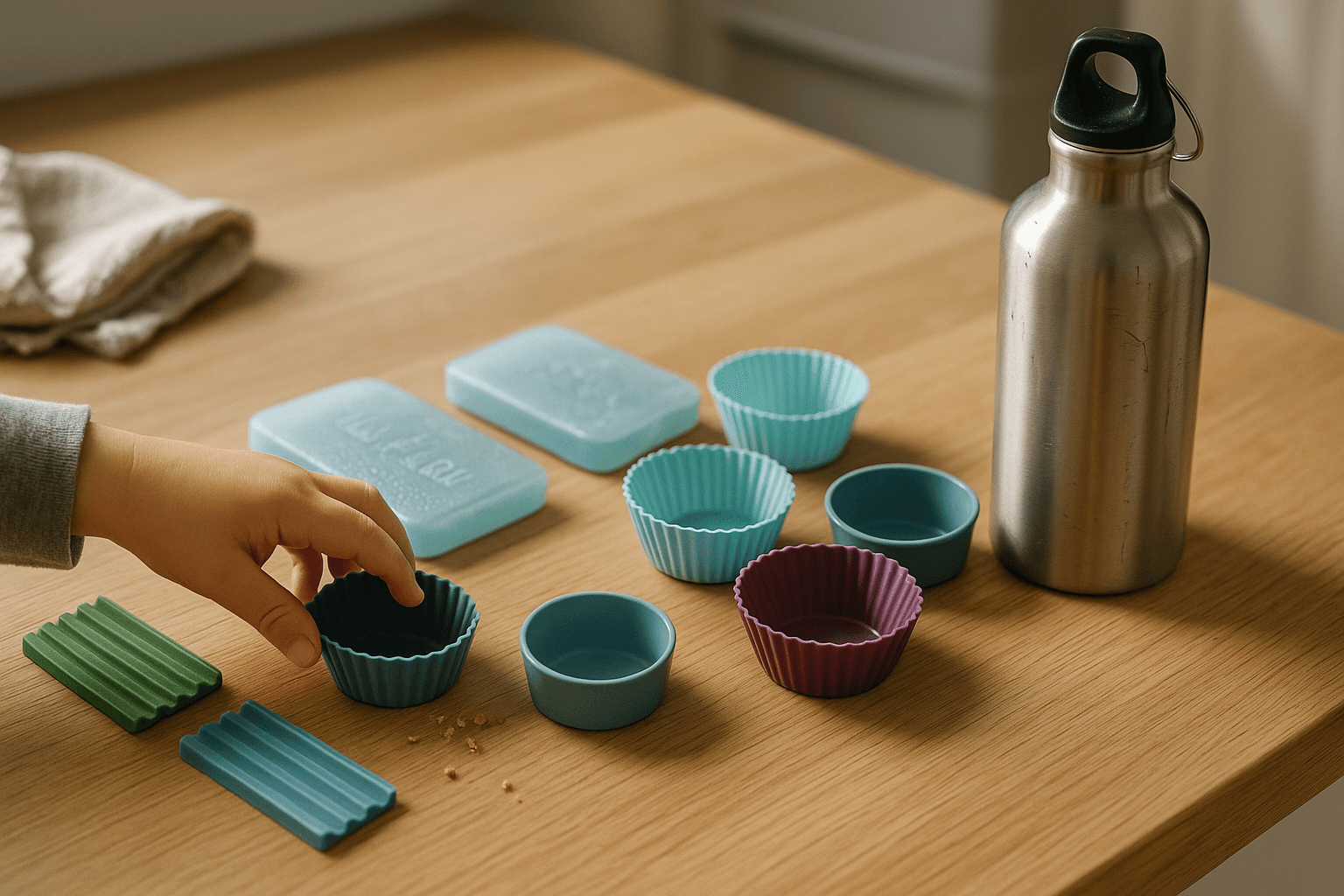
- Silicone cups for portion control within larger containers
- Vacuum-sealed bags for anything going in the freezer
Labelling system for busy mornings: Every container gets a label with contents and date. Sounds over the top, but when you're running late and can't remember if those apple slices are from Sunday or Wednesday, it matters. I use a label maker – takes 30 seconds, saves confusion all week.
The "first in, first out" rule: Always use older prep first. Rotate containers so you're not finding science experiments at the back of the fridge. Mark containers with the day they were prepped, not when they expire.
Budget-Friendly Australian Bento Alternatives
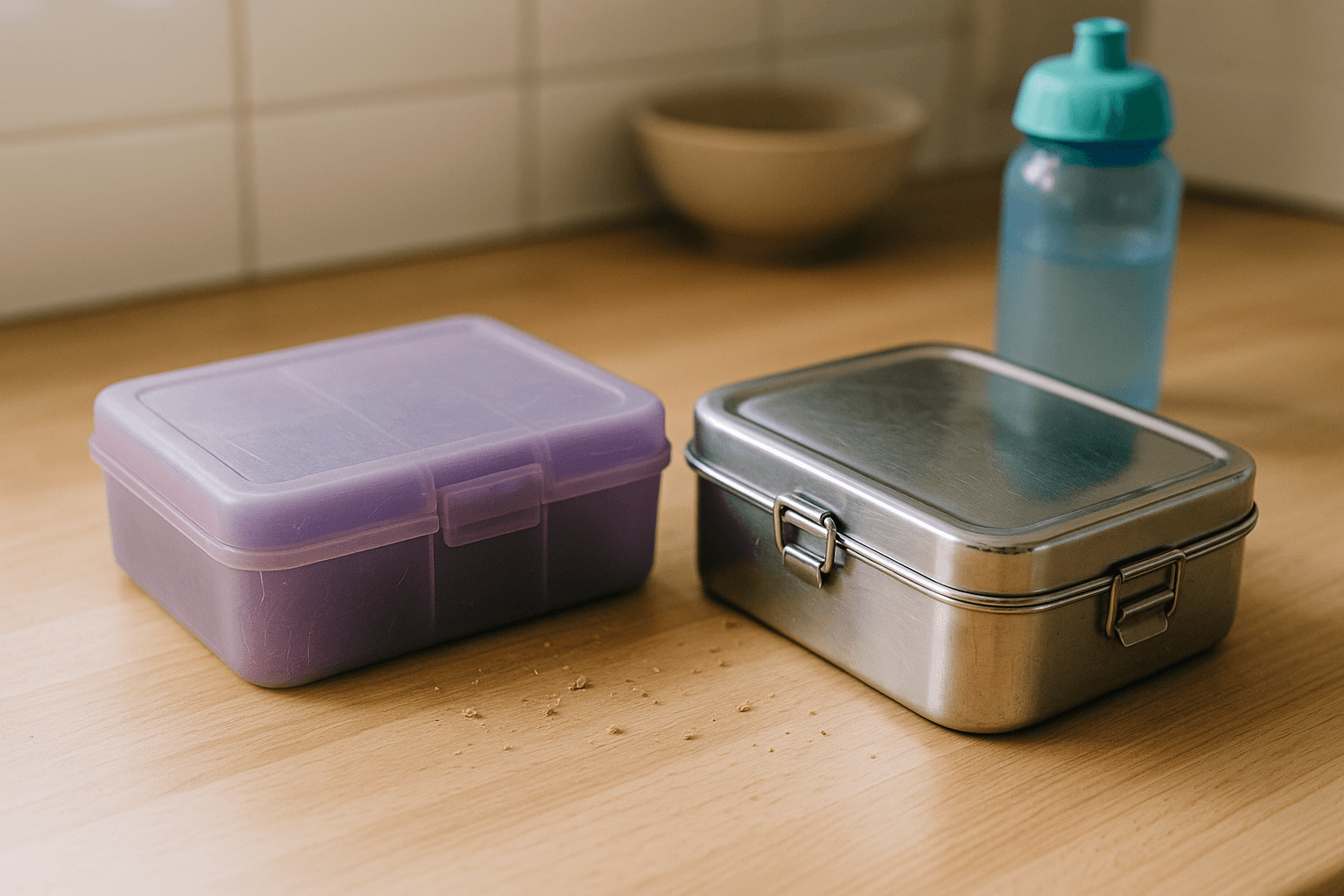
Let's be honest about the elephant in the room – proper bento boxes are expensive. A Yumbox Original costs $50+, while a Sistema Bento comes in around $15. Both do the job, but there's a massive price difference for busy families already stretched thin.
Australian Bento Box Reality Check
Sistema Bento Lunch Box
$15
- ·5 compartments
- ·Leak-proof clips
- ·Australian brand
Actually affordable
Available at Woolies
Dishwasher safe
Clips can break
Not fully leak-proof for liquids
Best value for most families
Yumbox Original
$52
- ·6 compartments
- ·Leak-proof guarantee
- ·Premium materials
Genuinely leak-proof
Lasts for years
Easy one-handed opening
Expensive upfront
Hard to find locally
Worth it if budget allows
DIY Container System
$8
- ·Regular containers
- ·Silicone muffin cups
- ·Your existing gear
Use what you have
Extremely cheap
Replaceable parts
More assembly time
Less appealing to kids
Great starting point
Honestly? Start with the DIY approach. Use regular containers with silicone muffin cups as dividers. If your kids take to it, upgrade later. I started with a $12 container from Kmart and silicone muffin cups from the reject shop. Worked perfectly for three months before I invested in proper bento boxes.
Budget hack for multiple kids: Buy one good bento box and several cheaper alternatives. Use the expensive one for your pickiest eater (presentation matters more) and the budget options for kids who'll eat anything. No point spending $150 on three premium boxes if only one child cares about compartment perfection.
For a complete breakdown of options, see my detailed bento box comparison.
Get the Complete Gear Buyer's Guide
Compare all the top lunchboxes, bottles & ice packs with real prices
Handling Picky Eaters and School Restrictions
This is where bento boxes either win big or fail spectacularly. The trick is starting with familiar foods in new presentations, not trying to sneak in quinoa salads on day one. I made this mistake early – tried to use bento boxes as a trojan horse for healthy eating. Epic failure.
The "one new thing" rule: Include one small portion of something new alongside four familiar items. Don't make a big deal about it. Sometimes they try it, sometimes they don't. Progress, not perfection. The key is making the new thing tiny – like three blueberries, not a whole compartment full.
Working with extreme pickiness: Some kids will reject the whole lunch if one compartment contains something they don't like. I learned to put the "challenge" food in the smallest compartment, and never let it touch the safe foods. Physical separation matters more than you'd think.
Nut-free protein alternatives for school zones:
- Hard-boiled eggs (most schools allow, check first)
- Cheese cubes or string cheese (reliable crowd-pleaser)
- Hummus with veggie sticks (buy small individual pots)
- Mini frittatas or egg muffins (homemade, freeze well)
- Leftover roast chicken (shred it, easier to eat)
- Tuna in small containers (check school policy on fish)
Managing food texture issues: Many picky eaters have texture sensitivities. Bento boxes actually help here because you can keep wet and dry foods completely separate. No soggy bread, no sauce contaminating the crackers. It's a game-changer for kids who struggle with mixed textures.
For more ideas that actually work with fussy kids, check out these strategies for picky eaters that I've tested in the real world.
When bento rejection happens: Have a backup plan. Keep simple sandwich ingredients handy. Some days, Vegemite on bread is a win, and that's okay. The goal is progress over time, not perfect nutrition every single day. For more options, see these nut-free lunch alternatives.
Food Safety Tips for Australian School Environments
Australian schools don't have fridges for lunch storage, so food safety is entirely on you. In our climate, this matters more than fancy presentations. I learned this lesson the hard way during a 38°C day in March – came home to a very sick kid and a lunchbox that could've been used as a science experiment.
Ice pack placement for 6+ hour freshness:
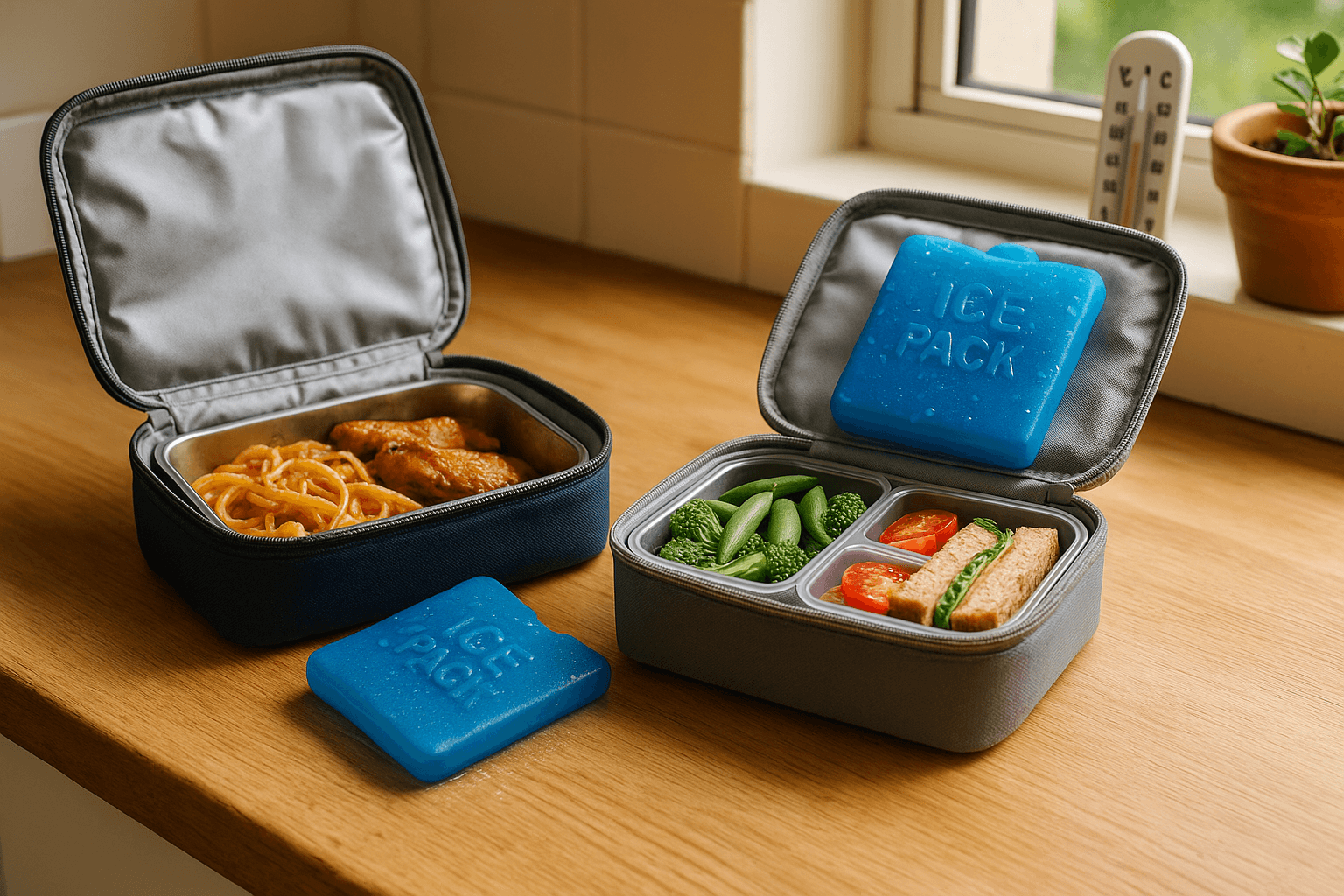
- Place ice packs on top and bottom of the lunchbox (cold air sinks)
- Frozen water bottles work as ice packs and drinking water (genius hack)
- Keep lunchboxes out of direct sun (remind kids about bag placement)
- Double-bag anything that absolutely cannot warm up
What needs refrigeration vs room temperature safe:
- Safe without cooling: crackers, dried fruit, nuts (if allowed), sealed snacks, whole fruits
- Needs cooling: dairy, meat, eggs, cut fruit, anything with mayo, hummus
- Thermos containers for yoghurt or anything temperature-sensitive (invest in quality here)
Temperature danger zone reality: Between 4°C and 60°C, bacteria multiply rapidly. In Australian heat, your lunchbox can hit danger zone temperatures within an hour without proper cooling. This isn't being paranoid – it's basic food safety.
Hot Weather Reality Check
On 35°C+ days, upgrade your cooling game. The **Fit & Fresh Cool Coolers Ice Packs (4-pack)** stay frozen longer than cheap alternatives. Worth the investment for Australian summers. I keep six in rotation during summer.
Signs your cooling system isn't working:
- Ice packs are completely melted by pickup time
- Cheese is sweaty or soft
- Any off smells when opening the lunchbox
- Condensation inside compartments
For extreme weather strategies, including what to do during heatwaves, check out this extreme weather lunchbox guide.
Troubleshooting Common Bento Box Problems
After six months of daily bento packing, I've encountered every possible failure mode. Here's how to fix the most common issues before they derail your system.
Problem: Everything comes home uneaten Usually means portions are too big or there's something unfamiliar touching familiar food. Scale back portions by half and increase physical separation between foods. Kids' stomachs are smaller than we think.
Problem: Constant complaints about soggy food Your ice packs are creating too much condensation. Use a tea towel to wrap ice packs, or switch to gel packs that don't "sweat" as much. Also check that you're not putting warm food into containers.
Problem: Takes longer than 5 minutes to assemble Your prep system needs work. Everything should be grab-and-go ready. If you're washing, cutting, or opening packages in the morning, that's prep work that should happen on Sunday.
Problem: Running out of variety Keep a list of successful combinations on your phone. When you find something that works, write it down immediately. Memory fails at 6:30am on a Tuesday.
Problem: Kids trading away healthy foods Include one item they genuinely love in every lunch. Hard to trade away your favourite crackers for someone else's sandwich. Also, talk to them about why you pack certain foods – kids respond better when they understand the reasoning.
Quick Assembly Bento Ideas That Work Every Time
Here are my go-to combinations that take under 5 minutes and actually get eaten. These have been tested on multiple kids and refined over months of real-world use:
Monday (leftover roast):
- Compartment 1: Shredded roast chicken (2 tbsp max)
- Compartment 2: Plain crackers (6-8 pieces)
- Compartment 3: Cucumber coins (handful)
- Compartment 4: Red grapes (10-12 grapes)
- Compartment 5: Small biscuit (treat compartment)
Tuesday (egg day):
- Compartment 1: Half a hard-boiled egg, sliced
- Compartment 2: Rice crackers
- Compartment 3: Cherry tomatoes (4-5 pieces)
- Compartment 4: Strawberries, hulled
- Compartment 5: Small piece of chocolate
Wednesday (frittata day):
- Compartment 1: Mini frittata (reheated for 20 seconds)
- Compartment 2: Rice crackers
- Compartment 3: Cherry tomatoes
- Compartment 4: Blueberries
- Compartment 5: Cheese cube
Thursday (cheese focus):
How useful was this?
Which Lunchbox Is Right for Your Family?
Get my complete comparison of the top 10 options with real prices and honest ratings
Written by Pat
Dad of two, Melbourne. Half Chinese, raised on incredible food. I make quick school lunches and test every piece of gear before recommending it. No bento art — just real food made with love.