In this article
You're standing in the lunchbox aisle, holding a $65 insulated lunch bag, wondering if it's actually worth the money or just clever marketing. With insulated lunch bags for kids ranging from $15 to $80, the price difference is huge — but so is the confusion about what you're actually paying for.
$4.48
average daily lunch cost per Australian child
Oxford Academic Health Promotion International 2024
Adding a premium insulated bag increases this by 15-20%
The honest answer? It depends entirely on what you're packing, where your child goes to school, and how much food safety stress you're willing to carry. Let me break down when these bags earn their keep — and when a $20 alternative does exactly the same job.
What insulated lunch bags actually do (and don't do)
Insulated lunch bags slow down temperature change — they don't freeze food or create cold. Think of them as a thermal buffer, not a portable fridge. The bag itself might keep food 3-4 degrees cooler for a few hours, but without a quality ice pack, you're still looking at room temperature lunch by midday.
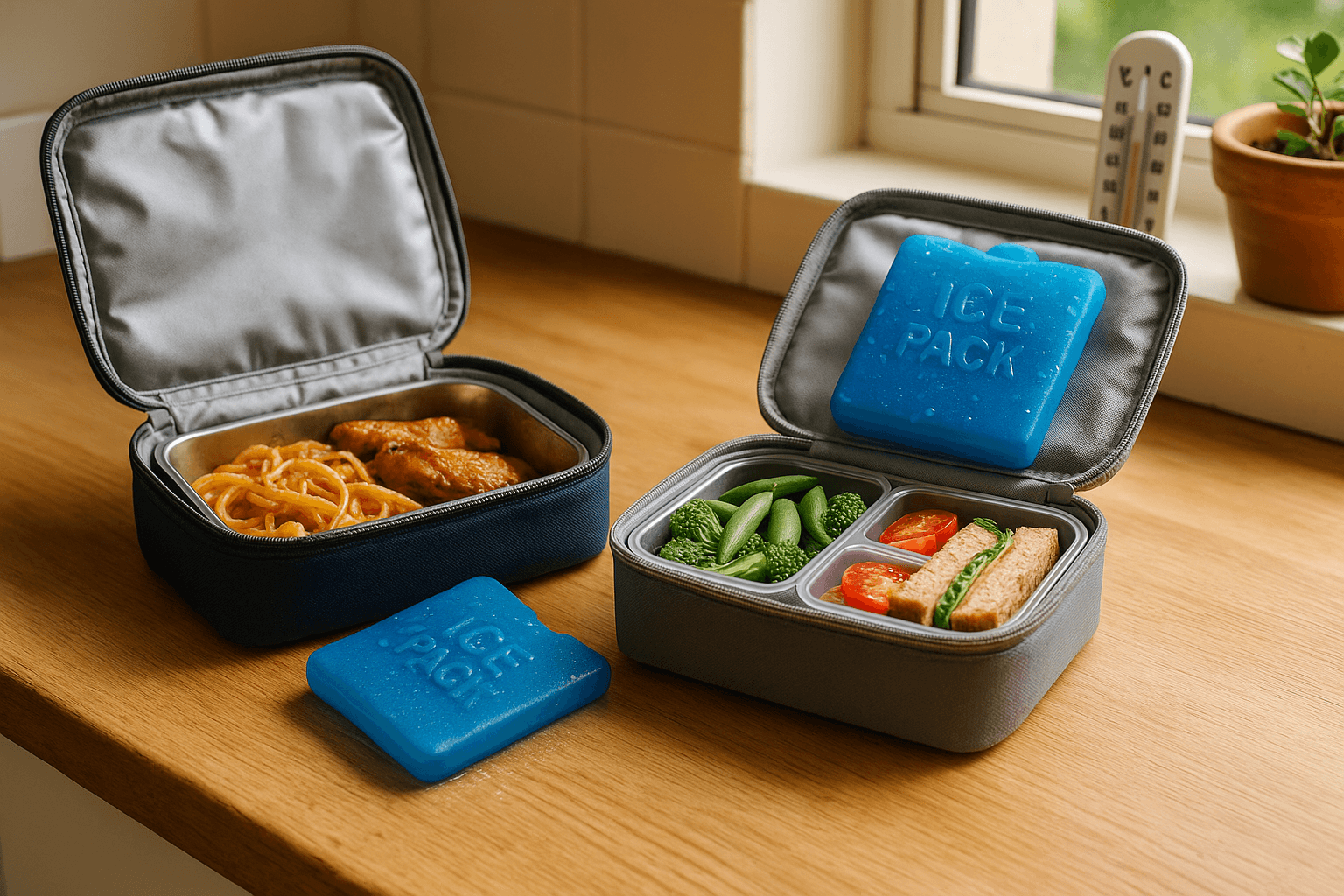
Here's what actually matters: the 4-hour food safety rule applies regardless of your bag. Perishable foods like yoghurt, cheese, and meat need to stay under 5°C to remain safe. An insulated bag paired with proper ice packs can maintain this for 4-5 hours. The bag alone? Maybe 2 hours in moderate weather.
Australian Heat Reality
In 35°C+ temperatures common in Australian summers, even premium insulated bags struggle beyond 3-4 hours without multiple ice packs. The bag buys you time, not miracles.
The effectiveness comes down to three factors: insulation thickness (foam vs gel vs reflective materials), ice pack quality and placement, and the starting temperature of your food. A $15 bag with excellent ice packs often outperforms a $60 bag with cheap gel packs.
The real cost: insulated bags vs cheaper alternatives
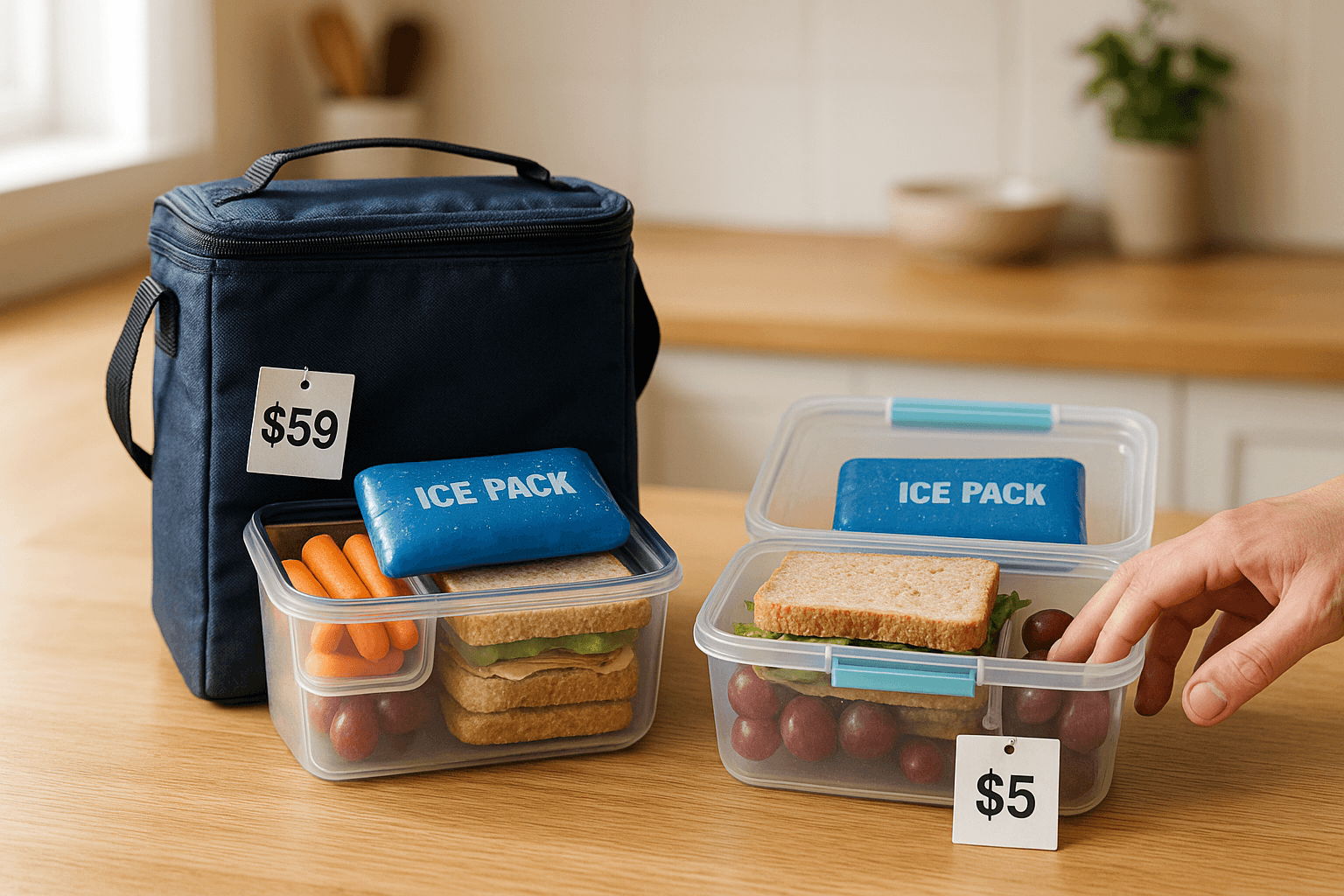
Let's talk numbers. Premium insulated bags like the PackIt Freezable Lunch Bag ($45-65) vs a basic Sistema Bento Lunch Box ($18-25). Over a school year, that's a $40-50 difference per child.
Annual Lunch Gear Cost Breakdown
Premium Insulated Setup
$78
- ·PackIt Freezable Bag ($55)
- ·Bentgo Ice Packs x2 ($23)
- ·5+ hour cold retention
Maximum food safety time
Durable construction
Easy cleaning
High upfront cost
Heavy when packed
Best for perishable-heavy lunches
Standard Insulated Setup
$42
- ·Mid-range insulated bag ($25)
- ·Quality ice packs x2 ($17)
- ·3-4 hour cold retention
Good value balance
Adequate performance
Reasonable durability
Limited in extreme heat
May need replacement sooner
Solid choice for most families
Budget Alternative
$32
- ·Sistema Bento Box ($18)
- ·Fit & Fresh Ice Packs x2 ($14)
- ·2-3 hour cool retention
Very affordable
Still functional
Easy replacement
Limited insulation
Shorter safe window
Works for dry foods and cool weather
Factor in replacement costs. Cheap bags often last 1-2 terms before zippers fail or insulation compresses. Quality bags typically survive 2-3 years of daily school use. When you calculate cost per use, the premium option often wins.
But here's the key insight: ice pack effectiveness testing shows that ice pack quality matters more than bag brand in many scenarios. A $20 lunch box with $20 worth of excellent ice packs often outperforms a $50 insulated bag with basic gel packs.
When insulated lunch bags are worth every dollar
You'll get genuine value from premium insulated lunch bags for kids in these specific situations:
Perishable-heavy lunches: If you're packing yoghurt, cheese sticks, deli meat, or homemade salads, the extended safe window justifies the cost. These foods need consistent cold chain maintenance — there's no "probably fine" option.
No school fridge access: Many Australian primary schools don't offer lunch storage. Your bag becomes the only barrier between fresh morning food and potentially unsafe afternoon eating.
Summer terms and outdoor schools: November through February, when outdoor lunch areas hit 35°C+, insulation becomes critical. Schools with minimal shade or air conditioning push standard bags beyond their limits.
Families spending $4.48 daily on lunch ingredients can justify a $50-70 bag if it prevents even one case of food poisoning or reduces lunch waste from spoiled food.
Dual-income households: When both parents work full-time, you need lunch solutions that work reliably without daily monitoring. Premium bags provide peace of mind that basic alternatives can't match.
Children aged 6-12: This age group typically eats lunch 4-6 hours after packing. Younger children often eat earlier, reducing the cold retention requirement.
When you can skip the insulated bag and save money
You can confidently choose cheaper alternatives when:
Focusing on shelf-stable foods: Sandwiches, crackers, nuts, whole fruits, and dried items don't require refrigeration. A basic lunch box with good organisation beats an expensive insulated bag for these foods.
Schools with cold storage: If your child's school provides fridge or cool room access, insulation becomes redundant. Many secondary schools and some progressive primary schools offer this facility.
Tight family budgets: With 58% of Australian households with children facing food insecurity, spending $50+ on lunch gear isn't realistic. A $20 solution that works 80% as well is the smart choice.
Winter Strategy
During cooler months (May-August), ambient temperatures naturally help preserve food. A basic lunch box performs almost as well as insulated options when it's 15-20°C.
Younger children (4-5 years): Kindy and early primary students typically eat lunch within 2-3 hours of morning pack-up. Standard lunch boxes handle this timeframe easily.
Thermos-focused approach: If you're using thermos containers as alternatives for hot foods and focusing on shelf-stable sides, insulated bags become less critical.
Australian summer reality check: heat vs hype
Australian conditions test lunch gear beyond manufacturer specifications. Most insulated bags are designed for temperate climates — 25°C maximum ambient temperature. We regularly exceed this by 10-15 degrees.
Insulated Bag Performance in Australian Heat
Real-world testing shows that even premium bags struggle when outdoor temperatures hit 40°C. Cheap ice packs turn to warm gel within 2-3 hours. Food safety becomes genuinely challenging, regardless of your bag choice.
Australian schools are increasingly aware of these challenges. Many now have policies requiring ice packs for any perishable food during summer terms. Some provide additional cool storage during extreme weather warnings.
The solution isn't necessarily a more expensive bag — it's better ice pack strategy, smarter food choices during heat waves, and realistic expectations about what insulation can achieve.
Budget-friendly alternatives that actually work
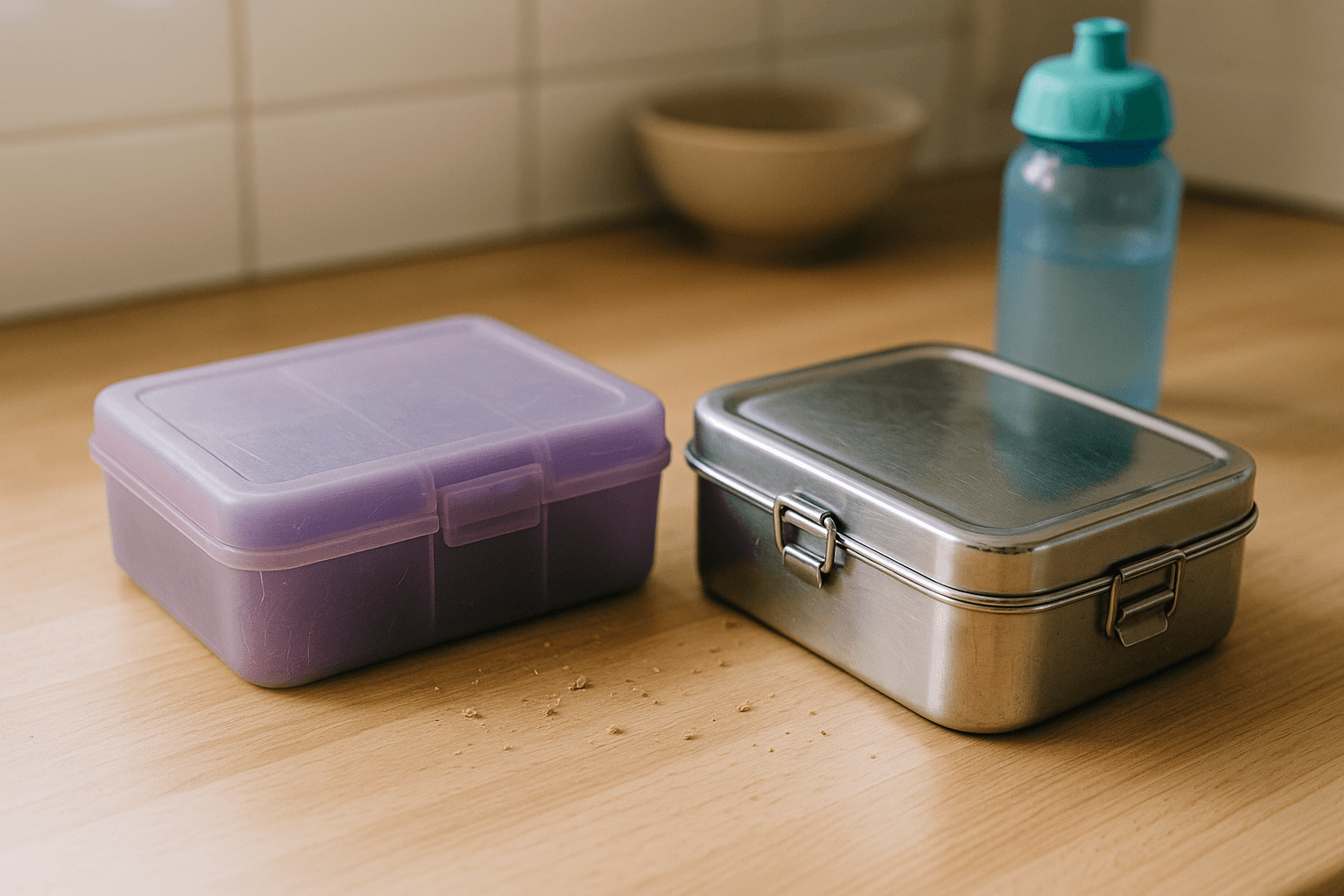
Regular lunch box + premium ice packs: A $20 Sistema Bento Lunch Box with $25 worth of quality ice packs often performs as well as a $50 insulated bag. The key is buying proper reusable ice packs, not the thin gel sheets that come free with cheap bags.
Frozen water bottle strategy: A frozen 600ml water bottle acts as both ice pack and drink. As it melts, your child has cold water available. Cost: essentially free. Effectiveness: surprisingly good for 3-4 hours.
Thermos containers for hot foods: A Thermos FUNtainer Food Jar ($25-35) eliminates perishable concerns entirely. Hot soup, pasta, or rice stays safely hot for 4-6 hours. Pair with shelf-stable sides in a basic lunch box.
DIY Ice Pack Alternative
Mix Solution
Combine 2 parts water, 1 part salt in zip-lock bag. Seal securely.
Double Bag
Place sealed bag inside second zip-lock for leak protection.
Freeze Overnight
Salt prevents complete freezing, creating flexible gel pack.
Wrap in Tea Towel
Prevents direct contact with food containers.
Strategic food timing: Pack perishables for morning tea (eaten within 2-3 hours) and shelf-stable items for lunch. This approach works with any lunch container.
Insulated lunch bag buying guide: what actually matters
When you do decide an insulated lunch bag for kids is worth the investment, focus on these features:
Insulation type and thickness: Foam insulation (cheapest) vs reflective barriers (mid-range) vs gel-based systems like PackIt (premium). Thicker isn't always better — design and air gaps matter more than raw thickness.
Ice pack compatibility: Look for dedicated ice pack pockets or compartments. Loose ice packs shift around, reducing effectiveness. The best bags secure ice packs against the sides where they'll maintain contact with food containers.
Appropriate sizing: Oversized bags create air gaps that reduce efficiency. Choose based on your typical lunch volume, not maximum possible capacity. A snug fit maintains temperature better.
Cleaning and durability: Removable, washable liners are essential. Kids spill things. Bags without easy cleaning become hygiene problems quickly. Check zipper quality — it's usually the first failure point.
Carrying comfort: Padded straps and balanced weight distribution matter for daily school use. A brilliant insulated bag that's uncomfortable to carry won't get used properly.
Get 20 Lunchbox Ideas That Work
Practical recipes that survive school — no special gear required.
The verdict: is an insulated lunch bag worth it for your family?
Yes, if: You regularly pack perishable foods, live in a hot climate, your child's school lacks cold storage, and your budget allows $50-80 for lunch gear. The food safety benefits and reduced waste justify the cost.
No, if: You focus on shelf-stable foods, have budget constraints, your child eats lunch within 2-3 hours, or you're willing to use thermos containers for temperature-sensitive items.
The middle ground: A decent $25-35 insulated bag with quality $20 ice packs gives you 80% of premium performance at 60% of the cost. For most Australian families, this hits the sweet spot between functionality and affordability.
The best lunch bag is the one that matches your actual lunch style, budget, and school conditions — not necessarily the most expensive or most heavily marketed option.
Remember: food safety depends more on what you pack and how you pack it than which bag you choose. An insulated bag enables better food choices — it doesn't automatically make any food choice safe.
Start with your current lunch routine. If it's working with a basic setup, don't fix what isn't broken. If you're constantly worried about food spoilage or limiting food choices due to temperature concerns, then yes — a quality insulated bag becomes a worthwhile investment in both food safety and your peace of mind.
How useful was this?
Get 20 Lunchbox Ideas That Work
Practical recipes that survive school — no special gear required.
Written by Pat
Dad of two, Melbourne. Half Chinese, raised on incredible food. I make quick school lunches and test every piece of gear before recommending it. No bento art — just real food made with love.