In this article
Australian families spend an average of $25 per child per week on school lunchboxes, according to Flinders University research tracking over 1,000 children aged 4-12. This translates to $3-6 per child daily — but most parents underestimate the true cost when factoring in food waste, emergency canteen purchases and equipment replacement.
$25
Average weekly spend per child
Flinders University 2024
Based on 1,000+ Australian families
The $25 figure represents a baseline for nutritious, home-packed lunches — but there's significant variation based on your approach to convenience, seasonal buying and batch preparation. Understanding where every dollar goes helps you optimise spending without compromising nutrition.
The $25 reality: what Australian families actually spend
The $25 weekly average breaks down unevenly across food categories, with protein sources consuming the largest portion of most family budgets. Here's where your lunchbox dollars typically go:
Weekly lunchbox budget breakdown
Most families spend $8-9 weekly on protein sources like rotisserie chicken, canned tuna, eggs and legumes. Fresh produce accounts for $6-7, covering seasonal fruit and vegetable sticks. The remaining $8-10 covers carbohydrates, snacks and incidental costs.
However, this baseline doesn't account for hidden costs that can push weekly spending to $30-35 per child. Food waste alone adds $2-3 weekly when kids consistently leave portions uneaten. Emergency canteen purchases — when packed lunches are refused or forgotten — can spike costs by $5-8 in a single day.
State and school type variations also impact spending significantly. Victorian families typically spend 15-20% more than Queensland families due to higher grocery costs, while private school families often exceed $30 weekly due to more elaborate lunch expectations and premium organic preferences.
Breaking down your weekly lunchbox budget: where every dollar goes
Protein sources dominate lunchbox costs because they're essential for sustained energy and often the most expensive component per gram. A whole rotisserie chicken ($12) provides 8-10 child portions, working out to $1.20-1.50 per serve. Compare this to premium deli meats at $2.50-3.00 per serve.
Protein cost comparison per serve
Boiled eggs
$0.40
- ·Ready in 10 minutes
- ·High protein
- ·Kid-friendly
Cheapest option
Batch cookable
No prep required
Can be boring
Some kids dislike texture
Best budget protein
Rotisserie chicken
$1.35
- ·Pre-cooked convenience
- ·Versatile uses
- ·Popular with kids
Zero prep time
Multiple meal uses
Reliable kid appeal
Higher sodium
Limited shelf life
Best convenience option
Premium deli meat
$2.80
- ·Sandwich ready
- ·Long shelf life
- ·Familiar taste
No cooking required
Easy portioning
Expensive per serve
High processing
Sodium concerns
Convenience premium too high
Fresh produce costs fluctuate seasonally but average $6-7 weekly per child. Winter vegetables like carrots, celery and apples cost 20-30% less than summer imports like berries and stone fruit. Smart seasonal buying can reduce this category by $1.50-2.00 weekly.
Snacks and extras — crackers, yogurt, nuts — represent the easiest category to optimise. Homemade energy balls cost $0.30 per serve versus $1.50 for store-bought equivalents. A weekly batch takes 20 minutes and saves $6-8 per child.
Carbohydrate bases like bread, rice cakes and pasta remain relatively stable at $3-4 weekly. Buying in bulk and choosing versatile options like wraps (usable for sandwiches, pinwheels and quesadillas) maximises value.
The hidden cost trap: what parents forget to budget for
Food waste represents the largest hidden cost in most family lunchbox budgets. When kids consistently return half-eaten lunches, you're effectively doubling your per-meal cost while getting half the nutritional value.
Hidden costs impact
Visible costs
$25/week
Groceries only
True costs
$32/week
Including waste & backups
Emergency canteen purchases occur in 80% of families at least monthly, according to Flexischools survey data. A single canteen lunch costs $8-12 — equivalent to 2-3 days of packed lunches. Families averaging one emergency purchase weekly add $8-12 to their true lunchbox costs.
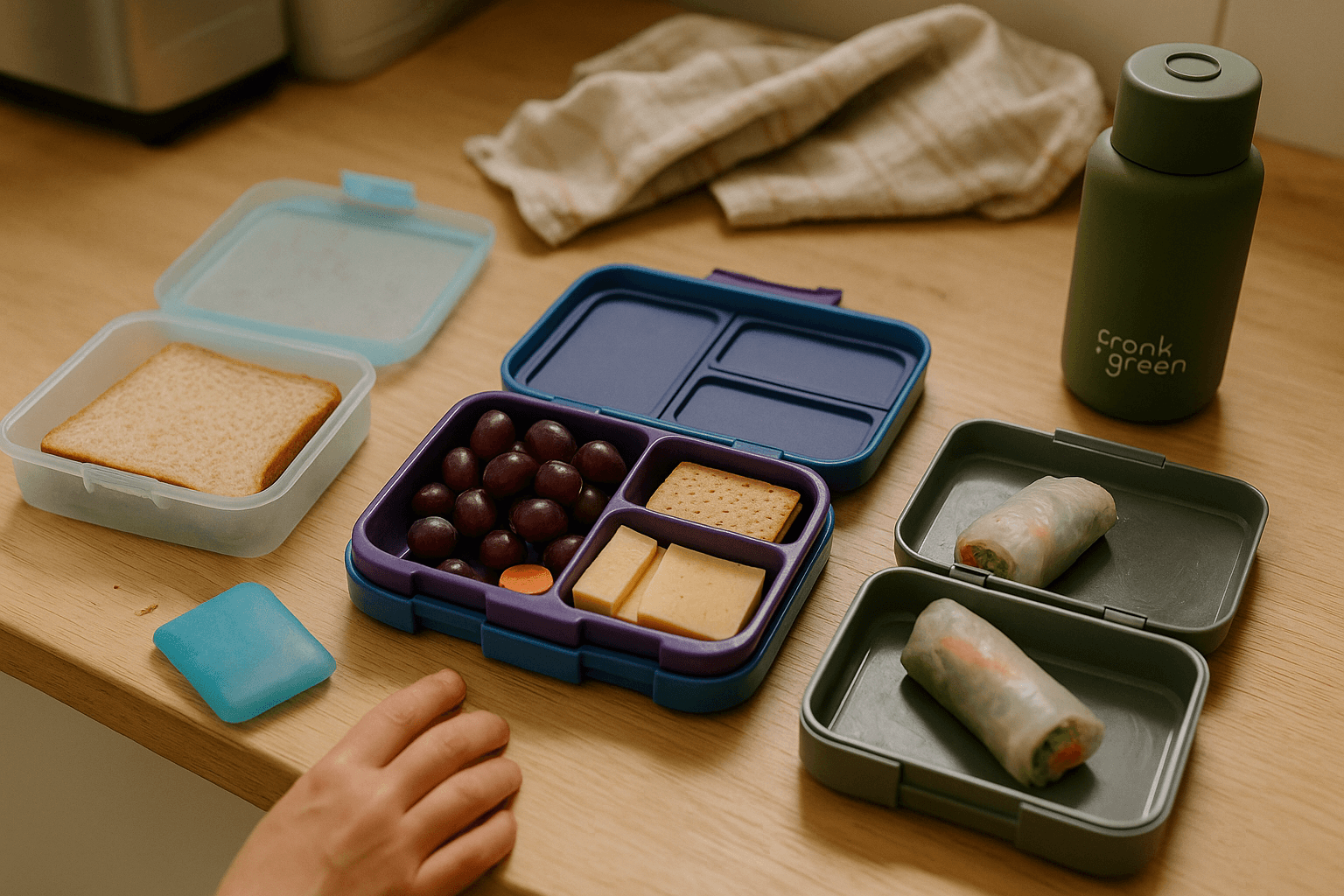
Equipment replacement costs $1-2 weekly when amortised annually. Lunch bags, containers and ice packs need replacing due to wear, loss or breakage. Quality initial purchases like the Sistema Bento Lunch Box ($28) last 2-3 years versus cheap alternatives requiring annual replacement.
Convenience tax significantly impacts families relying on pre-cut, pre-packaged items. Pre-cut apple slices cost 60% more than whole apples. Individual yogurt pouches cost 40% more than bulk containers. These convenience premiums can add $3-5 weekly without delivering additional nutrition.
Seasonal cost spikes catch many families unprepared. Winter thermos meals require different ingredients and equipment. Holiday periods disrupt normal shopping routines, leading to expensive last-minute purchases. Building 10-15% seasonal buffer prevents budget blowouts.
Get 20 Budget Lunch Ideas Free
Print-ready cheat sheet with cost per serve breakdown
Time vs money: the real cost of convenience choices
Time investment directly correlates with lunchbox costs, but the relationship isn't linear. Spending 30 minutes on Sunday batch-preparing proteins, chopping vegetables and assembling snacks saves $8-12 weekly compared to daily convenience purchases.
Sunday batch prep cost savings
Cook proteins in bulk
Boil 12 eggs, roast chicken thighs — saves $4-6/week vs daily prep
Prep vegetables
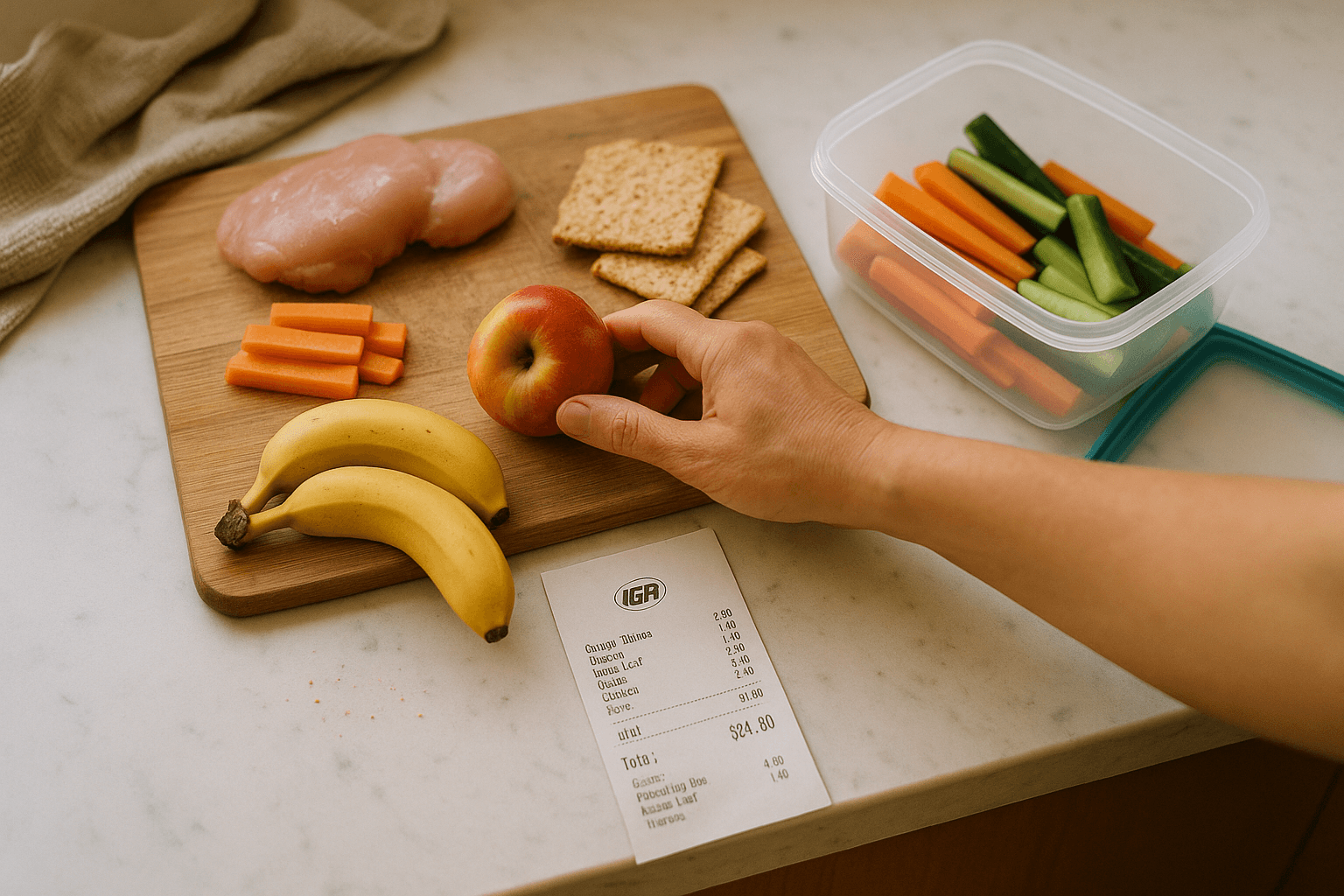
Wash, cut, portion carrot sticks and cucumber — saves $2-3/week vs pre-cut
Assemble dry snacks
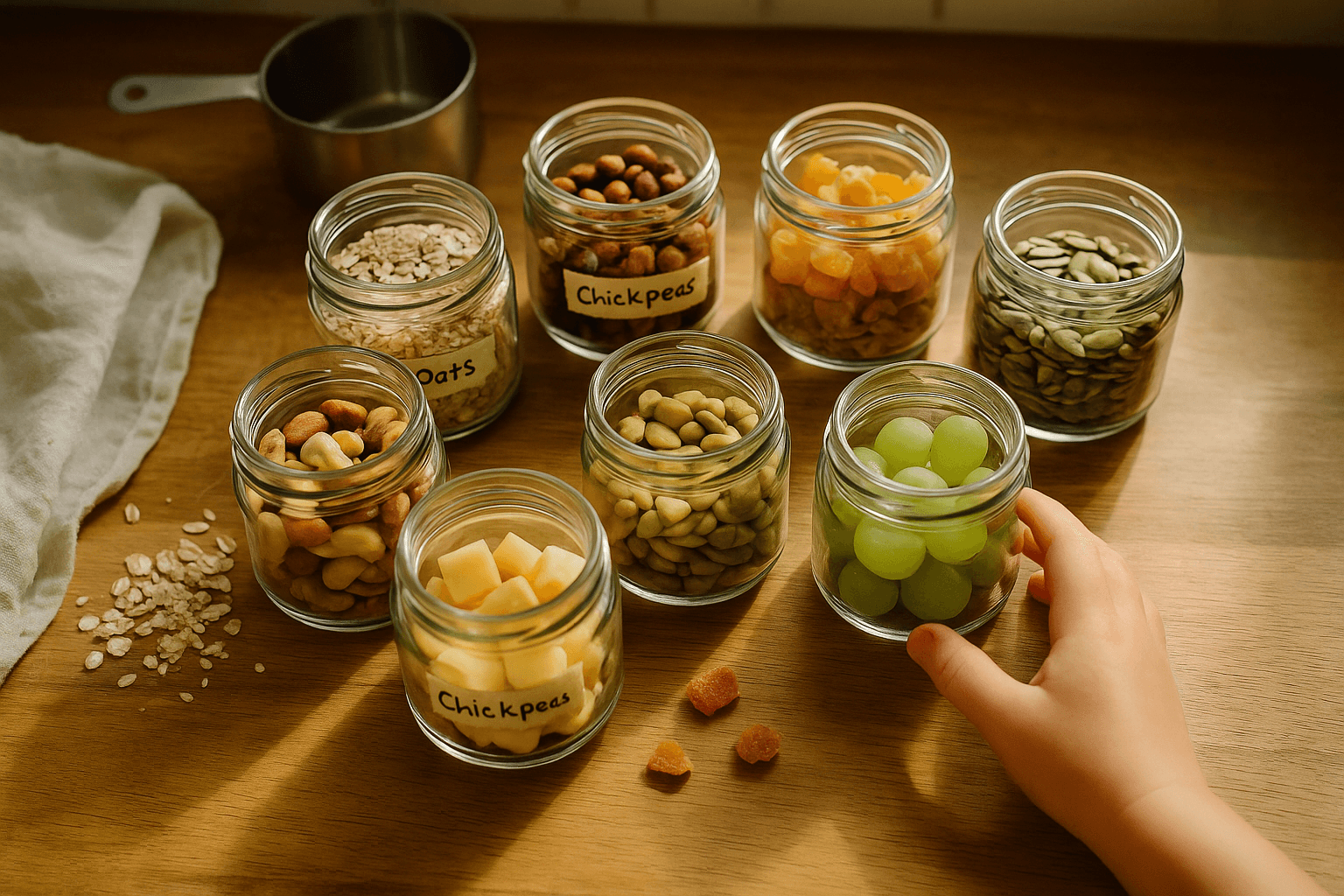
Mix nuts, crackers into portions — saves $3-4/week vs individual packs
Pre-fill water bottles
Eliminate juice boxes and drinks — saves $5-8/week
Homemade thermos meals cost $1.50-2.50 per serve versus $3-5 for canteen equivalents. A batch of soup or pasta sauce provides 6-8 child serves and takes 45 minutes including cooking time. The Thermos FUNtainer Food Jar 290ml ($24) maintains temperature for 5-7 hours, making hot lunches viable.
However, convenience isn't always inefficient. Pre-made wraps from the deli cost $3-4 but eliminate 15 minutes of morning assembly time. For families valuing sleep over savings, this trade-off makes financial sense when factoring in the value of time.
The key is identifying which convenience choices deliver genuine value versus which represent lazy purchasing. Pre-washed lettuce saves meaningful time; individual cracker packets don't.
How to optimise your lunchbox spending without cutting corners
Seasonal buying represents the easiest optimisation strategy for most families. Winter vegetables cost 20-30% less than summer imports, while summer stone fruit costs half the winter price of imported alternatives.
Seasonal optimisation checklist
Smart protein rotation maximises nutrition while minimising costs. Eggs at $0.40 per serve provide complete protein comparable to deli meat at $1.20 per serve. Canned tuna costs $0.80 per serve and requires zero preparation. Rotating between 4-5 protein sources prevents boredom while controlling costs.
Bulk batch cooking reduces per-meal costs by 25-30% compared to daily preparation. Cook large batches of meatballs, frittata cups or energy balls on weekends, then freeze in child-sized portions. This approach costs $1-1.50 per lunch versus $2-3 for daily assembly.
Water over drinks saves $5-10 weekly per child while improving nutrition. The Frank Green Ceramic Reusable Bottle 595ml ($34) eliminates single-use drink purchases and maintains temperature. Flavour water with frozen berries or cucumber slices for variety without cost.
Homemade snacks deliver the highest cost savings with minimal time investment. Energy balls using dates, nuts and coconut cost $0.30 per serve versus $1.50 for store-bought equivalents. A 20-minute batch provides 2 weeks of snacks for one child.
For comprehensive shopping strategies, see our 5-day shopping list template which maximises nutrition within a $25 weekly budget.
Budget red flags: when you're spending too much
Consistent weekly spending above $35 per child signals inefficiency in your lunchbox system. This threshold accounts for premium organic choices and dietary restrictions — exceeding it suggests over-reliance on convenience items or poor meal planning.
Warning signs you're overspending
Daily canteen purchases more than twice weekly indicate your packed lunch system isn't working. Kids voting with their feet suggests portion, variety or temperature issues — not necessarily food quality problems.
Food waste above 20% represents both financial and nutritional failure. If kids consistently return half their lunch, you're paying double the effective cost per consumed calorie. This usually indicates portion mismatches, temperature problems or flavour fatigue rather than pickiness.
Premium equipment without systems doesn't improve value. Buying expensive bento boxes but filling them with convenience items wastes the portion-control and cost benefits these containers provide. Equipment should support efficient meal prep, not substitute for it.
Relying on convenience items for more than 50% of lunch content eliminates most financial benefits of home packing. At this convenience level, canteen meals often provide better nutrition per dollar while eliminating preparation time.
No seasonal adjustment in spending patterns suggests missed optimisation opportunities. Families spending identical amounts year-round aren't capitalising on seasonal price variations or adjusting menus to maximise value.
Real-world budget scenarios: three family approaches
The minimal budget approach ($15-18 weekly) relies heavily on batch cooking, seasonal produce and homemade snacks. This strategy requires 45-60 minutes weekend preparation but delivers complete nutrition within tight financial constraints.
Budget approaches by family type
Batch cook proteins Sunday, buy seasonal produce only, make all snacks from scratch. Requires 60 min weekend prep, saves $400+ annually per child.
The balanced approach ($22-28 weekly) represents the sweet spot for most dual-income families. This budget allows rotisserie chicken, pre-washed vegetables and selective convenience items while maintaining strong nutrition. Weekend preparation drops to 30 minutes while still delivering $150-200 annual savings versus full convenience.
The premium route ($30-35 weekly) suits families prioritising organic ingredients, specialty diets or maximum convenience. This approach eliminates most preparation time while ensuring high nutrition standards. The cost premium buys time and peace of mind rather than necessarily better nutrition.
Shifting between budget levels requires adjusting expectations, not necessarily food quality. Moving from premium to balanced might mean buying whole chickens instead of pre-cut portions — same nutrition, different preparation time.
For specific cost-saving lunch ideas that maintain nutrition and appeal, check our budget-friendly lunch ideas guide.
Tracking your spend: simple weekly budget template
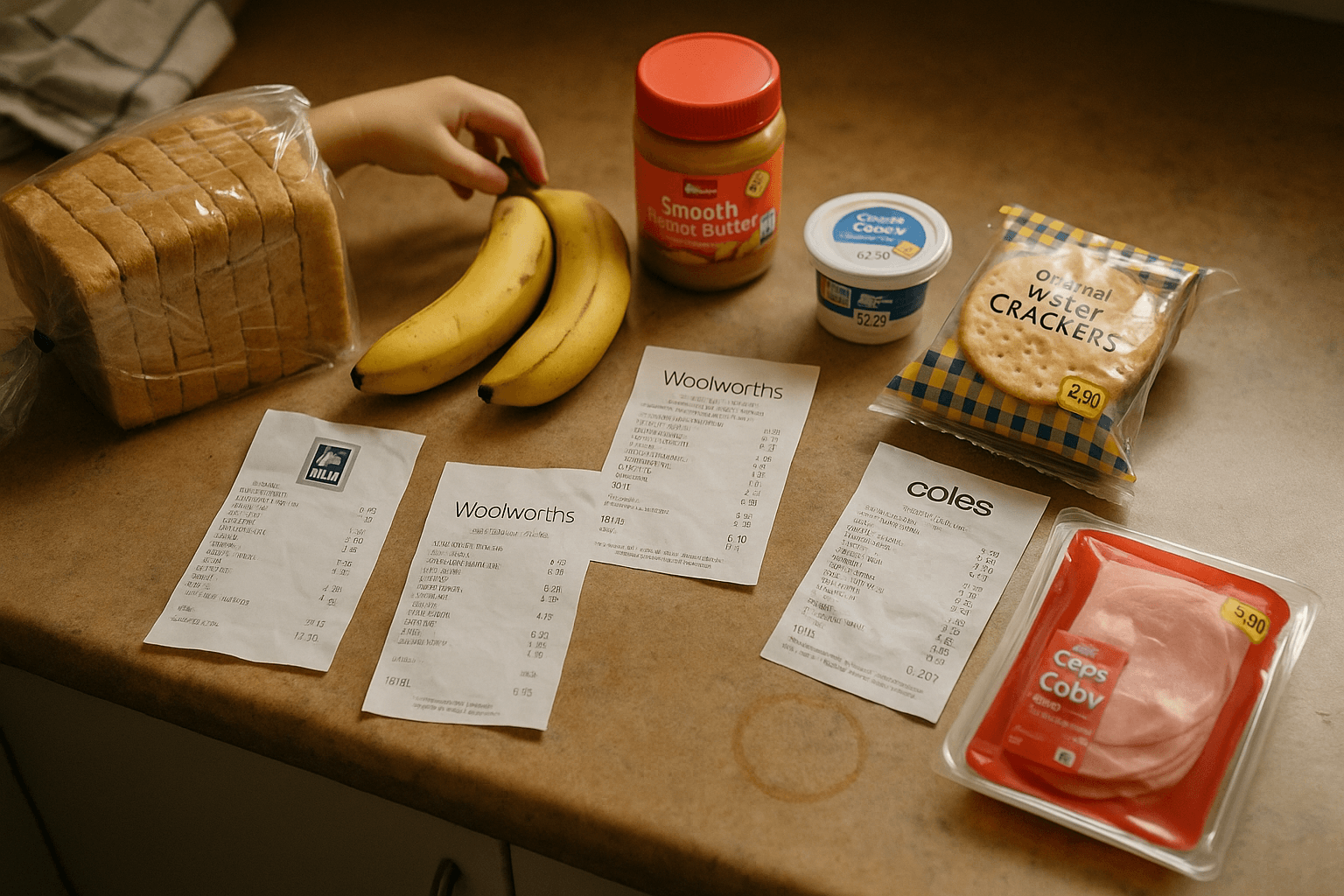
Accurate cost tracking requires separating lunchbox groceries from general food shopping for 4 weeks to establish your true baseline. Most families underestimate actual spending by 20-30% when including waste, emergency purchases and equipment costs.
Weekly tracking categories
$18
Planned groceries
Your intended weekly spend
$4
Waste & emergency
Uneaten food + canteen backup
$3
Equipment & extras
Containers, ice packs, drinks
Source: Family budget template
Track 'packed lunch', 'canteen backup' and 'snacks brought home' as separate categories. This separation reveals whether high costs come from inefficient packing, kid rejection or over-purchasing.
Compare your per-child, per-day cost against the $3-6 benchmark established by university research. Consistent spending above $6 daily suggests optimisation opportunities, while spending below $3 may indicate nutrition gaps.
Adjust tracking categories based on your family's priorities. Families managing allergies need separate 'specialty ingredients' tracking. Organic-focused families should track conventional versus organic premiums to understand true cost impacts.
Monthly review sessions prevent cost creep before it becomes habit. Look for seasonal patterns, identify successful cost-saving strategies and adjust portion sizes based on actual consumption data.
Common lunchbox budget questions
The $25 weekly benchmark provides a realistic target for nutritious, appealing lunches when you balance convenience with preparation. Understanding where your dollars go — and where they're wasted — helps optimise spending without compromising your kids' nutrition or your family's time constraints.
How useful was this?
Get 20 Budget Lunch Ideas Under $1.50 Each
Print-ready cheat sheet with exact costs per serve plus prep shortcuts
Written by Pat
Dad of two, Melbourne. Half Chinese, raised on incredible food. I make quick school lunches and test every piece of gear before recommending it. No bento art — just real food made with love.