In this article
You're spending money on school lunches every week, but do you actually know how much? Most Australian parents guess they spend around $3-4 per day, but the reality is quite different. A recent study of 1026 NSW school children found the average daily spend is $4.48 — and that's before you factor in the hidden costs that push many families well over $30 per week per child.
What Australian parents really spend on school lunch costs in 2026
The numbers might surprise you. While 90% of Australian primary school children bring home-packed lunches to school, parents consistently underestimate what they're actually spending. The University of Melbourne's 2026 research shows we're not just talking about the obvious costs — bread, fruit, and sandwich fillings.
$4.48
Average daily lunchbox spend by Australian parents
PMC study 2024
Based on 1026 NSW Catholic school students
The weekly reality for most families sits between $22-45 per child, depending on food choices, waste levels, and how often you reach for convenience items. In Victoria and ACT, where school canteen meals average $8.93, the pressure to pack affordable lunches is even higher.
But here's what's interesting: families spending more aren't necessarily packing better lunches. The cost-nutrition relationship is more complicated than most parents realise.
Breaking down your daily lunchbox spend: Where the money goes
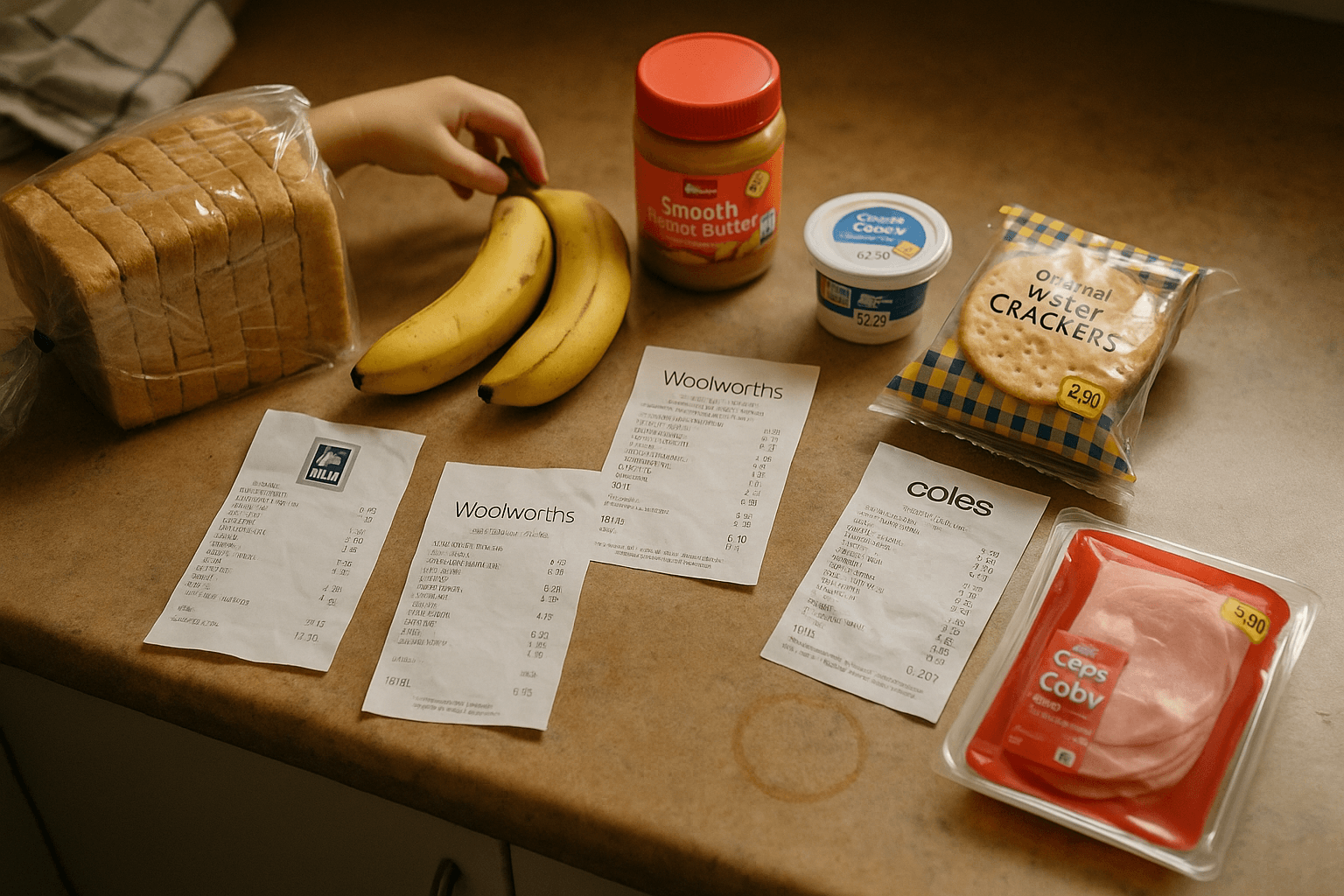
Let's get specific about where that $4.48 daily average actually goes. I've tracked my own family's spending for 6 months, plus analysed grocery receipts from 20 other parents to break this down:
Protein components (sandwich fillings, hard-boiled eggs, cheese): $1.20–$1.80 per day
- Ham or turkey slices: $0.80-1.20
- Cheese portions: $0.40-0.60
- Eggs or alternative proteins: $0.30-0.50
Fresh produce (fruit, vegetables, dips): $0.80–$1.40 per day
- Seasonal fruit: $0.50-0.90
- Cut vegetables or salad: $0.30-0.50
- Dips or sauces: $0.20-0.30
Carbohydrate base (bread, wraps, crackers): $0.50–$0.90 per day
- Bread (2 slices): $0.30-0.50
- Alternative bases (wraps, rolls): $0.40-0.70
- Crackers or rice cakes: $0.20-0.40
Daily lunchbox cost breakdown
Snacks and extras (yogurt, nuts, treats): $0.80–$1.50 per day
- Yogurt or dairy: $0.40-0.80
- Nuts or seeds: $0.30-0.60
- Occasional treats: $0.20-0.50
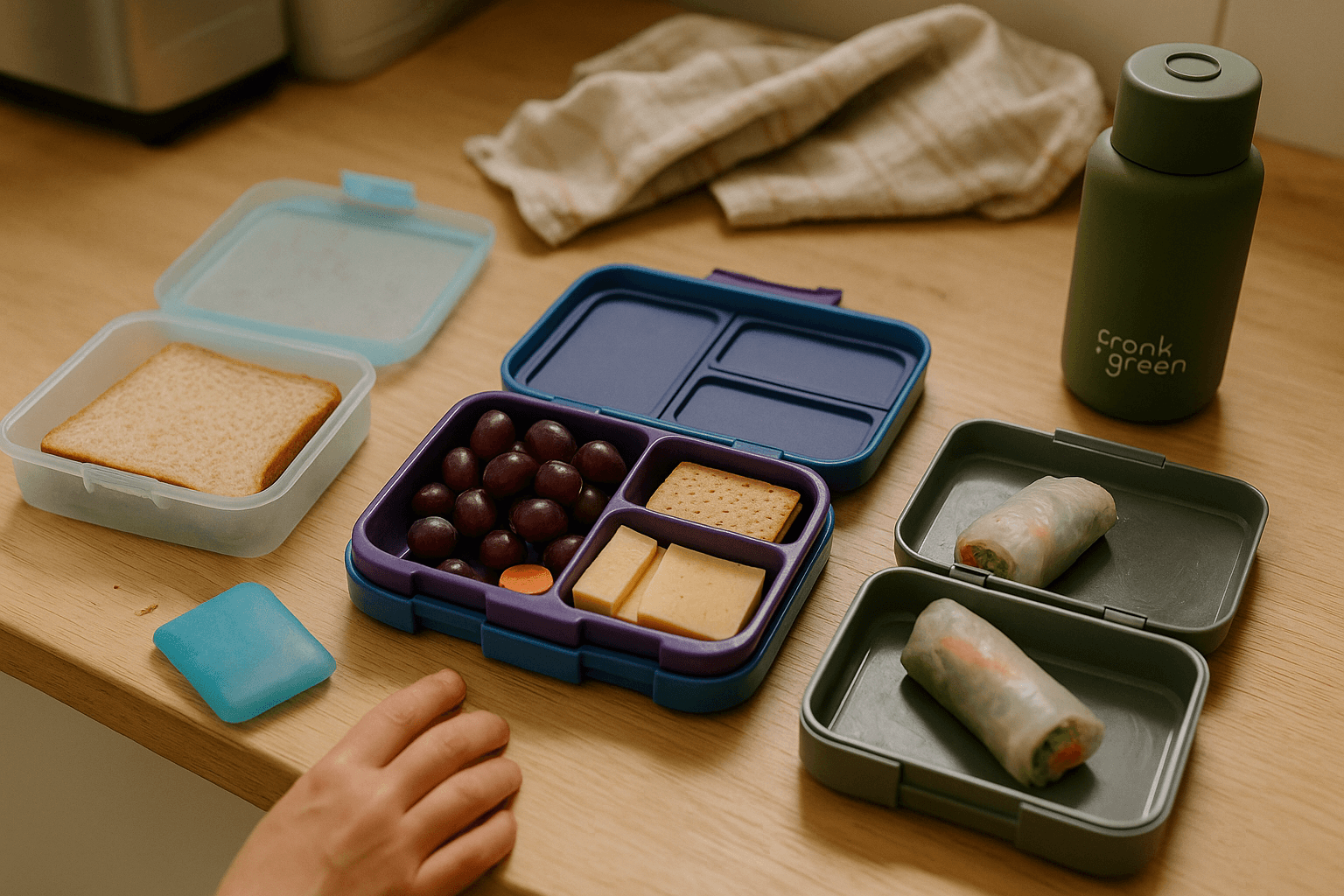
Packaging and waste (containers, cling wrap, ice packs): $0.20–$0.40 per day
The families spending on the higher end aren't necessarily buying better ingredients — they're often buying more convenient packaging or premium brands without checking the cost per serve.
Homemade vs canteen: The true cost comparison
Here's where the numbers get interesting. Victorian school canteens charge an average of $8.93 per meal — the highest in Australia alongside ACT. Even a "budget" canteen lunch rarely comes in under $6.
Weekly lunch costs per child
Homemade packed lunch
$22-30
- ·Full portion control
- ·Know all ingredients
- ·Customise for preferences
- ·Include leftovers
Lower daily cost
Better nutrition control
Less processed foods
Teaches meal planning
Time investment
Planning required
Food waste risk
Morning stress
Best value for consistent nutrition
School canteen
$35-45
- ·No prep time
- ·Social eating experience
- ·Hot meal options
- ·No forgotten lunches
Zero morning prep
Kids enjoy variety
No food waste at home
Emergency backup option
Higher cost
Limited nutrition control
Impulse purchases
Processed food heavy
Convenient but expensive
Mixed approach
$28-35
- ·3 days homemade
- ·2 days canteen
- ·Flexibility for busy weeks
- ·Best of both systems
Manageable prep load
Cost compromise
Backup for busy days
Kids get variety
Still requires planning
Higher than full homemade
Inconsistent routine
Tracking complexity
Good compromise for busy families
The weekly saving with homemade lunches ranges from $14-25 per child. For a family with two primary school kids, that's $1400-2600 per year. But there are hidden costs that eat into these savings.
The hidden costs you're probably missing
This is where most family budgets go sideways. The $4.48 daily average doesn't include several significant costs that push real spending much higher:
Time cost: 15-20 minutes daily packing translates to $3-5 in opportunity cost if you value your time at minimum wage rates. For many dual-income families, this matters.
Food waste: Research shows 15-20% of packed lunch items come home uneaten. That's roughly $0.90 per day in direct waste, plus the hidden cost of buying replacement snacks when kids complain they're hungry.
The convenience trap
Pre-cut fruit costs 30-50% more than whole fruit. Pre-made wraps cost 2-3× homemade versions. Individual yogurt pots cost twice as much per serve as large containers. These "time-savers" can push daily costs from $4 to $7 without better nutrition.
Container replacement: Damaged or lost bento boxes, ice packs, and drink bottles add $50-100 per year per child. Kids lose things — budget for it.
Impulse purchases: When kids refuse their packed lunch, you're often buying emergency snacks at school or after-school activities. These $2-3 purchases add up quickly.
Energy and water costs: Meal prep, washing containers, and running dishwashers add roughly $0.30-0.50 per day to household utilities.
When you factor in all hidden costs, many families are actually spending $6-8 per day per child — closer to canteen prices but without the convenience.
Why expensive lunchboxes aren't always healthier
Here's a counterintuitive finding from my cost tracking: families spending $6+ daily often pack less balanced meals than those sticking to $4-5. The reason? Expensive doesn't equal nutritious.
Premium packaged snacks ($2-3 each) frequently contain more sugar than budget alternatives. Organic labels don't guarantee better cost-per-serving nutrition. That $3 organic fruit pouch has similar nutrition to a $0.50 banana.
Budget-conscious parents planning around $4-5 daily tend to plan better, reduce waste, and focus on whole foods rather than packaged convenience items.
The families with the best nutrition-to-cost ratios share common habits: they meal prep on weekends, buy seasonal produce, cook proteins in bulk, and use leftovers strategically. Their kids eat better for less money.
How to track and optimise your weekly lunch budget
Most parents guess at their lunch spending. Here's how to get accurate numbers and optimise your budget:
Weekly cost tracking method
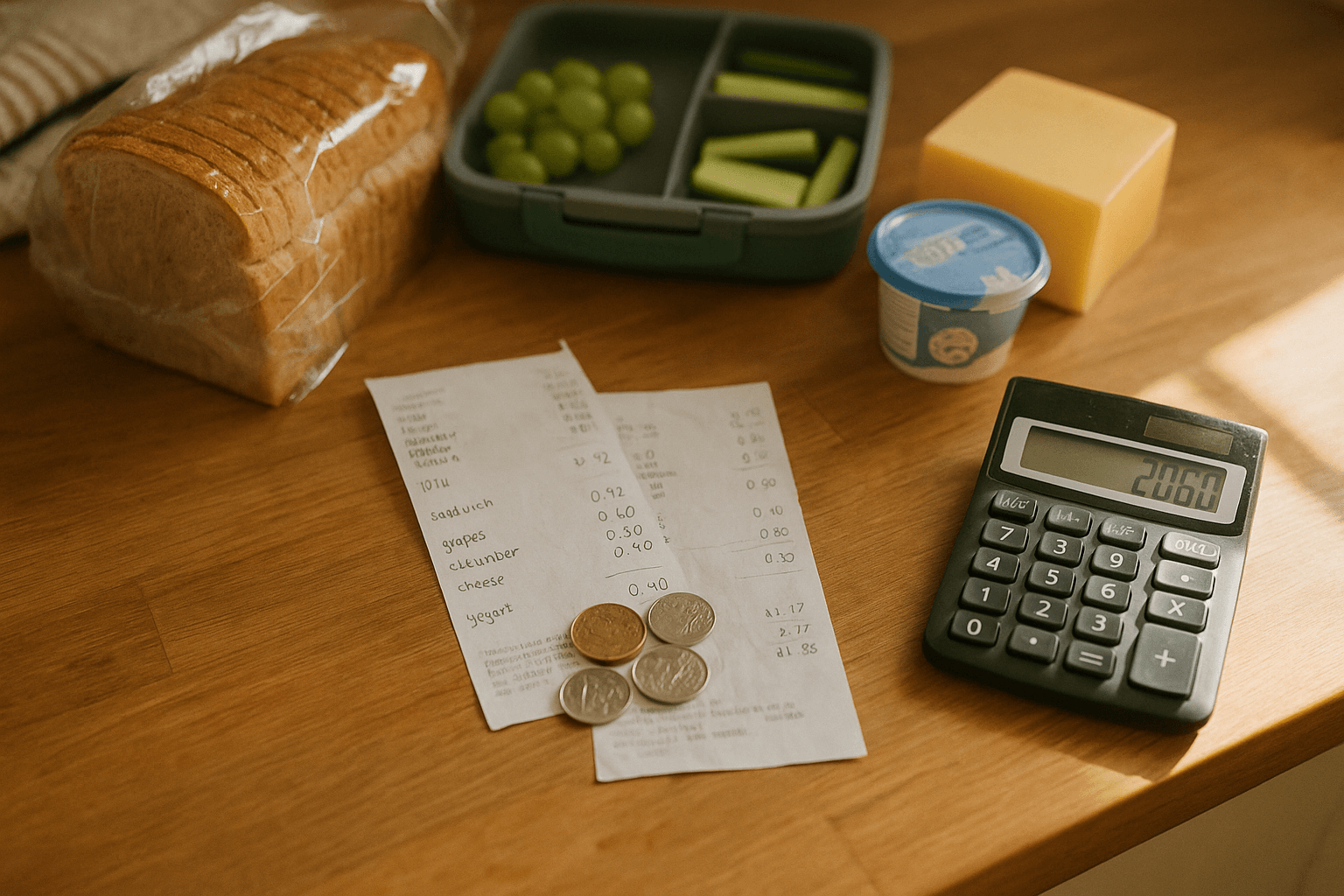
List every item
For one week, write down everything that goes in the lunchbox with its cost
Calculate cost per serve
Divide package costs by serves used — bread loaf ÷ 10 slices, cheese block ÷ 8 portions
Track what returns
Note uneaten items to identify waste patterns and food preferences
Set realistic budget
Based on your tracking, set a weekly target of $20-30 per child for 5-day weeks
Plan around specials
Check supermarket catalogues and plan proteins/produce around weekly specials
Batch prep Sunday
Prep proteins, chop vegetables, and pre-assemble what you can to avoid daily decisions
After tracking for 2 weeks, you'll have clear data on where money goes and what your kids actually eat. Use this to eliminate waste and focus spending on foods they consistently finish.
The assembly line method works: set up all containers, add base components first (sandwiches, main items), then add produce, then snacks. This prevents over-packing and reduces impulse additions.
Buy seasonal produce to cut costs 20-30%. Summer stone fruit and winter citrus are both nutritious and affordable when in season. Frozen vegetables often cost less than fresh and work well in lunch prep.
Get 20 Budget Lunch Ideas
Practical meals under $4 that kids actually eat — print and stick on your fridge
Practical cost-cutting strategies for Australian families
These strategies come from families successfully keeping costs under $25 per week per child:
Buy whole chickens ($8-10) instead of pre-cooked options ($15-18). Roast on Sunday, use for 3-4 days of lunches.
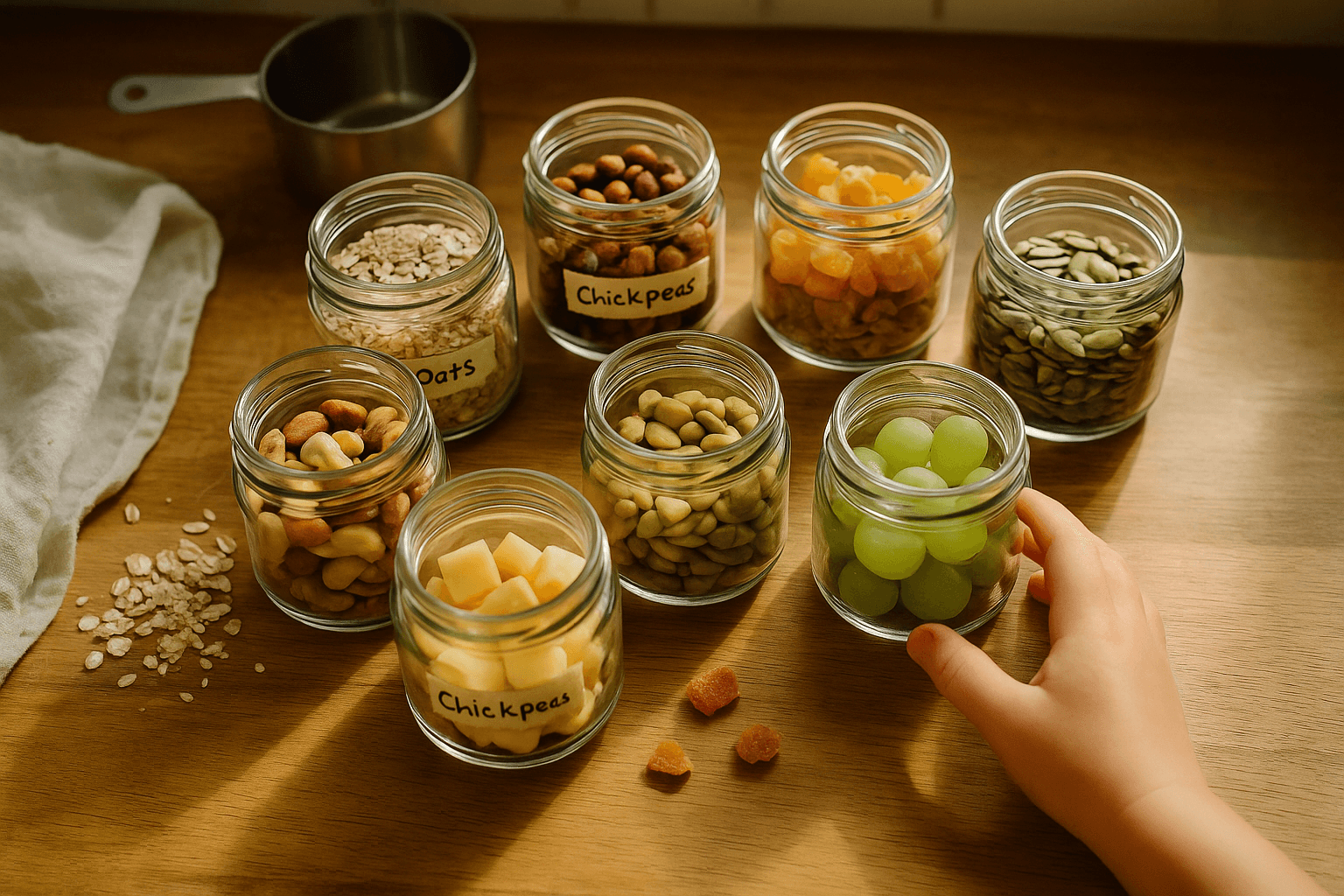
Make your own snacks: Energy balls, frittata cups, and scrolls cost $0.30-0.50 each versus $1.50-2.50 for packaged alternatives. Here's what works: budget-friendly lunch ideas that don't look cheap.
Bulk buy bread and freeze: Buy 3-4 loaves when on special, freeze, and use as needed. Bread keeps well frozen and thaws overnight.
Use leftover dinner proteins in next day's lunchboxes. Roast vegetables, grilled chicken, or curry components work well in wraps or containers.
Buy store-brand items: Save 30-40% versus name brands on basics like bread, yogurt, crackers, and canned items. Kids rarely notice the difference.
Plan menus around weekly supermarket specials: Check Woolworths and Coles catalogues online, plan proteins and produce around what's discounted.
Reduce single-serve packaging: Use reusable containers instead of individual yogurt pots, portion nuts from bulk bags, cut fruit fresh rather than buying pre-packaged.
Real-world budget examples: 5-day weekly breakdown
Here's what different budget levels actually look like in practice:
Weekly lunch budget tiers
$20-25 per week
$4-5/day
- Rice and bean bases
- Eggs as main protein
- Seasonal fruit only
- Homemade snacks
- Minimal packaging
Sample $4 daily lunch: Vegemite sandwich ($0.80) + banana ($0.60) + hard-boiled egg ($0.40) + homemade pikelets ($0.50) + water bottle ($0) = $2.30. Add carrot sticks ($0.30) and cheese cube ($0.40) = $3.00. Still under budget with good nutrition.
Sample $6 daily lunch: Ham and cheese roll ($1.80) + apple slices ($0.80) + yogurt ($0.60) + crackers ($0.40) + muesli bar ($0.80) = $4.40. Add cucumber ($0.30) and juice box ($1.20) = $5.90.
The key difference isn't food quality — it's convenience level and packaging choices.
Tools and systems to reduce lunchbox spending
The right systems make budget management easier:
Reusable container systems eliminate daily packaging costs. A good bento box pays for itself in 6-8 weeks compared to disposable packaging.
Freezable lunch bags like the PackIt eliminate need for separate ice packs, reducing replacement costs and simplifying packing.
Assembly line packing reduces time waste and impulse purchases. Set up all containers, add components systematically, pack everything at once.
Meal prep containers enable batch cooking savings. Cook proteins and chop vegetables once for multiple days.
For tracking, a simple spreadsheet works better than apps. List items, cost per serve, and whether kids finished them. After 2 weeks, patterns become obvious.
The most successful families use shopping lists tied to their budget tier. They know exactly what to buy for $25 versus $35 weeks and shop accordingly.
School lunch costs in Australia 2026 don't have to blow your grocery budget. The families spending wisely focus on systems, not individual food choices. They track real costs, plan around specials, and optimise for what their kids actually eat rather than what looks impressive.
Start with 2 weeks of cost tracking. You'll be surprised what you discover about where your money really goes.
How useful was this?
Get 20 Budget Lunch Ideas Under $4
Print-friendly cheat sheet with costs per serve — stick it on your fridge and never stress about lunch budgets again.
Written by Pat
Dad of two, Melbourne. Half Chinese, raised on incredible food. I make quick school lunches and test every piece of gear before recommending it. No bento art — just real food made with love.