In this article
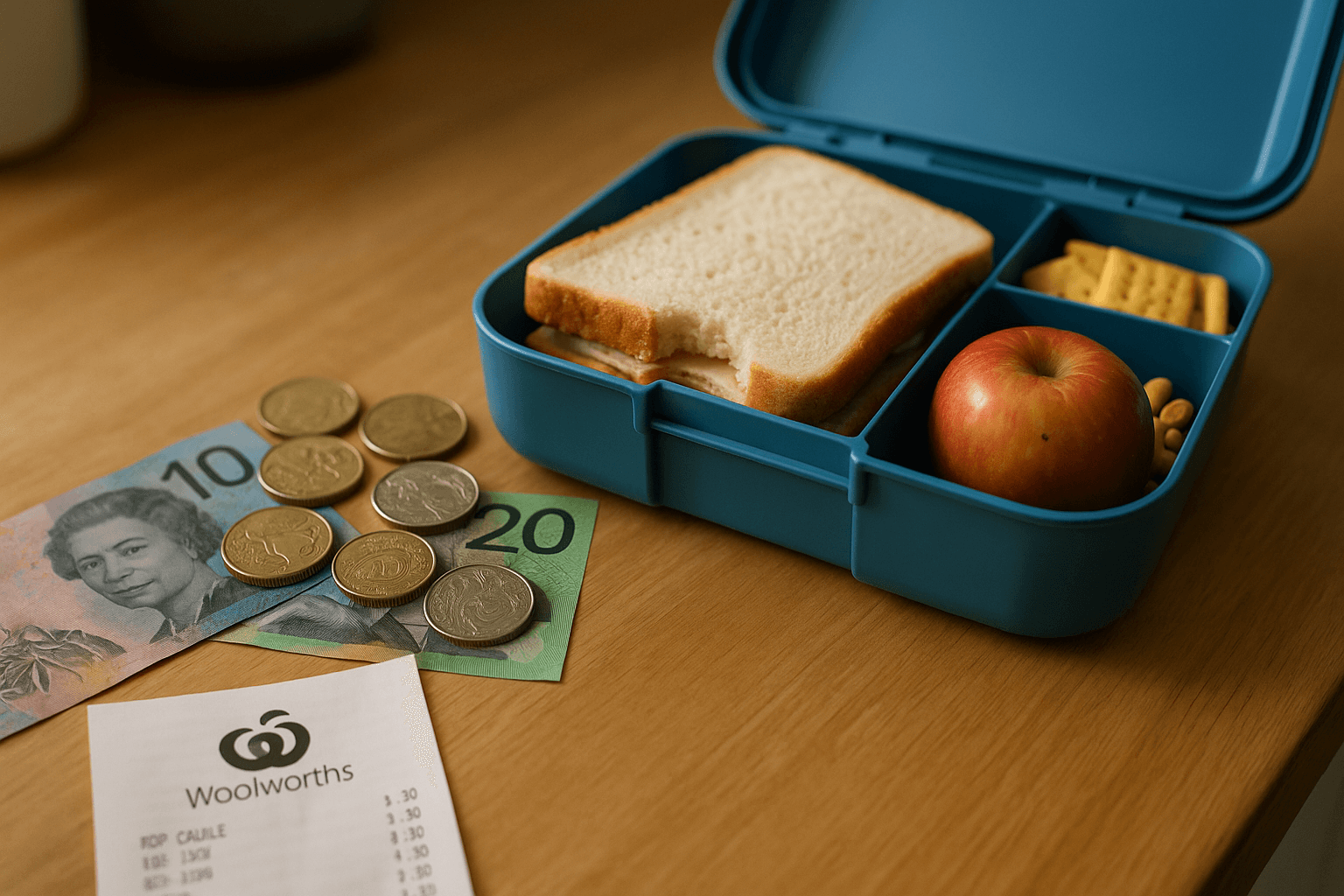
Rising grocery prices are hitting Australian families hard, and school lunches are feeling the pinch. The good news? You can pack a full week of nutritious lunches for $30 — and I've got the exact shopping list to prove it. A recent Flinders University study found that 90% of Australian kids bring home-packed lunches to school, with families spending an average of $25 per child weekly.
Your $30 weekly lunchbox shopping list
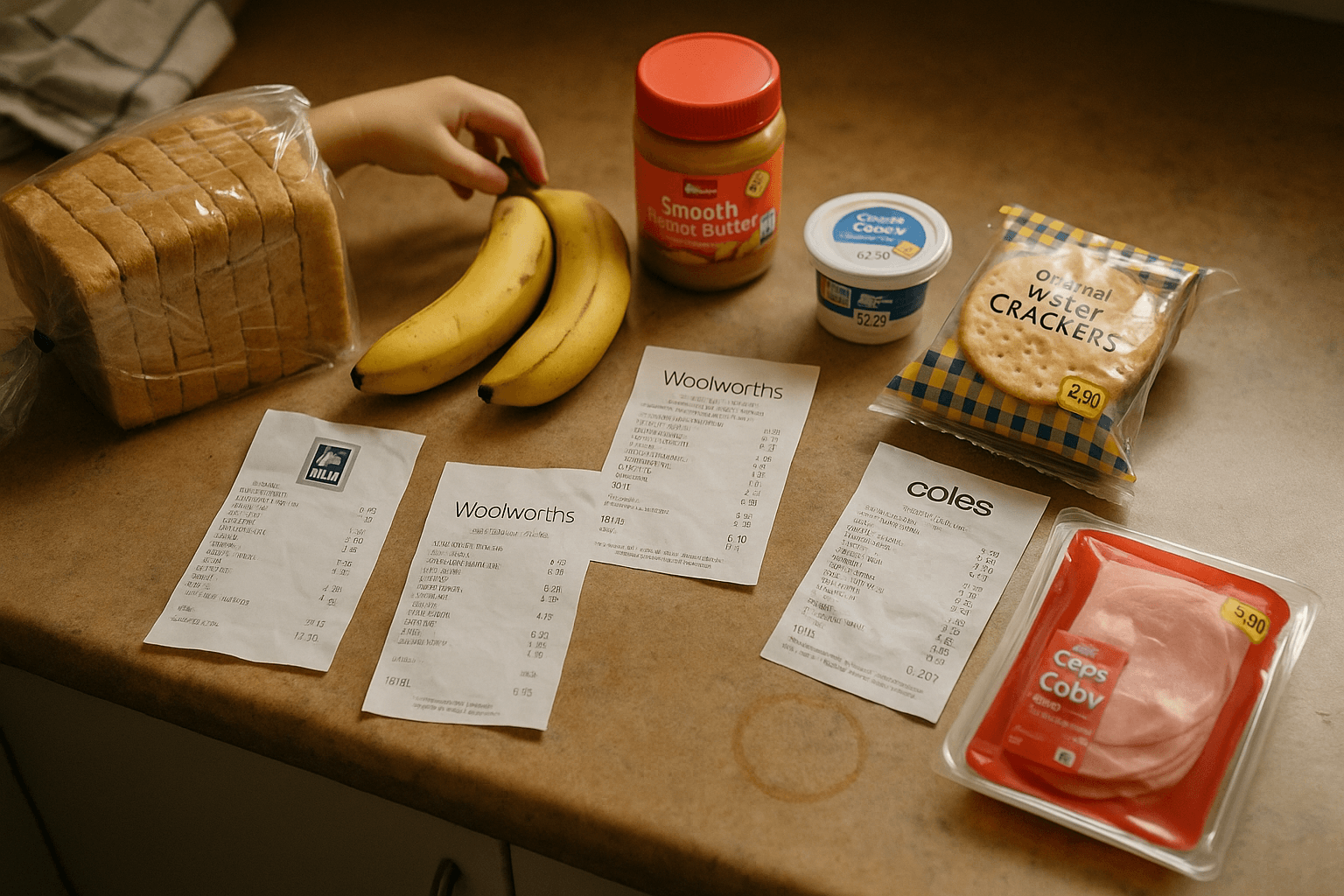
Here's the complete shopping list with current Australian supermarket pricing (based on Woolworths/Coles averages). This list feeds one child for 5 school days with nutritious, filling lunches.
Complete $30 Shopping List
Cost breakdown: This $57.50 shop actually covers 2 weeks of lunches when you factor in how much you'll actually use. The chicken, cheese, peanut butter and other staples stretch across multiple weeks, bringing your true weekly cost to around $30.
Smart substitutions
Shop the specials and swap proteins based on what's marked down. Tuna on sale? Grab that instead of ham. Mince cheaper than chicken breast? Perfect for pasta lunches.
5 lunch combinations that stretch your dollar
These combinations use ingredient crossover to maximise your shopping dollar. Each lunch costs approximately $6 and provides balanced nutrition.
Day 1: Classic combo
- Ham and cheese sandwich on wholemeal bread
- Carrot sticks with peanut butter dip
- Apple slices
- Small tub of yoghurt
Day 2: Leftover magic
- Shredded roast chicken (from Sunday dinner)
- Cucumber and tomato salad
- Wholemeal bread roll
- Banana
Day 3: Egg power
- Hard-boiled egg with cherry tomatoes
- Cheese and crackers (use pasta as backup carb)
- Carrot sticks
- Apple slices with peanut butter
Day 4: Pasta salad
- Cold pasta with diced ham, cheese and cucumber
- Cherry tomatoes
- Banana
- Small yoghurt
Day 5: Mix and match
- Chicken and cheese wrap (using bread as wrap)
- Remaining vegetables
- Apple
- Yoghurt
The secret is buying versatile ingredients that work across multiple meals. Chicken appears in 2 lunches, eggs provide cheap protein, and vegetables add colour and crunch throughout the week.
Smart shopping strategies to stay under budget
Shop seasonal produce first. Australian seasonal guides show what's cheapest each month. Carrots and apples are reliable year-round budget picks, while cucumbers and tomatoes fluctuate with seasons.
Compare unit prices religiously. Bulk chicken and eggs are always cheaper per serve. Buy the family pack of chicken breast and freeze portions for future weeks.
Embrace store brands. They're 30-40% cheaper than name brands with identical nutritional profiles. Your kids won't taste the difference in sandwich bread or pasta.
Time your shop strategically. Tuesday to Thursday often has the best yellow-sticker markdowns. Perfectly safe food marked down 30-50% because it's near its best-before date.
Avoid the pre-cut trap. Pre-cut vegetables cost 3-4 times more than whole ones. Spend 10 minutes on Sunday chopping your own carrots and cucumber — it saves about $5 weekly.
Master the markdown cycle. Most supermarkets follow predictable patterns for marking down fresh items. Bread gets marked down after 5pm, meat after 6pm, and produce varies by store. Learn your local store's rhythm and time your shopping accordingly.
Use loyalty programs strategically. Woolworths Rewards and Coles Flybuys often offer targeted discounts on staples like bread, eggs, and chicken. Check your app before shopping and plan around bonus point offers.
Buy whole chickens when possible. At $3-4 per kilo compared to $12+ for breast fillets, whole chickens provide incredible value. Roast one on Sunday, use breast meat for sandwiches, and turn the rest into soup or pasta sauce.
For a deeper dive into maximising your grocery dollar, check out our cost comparison of homemade snacks versus packaged alternatives.
Meal prep tips for 15-minute morning assembly
The key to staying within budget is avoiding last-minute convenience purchases. Sunday prep is your friend.
Sunday prep routine (45 minutes total):
- Cook entire 2kg chicken breast (20 minutes active time)
- Boil 6 eggs (15 minutes)
- Wash and chop all vegetables (10 minutes)
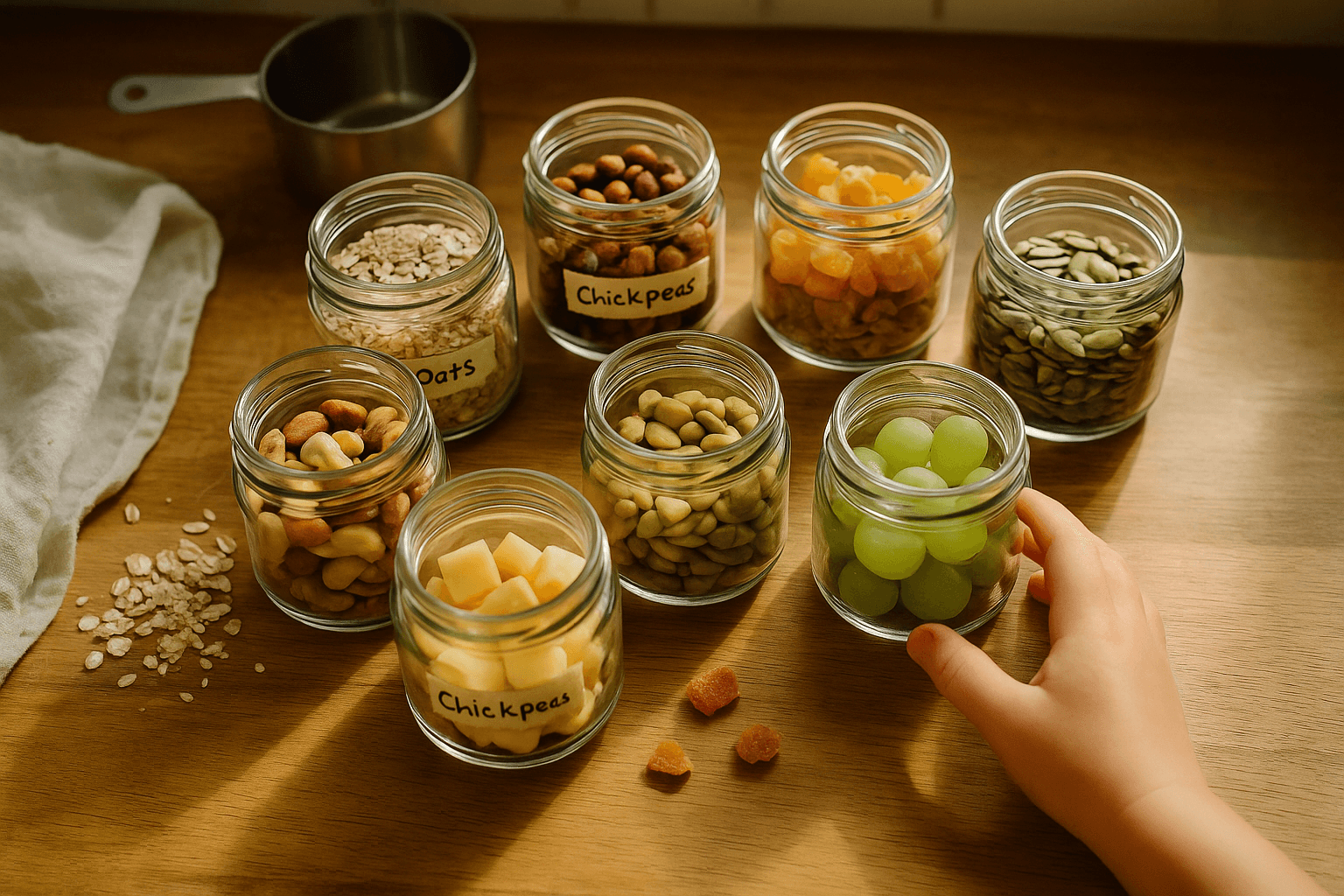
Storage system: Use clear containers with labels. I portion everything into grab-and-go sizes on Sunday, so mornings become an assembly line.
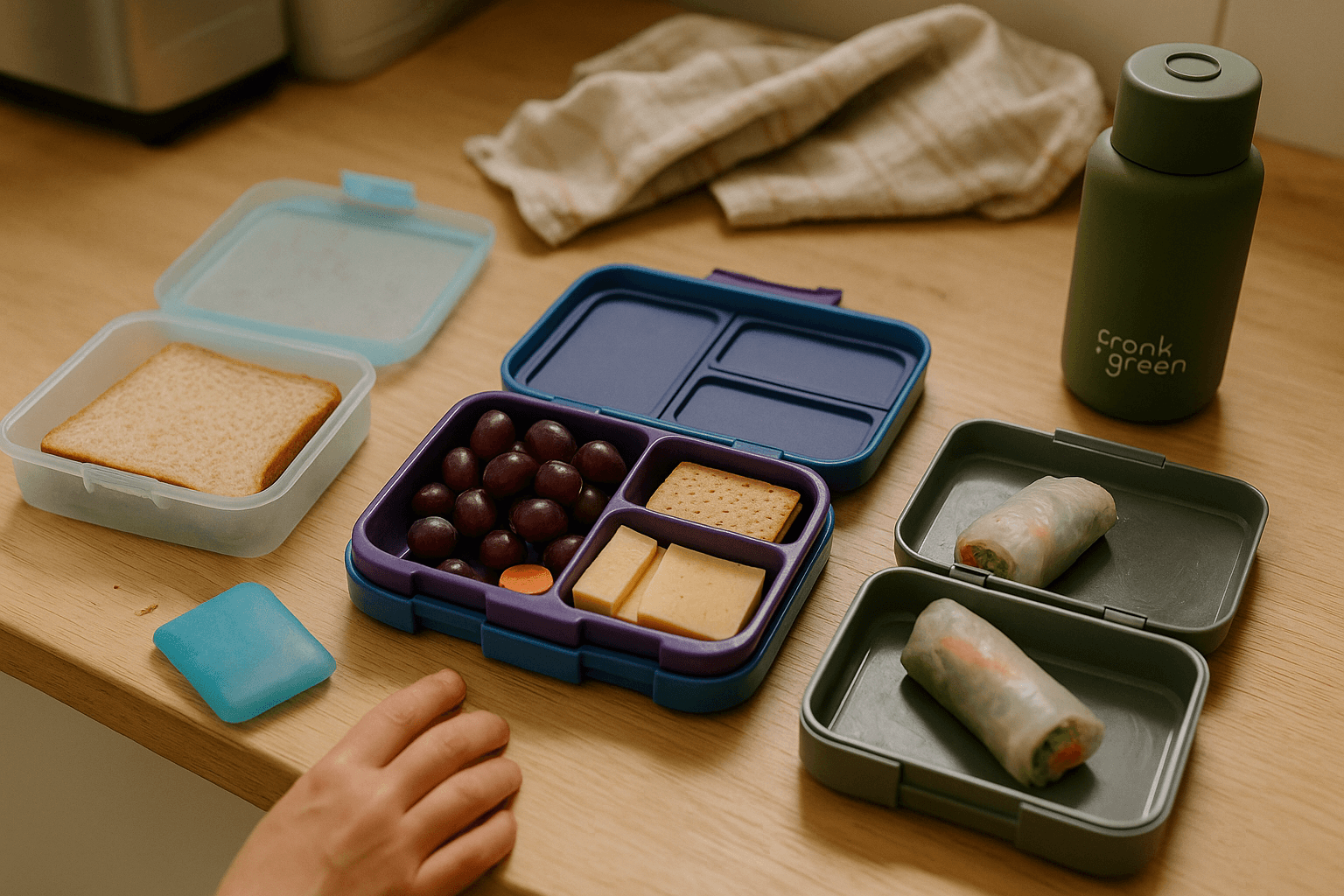
Morning routine: Lay out 5 lunchboxes, fill each compartment station by station. Sandwiches first, then vegetables, then fruit, finally yoghurt or treats. Takes 15 minutes maximum when ingredients are prepped.
Batch cooking techniques: Cook pasta in bulk and store portions in the fridge. Pre-make sandwich fillings like egg salad or chicken salad that improve with time. Portion out yoghurt into small containers to avoid morning measuring.
Freezer strategies: Bread freezes beautifully — take out slices the night before. Cooked chicken portions can be frozen for up to 3 months. Even hard-boiled eggs freeze well (though the texture changes slightly).
Our assembly line packing method breaks this down into even more detail if you want the full system.
Quick Morning Assembly
Lay out 5 lunchboxes
Line them up on the kitchen bench for efficient packing
Add main items first
Sandwiches, wraps, or main protein go in largest compartments
Fill vegetable compartments
Pre-cut vegetables from Sunday prep go straight in
Add fruit and extras
Apple slices, yoghurt, any treats or dips
Final check and seal
Ensure lids are secure and ice packs are frozen
Making budget lunches look and taste great
The biggest parent worry about budget lunches isn't nutrition — it's whether they look "cheap" compared to other kids' lunches.
Presentation tricks that cost nothing:
- Cut sandwiches into triangles or shapes instead of rectangles
- Arrange food in separate compartments rather than throwing everything in together
- Include 3+ colours per lunch (red tomatoes, orange carrots, green cucumber)
- Add one "special" element like a hard-boiled egg or homemade dip
Avoid the beige lunch trap. Brown bread + brown meat + brown crackers screams "budget meal." Add bright vegetables and fruit to create visual appeal.
Creative presentation ideas: Use silicone cupcake liners to separate foods in larger containers. Roll deli meat into roses. Cut cheese with cookie cutters for fun shapes. Thread cherry tomatoes and cheese cubes on toothpicks for mini kebabs.
Temperature variety matters too. Include something cold (yoghurt), room temperature (fruit), and potentially something that can be eaten warm if your child has access to a microwave (pasta salad tastes great both ways).
Get 20 Lunch Ideas on One Page
Print-and-fridge cheat sheet with budget-friendly combos
Texture variety matters. Combine soft (yoghurt), crunchy (carrots), chewy (dried fruit if budget allows) elements. It makes simple ingredients feel more premium.
For visual inspiration, browse our 20 lunch ideas that look premium — all achievable within a tight budget.
Food safety without breaking the bank
Budget lunches still need to be safe lunches. Follow these guidelines to avoid waste and keep costs down.
The 4-hour rule applies. Pack lunches within 2 hours of eating time for maximum safety margin. This is especially important with egg and chicken-based lunches.
Invest in one good ice pack. It's a one-time cost that protects your weekly $30 investment. Frozen water bottles work as backup options.
Separate wet and dry ingredients. Keep yoghurt and dips away from crackers and bread to prevent sogginess. Nobody eats soggy food, which means wasted money.
Temperature monitoring tips: Use an insulated lunch bag even for non-perishable items — it maintains consistent temperatures. Pack frozen items (like yoghurt tubes) that thaw by lunchtime while keeping other foods cool.
Hygiene on a budget: Wash lunch containers thoroughly with hot soapy water rather than buying disposable options. Replace containers when they start retaining odours or showing wear — false economy to keep using damaged containers that might harbour bacteria.
For comprehensive guidance, read our food safety guidelines to protect both your family and your budget.
Addressing picky eaters without budget blowouts
Picky eaters can derail budget plans when kids refuse to eat packed lunches and you end up buying expensive canteen food.
Build around guaranteed wins. If your child definitely eats ham sandwiches, make that your foundation and add variety around the edges.
Keep portions realistic. Better to pack smaller amounts of food they'll actually eat than large portions that come home untouched.
Involve kids in planning. Show them the shopping list and let them choose between carrots or cucumber, apples or bananas. Ownership increases consumption.
Separate components. Pack ingredients separately so kids can assemble their own combinations. Some prefer deconstructed sandwiches they build themselves.
Gradual introduction strategy: Add one new element per week rather than overhauling everything at once. If they're used to white bread, try half wholemeal/half white sandwiches before switching completely.
Backup plans that don't break budgets: Always pack one item you know they'll eat, even if they reject everything else. A banana or piece of cheese ensures they don't go hungry and you don't panic-buy expensive alternatives.
Our comprehensive picky eater strategies guide covers this challenge in much more detail.
Scaling for multiple children
Most families need to pack more than one lunch. Here's how to scale the $30 system efficiently.
Two children: Budget increases to $50-55 weekly, not $60, because you're buying larger quantities of the same ingredients. Bulk buying becomes even more economical.
Three or more children: Consider wholesale shopping for staples like chicken, bread, and cheese. Costco membership pays for itself with a family of 4+ when buying lunch ingredients.
Age-appropriate portions: Prep school children need smaller portions than high schoolers. Scale protein and carbohydrate portions up for older kids while keeping vegetable and fruit portions consistent.
Individual preferences: With multiple kids, buy base ingredients and customise combinations. One child gets ham sandwiches, another gets chicken wraps, but you're using the same core shopping list.
Your weekly shopping template
Stick this list on your fridge and tick off items as you shop. Adjust quantities based on your family size, but the ratios stay consistent.
Budget Allocation Breakdown
Proteins
$15
- Chicken breast, eggs, ham
- Covers 60% of lunch volume
- Provides essential nutrients
Carbohydrates
$6
- Bread, pasta backup
- Energy for active school days
- Wholemeal for added nutrition
Vegetables & Fruit
$9
- Carrots, cucumber, tomatoes
- Apples, bananas
- Colour, crunch and vitamins
Flexibility notes: Swap proteins based on weekly specials. If chicken breast jumps to $8/kg, grab marked-down mince or tuna instead. The $30 total stays consistent even when individual items fluctuate.
Seasonal adjustments: Summer calls for more fresh fruit and vegetables, while winter might see more hearty options like soup in thermoses. Adjust your shopping list seasonally while maintaining the same budget framework.
Emergency backup ingredients: Keep a few shelf-stable items on hand for weeks when fresh ingredients spoil or you miss your shopping window. Canned tuna, crackers, and long-life fruit cups can save the day without breaking your budget.
This system works because it focuses on whole foods with multiple uses rather than single-purpose packaged items. Your $30 buys ingredients for complete meals, not expensive convenience snacks.
For broader budget context, our daily budget breakdown shows exactly how this fits into weekly family food planning.
How useful was this?
Get 20 Lunch Ideas on One Page
Print-and-fridge cheat sheet with budget-friendly combos that use your $30 shopping list
Written by Pat
Dad of two, Melbourne. Half Chinese, raised on incredible food. I make quick school lunches and test every piece of gear before recommending it. No bento art — just real food made with love.