In this article
Packed lunches cost Australian families an average of $4.48 per child per day — that's over $22 per week, or nearly $900 per school year. With smart weekly meal planning, you can cut that cost to under $20 per week while improving nutrition and variety. I've been doing this for 3 years, and it's the difference between stress-packing random items each morning and having a system that actually works.
The Real Cost of Kids' Lunches in Australia
Let's start with the numbers that matter. Recent research shows 90% of Australian school children bring home-packed lunches, but most families are spending more than they need to. The average cost of $4.48 per child per day adds up quickly — especially when you consider that detailed cost analysis of packed vs canteen lunches shows canteen meals averaging $6-8 daily.
$22.40
average weekly cost per child for packed lunches
Health Promotion International, 2024
Based on $4.48 daily average across Australian families
The bigger picture is concerning. Food insecurity affects 16% of Australian families with dependent children, rising to 34% in lone-parent households. Meanwhile, 50% of Victorian parents report that healthy food items are expensive compared to less healthy options. This creates a real challenge: how do you pack nutritious lunches without breaking the budget?
The answer isn't buying cheaper processed foods — it's planning smarter. School canteens charge $30-40 per week per child, while unplanned packed lunches waste money on convenience items and last-minute shopping. Weekly meal planning eliminates both problems.
Why Weekly Meal Planning Beats Day-to-Day Decisions
Most parents pack lunches reactively — opening the fridge each morning and hoping something suitable appears. This approach costs more and creates daily stress. Weekly planning works because it aligns with how Australian supermarkets operate and how busy families actually live.
Supermarket Timing Advantage
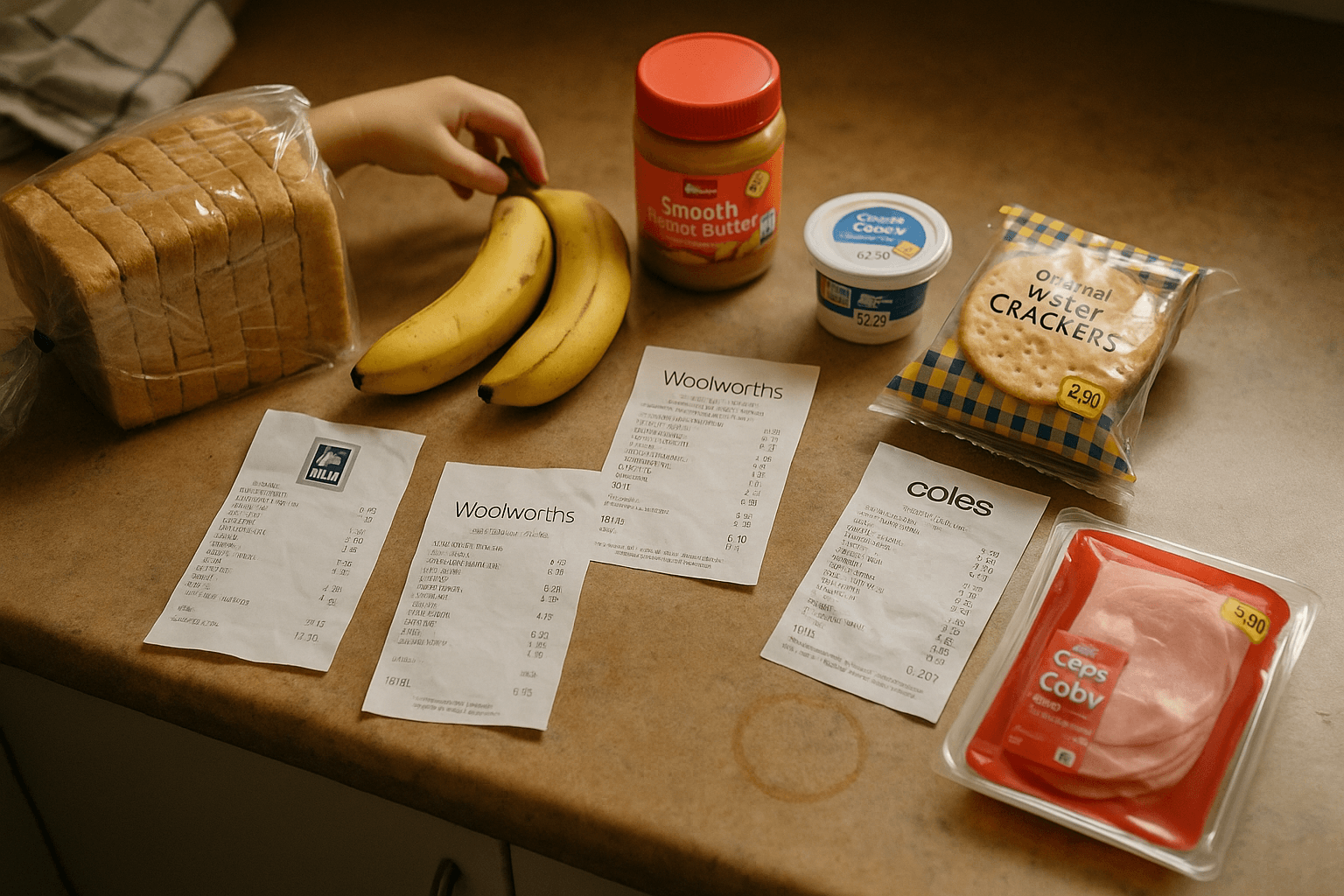
Coles and Woolworths run weekly specials cycles. Ham might be 30% off this week, chicken next week. Planning weekly meals lets you build around these specials instead of paying full price for random ingredients.
The time savings are significant too. Instead of 10 minutes each morning deciding what to pack, you spend 2 hours on Sunday preparing for the entire week. That's 8 minutes saved daily, plus the mental energy of not making repeated decisions when you're already rushing to get kids out the door.
Food waste drops dramatically when you plan intentionally. Instead of buying a whole cucumber and using 3 slices, you plan veggie sticks for Tuesday, cucumber sandwiches Thursday, and leftover cucumber in weekend salads.
Week 1 Meal Plan: 5 Lunches Under $20 Total
This first week focuses on familiar foods that most kids will eat, using ingredients that appear in multiple meals to maximise value.
Week 1 Daily Breakdown
Monday: Ham & Cheese Scrolls
Homemade scrolls + apple slices + yogurt pouch. Cost: $3.80
Tuesday: Tuna & White Bean Patties
Protein patties + carrot sticks + wholegrain crackers. Cost: $3.60
Wednesday: Leftover Chicken Pasta
Tuesday dinner transformed + cucumber + banana bread slice. Cost: $3.40
Thursday: Cheesy Zucchini Slice
Veggie slice squares + grapes + cheese stick. Cost: $3.90
Friday: Rainbow Veggie Pinwheels
Colourful wraps + strawberries + homemade energy balls. Cost: $4.20
[ /ekl_steps]
Total weekly cost: $18.90 per child
The key ingredients — ham, cheese, eggs, canned tuna, seasonal vegetables — appear across multiple meals. You'll buy one block of cheese and use it in scrolls, zucchini slice, and as snacks. The zucchini goes into slice and pinwheels. This overlap is what makes weekly planning economical.
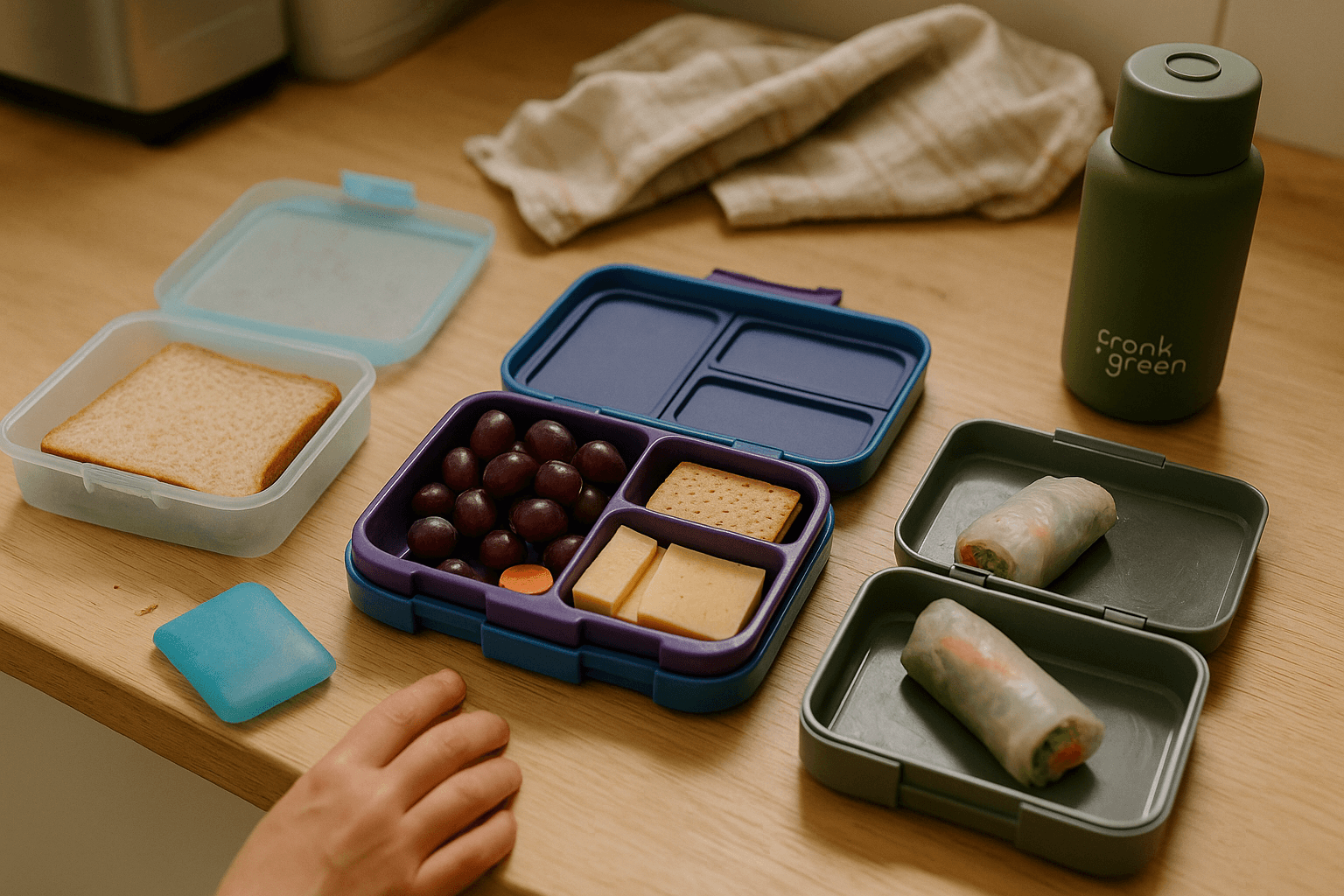
For storage, invest in a quality Sistema Bento Lunch Box for portion control, and a Thermos FUNtainer Food Jar for Wednesday's warm pasta. These tools pay for themselves within 4 weeks through reduced food waste and proper portion sizes.
Week 2 Meal Plan: Mix-and-Match Variety
The second week introduces different proteins and flavours while maintaining the budget. This prevents lunch fatigue — the main reason kids start refusing packed lunches.
Week 2 Assembly Timeline
Mini Chicken & Corn Frittata Cups
Protein-packed + seasonal fruit + wholegrain crackers. $3.70
Vegemite & Cheese Scrolls
Aussie favourite + veggie sticks + yogurt. $3.50
Pumpkin & Chickpea Patties
Plant protein + apple slices + banana bread. $3.30
Aussie Meat Pie Scrolls
Comfort food + cucumber + mixed berries. $4.10
Rainbow Veggie Rice Paper Rolls
Fresh and light + grapes + coconut date balls. $3.80
[ /ekl_timeline]
Total weekly cost: $18.40 per child
Notice the protein rotation: eggs, dairy, legumes, meat, then fresh vegetables. This ensures nutritional variety while keeping costs low. Chickpeas and lentils are significantly cheaper per gram of protein than meat, so including them 1-2 times weekly makes a real difference to your budget.
The affordable lunchbox ideas that look premium approach applies here — presentation matters as much as content for kids' acceptance.
Smart Shopping Strategies for Lunch Ingredients
Successful budget meal planning starts in the supermarket. Australian families can save 30-40% on lunch ingredients by shopping strategically rather than grabbing whatever's convenient.
Track the specials cycles. Coles and Woolworths rotate similar items on different weeks. Eggs, cheese, and ham appear on special roughly every 3-4 weeks. When they do, buy enough for 2-3 weeks and freeze what you can't use immediately.
Buy seasonal produce. Autumn pumpkin costs 40% less than winter imports. Summer stone fruit is cheaper than winter apples. Build your meal plans around what's naturally abundant, not what you think kids "should" eat.
Home-brand products save 30-40% versus name brands for lunch staples like crackers, cheese, canned tuna, and bread. The quality difference is minimal for items that kids eat quickly.
Bulk-buy freezer staples. When mince, chicken thighs, or canned beans are on special, buy enough for 4-6 weeks. Portion into meal-sized amounts and freeze. This lets you cook from specials even weeks later.
The homemade snacks cost comparison shows dramatic savings for items like energy balls, muffins, and slice. Making these in batches costs 60-70% less than buying packaged equivalents.
Batch Prep Sunday: 2 Hours for the Whole Week
The biggest objection to weekly meal planning is time. But 2 hours on Sunday eliminates 50+ minutes of daily morning stress. Here's how to make it realistic for dual-income households.
Hour 1: Cook proteins and bases
- Boil a dozen eggs (for frittata cups, snacks, and backups)
- Cook 500g chicken thigh (for pasta, frittata, and Friday backup)
- Brown 300g mince (for meat pie scrolls)
- Prep vegetable components (grate zucchini, dice onions)
Hour 2: Assemble and portion
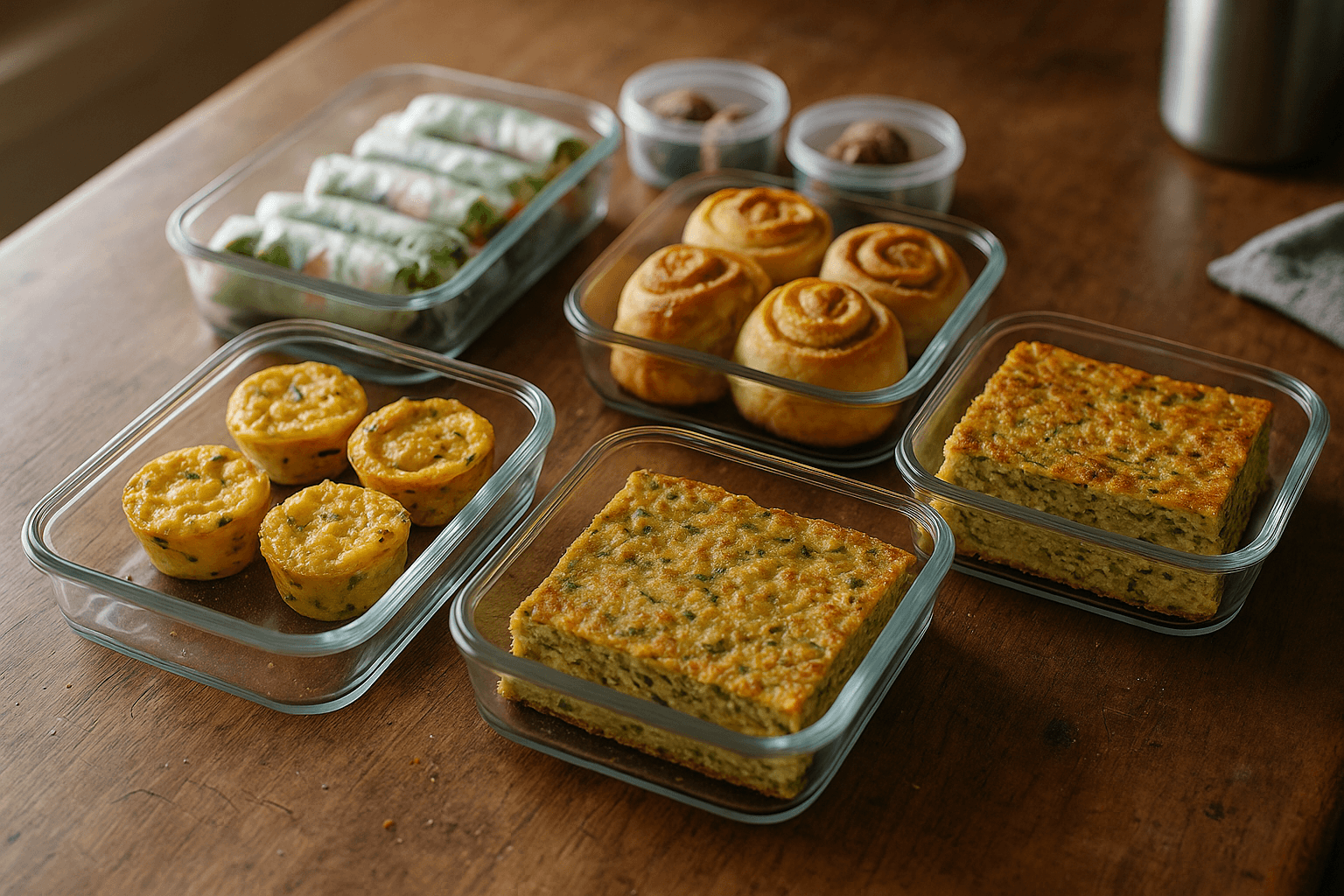
- Bake frittata cups and zucchini slice in same oven
- Make scrolls and pinwheels (these keep well)
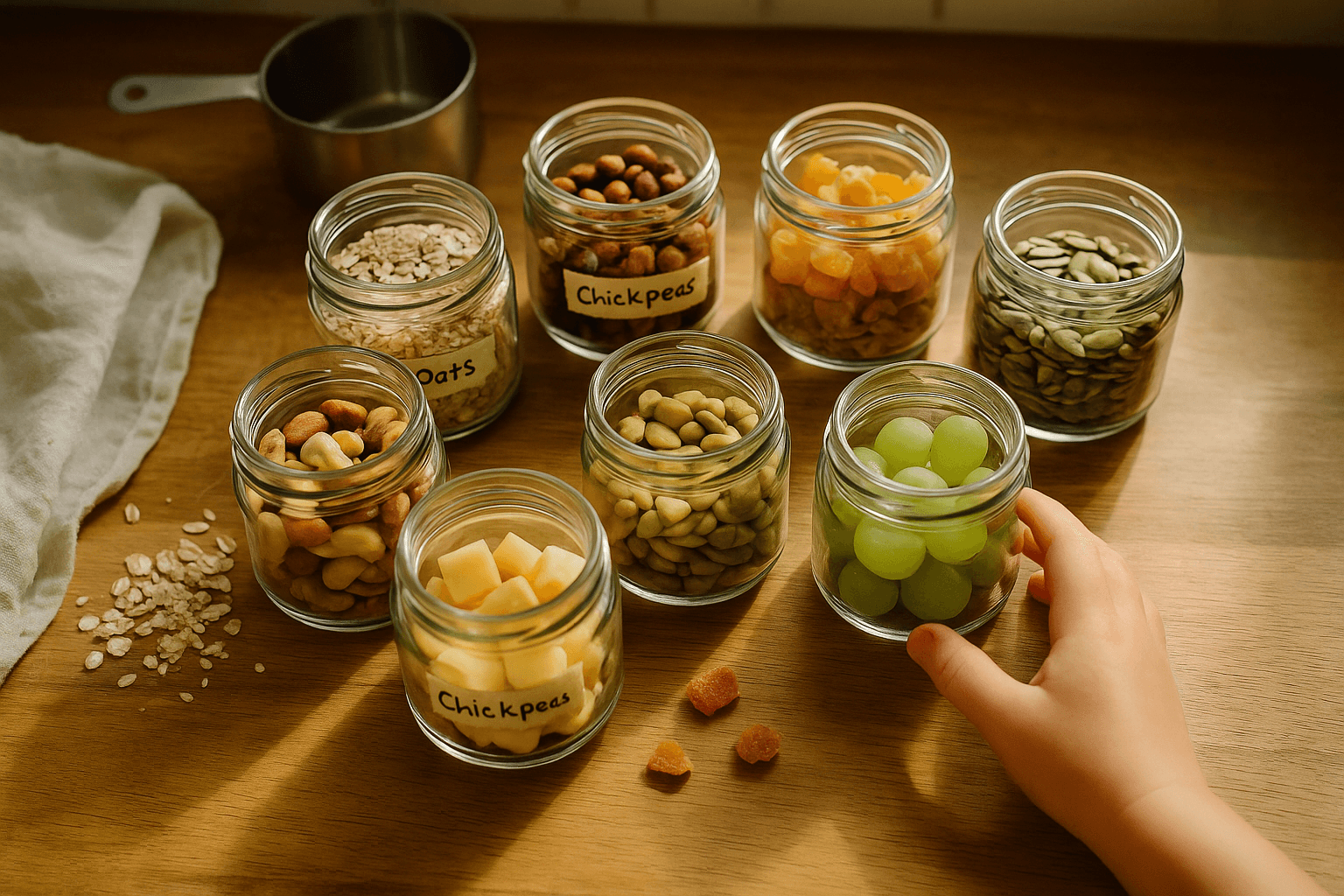
- Portion snacks into small containers
- Wash and cut vegetables for the week
Timing Hack
Do this while Sunday dinner cooks. Use oven space efficiently by baking frittata cups and slice simultaneously. The stovetop handles proteins while the oven works on baked goods.
Storage matters. Glass containers prevent flavour transfer and let you see what's ready. The Bentgo Kids Lunch Box compartments guide portion sizes, while PackIt Freezable Lunch Bags keep everything food-safe without ice packs.
For detailed timing strategies, check out realistic prep Sunday planning which breaks down the process for different family sizes.
Making It Work for Picky Eaters
Picky eating kills even the best meal plans. But the solution isn't cooking separate meals — it's building choice within structure.
Offer choice within your plan. Instead of "you're having tuna patties," try "protein day — tuna patties or leftover chicken?" Kids feel empowered while you maintain control and budget.
Use familiar anchors. Every meal includes one item you know they'll eat — pasta, rice, bread, or cheese. This prevents total lunch rejection while exposing them to new foods gradually.
Hide vegetables in baked goods rather than serving them separately. Zucchini slice and pumpkin patties deliver nutrition without the visual resistance many kids have to "vegetables."
Involve kids in Sunday prep where age-appropriate. A 6-year-old can wash grapes or arrange crackers. A 10-year-old can assemble pinwheels. Participation increases acceptance significantly.
For comprehensive strategies, see fussy eater lunch strategies and sneaky veggie tricks for specific techniques.
Cost Comparison: Packed vs Canteen vs Takeaway
The numbers tell the story clearly. Strategic weekly planning delivers the best value while improving nutrition quality.
Weekly Lunch Costs Per Child
Over a 40-week school year, the savings compound dramatically. A family with 2 children saves $2,000-3,000 annually by planning weekly versus buying canteen lunches. Compared to unplanned packed lunches, the savings are still $600-800 yearly.
The quality improvement matters too. Planned lunches contain less ultra-processed food, more vegetables, and better protein variety. Your feed kids well under $5 daily guide explains the nutritional advantages in detail.
Get Your Free 20-Lunch Cheat Sheet
Print-ready meal ideas with costs & shopping lists
Tools That Make Budget Meal Planning Easier
The right equipment eliminates common planning failures. These one-time purchases pay for themselves within 6-8 weeks through reduced waste and improved efficiency.
Bento-style lunch boxes like the Yumbox Original control portions naturally. Kids can't overpack expensive items or underpack vegetables when compartments guide serving sizes.
Freezable lunch bags extend food safety time and reduce spoilage. The PackIt Freezable Lunch Bag eliminates ice packs while keeping food safe for 10+ hours.
Thermos containers enable hot meals from leftovers — the cheapest lunch strategy available. Tuesday night's pasta becomes Wednesday's hot lunch with zero additional cooking.
Total investment: $80-150 for a complete system. This pays for itself through reduced food waste, eliminated convenience purchases, and the ability to use leftovers effectively.
For specific techniques, check 5-minute bento assembly hacks and assembly line packing strategies.
Troubleshooting: What to Do When Plans Fall Apart
Real life disrupts even the best meal plans. Sunday prep gets skipped, kids reject planned meals, or ingredients spoil. Here's how to recover without blowing your budget.
Keep backup freezer meals. Batch-cooked items like frittata cups, slice squares, and energy balls freeze perfectly. When fresh plans fail, you have 15-minute assembly options ready.
Build an emergency kit. Crackers, cheese, long-life fruit, and nut butter create acceptable lunches when everything else fails. Cost: $2-3 per emergency lunch versus $8+ for canteen backup.
Weekly Planning Recovery Kit
Use the leftover dinner strategy. Transform Tuesday's dinner into Wednesday's lunch with minimal effort. Leftover dinner to lunchbox transformations shows 25 specific examples.
Perfect adherence isn't the goal — consistency is. Following your meal plan 70% of the time still saves significant money versus daily improvisation.
Your Next Steps: Start This Week
Weekly meal planning works because it's systematic, not because it's complicated. Pick one week's plan, shop for it, and try the Sunday prep approach. You'll know within 7 days whether this system fits your family.
This week's action plan:
- Choose Week 1 or Week 2 based on your kids' current preferences
- Create your shopping list using the ingredient overlap strategy
- Block 2 hours this Sunday for batch prep
- Set a daily phone reminder for 5-minute lunch assembly
- Track your actual costs for 4 weeks to measure savings
Start simple. Use the meal plans as written for the first 2 weeks, then adapt based on what your kids actually eat and what ingredients are on special.
The goal isn't perfect execution — it's building a system that saves money, reduces stress, and feeds your kids well. Weekly planning does all three, but only if you actually start.
How useful was this?
Get 20 Budget Lunch Ideas (Free Cheat Sheet)
Print-ready meal plans with costs & shopping lists — perfect for your fridge
Written by Pat
Dad of two, Melbourne. Half Chinese, raised on incredible food. I make quick school lunches and test every piece of gear before recommending it. No bento art — just real food made with love.