In this article
Let's be honest about the vegetable situation in Australian lunchboxes. More than 80% of primary school lunches are nutritionally poor, with fewer than 1 in 10 students eating enough vegetables. Your kids need 2.5 serves of vegetables daily, but most are getting less than one-third of that.
I've spent three years testing vegetable strategies with my own kids (ages 5 and 8) and talking to parents at school pickup. Here's what actually works when you're dealing with nut-free zones, 15-minute eating windows, and Queensland summer heat in school bags.
The 15-Minute Challenge: Vegetables Kids Can Actually Finish at School
School lunch breaks are brutal. Kids get 15-20 minutes to eat, socialise, and pack up. Vegetables that take too long to chew come home uneaten every time.
Quick-eating vegetables that work:
- Cherry tomatoes (halved for ages 4-6, whole for 7+)
- Cucumber rounds, 5mm thick maximum
- Baby carrots, not full-size ones that require grinding
- Sugar snap peas with strings removed
- Capsicum strips, 1cm wide
Avoid these time-wasters:
- Celery sticks (too fibrous, take forever to chew)
- Broccoli florets (kids spend ages picking at them)
- Whole carrots (even baby ones are too much work)
- Raw cauliflower (same chewing issue as broccoli)
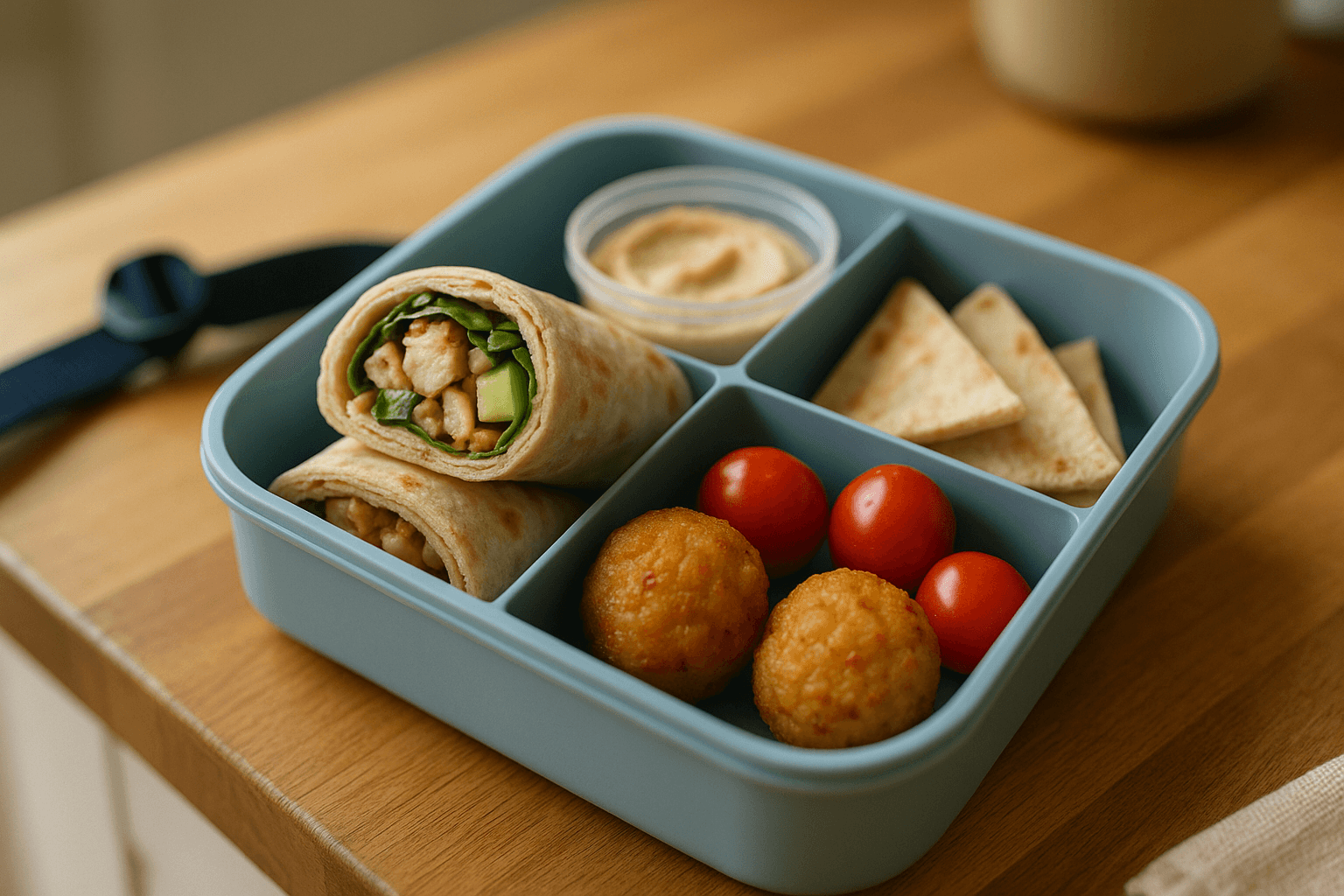
The Yumbox Original is brilliant for this because each compartment is sized for quick eating. Kids can grab a handful of cherry tomatoes without fishing around in a big container.
Dad Hack: The 30-Second Rule
If your child can't finish a vegetable piece in 30 seconds of chewing, it's too big or too tough for school lunch. Test this at home first.
Pre-cutting is everything. Sunday night, I cut a week's worth of cucumber into rounds, halve cherry tomatoes, and portion them into small containers. My 5-year-old can finish 6-8 cucumber rounds in the time it takes her to struggle with two celery sticks.
Temperature-Proof Vegetables for Australian School Bags
Australian school bags hit 35°C+ in summer. Lettuce turns to slime, cucumber goes soggy, and anything delicate becomes inedible mush. You need vegetables that can handle the 4-hour food safety rule without losing their crunch.
Heat survivors (4-6 hours, no refrigeration needed):
- Carrots: baby carrots, matchsticks, rounds
- Capsicum: all colours, strips or chunks
- Snow peas and sugar snap peas
- Cherry tomatoes (surprisingly hardy)
- Radishes (if your kids will eat them)
- Baby beetroot from vacuum packs
Heat casualties (avoid unless you have ice packs):
- Lettuce and spinach (wilt within 2 hours)
- Cucumber (goes soggy and loses crunch)
- Avocado (browns and goes mushy)
- Sprouts (food safety risk in heat)
83%
of vegetables in hot lunchboxes lose their crunch within 3 hours
Food safety testing 2023
without proper temperature control
For heat-sensitive vegetables, Bentgo Reusable Ice Packs fit perfectly in insulated lunch compartments. I freeze two packs overnight and rotate them. One goes in the lunchbox, one stays in the freezer for tomorrow.
Root vegetables are your friends. Carrots, radishes, and beetroot have evolved to survive underground heat. They're the last vegetables standing when everything else has given up.
Hidden Vegetable Lunchbox Winners That Pass the Taste Test
Sometimes you need to be sneaky. These recipes hide vegetables so well that kids focus on the familiar flavours they love.
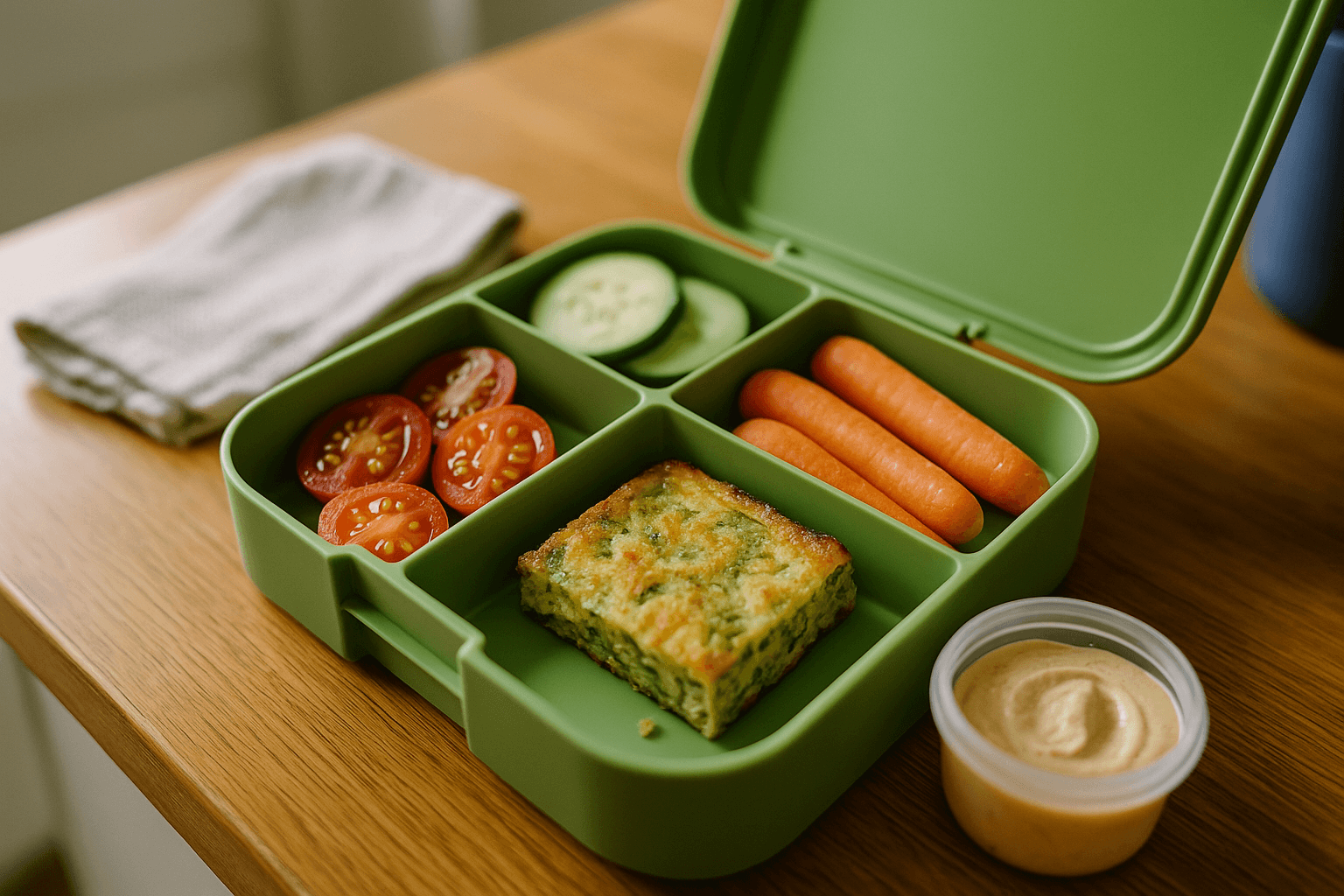
Cheesy Zucchini Slice Squares
Prep (5 min)
Grate 2 medium zucchini, squeeze out excess water with clean tea towel. Beat 4 eggs in large bowl.
Mix (3 min)
Add 1 cup self-raising flour, 1 cup grated cheese, grated zucchini, salt and pepper. Stir until just combined.
Bake (25 min)
Pour into greased slice tin, bake 180°C until golden and set. Cool completely before cutting.
Cut & Store
Cut into 16 squares. Store in fridge up to 4 days, or freeze individual squares for grab-and-go lunches.
Other hidden vegetable winners:
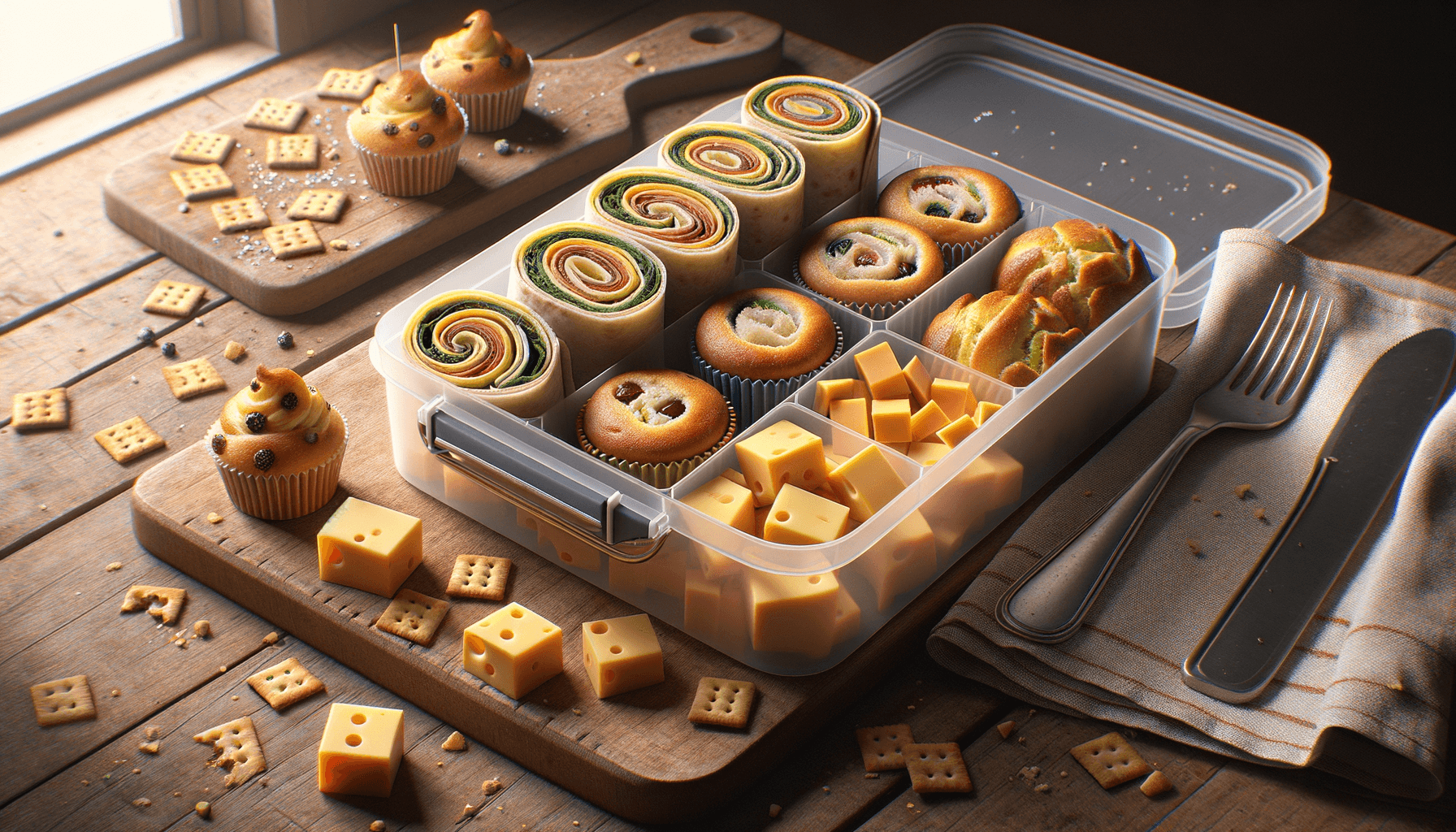
- Rainbow veggie pinwheels: Cream cheese spread with finely grated carrot, cucumber, and capsicum in coloured wraps
- Pumpkin and chickpea patties: Sweet pumpkin flavour masks the "healthy" taste
- Veggie-packed frittata cups: Mini muffin-sized portions with whatever vegetables need using up
The key is familiar formats. Kids recognise "slice" and "muffin" shapes, so they're less suspicious than obvious vegetable pieces.
Grab the 20 Lunchbox Ideas Cheat Sheet
Quick combos including these hidden veggie tricks
Sunday Prep System: 5 Days of Fresh Vegetables from 1 Hour of Work
Dual-income households need a system. Sunday afternoon, one hour of prep sorts your entire week. This is the same approach I cover in my full Sunday meal prep system, but focused purely on vegetables.
Sunday prep timeline (60 minutes):
Sunday Vegetable Prep Hour
Wash & dry everything
All vegetables get washed, dried completely, and sorted by type.
Cut hardy vegetables
Carrots, capsicum, radishes. Cut into age-appropriate sizes, store in airtight containers.
Batch cook hidden veggie items
Start zucchini slice or frittata cups. These need cooling time anyway.
Portion & store
Everything into grab-and-go portions. Label containers with contents and cut date.
Storage that keeps vegetables fresh until Friday:
- Cut vegetables in airtight containers with paper towel to absorb moisture
- Cherry tomatoes stay on the bench (fridge makes them mealy)
- Root vegetables in the crisper drawer
- Cooked items like frittata cups in the fridge, covered
Sistema To Go Dressing Pot 4-Pack is perfect for individual vegetable portions. Each pot holds exactly the right amount for one lunchbox, and kids can open them easily.
Make dips that matter: Hummus, tzatziki, or cream cheese-based dips turn raw vegetables into "chips and dip" – suddenly more appealing. Prep these on Sunday too.
Age-Appropriate Vegetable Cutting Guide (4-12 Years)
Chewing ability varies enormously between a 4-year-old with tiny molars and a 12-year-old with adult-sized teeth. Get the sizing wrong, and vegetables come home untouched.
Vegetable Cutting by Age Group
Ages 4-6
- ·Thin cucumber rounds (3mm)
- ·Quartered cherry tomatoes
- ·Matchstick carrots (finger-width)
- ·Capsicum in small squares
Easy to chew
Fits small mouths
No choking risk
More prep time
Can go soggy faster
Prioritise safety and ease of chewing
Ages 7-9
- ·Capsicum strips (1cm wide)
- ·Snap pea pods, whole
- ·Baby corn pieces
- ·Cucumber rounds (5mm)
Good compromise size
Still manageable
Less prep needed
May still struggle with tough vegetables
Balance between convenience and ability
Ages 10-12
- ·Whole cherry tomatoes
- ·Celery sticks (if they like them)
- ·Broccoli florets
- ·Raw cauliflower pieces
Minimal prep time
Can handle adult-sized pieces
More variety possible
May still reject tough textures
Individual preference matters more than age
Individual trumps age every time. My 5-year-old demolishes whole cherry tomatoes, but my friend's 8-year-old won't touch them unless they're quartered. Start small and work up based on what actually gets eaten.
Texture matters more than size. A perfectly ripe cherry tomato is easier for a young child to eat than a tough piece of capsicum, regardless of size.
Cost-Smart Bulk Vegetable Prep for Budget-Conscious Families
Vegetables shouldn't blow your budget. Australian families already spend an average $4.48 daily lunchbox cost, and vegetables can push that higher if you're not strategic.
Seasonal buying saves serious money:
- Summer: Capsicum, cucumber, tomatoes are cheapest
- Autumn: Pumpkin, sweet potato for hidden veggie recipes
- Winter: Carrots, onions, root vegetables at rock-bottom prices
- Spring: Fresh peas, beans, early summer vegetables
Cost Per Serve: Fresh vs Hidden Veggie Options
Frozen vegetables work brilliantly in baked items. Frozen corn, peas, and grated vegetables cost 60% less than fresh and work perfectly in muffins, slices, and frittatas. No one can tell the difference in the final product.
Growing your own micro-additions: Herbs and microgreens on a windowsill cost $3 to start and provide months of nutrition boosters. Even apartment dwellers can manage this.
Compare per-serve costs honestly. That $4 punnet of cherry tomatoes gives you 8 lunchbox serves at 50c each. Compare that to $1.80 for a packet of "vegetable" chips that's mostly potato starch.
These healthy lunchbox snacks often cost less per serve than packaged alternatives while delivering actual nutrition.
Troubleshooting: When Vegetables Come Home Uneaten
Every parent faces the dreaded "full vegetable container" returning home. Don't give up – there's usually a fixable reason behind the rejection.
Start with tiny portions to avoid overwhelming kids. Success with 3 cherry tomatoes beats failure with 10.
Common problems and fixes:
Problem: Everything comes home untouched
- Fix: Portions too big, or vegetables too challenging. Halve the portion size and make pieces smaller.
Problem: Only certain vegetables get eaten
- Fix: This is actually success! Focus on the winners and gradually introduce new options alongside them.
Problem: Vegetables eaten at home, ignored at school
- Fix: School environment is different. Pack easier-to-eat versions or try the hidden vegetable approach.
Problem: "It was too hard to open the container"
- Fix: Practice at home. If your child can't open it easily, neither can their friends who might help.
Ask kids which vegetables they'd be willing to try next. This gives them control and investment in the outcome. My daughter chose radishes (weird choice, but she ate them).
Track what works. Keep a simple note in your phone: "Cucumber rounds: YES, capsicum strips: NO, cherry tomatoes: ONLY if cut in half." Patterns emerge quickly.
Understanding the psychology behind lunch rejection helps explain why vegetables that work at home fail at school. Different environment, different pressures, different outcomes.
Celebrate small wins. If your child ate 2 pieces of capsicum after months of rejection, that's genuine progress. Build on it rather than immediately pushing for more.
Remember: you're playing a long game. Every positive vegetable experience at school builds their willingness to try more. Every negative experience (too big, too tough, too overwhelming) sets you back. Better to succeed with simple vegetables than fail with ambitious ones.
How useful was this?
Get 20 Quick Veggie-Packed Combos
Including these hidden vegetable tricks in easy grab-and-go combinations
Written by Pat
Dad of two, Melbourne. Half Chinese, raised on incredible food. I make quick school lunches and test every piece of gear before recommending it. No bento art — just real food made with love.
This content is for general information only. Always check ingredients for allergens and consult a health professional for dietary advice. See our Terms & Conditions.