In this article
Right, let's be honest here. Sunday rolls around, you've got good intentions about school lunches, and then Monday morning hits like a freight train. You're scrambling for something that isn't a sad sandwich or expensive pre-packaged snacks.
I've been there. Three kids, two working parents, and the constant guilt about what goes in those lunchboxes. But here's what I've learned: one solid hour on Sunday can sort your entire week. No drama, no morning panic, just grab-and-go lunches that actually work.
90%
of Australian school children bring home-packed lunches, but 44% of their food is unhealthy
Flinders University 2024
That's a lot of missed opportunities for good nutrition
Why Sunday Lunch Prep is a Game-Changer for Australian Families
Let me give you the numbers that'll make you want to start prepping today. Australian parents spend an average of $4 per child per day on school lunches — that's $20 a week, $800 a year per kid. Meanwhile, 61% of us are stressed about finding healthy lunch ideas, and half of us avoid packing certain foods because we're worried they'll spoil in the heat.
Here's the thing: batch preparation isn't just about saving money (though you'll cut lunch costs by 60%). It's about reclaiming your weekday mornings and knowing your kids are getting decent nutrition.
The Australian climate throws us some curveballs other countries don't deal with. We're packing lunches that need to survive 6+ hours in school bags, often in 30°C+ heat. That rules out a lot of foods, but with the right prep approach, you can still create variety that works.
The One-Hour Sunday System
Plan and Check (15 minutes)
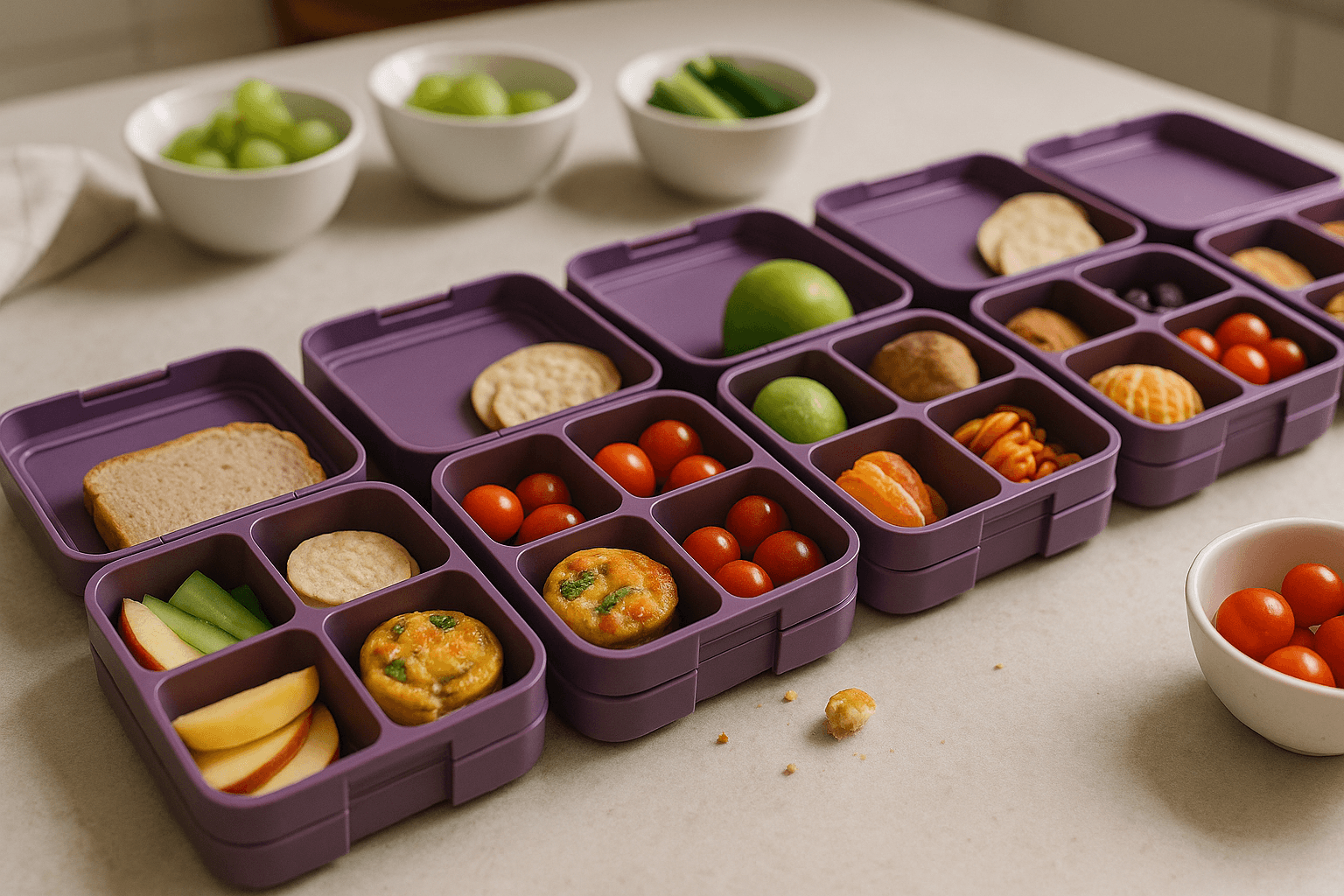
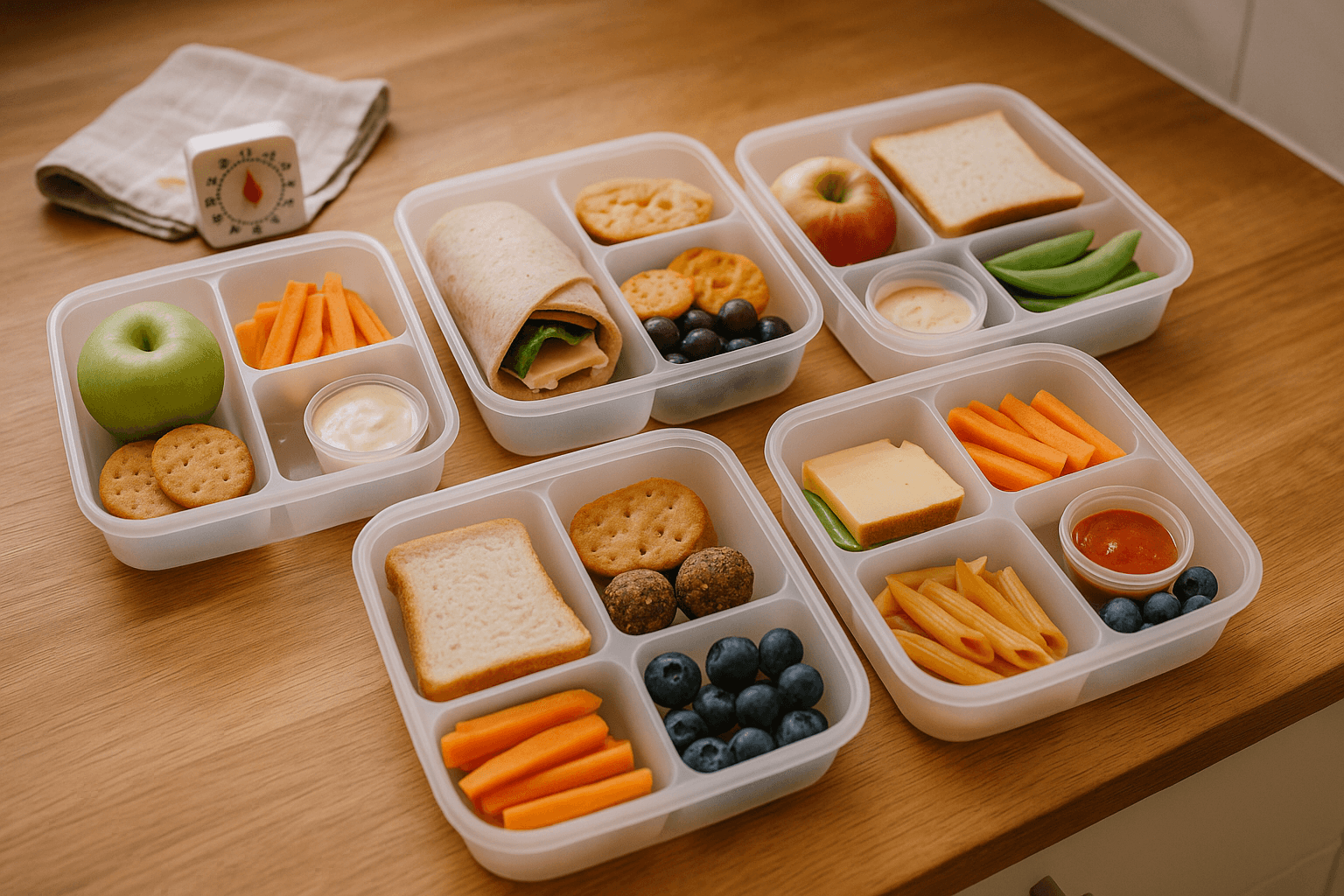
Review what you've got in the fridge, check the week ahead for any special requirements, and decide on your five lunch combinations.
Wash and Prep (20 minutes)
Get all your vegetables washed, chopped, and stored. Portion out snacks into containers. This is the longest block but saves massive time during the week.
Cook Components (15 minutes)
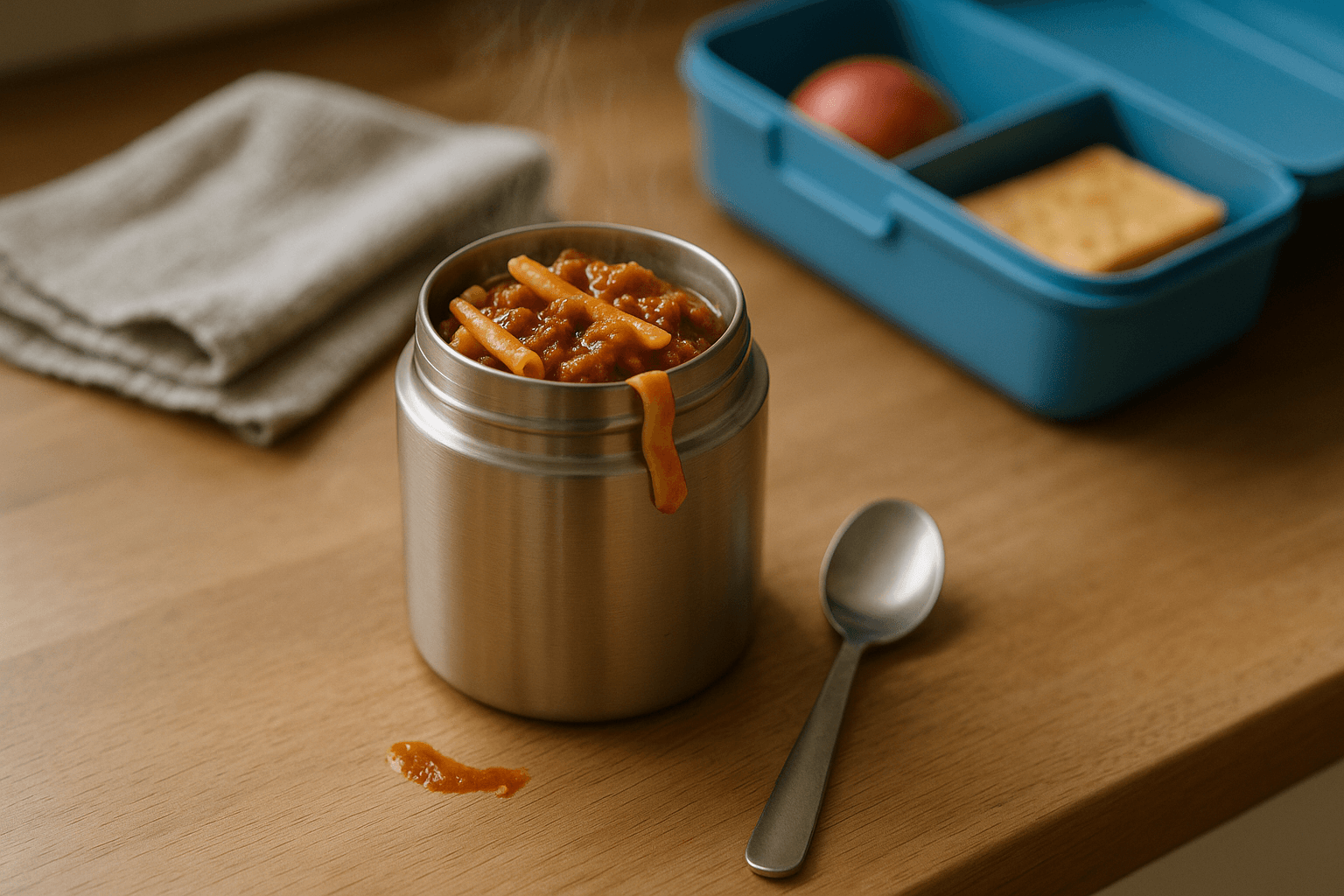
Make your protein elements - frittata cups, patties, or cook chicken. Prepare any hot elements that need cooking time.
Assemble and Store (10 minutes)
Get everything portioned into your containers, ice packs sorted, and everything ready to grab Monday morning.
Essential Prep Containers and Tools for Australian School Lunches
You don't need fancy gear, but the right containers make a massive difference. I've tested plenty over the years, and here's what actually works for Australian conditions.
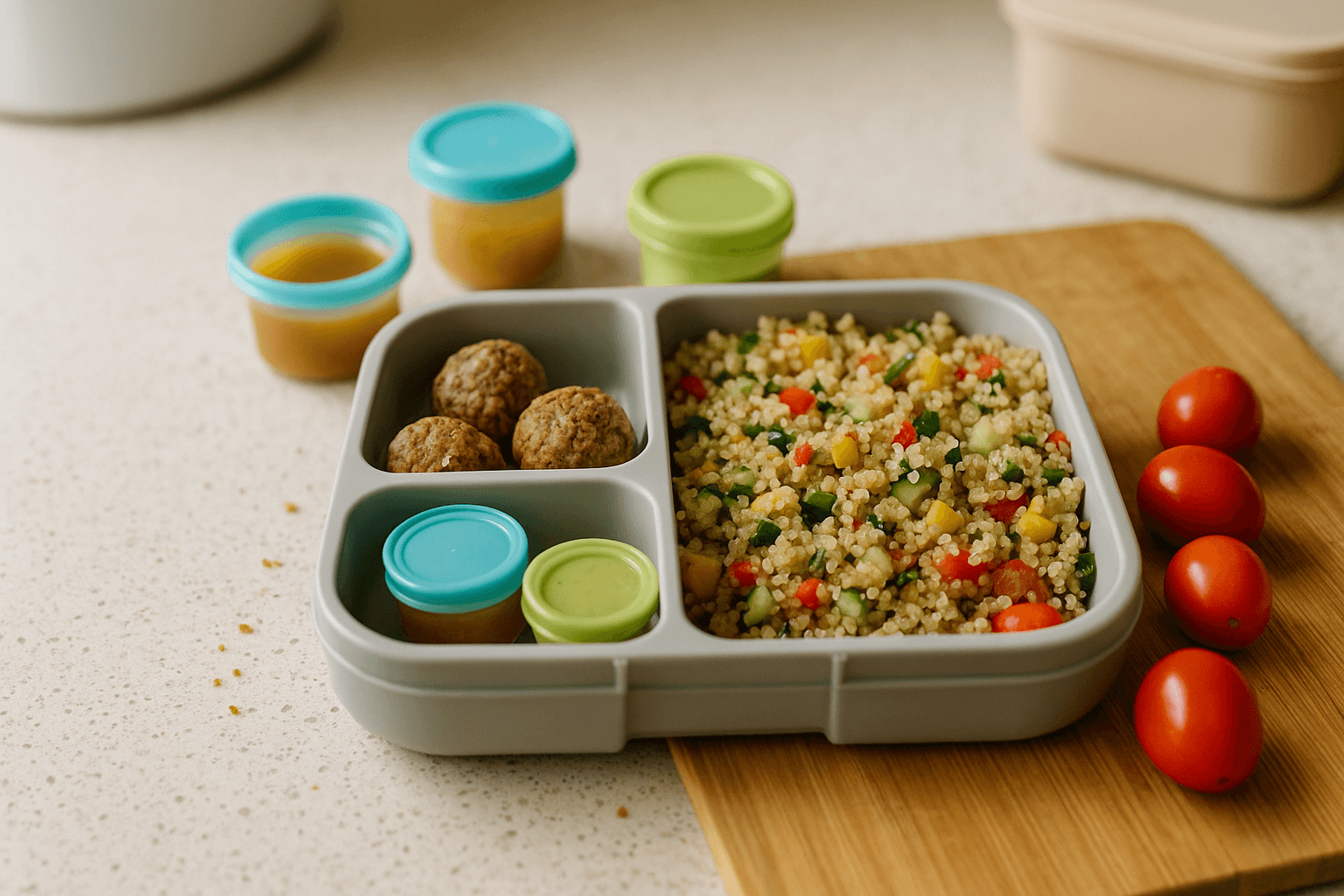
For compartmentalised lunches, the Sistema Bento Lunch Box hits the sweet spot. It's affordable (around $15), fits most school bags, and the compartments keep wet and dry foods separate. The clips are solid enough to survive being thrown around by kids.
Ice packs are non-negotiable in our climate. The Fit & Fresh Cool Coolers Ice Packs come in a 4-pack for about $12. They're thin enough not to take up half the lunchbox but keep things properly cold. I freeze two sets so there's always a backup ready.
For dips, sauces, and wet ingredients, Sistema To Go Dressing Pots are brilliant. Four small containers for $8, leak-proof, and the perfect size for hummus, yoghurt, or homemade dressings.
Dad Hack: The Container Test
Before buying any lunchbox, do the "kid test". Can your child open it easily with one hand while holding their drink? If not, it's going back to the shop. I learned this the hard way when my 6-year-old went hungry because he couldn't get his fancy lunchbox open.
For prep tools, a good mandoline slicer (with safety guard!) speeds up vegetable prep enormously. A decent knife, some glass storage containers for the fridge, and measuring cups for portioning are all you need.
5 Make-Ahead Lunch Components That Last All Week
This is where the magic happens. Instead of making complete lunches, you're making components that can be mixed and matched throughout the week.
Protein Components: Mini frittata cups are your best friend. Whisk 8 eggs with 1/2 cup milk, add 1 cup of corn, 1/2 cup diced ham, and 1/2 cup grated cheese. Pour into muffin tins and bake at 180°C for 15 minutes. Makes 12 cups that keep for 5 days refrigerated. Kids can eat them cold, and they're packed with nutrition.
Cooked chicken breast, sliced into strips, stays fresh for 4 days. Season with lemon pepper or herbs - nothing fancy. Same with homemade patties: mix 500g mince with 1 egg, 1/2 cup breadcrumbs, and seasoning. Make small patties and cook them Sunday afternoon.
Carb Bases: Pasta salad that doesn't go soggy is about the pasta shape and dressing timing. Use penne or fusilli, slightly undercook it, and add the dressing just before packing. Rice paper rolls work well too - prep all your fillings Sunday, then assemble fresh each morning (takes 2 minutes).
The key to week-long freshness? Keep wet and dry ingredients separate until the last possible moment.
Fresh Elements: Pre-cut vegetables lose nutrients quickly, so I prep them Sunday night, not Sunday morning. Carrot sticks, cucumber rounds, cherry tomatoes, and capsicum strips all keep well for 4-5 days in airtight containers with a damp paper towel.
For fruit, berries get portioned immediately (they spoil fast when bruised together), apples get cut Monday morning (they brown too quickly), and bananas go in whole with a note for the teacher if your school has sharing tables.
Snacks and Treats: Energy balls are brilliant because kids think they're getting a treat, but they're actually quite nutritious. Mix 1 cup rolled oats, 1/2 cup peanut butter, 1/3 cup honey, 1/3 cup mini chocolate chips, and 2 mashed bananas. Roll into balls and refrigerate. Makes about 20 balls that keep for a week.
Homemade muesli bars, cheese cubes, and yoghurt tubes (frozen - they thaw by lunch and help keep everything cool) round out your snack options.
For more comprehensive prep strategies, check out our guide to freezer-friendly lunchbox foods that you can batch cook monthly.
Keeping Food Safe in Australian Heat: Storage and Packing Tips
Food safety isn't negotiable when you're dealing with Australian temperatures. The danger zone is between 5°C and 60°C - bacteria multiply rapidly in this range, and food becomes unsafe within 2 hours.
In summer, I pack lunches like they're going camping. Two ice packs minimum: one on the bottom, one on top. The lunchbox goes in the coolest part of the school bag (usually against the back, not the outer pockets), and I remind the kids to keep bags out of direct sunlight.
Some foods are just safer than others in heat. Hard cheeses beat soft ones. Whole fruits beat cut fruits. Anything with mayo or dairy-based dressings is risky unless you're confident about the cooling system.
Foods to Avoid in Extreme Heat
When it's forecast above 35°C, skip anything with cream cheese, mayo-based salads, cut melons, and soft cheeses. Stick to harder foods that can handle temperature fluctuations: wraps, harder cheeses, whole fruits, and nuts.
For detailed strategies on managing lunchboxes in extreme weather, our guide on keeping lunchboxes cool in extreme weather covers everything from ice pack placement to container selection.
Get Your Free Sunday Prep Planner
Printable weekly planner with prep lists, shopping guide, and assembly steps for 5 days of lunches.
Cost-Effective Shopping: Bulk Buying for a Week of Lunches
Here's where Sunday prep really pays off financially. When you know exactly what you're making for the week, you can shop smarter and waste less.
I shop with a template list now: 2kg seasonal fruit (whatever's cheapest), 1kg carrots, 2 cucumbers, 1kg cherry tomatoes, 500g cheese block, dozen eggs, 500g mince or 1kg chicken breast, and whatever's on special for variety.
Buying cheese in blocks and cutting it yourself saves about 40% compared to pre-cut pieces. Same with buying whole chickens and breaking them down, though I understand not everyone has time for that on Sunday.
For our detailed breakdown on costs, check out the real cost comparison of homemade vs store-bought snacks - the numbers might surprise you.
Weekly Lunch Cost Comparison
Seasonal shopping makes a huge difference. Summer stone fruits, winter apples and oranges, spring berries - plan your prep around what's cheap and in season. Your wallet and the kids' taste buds will thank you.
Getting Kids Involved Without Doubling Your Prep Time
Let's be realistic: sometimes "help" from the kids means everything takes twice as long. But there are ways to get them involved that actually speed things up.
Kids aged 4-6 can wash vegetables (with supervision), arrange cut vegetables in containers, and mix ingredients in bowls. Give them their own small jobs that can't really go wrong.
Ages 7-9 can use child-safe knives to cut soft vegetables, portion snacks into containers, and help with simple assembly tasks. This is when you can start teaching them about balanced meals.
Kids 10+ can take responsibility for entire components. My 11-year-old makes all the energy balls now - it's her thing, and she takes pride in getting the recipe right.
The trick is setting up stations. While you're cooking the frittata cups, they can be washing vegetables at the sink. While you're slicing cheese, they can be portioning crackers into containers.
For families wanting more kid involvement, the DIY assembly lunchbox system lets kids build their own lunches from prepped components each morning.
The goal isn't Instagram-perfect lunches. It's nutritious food that your kids will eat, packed efficiently, without morning stress. If it takes you 90 minutes instead of 60 the first few times, that's still better than 15 minutes every morning plus the mental load.
Troubleshooting Common Prep Problems (And What to Do When Life Gets in the Way)
Some Sundays, life happens. The kids are sick, you've got family commitments, or you just can't face an hour of prep. Here's your backup plan.
The 30-minute emergency prep focuses on just three things: wash and cut vegetables, cook one protein component, and portion out dry snacks. Everything else gets simplified - wraps instead of elaborate containers, whole fruits instead of cut ones, and bought items to fill gaps.
Our 30-minute assembly line system breaks down exactly what to prioritise when time is short.
When kids reject your prepped foods, don't throw everything out and start again. Start with one component they do like, and gradually introduce others. My youngest went through a phase where he'd only eat the energy balls and ignored everything else. Fine. At least he was eating something homemade.
For busy weeks, having a few realistic weekly lunch prep plans in your back pocket means you're never starting from scratch.
Food spoilage happens, especially in summer. Keep backup options in the pantry: crackers, nuts (if allowed), dried fruit, and shelf-stable items that can round out a lunch when fresh components don't make it.
Forgotten containers are part of parenting. I keep a backup lunchbox and ice pack in the car for those inevitable "Mum, I left my lunchbox at school" moments.
The bottom line: one hour on Sunday beats 15 minutes of stress every morning. Your future weekday self will thank you, your kids will eat better, and you'll save money. Start with just three components this Sunday and build from there.
It's not about perfection - it's about progress. And progress looks like walking into Monday morning knowing lunch is sorted.
How useful was this?
Get Your Free Sunday Prep Planner
Printable weekly planner: prep lists, shopping guide & assembly steps for 5 days of lunches.
Written by Pat
Dad of two, Melbourne. Half Chinese, raised on incredible food. I make quick school lunches and test every piece of gear before recommending it. No bento art — just real food made with love.