In this article
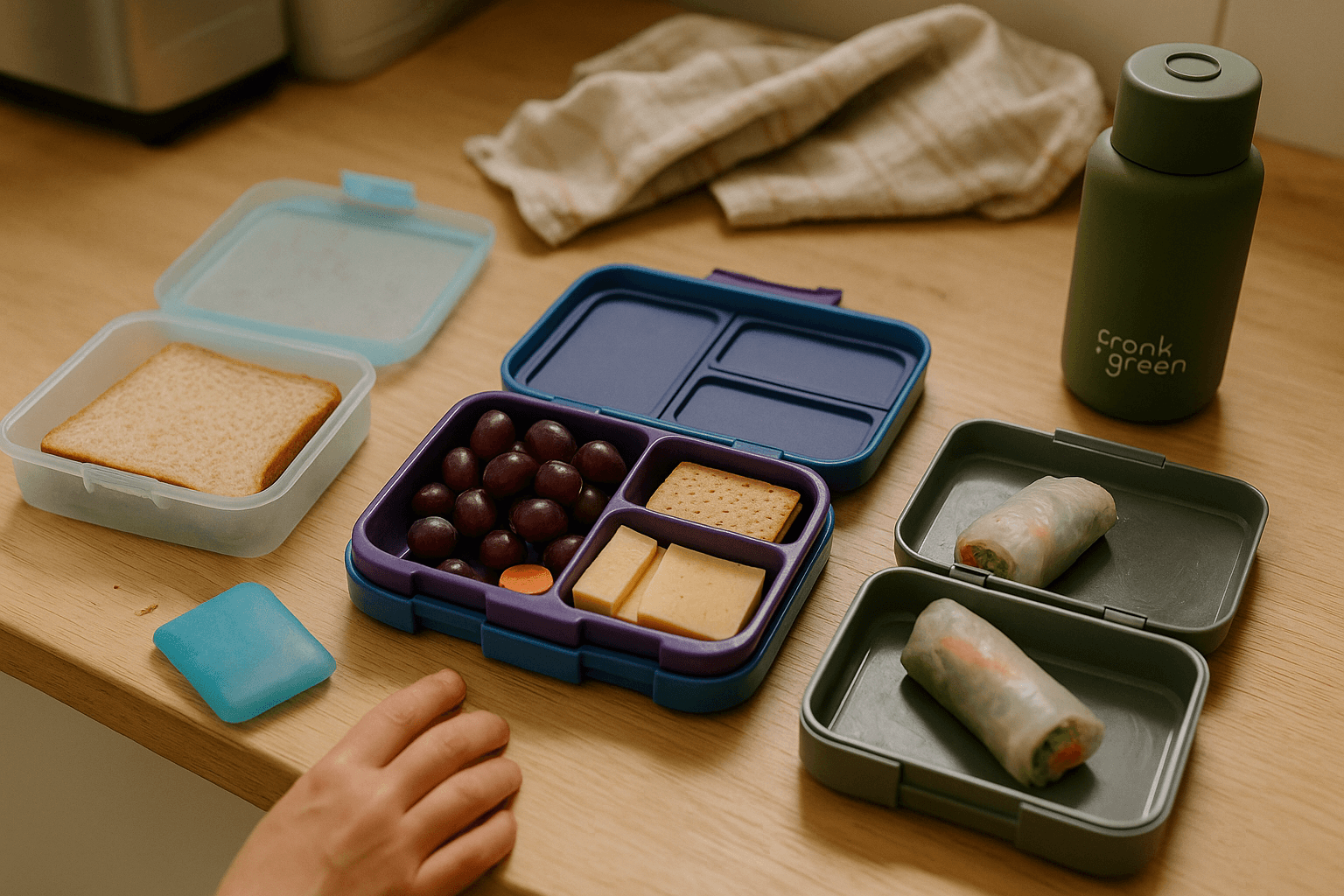
If you're like most Aussie parents, you've probably wondered whether you're spending too much on school lunches. Between rising food costs and the daily grind of packing lunchboxes, it's hard to know if you're getting value for money.
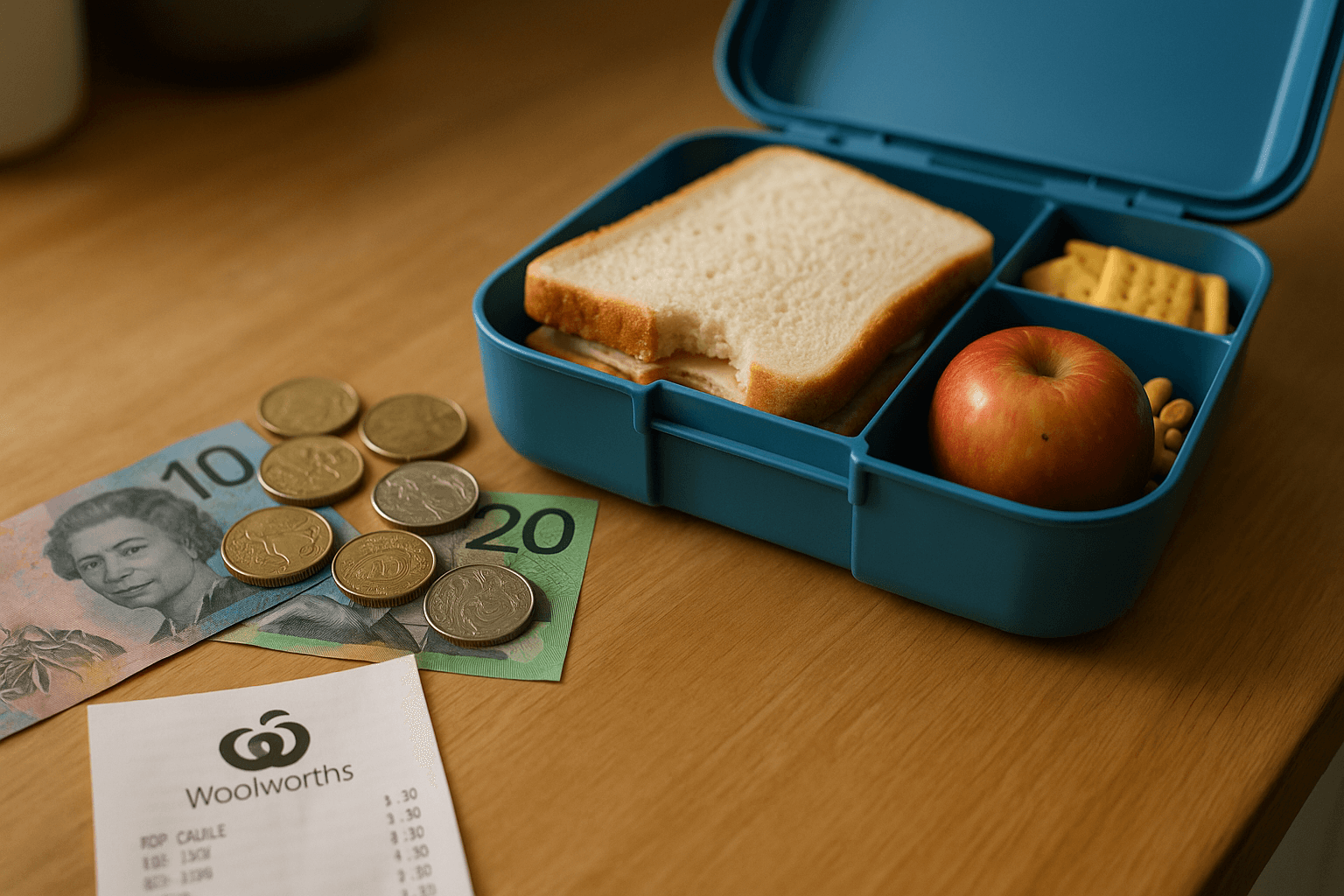
Here's the reality: Australian families spend an average of $25 per child per week on school lunchboxes according to recent Flinders University research. That works out to roughly $4.48 daily per child. But there's more to the story than these headline numbers.
This breakdown will show you exactly where your lunch money goes, how homemade stacks up against canteen options, and practical strategies to feed your kids well without breaking the budget.
What Australian Families Actually Spend on School Lunches
The 2024 Flinders University study reveals some eye-opening facts about Australian school lunch spending. That $25 weekly average per child translates to over $1,000 annually – and that's just for one kid.
90%
of Australian kids bring home-packed lunches vs 10% buying from canteen
Health Promotion International 2024
Most families are already choosing the more economical option
What's driving these costs? Food and beverage prices have jumped more than 20% since 2017, putting real pressure on family budgets. Meanwhile, 44% of food consumed during school hours is classified as unhealthy – suggesting many families are paying premium prices for convenience foods that aren't even doing their kids much good.
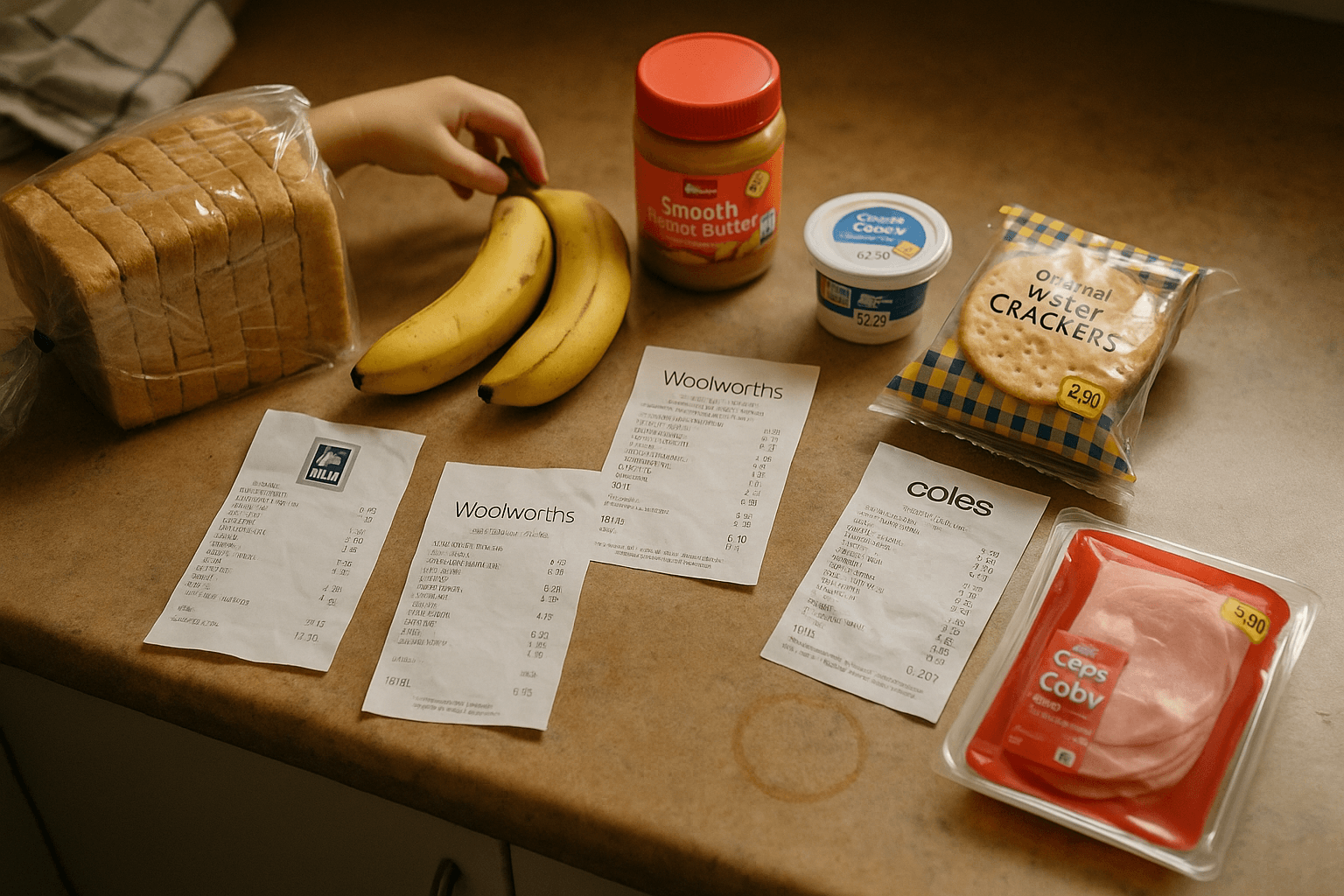
The reality is most of us are winging it when it comes to lunch budgets. We grab what looks good at the shops, throw together what's in the fridge, and hope for the best. But without a clear picture of where the money goes, it's easy to overspend on items that don't add real value.
Daily and Weekly School Lunch Budget Breakdown
Let's get specific about what a realistic school lunch budget looks like for different family situations:
Single child families should budget $25-35 per week. This includes not just food, but containers, ice packs, and the occasional replacement water bottle. The extra $10 buffer accounts for weeks when you need to restock pantry staples or replace gear.
Two-child families need $45-60 weekly. You'll get some economies of scale here – buying larger quantities and sharing ingredients across both lunchboxes.
Three or more kids require $65-85 weekly. At this point, bulk buying becomes essential, and batch cooking isn't just helpful – it's survival.
Weekly School Lunch Budget by Family Size
Here's how that weekly budget typically breaks down:
- Food items: 70% – fruit, sandwiches, snacks, drinks
- Containers and equipment: 20% – lunchboxes, drink bottles, ice packs
- Convenience items: 10% – pre-packaged snacks, emergency backup options
A quality lunchbox like the Sistema Bento ($25-35) might seem expensive upfront, but spread over a school year, it adds just 70 cents per week to your budget while keeping food fresh and organised.
Homemade vs Canteen: Real Cost Comparison
The numbers here are stark. Victorian canteens charge an average of $8.93 per meal – the highest in Australia alongside the ACT. Compare that to the $4.48 daily cost of a home-packed lunch, and you're looking at nearly double the expense.
Annual School Lunch Costs per Child
Canteen Lunches
$1,607/year
- ·Hot food options
- ·No prep time
- ·Variety of choices
Zero preparation time
Kids often excited about canteen days
Hot meals available
Limited nutritional control
Much higher cost
Often processed foods
Convenient but expensive long-term option
Home-packed Lunches
$806/year
- ·Full nutritional control
- ·Custom portions
- ·Dietary requirements met
Half the cost of canteen
Complete ingredient control
Teaches kids about nutrition
Daily preparation time
Planning required
Equipment investment needed
Most economical choice with better nutrition outcomes
That annual difference of $801 per child adds up fast. For a family with two kids, choosing homemade over canteen saves $1,602 yearly – enough for a decent family holiday.
But it's not just about money. Canteen meals often rely heavily on processed foods, while home-packed lunches give you complete control over ingredients, portions, and nutrition quality.
Hidden Costs: Time, Labour and Equipment
The biggest hidden cost in school lunch preparation isn't financial – it's your time. Most parents spend 15-20 minutes daily on lunch prep, including shopping, preparation, and cleanup. That's 5-6.5 hours weekly.
For busy families, this time cost is real. If you value your time at $25 per hour (roughly minimum wage), that's $125-162 worth of labour weekly. Suddenly, those canteen prices don't look quite so outrageous.
Time-Saving Reality Check
The key isn't eliminating prep time – it's making it more efficient. Our [batch preparation strategies](https://www.easykidslunches.com/school-lunch-prep-sunday-one-hour-five-days-sorted) can cut daily prep from 20 minutes to 5 minutes.
Equipment costs also add up:
- Quality lunchbox: $15-50 (like the Yumbox Original at $45)
- Drink bottles: $10-25 each
- Ice packs and containers: $20-40 total
- Thermos for hot foods: $25-40 (the Thermos FUNtainer 290ml is $32)
The convenience premium hits hard too. Pre-packaged items cost 40-60% more than homemade alternatives. A packet of crackers costs $4-5, while homemade Banana Oat Energy Balls work out to about $1.20 for the same serving size.
One area where this becomes particularly challenging is reducing lunchbox stress – the mental load of daily decision-making and preparation that 61% of parents report finding overwhelming.
How Food Insecurity Impacts School Lunch Budgets
Here's a harsh reality: families who can least afford it often pay the most for school lunches. The Australian Bureau of Statistics found that 34% of single-parent households with dependent children experience food insecurity.
When you're struggling financially, bulk buying becomes impossible. You can't afford the $50 upfront cost for a week's worth of ingredients, even though it would save money long-term. Instead, you're forced into daily shopping, buying smaller quantities at higher per-unit prices.
Storage limitations make this worse. If your freezer space is limited, you can't take advantage of bulk meat specials or batch-cook meals like Tuna and White Bean Patties in advance.
Lower-income families often get trapped in a cycle where convenience foods – despite being more expensive per serving – become the only practical option due to time and storage constraints.
This creates a nutrition penalty too. When you're buying day-to-day, fresh produce becomes expensive and risky (what if it goes off?). Processed, shelf-stable options feel safer but deliver less nutritional value per dollar spent.
Budget Strategies for Different Family Types
Different family situations need different approaches to school lunch budgeting:
Single Parent Households Time is your scarcest resource. Focus on freezer-friendly options that can be prepared in bulk on weekends. Mini Chicken and Corn Frittata Cups freeze beautifully and can be grabbed straight from freezer to lunchbox.
Invest in a good thermos like the Thermos FUNtainer Food Jar 290ml ($32) so leftovers can become hot lunches. This transforms your dinner cooking into two meals for the effort of one.
Dual-Income Families You might have more money than time. Strategic convenience purchases make sense here – pre-cut vegetables, quality pre-made items, or meal kit components that save prep time without completely blowing the budget.
The key is identifying which convenience items offer genuine time savings versus those that are just expensive packaging. Pre-washed salad leaves? Worth it. Individual snack packs? Usually not.
Large Families (3+ kids) Economies of scale become your best friend. Bulk ingredient preparation works brilliantly – make one large batch of leftover transformation ideas and divide across multiple lunchboxes.
Invest in larger equipment like the Bentgo Kids Lunch Box ($35) that can handle bigger portions and multiple food types efficiently.
Weekly Lunch Prep Schedule for Large Families
Bulk Prep Day
Cook proteins, chop vegetables, portion snacks
Mid-week Check
Assess what needs restocking, prep 2-3 more days
Planning Session
15 minutes planning next week's menu and shopping list
Regional Cost Variations Across Australia
School lunch costs vary significantly depending on where you live. Victoria and the ACT lead the pack with average canteen costs of $8.93, while rural areas often see lower canteen prices but higher fresh produce costs.
Urban families generally have better access to discount supermarkets and bulk stores, making ingredient costs lower. However, they're also more likely to face time pressures that push them toward convenience options.
Rural families face the opposite challenge – more time for preparation but higher ingredient costs and limited shopping options. Fresh fruit and vegetables can cost 20-30% more than city prices, making it harder to maintain variety in lunchboxes.
State school policies also affect costs. Some states have stricter nutritional guidelines for canteens, which can push prices higher but improve food quality. Others allow more flexibility, keeping costs down but potentially compromising nutrition.
Practical Cost-Cutting Without Compromising Nutrition
The smartest cost-cutting strategies focus on maximising nutrition per dollar spent, not just minimising total cost.
Seasonal Produce Planning Building your lunch menus around seasonal produce can reduce costs by 20-30%. Apples in autumn, stone fruit in summer, citrus in winter – work with nature's pricing cycle rather than against it.
Weekly Cost-Cutting Routine
Check Specials
Scan Woolies and Coles catalogues for protein and produce specials
Plan Around Sales
Build 3-4 lunch options using discounted ingredients
Batch and Freeze
Prepare double quantities of specials and freeze portions
Transform Leftovers
Plan dinner leftovers that work as next day's lunch components
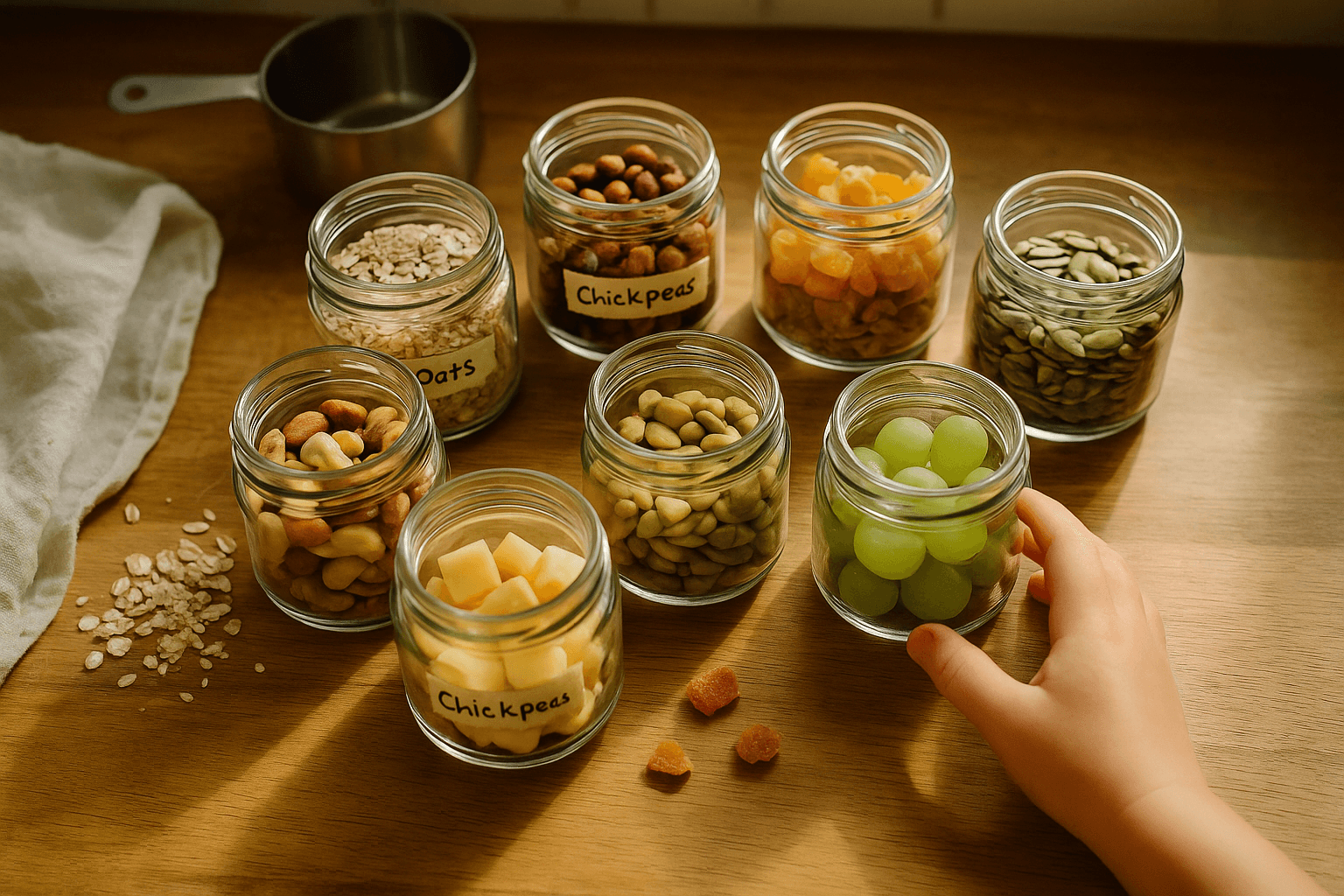
Strategic Batch Cooking Doubling recipes and freezing portions eliminates the premium you pay for convenience. Coconut Date Bliss Balls cost about 60 cents per serve homemade versus $2.50 for similar store-bought options.
The key is choosing recipes that freeze well and that your kids actually enjoy. No point batch-cooking something that ends up in the bin.
Dinner-to-Lunch Transformations This is where the real savings happen. Cook once, eat twice. Sunday's roast chicken becomes Monday's chicken salad wraps. Tuesday's bolognese becomes Wednesday's thermos lunch.
For comprehensive strategies on this approach, check out our guide to budget-friendly lunch strategies that shows exactly how to feed kids well under $5 daily.
Get Our $50/Week Lunch Plan
Complete 5-day meal plan with Coles & Woolies shopping list
Smart Snack Strategy This is where many families blow their budgets without realising it. Individual snack packs seem convenient but cost 3-4 times more than bulk equivalents. Understanding the real homemade vs store-bought snack costs helps you make informed choices about where convenience is worth the premium.
The goal isn't to eliminate all convenience items – it's to use them strategically where they provide genuine value.
Common School Lunch Budget Questions
The bottom line on school lunch costs: most Australian families are spending about the right amount at $25 weekly per child, but many could get better value through smarter planning and preparation. The key is finding the balance between cost, nutrition, and convenience that works for your family's specific situation.
Remember, the cheapest option isn't always the most economical if it creates stress, wastes food, or fails to nourish your kids properly. Focus on systems that are sustainable long-term rather than unsustainable short-term savings.
For specific meal ideas that won't break the budget, explore our collection of affordable lunch ideas that prove nutritious doesn't have to mean expensive.
How useful was this?
Get Our Complete $50/Week Lunch Plan
5-day meal plan with exact Coles & Woolies shopping list - feed your kids well within budget
Written by Pat
Dad of two, Melbourne. Half Chinese, raised on incredible food. I make quick school lunches and test every piece of gear before recommending it. No bento art — just real food made with love.