In this article
Let's cut through the bullshit. Every parent I know has stood in the supermarket aisle doing mental gymnastics: "Is this $4 packet of muffins really worth it, or should I just make them myself?"
I've been tracking the real costs for the past six months, timing everything from shopping trips to batch cooking sessions. The numbers will surprise you — and more importantly, I've found the sweet spot where homemade actually makes sense for time-poor families.
The Shocking Reality: Australian Lunchbox Stats
Before we dive into dollars and cents, let's acknowledge what we're dealing with. The University of Wollongong found that 90% of Aussie kids bring packed lunches to school, but here's the kicker — 44% of what they're eating during school hours is unhealthy processed rubbish.
80%
of Australian primary school lunches are nutritionally poor
Flinders University 2022
Fewer than 1 in 10 students eat enough vegetables
It gets worse. We're spending an average of 54 minutes per week on lunch prep, and 43% of us are experiencing proper lunchbox fatigue. No wonder the convenience aisle looks so bloody appealing at 8:30pm on a Sunday night.
But here's what the research doesn't tell you: most of that prep time is wasted on inefficient daily packing rather than smart batch cooking strategies.
The Real Numbers: Cost Breakdown of Popular Lunchbox Snacks
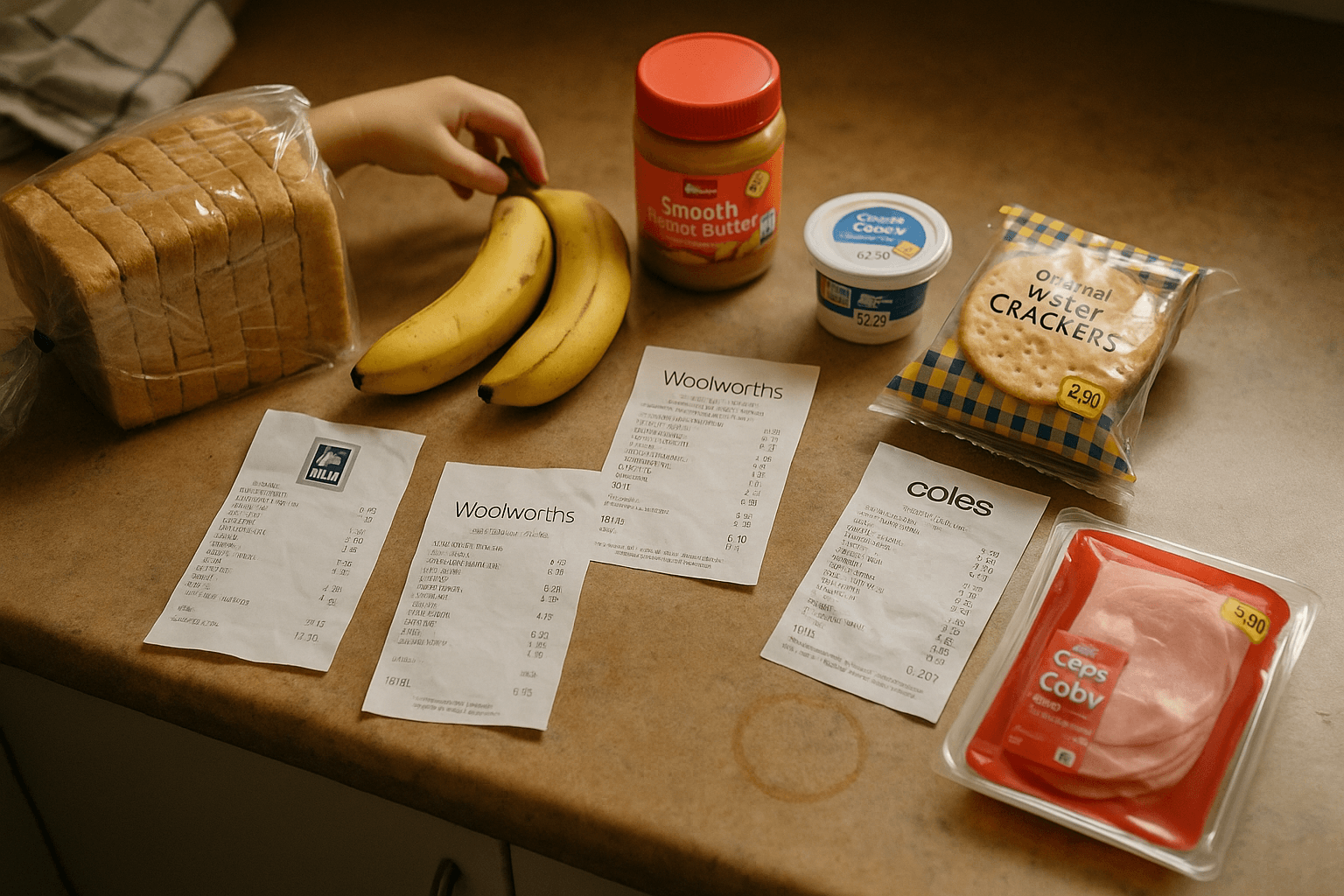
I spent three months tracking every cent, comparing identical portions of homemade versus store-bought snacks. These aren't theoretical calculations — this is real money from real shopping trips at Coles and Woolies.
Homemade vs Store-Bought Cost Analysis
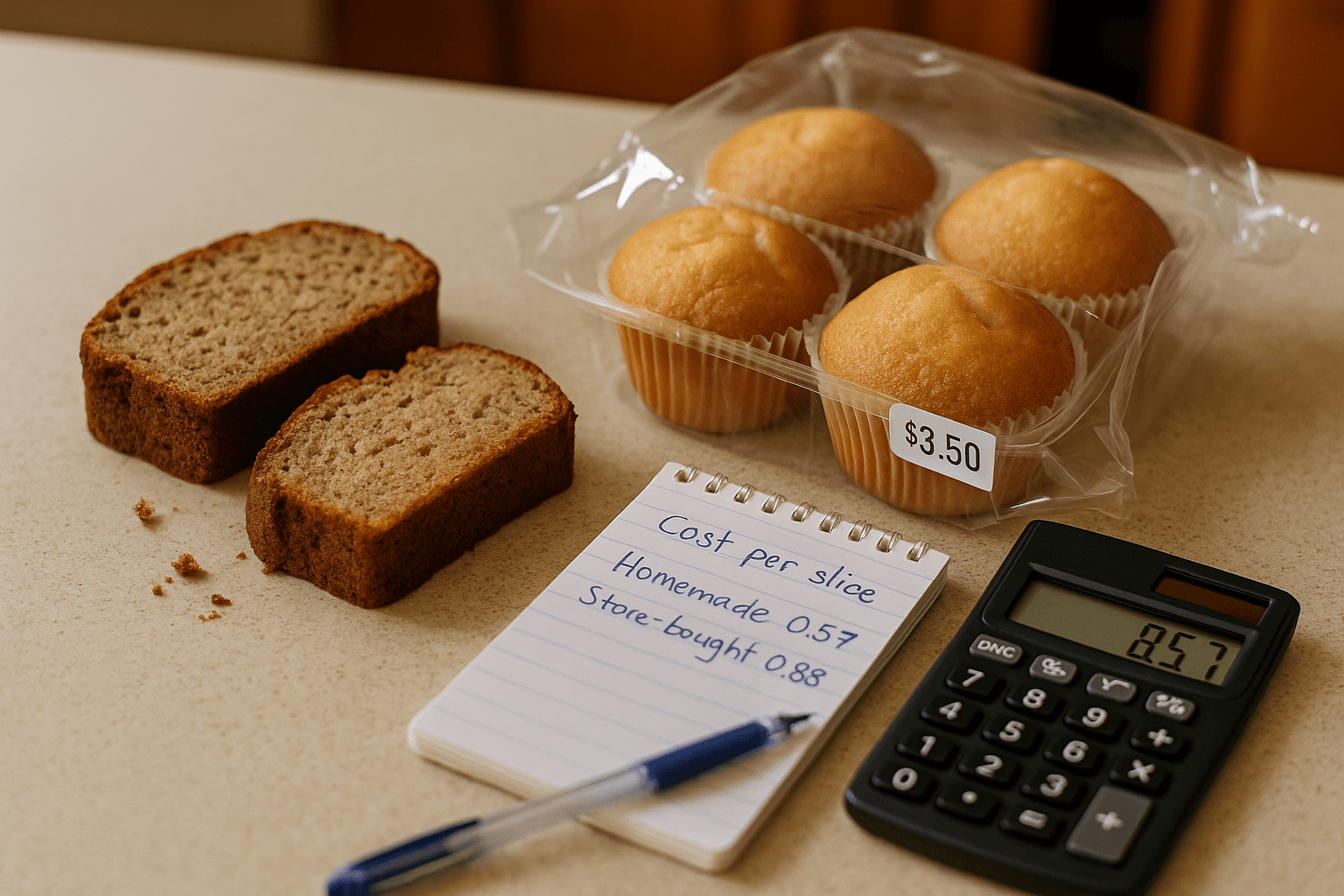
Banana Bread (per slice)
Store: $1.30 | Home: $0.57
- ·56% savings
- ·5-day fresh
- ·No preservatives
Kids prefer homemade taste
Control sugar content
Freezes well for batch prep
45 minutes baking time
Weekend prep required
Clear winner for weekly batch cooking
Pre-portioned Crackers
Store: $0.75 | Bulk: $0.39
- ·48% savings
- ·Same brand quality
- ·Reusable containers
Zero prep time difference
Less packaging waste
Portion control flexibility
Requires storage containers
Weekend portioning session
Easy win with minimal effort
Fruit Pouches
Store: $1.20 | Fresh: $0.45
- ·62% savings
- ·Better nutrition
- ·No added sugars
Kids get whole fruit experience
Teaching opportunity
Zero processing
Daily prep required
Shorter shelf life
Depends on morning routine capacity
The annual savings are significant. For a family with two school-aged kids, switching just these three snacks to homemade saves $847 per year. That's a family holiday, not pocket change.
But there's a hidden cost everyone ignores: the convenience packaging premium. Those individual packets aren't just about the food — you're paying for portion control, freshness sealing, and grab-and-go convenience. Sometimes that's worth it.
Time Investment: The Hidden Cost of Homemade
Here's where it gets interesting. I timed everything: shopping trips, prep sessions, even the daily packing routine. The results challenge the "homemade takes forever" assumption.
Weekly Time Investment Comparison
The surprising truth: homemade saves time on busy mornings. When everything's pre-portioned and ready to grab, you're in and out of the kitchen faster than fumbling with packet openings and transfer containers.
But let's be honest about the economics. If you're earning $40/hour and spending an extra 35 minutes weekly on homemade prep, that's $23 of your time. The question becomes: are you saving more than $23 in food costs? Usually, yes — but it's worth calculating for your situation.
Get My $50/Week Lunch System
Complete shopping lists and prep schedules that cut costs without the chaos
Equipment That Pays for Itself: Smart Kitchen Investments
I'm not about to recommend a bunch of gadgets you'll use twice. These are the tools that genuinely speed up batch cooking and pay for themselves within months.
ROI Kitchen Equipment Priority List
Food Processor ($89)
Pays for itself in 6 weeks. Turns 45-minute muffin prep into 15 minutes. Essential for energy balls, slice bases, and veggie grating.
Glass Meal Prep Containers ($45)
Replaces hundreds of plastic bags annually. Portion control becomes automatic. Microwave and dishwasher safe for easy reheating.
Digital Kitchen Scale ($25)
Accurate portioning prevents waste. Calculate exact cost-per-serve. Essential for consistent batch cooking results.
Silicone Muffin Moulds ($15)
Perfect portions every time. Non-stick means less oil needed. Freezer to oven flexibility for busy weeks.
The Sistema To Go Dressing Pot 4-Pack deserves special mention. At $12, these little containers have saved me hundreds on pre-portioned dips and sauces. Kids get the same "special packet" experience, but with homemade hummus at 60% less cost.
Dad's Weekend Batch Cooking Strategy (Kids as Sous Chefs)
Sunday 2pm to 4pm is sacred time in our house. Two hours of organised chaos that sets up the entire week. The kids have specific jobs, I handle the technical stuff, and we knock out five days of snacks in one session.
Sunday Batch Cooking Session
Prep and Planning
Kids wash fruit, I prep baking trays. Quick inventory check of containers and ingredients.
Wet Ingredients
Kids crack eggs, measure liquids. I handle hot elements and sharp knives. Music on, mess expected.
Assembly Line
Energy balls rolling, muffins in oven, veggie sticks chopped. Everyone has a station.
Portioning
Cool, portion, and pack everything. Kids label containers with day stickers.
Clean Up
Everyone cleans their station. Dishwasher loaded, benches wiped, ready for the week.
The secret weapon? Bentgo Reusable Ice Packs (4-pack). Pre-made snacks need proper temperature control, and these slim packs fit perfectly in lunch boxes without taking up precious food space.
My go-to recipes for this session: energy balls (15 minutes), mini frittatas (30 minutes), and veggie slice squares (45 minutes). Everything freezes well, portions perfectly, and the kids actually eat them. Check out my full Sunday meal prep system for detailed recipes and timing.
Teaching Kids Independence: Building Self-Sufficient Lunch Packers
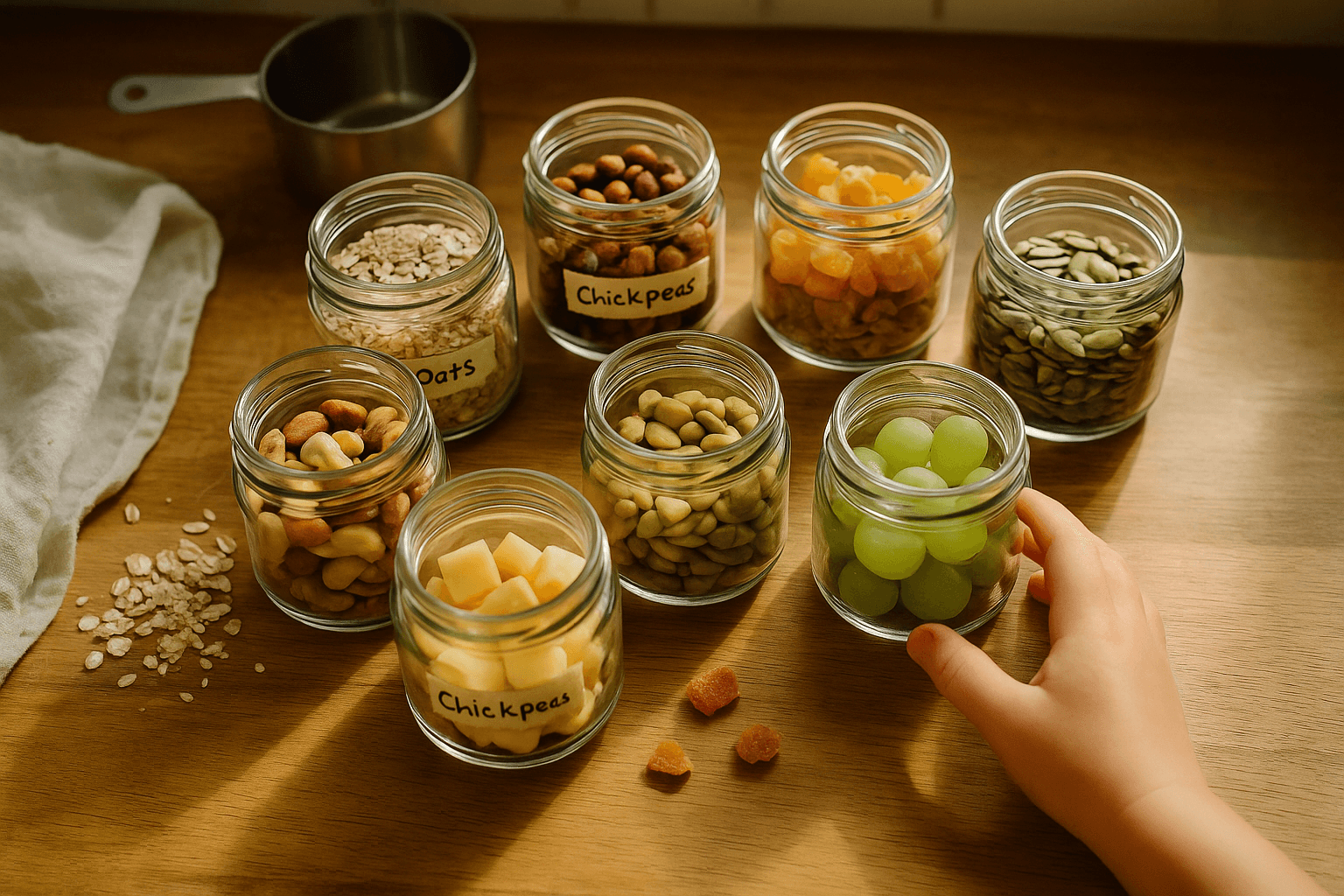
This is where homemade really shines. Store-bought snacks come in fixed combinations, but homemade components let kids build their own balanced lunches. It's like Lego for food.
Kid-Friendly Assembly Components
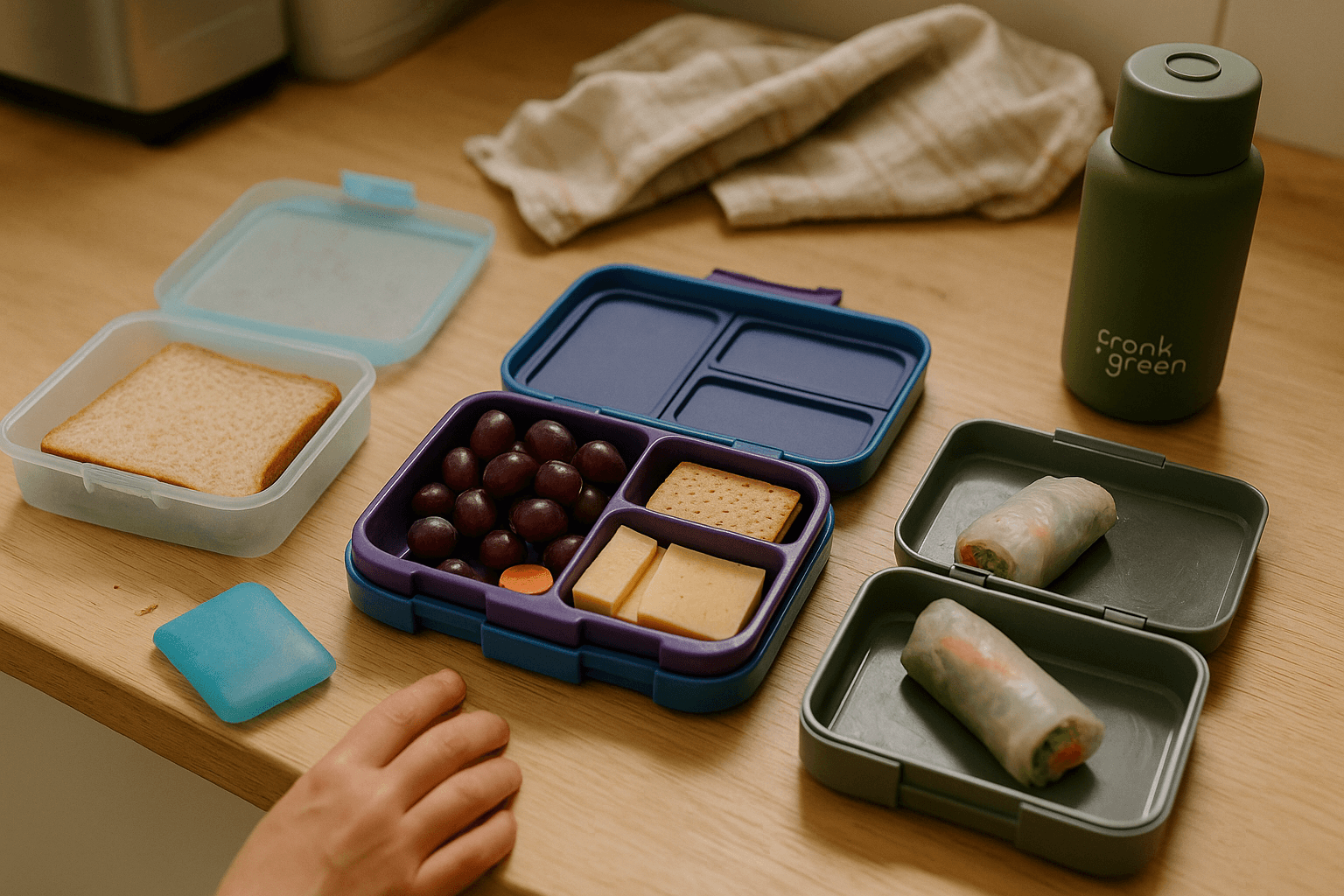
My 8-year-old can pack his entire lunch in under 5 minutes using this system. The Sistema Bento Lunch Box makes it foolproof — each compartment has a purpose, and he knows exactly what goes where.
The independence factor is huge for working parents. When kids can handle their own lunch packing, your morning routine becomes bulletproof. No more "Mum, where's my lunch?" panic at 8:15am. For detailed strategies on getting kids to pack their own lunches, I've got a whole system worked out.
Which Homemade Snacks Have the Longest Shelf Life?
Not all homemade snacks are created equal. Some barely last two days, others can sit in the freezer for months. Here's your strategic planning guide:
5-Day Fresh Options
Pros
Banana bread and muffins (airtight container)
Energy balls (refrigerated)
Veggie slice squares (refrigerated)
Homemade crackers (sealed container)
Cons
Require weekly batch cooking
Limited to current week only
Risk of staleness if not stored properly
Monthly Freeze-Ahead Champions
Pros
Mini frittata cups (freeze individually)
Pancakes and pikelets (freeze with baking paper)
Energy balls (freeze in portions)
Muffins (wrap individually before freezing)
Cons
Need freezer space management
Require overnight thawing planning
Some texture changes after freezing
The Thermos FUNtainer Food Jar 290ml is brilliant for frozen-then-thawed items. Pop a frozen muffin in there with the lid slightly open for 30 minutes — it thaws perfectly and stays fresh until lunch time.
For comprehensive storage strategies, my guide to freezer-friendly lunchbox foods covers 25 recipes that freeze beautifully.
The Verdict: When Store-Bought Makes Sense
Let's be realistic. Sometimes convenience wins, and that's perfectly fine. Here's when I reach for the store-bought options without guilt:
Smart Store-Bought Scenarios
Sick kids week, work deadlines, school holidays chaos, or when the cost difference is less than $0.50 per serve. Your sanity has value too.
The hybrid approach works best for most families. Batch cook 3-4 homemade staples, keep quality store-bought backups for emergency weeks. This gives you the cost savings without the pressure of 100% homemade perfection.
For weeks when you need to keep costs tight, my budget school lunches under $5 guide shows exactly how to combine smart store-bought choices with strategic homemade elements.
The sweet spot: Batch cook 2-3 homemade snacks weekly, buy quality store-bought for variety. Aim for 60% homemade, 40% convenience. This saves 35-40% on lunchbox costs without destroying your weekend.
Remember, the goal isn't perfect homemade lunches — it's feeding your kids well without going broke or losing your mind. Sometimes that means homemade energy balls, sometimes it means a quality store-bought muesli bar. Both can coexist in a sensible lunch strategy.
The real win is having options that work for your family's rhythm, whether that's Sunday batch cooking sessions or Thursday night emergency shop runs. Master both approaches, and you'll never be stuck staring at empty lunch boxes at 7am again.
How useful was this?
Get My Complete $50/Week Lunch System
Shopping lists + prep schedules that cut lunchbox costs without weekend chaos
Written by Pat
Dad of two, Melbourne. Half Chinese, raised on incredible food. I make quick school lunches and test every piece of gear before recommending it. No bento art — just real food made with love.