In this article
Last Tuesday, my mate picked up his 8-year-old from school and found her lunchbox sitting in the afternoon sun, untouched. The yoghurt had separated, the cheese was sweaty, and she'd eaten nothing but the crackers. Sound familiar?
When you're dealing with Australian summers that hit 40°C+ and storms that knock out power for days, packing safe school lunches becomes a proper challenge. I've spent the last two years testing gear, tracking temperatures, and learning the hard way what works (and what's just expensive marketing).
Why Australian Weather Makes Lunch Packing a Safety Issue
Let's get the scary stuff out of the way first. According to food safety guidelines, perishable foods shouldn't sit at room temperature for longer than 2 hours — or just 1 hour when temperatures hit 32°C+. That's most Australian school days from October to March.
84%
of Aussie kids bring packed lunches daily
Victorian parents survey 2024
Most relying on basic insulation that fails in extreme heat
The real kicker? Most school bags sit in classrooms without air conditioning, or worse, in playground areas during lunch breaks. I've measured temperatures inside basic lunch bags hitting 45°C+ on 38°C days. That's well into the danger zone where bacteria multiply rapidly.
Here's what happens when lunch safety fails:
- Kids refuse to eat food that looks or smells off
- Increased risk of foodborne illness
- Wasted money (remember, average daily lunch costs are $4.50 per kid)
- Hungry, cranky kids who can't concentrate
- Emergency trips to the tuckshop (if you're lucky enough to have one)
The Science: How Heat Destroys Lunch Safety
The danger zone for food safety sits between 4°C and 60°C. Within this range, harmful bacteria can double every 20 minutes. Your kid's ham sandwich isn't just getting warm — it's potentially becoming a health hazard.
Different foods react differently to heat:
- Dairy products (yoghurt, cheese, milk) separate and spoil fastest
- Meat and poultry develop dangerous bacteria without visible signs
- Mayonnaise-based items turn into bacterial breeding grounds
- Cut fruit oxidises quickly and attracts insects
Temperature Reality Check
I tested 12 popular lunchboxes during a 39°C Melbourne day. Basic insulated bags reached internal temperatures of 28°C+ within 2 hours. Only 3 systems kept food below 10°C all day.
Signs your current lunchbox system is failing:
- Condensation inside containers
- Food feels warm to touch at pickup
- Ice packs are completely melted by lunchtime
- Kids complaining food "tastes funny"
- Frequent leftover food that looks off
Budget vs Premium: Climate-Smart Lunchbox Gear That Works
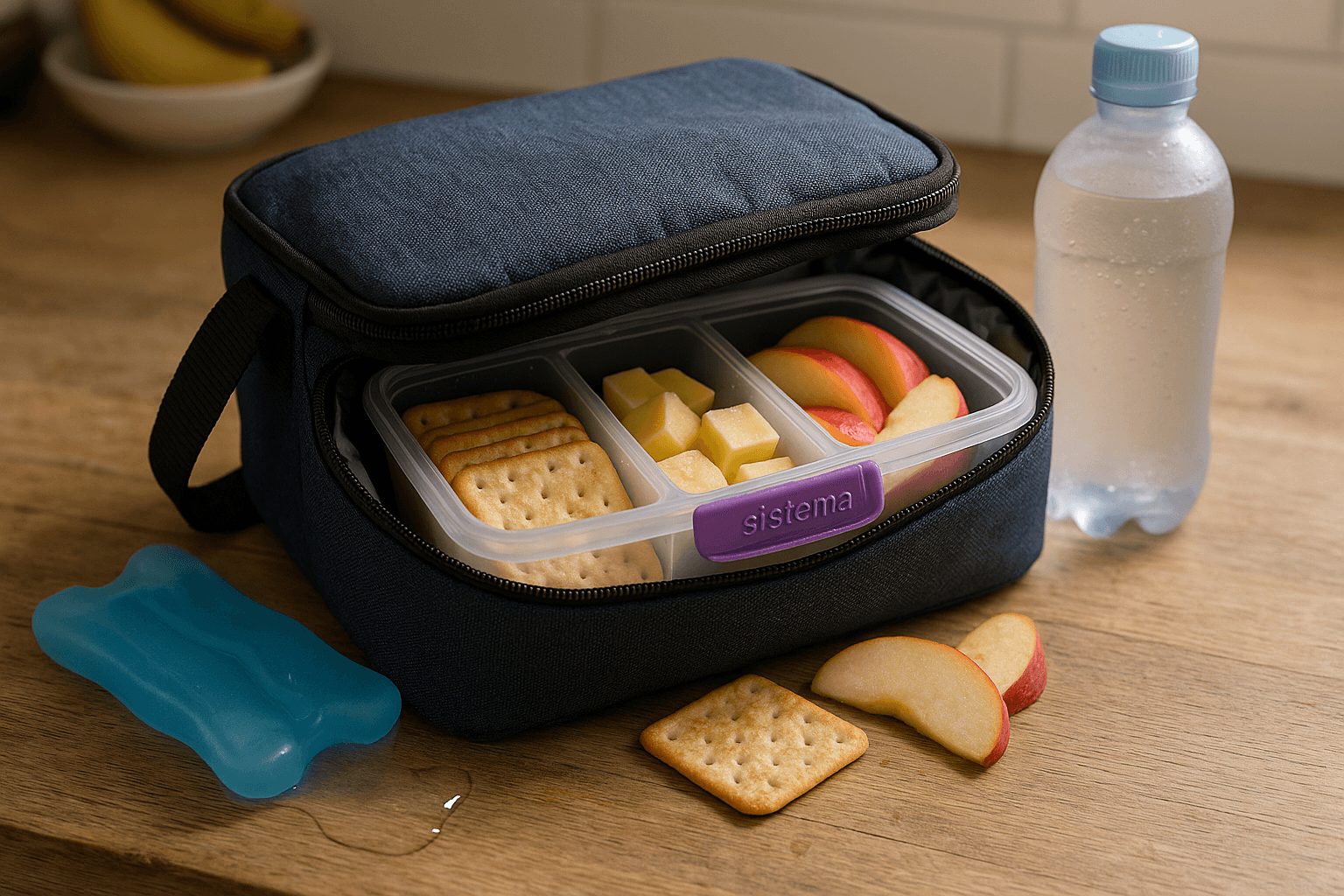
I've tested everything from $15 Sistema boxes to $80 Yumbox setups. Here's what actually keeps food safe in Australian conditions:
Temperature Performance Testing (39°C Day, 6 Hours)
Sistema Bento Box + Basic Ice Pack
$25
- ·Multiple compartments
- ·Basic insulation
- ·BPA-free plastic
Affordable
Kid-friendly design
Easy to clean
Poor temperature retention
Ice pack melts quickly
No backup cooling
Fine for mild days under 30°C
PackIt Freezable Lunch Bag
$45
- ·Built-in freezable gel
- ·No separate ice packs needed
- ·Folds flat when not frozen
Excellent temperature retention
Nothing to lose or forget
Keeps food cold 10+ hours
Must freeze overnight
Bulky when frozen
Limited internal organisation
Best value for extreme heat
Yumbox Original + Insulated Bag
$75
- ·Leak-proof compartments
- ·Premium insulated bag
- ·Portion control design
No spills ever
Perfect portion sizes
Looks premium
Expensive for what you get
Still needs quality ice packs
Complex cleaning
Great design, average cooling
For our complete breakdown of 15+ systems tested, check out our complete lunchbox testing guide.
DIY Budget Hack That Actually Works: Wrap a frozen 600ml water bottle in a tea towel and place it against a Sistema container inside a basic insulated bag. Total cost: under $20. Performance: keeps food below 8°C for 5+ hours on 35°C+ days.
Hot Weather Food Rules: Pack Smart or Risk Illness
Some foods are climate warriors — they'll survive Australian heat without breaking a sweat. Others need constant babysitting or they'll make your kid sick.
Foods That Survive Heat (No Cooling Required):
- Whole fruits (banana, apple, orange)
- Nuts and seeds (check school allergy policies)
- Crackers and rice cakes
- Dried fruit and veggie chips
- Hard-boiled eggs (in shell, consumed within 4 hours)
- Peanut butter sandwiches (no jam)
Visual Temperature Check for Parents
Touch Test
Food should feel cool to slightly cool when you collect the lunchbox
Ice Pack Status
At least 30% of ice pack should still be solid after 6 hours
Condensation Check
Light condensation is fine, but pools of water indicate temperature failure
Smell Test
Any off odours mean the food goes straight in the bin
Danger Foods (Need Constant Refrigeration):
- Cut fruit and vegetables
- Yoghurt and dairy products
- Deli meats and fresh sandwiches
- Anything with mayonnaise
- Cooked rice or pasta salads
For heat-safe alternatives that kids actually enjoy, try these Banana Oat Energy Balls — they're shelf-stable for 8+ hours and packed with nutrition.
My Dad-Tested DIY Cooling Hacks (Under $10)
Before you drop $80 on premium gear, try these hacks that have saved my bacon (and my kids' lunches) countless times:
The Frozen Water Bottle Technique: Freeze a 600ml bottle 3/4 full overnight. Wrap in a thin tea towel and place against food containers. It acts as both cooling and a cold drink that thaws throughout the day. Cost: $3 for the bottle.
Double-Bag Cooling System: Place your regular lunchbox inside a second insulated bag with frozen gel packs on both sides. Creates a buffer zone that maintains temperature 40% longer than single-bag systems. Use cheap insulated shopping bags from Woolies.
Pre-cool your lunchbox in the fridge overnight. This simple step extends cooling time by 2-3 hours and costs nothing.
Wet Towel Insulation Method: Soak a clean tea towel in cold water, wring out excess, and wrap around your insulated bag. Evaporation provides additional cooling — perfect for extreme heat days over 40°C.
For more money-saving approaches, check out our budget-friendly lunch strategies.
Storm Days and Power Outages: Emergency Lunch Prep
When the power's been out for 12 hours and you've got no way to keep food cold, you need a different game plan. I learned this the hard way during the 2023 Victorian storms.
Non-Perishable Lunch Combinations That Work:
- Crackers + individual nut butter packets
- Trail mix + dried fruit
- Shelf-stable tuna pouches + rice crackers
- Individual cereal boxes + long-life milk
- Muesli bars + whole fruit
Car Cooling Emergency Hack
If your car has power but your house doesn't, use a 12V cooler to keep essential lunch items cold. Many parents don't realise these exist and cost under $50.
For storm day preparation, these Mini Chicken and Corn Frittata Cups can be made ahead and eaten cold safely for up to 4 hours without refrigeration.
Remember to check your school policy navigation guide for how schools handle extreme weather days — many have backup policies you might not know about.
Never Miss Seasonal Lunch Prep Again
Get month-by-month Australian lunch ideas that work with our climate
Weekend Weather-Prep: Batch Cooking for Extreme Days
The weather app is your friend when planning weekly lunches. I check the 7-day forecast every Sunday and adjust my prep accordingly.
Hot Week Strategy (35°C+ forecast):
- Focus on shelf-stable items and minimal dairy
- Pre-freeze extra ice packs
- Batch cook items that taste good cold
- Prep extra fruit portions (whole, not cut)
Storm Week Strategy (severe weather warnings):
- Cook extra portions that don't need reheating
- Stock up on non-perishable backup items
- Charge portable devices for weather updates
- Prep grab-and-go options in case of school changes
Sunday Weather-Prep Routine
Check Weekly Weather
Use BOM app to identify extreme weather days
Plan Menu Accordingly
Hot days = shelf-stable focus, storms = non-perishable backups
Batch Cook适合的 Items
Focus on foods that work with expected conditions
Pre-freeze Ice Packs
Always have 2-3 backup packs frozen
For detailed weekend prep systems, follow our one-hour Sunday prep system and adapt it based on weather forecasts.
These Rainbow Veggie Pinwheels are perfect for temperature transitions — they work well cold and can handle moderate heat without spoiling.
Teaching Kids to Be Weather-Smart About Their Lunch
Your kids need to be your partners in lunch safety, especially as they get older and more independent.
Age-Appropriate Conversations:
- Ages 4-6: "If your food feels warm or smells funny, don't eat it"
- Ages 7-9: "Check your ice pack at morning tea — if it's all melted, eat the safe foods first"
- Ages 10-12: "You know what foods need to stay cold — trust your instincts"
Visual Cues Kids Can Recognise:
- Separated yoghurt or milk
- Slimy texture on cheese or meat
- Brown spots on cut fruit
- Condensation pooling in containers
- Ice packs completely liquid
Kid-Friendly Safety Checklist
Teach them that it's always okay to throw away food that doesn't seem right. Better a hungry afternoon than a sick kid.
For older kids, a quality water bottle becomes crucial for temperature regulation. The CamelBak eddy+ Kids 400ml has excellent insulation and a design that encourages regular drinking.
Remember: you're not just packing lunch, you're teaching life skills that will keep them safe and healthy for years to come. Start the conversations early, keep them practical, and always model the behaviour you want to see.
Australian weather isn't getting any milder, but with the right knowledge, gear, and habits, you can keep your kids well-fed and safe no matter what the forecast brings.
How useful was this?
Get Your Year-Round Aussie Lunch Calendar
Month-by-month ideas that work with our extreme weather—from cyclone prep to heatwave solutions.
Written by Pat
Dad of two, Melbourne. Half Chinese, raised on incredible food. I make quick school lunches and test every piece of gear before recommending it. No bento art — just real food made with love.