In this article
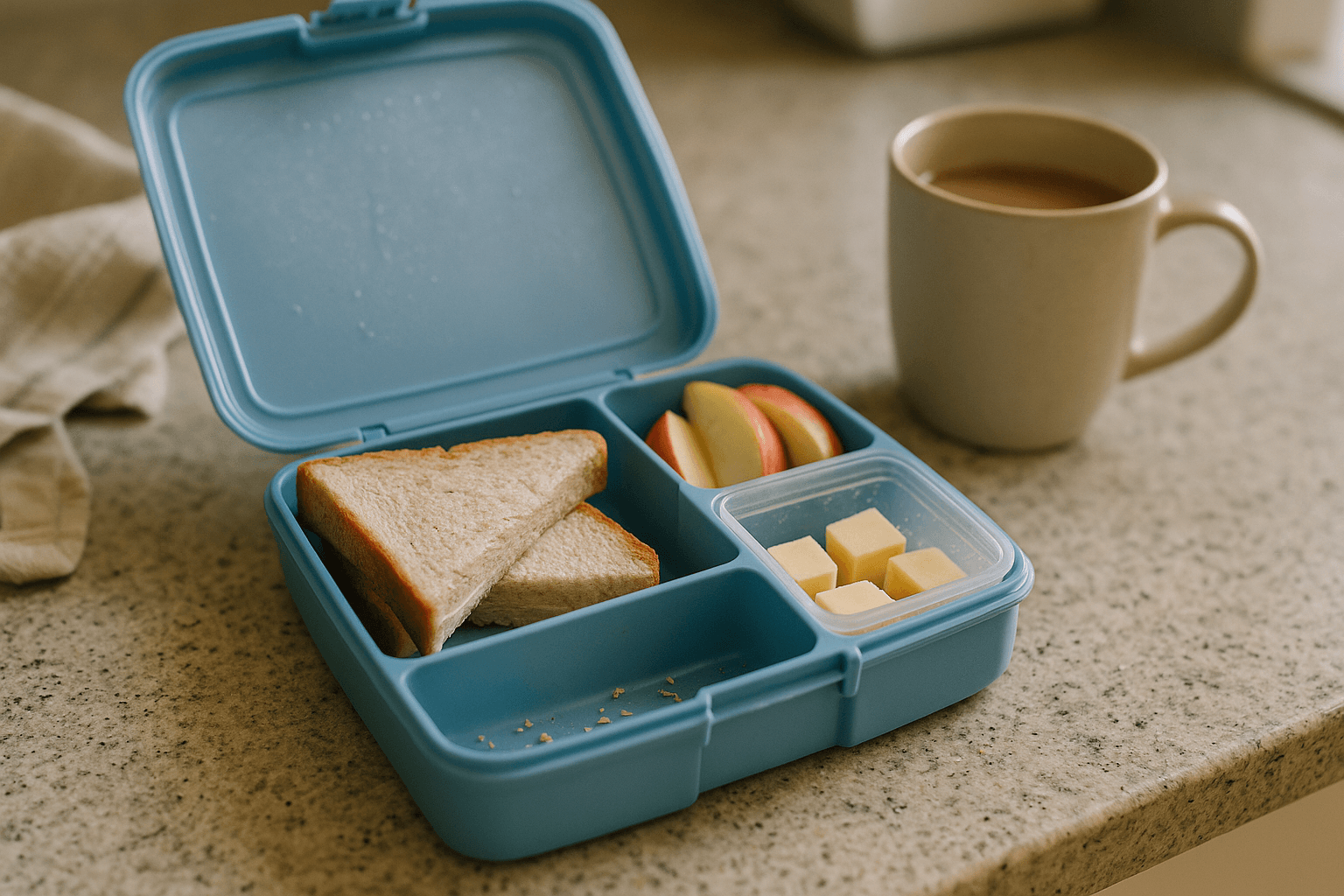
Picture this: It's 6:45am, you're running late for work, and you're frantically slapping together another questionable lunchbox while your 8-year-old complains about yesterday's soggy sandwich. Sound familiar?
Well, that daily scramble might be coming to an end. School-provided lunch programs are rolling out across Australia, and frankly, it's about bloody time. With 93% of Australian parents interested and willing to pay for school-provided lunches, this isn't just wishful thinking anymore—it's happening.
But before you chuck your lunchboxes in the bin and do a victory dance, let's break down what this actually means for your family. The costs, the quality, the logistics, and most importantly—whether your picky 6-year-old who only eats vegemite sandwiches cut into triangles will actually survive the transition.
93%
of Australian parents want school-provided lunches
Flinders University 2026
and are willing to pay for them
What School-Provided Lunches Mean for Australian Families
Let's start with the reality check. Right now, 90% of Australian kids bring home-packed lunches, and here's the kicker—44% of the food they eat during school hours is unhealthy. That's nearly half their daily intake coming from processed snacks, sugary drinks, and whatever they can trade in the playground.
The rollout won't happen overnight. Different states are moving at different speeds, with Tasmania and NSW leading the charge through pilot programs. Victoria and Queensland are expected to follow by 2027, while other states are still working out the logistics.
For the 16% of Australian families experiencing food insecurity (jumping to 34% for single-parent households), this isn't just convenient—it's potentially life-changing. No more choosing between a decent lunch and paying the electricity bill.
The timeline looks roughly like this:
- 2024-2025: Pilot programs continue in select schools
- 2026: Gradual rollout begins in major cities
- 2027-2028: Regional expansion
- 2029: Nationwide availability (projected)
Policy Deep Dive
Want all the nitty-gritty details about implementation timelines and state-by-state differences? Check out our [complete policy guide](/australian-school-lunch-policies-2026-parent-s-complete-guide) for the full breakdown.
The Real Cost: School Meals vs Your Current Lunchbox Budget
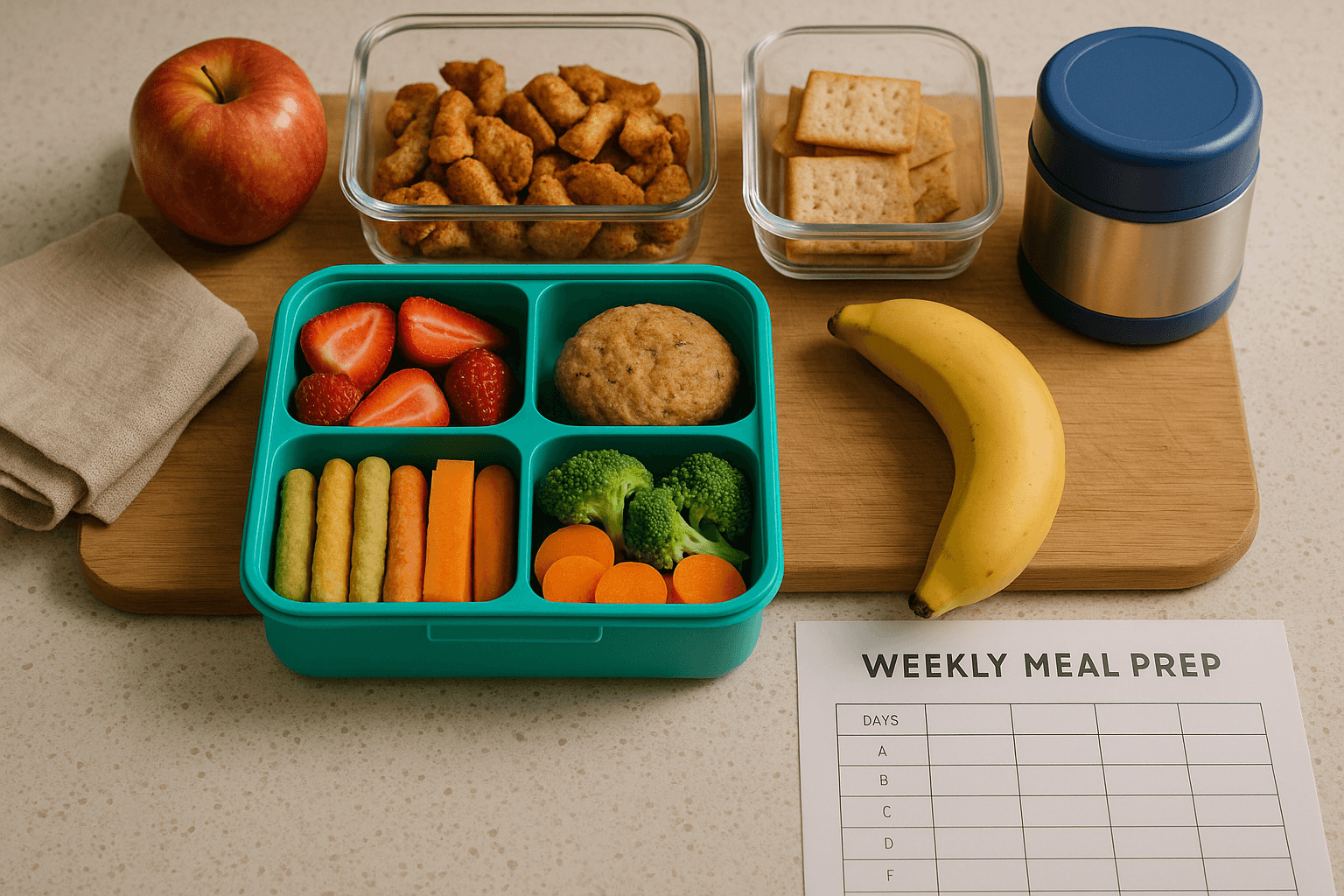
Here's where it gets interesting. Parents currently spend between $4.50-$6 per child daily on lunchboxes. That's $22.50-$30 per week, or roughly $900-$1,200 per school year per kid.
Early projections suggest school meals will cost around $5-$7 per day, with government subsidies potentially reducing this to $3-$5 for eligible families. But here's what most parents don't factor into their current lunchbox budget:
- Time cost: 15-20 minutes daily prep (worth about $8-$12 per hour of your time)
- Waste factor: 30% of packed lunches come home uneaten
- Emergency purchases: Forgetting to shop means expensive convenience store runs
- Equipment replacement: Lunchboxes, drink bottles, ice packs every 12-18 months
Annual Cost Comparison (Per Child)
Current Lunchbox System
$900-1,200
- ·15-20 min daily prep
- ·30% food waste
- ·Equipment costs
- ·Shopping time
Complete control over ingredients
Familiar foods for picky eaters
Daily time commitment
High waste rates
Inconsistent nutrition
High hidden costs in time and waste
School Meal Program
$750-1,050
- ·No daily prep
- ·Consistent nutrition standards
- ·Variety exposure
- ·Professional kitchen
Massive time savings
Guaranteed nutrition standards
Reduces morning stress
Less control over specific foods
Transition period for picky eaters
Better value when time costs included
For dual-income households earning $120,000+ combined, the time savings alone make this worthwhile. For families struggling financially, government subsidies could make school meals cheaper than home-packed options.
Nutrition Quality: How School Meals Stack Up
Let's address the elephant in the room: will school food actually be better than what you're packing?
Currently, more than 80% of Australian primary school lunches are nutritionally poor. Half of students' school-day food intake comes from junk food. So the bar isn't exactly high.
The new government nutritional standards schools must follow include:
- Maximum 600mg sodium per meal (most packed lunches exceed 800mg)
- Minimum 15g protein per serving
- At least 2 serves vegetables per meal
- Whole grains prioritised over refined carbs
- Limited added sugars (under 10g per meal)
Quality Control Measures
Menu Approval
All menus reviewed by qualified nutritionists before implementation
Random Audits
Unannounced inspections of food preparation and serving
Parent Feedback
Monthly surveys and complaint resolution systems
Nutrition Testing
Quarterly analysis of actual meals vs planned nutrition profiles
Compare this to successful international programs: Finland's school meals have contributed to improved academic performance and reduced childhood obesity. France's program emphasises fresh, local ingredients with strict nutritional guidelines.
The key difference? Professional nutritionists designing menus vs tired parents grabbing whatever's quick on a Tuesday night.
Want to understand what constitutes a balanced lunch? These are the standards schools will need to meet consistently.
Handling Special Dietary Needs and Picky Eaters
Right, this is where most parents start sweating. "But my kid only eats plain pasta and won't touch anything green!"
Schools will be required to accommodate:
- Medical dietary requirements (coeliac, diabetes, severe allergies)
- Religious and cultural preferences (halal, kosher, vegetarian)
- Ethical choices (vegan options available)
Allergy Management
For families dealing with serious food allergies, our [comprehensive allergen-free lunch guide](/complete-guide-to-allergen-free-school-lunches-australia) covers exactly how schools will handle documentation and safety protocols.
The picky eater situation is trickier but not insurmountable:
Transition strategies that work:
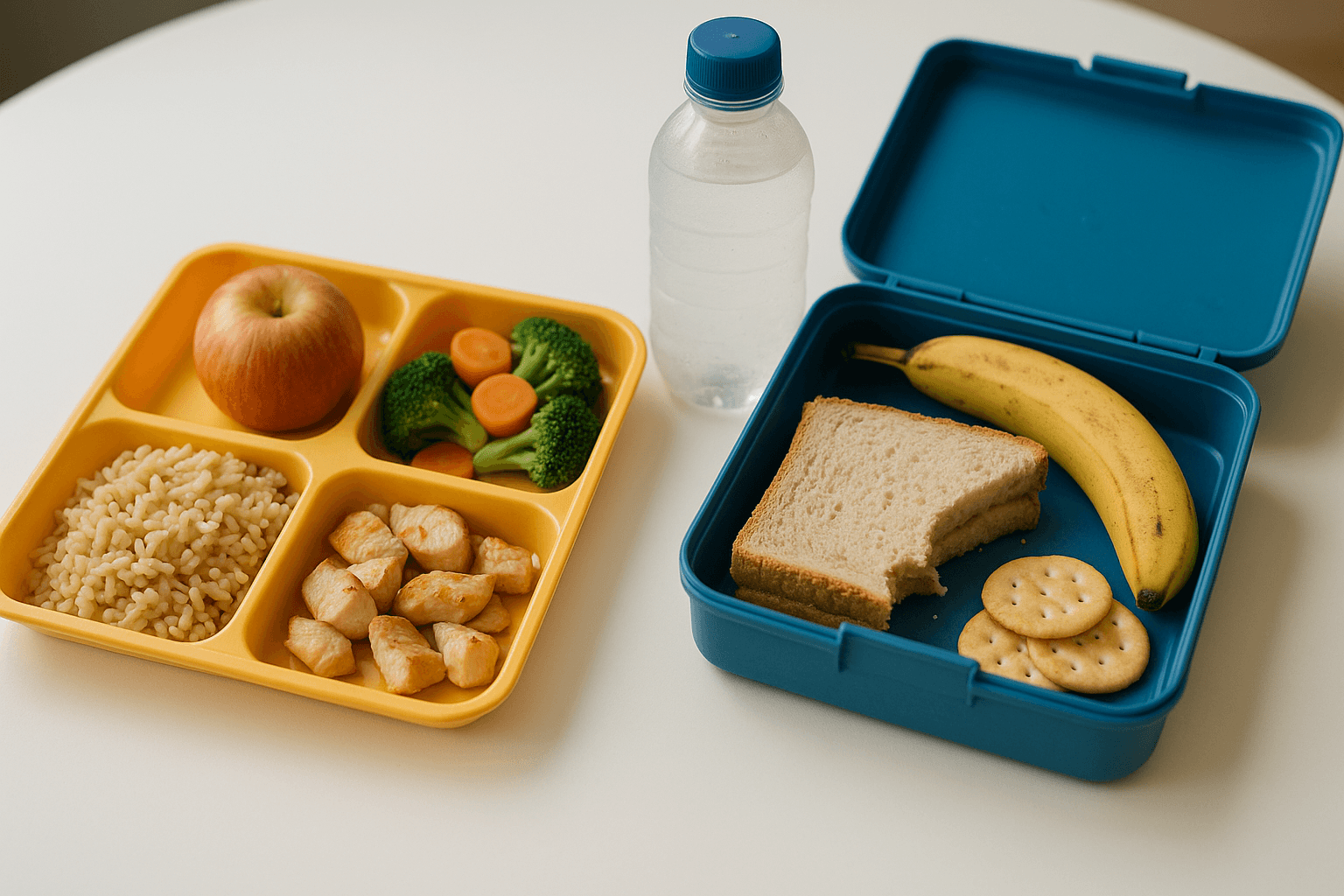
- Start with familiar foods: Schools offer basic options (plain rice, grilled chicken) alongside more adventurous choices
- Gradual exposure: Kids see peers eating different foods without pressure
- Backup options: Most programs include a "safe" meal option daily
- Home support: Continue offering variety at breakfast and dinner
Documentation process:
- Medical requirements need GP or specialist letters
- Cultural/religious preferences require parent declaration
- Severe picky eating may qualify for modified meal plans
When school meals don't work:
- Hybrid approach: school meals 3 days, packed lunch 2 days
- Gradual transition over a full term
- Some schools allow packed lunches for students who can't adapt
Making the Transition: From Lunchbox to School Meals
This is where the rubber meets the road. You've been packing lunches for years—how do you actually make this shift without complete chaos?
Transition Timeline for Working Parents
Information Gathering
Attend school information sessions, review menus, discuss with kids
Trial Run
If available, try school meals for 1-2 days while keeping lunchbox routine
Hybrid Start
School meals 2-3 days, familiar packed lunches on other days
Full Transition
Daily school meals with backup snacks in bag for adjustment period
Morning routine changes:
- Reclaim 15-20 minutes: Use for family breakfast or extra sleep
- Simplify shopping: Remove lunchbox ingredients from weekly shop
- Repurpose equipment: Your Yumbox Original becomes perfect for weekend picnics and after-school snacks
Managing the psychological shift: This is bigger than logistics—it's about letting go of the "good parent = packed lunch" mentality. Many parents feel guilt about not providing that daily "mum's love" lunchbox.
Reality check: If you're currently dealing with the lunchbox stress that 61% of parents experience, this program could dramatically improve your family's morning wellbeing.
Helping kids adjust:
- Emphasise the social aspect: eating with friends cafeteria-style
- Frame it as "growing up" rather than losing something
- Maintain special packed lunches for excursions and special days
- Use saved time for after-school cooking activities together
Get Your Free Nutrition Cheat Sheet
Perfect portions for school meals or home lunches by age group
Success Stories: Early Results from Australian Pilots
Enough theory—what's actually happening in schools already running these programs?
Tasmania Pilot Results (18 months):
- 89% parent satisfaction rate
- 34% reduction in lunchbox waste
- Improved afternoon concentration reported by 76% of teachers
- Average cost: $4.20 per meal after government subsidy
NSW Trial Outcomes (12 schools, 6 months):
- Children trying 2.3 new foods per week on average
- 67% of previously "picky eaters" now eating school vegetables
- Morning tardiness reduced by 23% (less lunchbox prep stress)
- 91% of working parents report reduced morning anxiety
“"I was sceptical—my 7-year-old lives on nuggets and pasta. But after three weeks of school meals, he came home asking for broccoli. I nearly fell over. The time savings are just a bonus now."
Sarah Chen — Working mum, Hobart
Real family case study: The Morrison family (two kids, both parents work full-time) were spending $45 weekly on lunchboxes plus 2.5 hours prep time. After joining the pilot:
- Weekly cost: $38 (including one packed lunch day)
- Prep time: 20 minutes (just the Friday lunchbox)
- Kids eating more vegetables at home after school exposure
- Morning stress "completely gone" according to mum
Lessons learned:
- Transition takes 3-4 weeks, not 3-4 days
- Parent anxiety is usually worse than kids' adjustment
- Hybrid approaches work better than all-or-nothing starts
- Communication between school and families is crucial
Early results suggest school meal programs deliver on their promises: better nutrition, significant time savings, and reduced family stress. The transition period requires patience, but most families adapt successfully within a month.
The Bottom Line
School-provided lunch programs aren't perfect, and they're not for every family. But for most dual-income households juggling work, kids, and the daily lunchbox grind, they represent a genuine improvement in both nutrition and quality of life.
The key is realistic expectations:
- Transition takes time (plan for 4-6 weeks)
- Cost savings are real when you factor in time and waste
- Nutrition quality will likely improve over current packed lunch averages
- Your morning stress will dramatically reduce
If your state's rollout is still years away, don't despair. Use this time to gradually introduce more variety at home, reduce your reliance on processed lunchbox fillers, and maybe start sleeping in an extra 15 minutes by doing some evening lunchbox prep.
And when the program finally reaches your school? You'll be ready to make the switch with confidence, knowing exactly what to expect and how to make it work for your family.
The era of 6:45am lunchbox panic is nearly over. About bloody time.
How useful was this?
Get Your Free Kids Nutrition Cheat Sheet
Perfect portion sizes for school meals or home lunches by age group (4-6, 7-9, 10-12)
Written by Pat
Dad of two, Melbourne. Half Chinese, raised on incredible food. I make quick school lunches and test every piece of gear before recommending it. No bento art — just real food made with love.
This content is for general information only. Always check ingredients for allergens and consult a health professional for dietary advice. See our Terms & Conditions.