In this article
Look, I get it. You're standing in the kitchen at 7:30am, staring at an empty lunchbox, wondering if a packet of biscuits and an apple counts as "balanced." You're not alone — 44% of the food Australian kids eat at school is unhealthy, and 61% of parents admit they need more ideas for healthy lunches.
As a dad who actually packs lunches (not just theorises about them), I'm here to give you the straight facts about what makes a balanced kids' lunch, minus the Pinterest perfectionism.
The Reality Check: What Makes a Lunch Actually Balanced (Not Pinterest Perfect)
First up — balanced doesn't mean Instagram-worthy. It means your child gets decent nutrition, has energy for afternoon classes, and actually eats what you pack.
Here's the truth: 90% of Australian school children bring home-packed lunches, but only 57% of parents include vegetables daily. You're fighting against time, picky eaters, and school policies, all while trying to keep costs reasonable.
Real balance looks like this:
- Your child eats 70% of what you pack (not 100%)
- Weekly nutrition patterns matter more than daily perfection
- Some days will be better than others, and that's completely normal
- A balanced lunch works within your family's budget and time constraints
Children consume about one-third of their daily energy during school hours, so what you pack matters. But it only matters if they actually eat it.
The 5-Component Formula That Works for Real Families
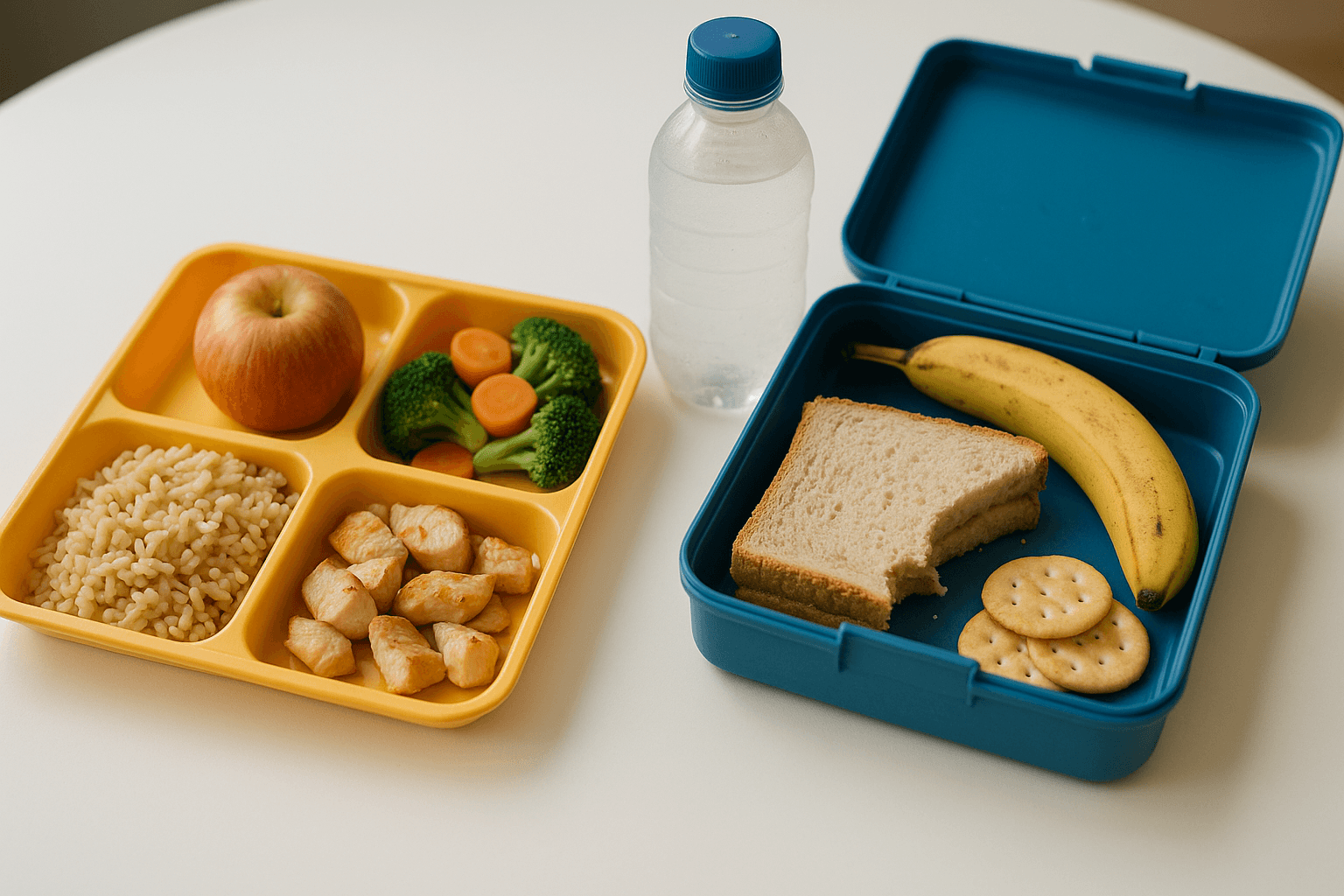
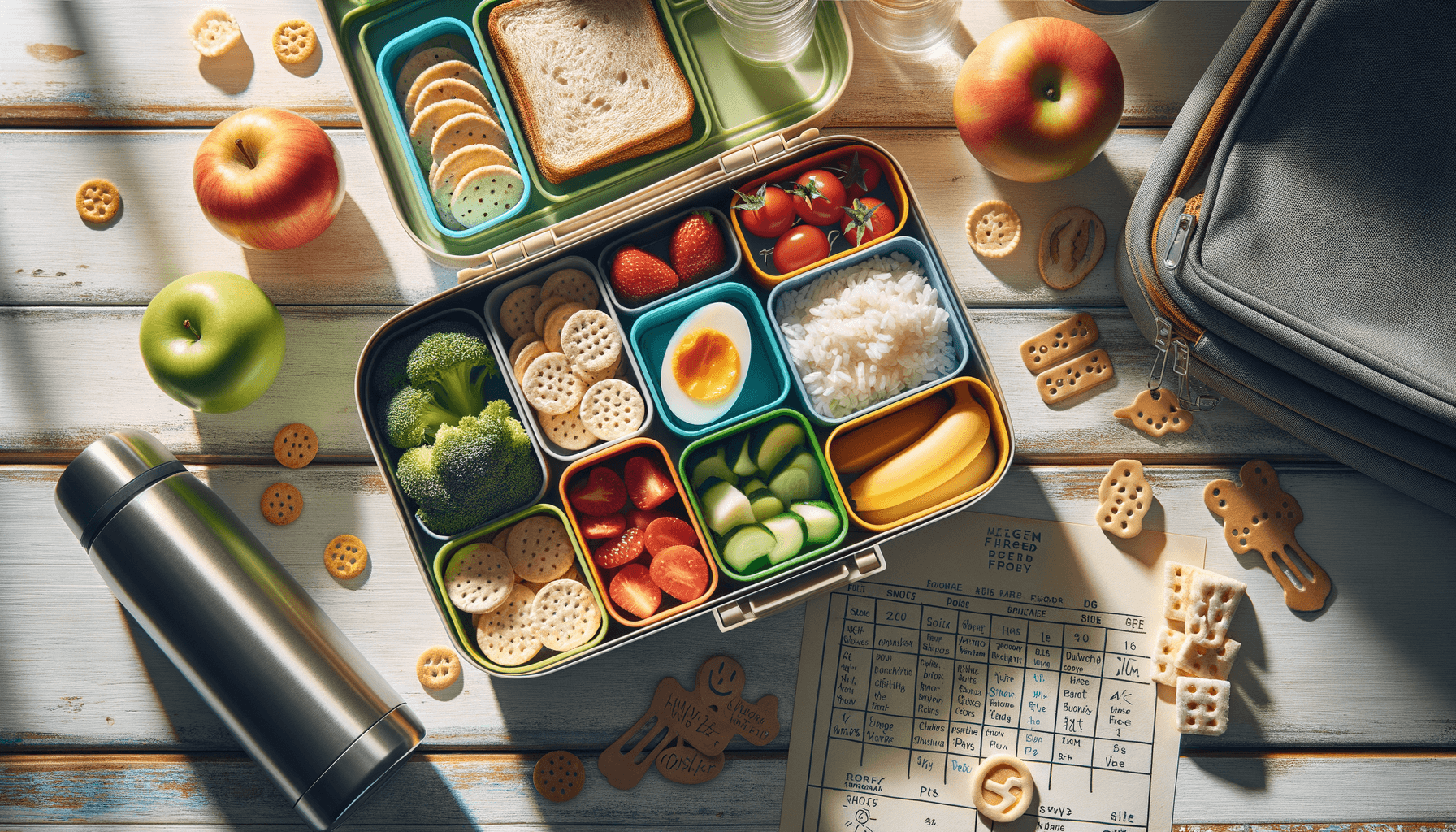
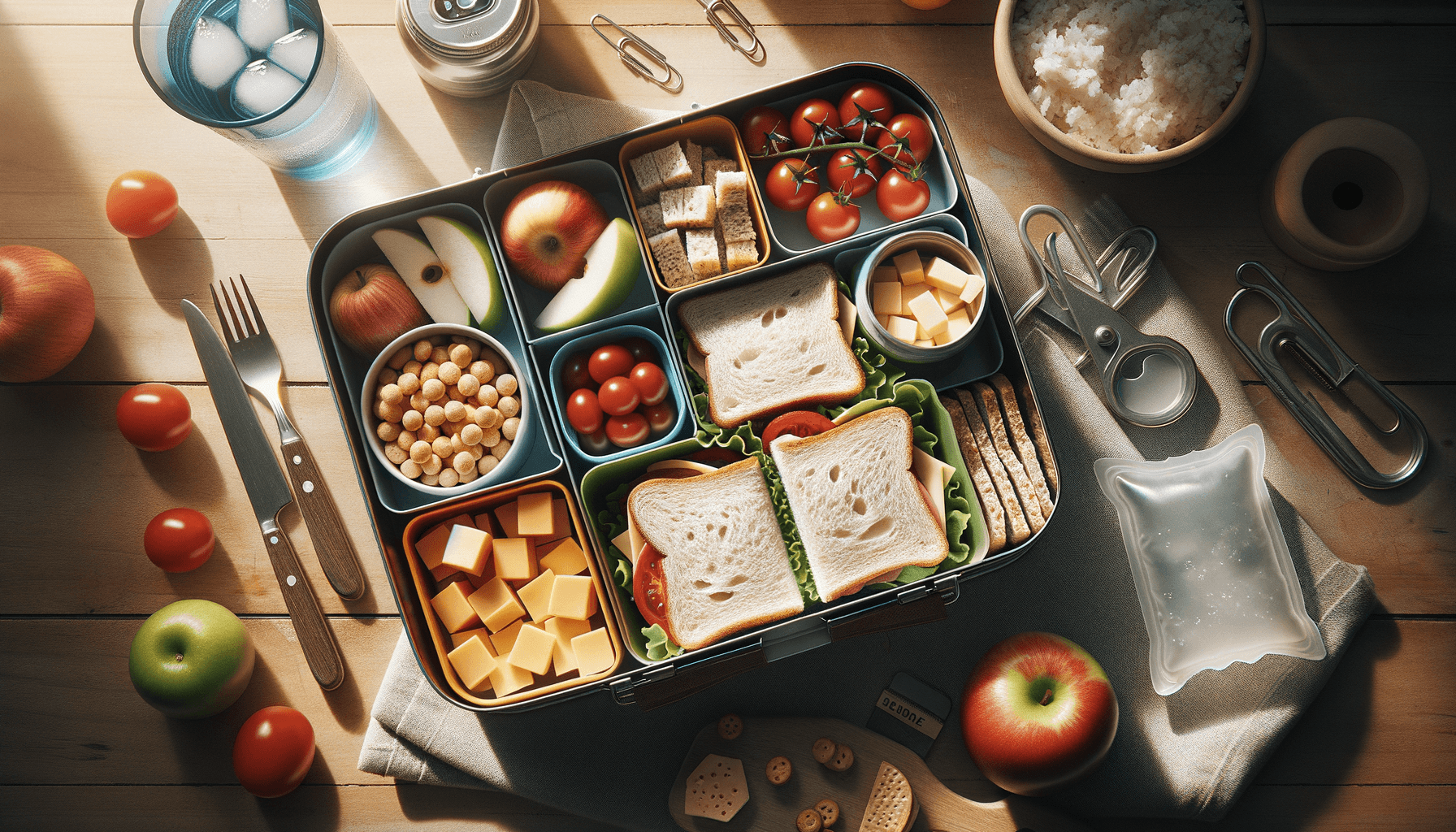
Forget complicated meal planning. Every balanced lunch needs these five components:
1. Protein (15-20g per lunch)
- Practical options: 2 hard-boiled eggs, 60g cheese, 3 tablespoons hummus, 80g leftover roast chicken
- Budget wins: Canned tuna (85¢ per serve), dried chickpeas (45¢ per serve), peanut butter (if school allows)
- Make-ahead: Cook a whole chicken Sunday, use throughout the week
2. Whole Grain Carbs (1-2 serves)
- What works: 2 slices wholemeal bread, 1 cup cooked pasta, 1 wholemeal wrap, 40g oats
- Reality check: If your kid won't eat wholemeal, try 50/50 white-wholemeal mix
- Time-saver: Buy pre-sliced wholegrain bread, freeze half the loaf
3. Fruits and Vegetables (2-3 serves total)
- The 57% challenge: Most parents skip veggies because kids reject them
- What actually works: Cherry tomatoes (bite-sized), cucumber rounds, carrot sticks with dip
- Fruit wins: Apple slices with lemon juice (prevents browning), grapes, berries
4. Healthy Fats (they won't notice these)
- Hidden options: Avocado in wraps, nuts in muffins (if allowed), olive oil in pasta salad
- Serving size: 1 tablespoon olive oil, 1/4 avocado, 20g nuts
5. Hydration
- Plain water is best — 400-600ml depending on age
- Skip juice boxes (sugar bombs) and flavoured milk (unless they refuse plain milk entirely)
The Yumbox Original works brilliantly for this formula — separate compartments keep foods fresh and make portions obvious.
Budget-Smart Shopping: Getting the Most Nutrition for Your Dollar
Healthy lunches don't require a massive grocery budget. Here's my cost breakdown:
Homemade vs Store-bought (per serve):
- Homemade sandwich: $1.80 vs bought: $4.50
- Homemade muffin: $0.65 vs bought: $2.20
- Cut vegetables: $0.90 vs pre-packaged: $3.00
Weekly lunch budget targets:
- Tight budget: $15-20 per child
- Comfortable: $25-30 per child
- Premium: $35+ per child
Seasonal Shopping Calendar
March-May: Apples, pears, carrots, sweet potato June-August: Oranges, mandarins, broccoli, cauliflower September-November: Strawberries, grapes, capsicum, cucumber December-February: Stone fruits, berries, tomatoes, corn
Bulk Buying That Actually Works
- Rice, pasta, oats: Buy 5kg bags, store in airtight containers
- Frozen vegetables: $2.50 per kg vs $6+ fresh, same nutrition
- Canned legumes: 12-pack for $18, individual protein serves for months
Generic brand wins: Canned tuna, pasta, rice, frozen vegetables, yoghurt. Stick with brand names for: Peanut butter, bread, cheese (texture matters).
The Sistema Bento Lunch Box offers excellent value — under $20, dishwasher safe, and the compartments help with portion control.
Meal Prep Strategies That Don't Require a Culinary Degree
Sunday 30-Minute Prep Session
Minutes 1-10: Cook proteins
- Boil 8 eggs (use all week)
- Grill 4 chicken breasts, slice when cool
Minutes 11-20: Prepare vegetables
- Wash and cut 5 days worth of cucumber, carrot, capsicum
- Store in airtight containers with damp paper towel
Minutes 21-30: Assembly prep
- Make 10 sandwiches, freeze 5
- Mix pasta salad for 3 days
- Portion nuts/crackers into small containers
Freezer-Friendly Components
Sandwiches: Make 10, freeze 5. Avoid tomato, lettuce (add fresh). Thaw overnight. Muffins: Bake 24, freeze in pairs. Microwave 30 seconds from frozen. Protein balls: Make 20, freeze. Thaw in lunchbox by morning tea.
Assembly Line for Multiple Kids
- Lay out all lunchboxes
- Add proteins first (prevents forgetting)
- Add carbs
- Add fruits/vegetables
- Add snacks/extras
- Pack ice packs last
The Thermos FUNtainer Food Jar 290ml is perfect for hot foods — pasta, soup, leftover curry. Keeps food hot for 5 hours.
Dealing with Picky Eaters: Practical Solutions That Actually Work
The "One New Thing" Rule
Every lunch includes one familiar food they love, plus one slightly unfamiliar item. Don't make it a battle — if they don't eat it, try again next week.
Examples:
- Love apples → try pear slices
- Eat cheese → try different cheese variety
- Like bread → try different bread shape (rolls instead of slices)
Familiar Foods, New Formats
- Vegetables: If they won't eat raw carrot, try roasted carrot sticks
- Proteins: Chicken nuggets → homemade chicken meatballs
- Fruits: Whole apple → apple slices with cinnamon
Involvement Without Overwhelm
Let them choose between 2-3 options: "Apple or pear today?" "Cheese or hummus for protein?"
Don't give unlimited choice — decision fatigue is real for kids and parents.
When Lunch Comes Home Uneaten
- Don't panic — one missed lunch won't harm them
- Ask why — too much food? Didn't like taste? Not enough time?
- Adjust gradually — smaller portions, different combinations
- Consider timing — maybe they're not hungry at lunch time
For more ideas that kids actually eat, check out these quick lunchbox ideas that kids love.
The Bentgo Kids Lunch Box has perfectly sized compartments that prevent overwhelming portions — great for picky eaters.
Australian School Lunch Challenges: Allergies, Time Limits, and Food Safety
Nut-Free Alternatives
Instead of peanut butter: Sunflower seed butter, tahini, hummus Instead of nuts: Seeds (sunflower, pumpkin), chickpea snacks, cheese Protein options: Hard-boiled eggs, yoghurt, leftover meat
15-30 Minute Eating Windows
Foods that work fast:
- Cut everything into bite-sized pieces
- Avoid foods needing assembly (separate wraps)
- Skip anything requiring peeling
- Choose softer fruits (grapes vs whole apples)
Pack in eating order:
- Main food (sandwich/wrap) — most important
- Protein snack — if still hungry
- Fruit — quick energy
- Vegetables — if time permits
Food Safety in Australian Heat
Essential rules:
- Pack frozen water bottle as ice pack
- Use insulated lunch box
- Avoid mayo-based salads in summer
- Pack hot foods in thermos containers
Safe without refrigeration (up to 4 hours): Peanut butter sandwiches, hard cheeses, whole fruits, crackers, dried foods
Need cooling: Meat, dairy yoghurt, cut fruits, anything with mayo
Fit & Fresh Cool Coolers Ice Packs stay cold longer than frozen water bottles and don't create condensation.
Special Dietary Needs
Gluten-free: Rice crackers, corn wraps, rice paper rolls Dairy-free: Coconut yoghurt, dairy-free cheese, hummus Vegetarian: Legumes, eggs, cheese, nuts (if allowed)
Getting Kids Involved: Building Independence While Reducing Your Workload
Age-Appropriate Tasks
Ages 4-6:
- Choose between 2 fruit options
- Put crackers in containers
- Pack their water bottle
Ages 7-9:
- Make simple sandwiches
- Wash and pack fruits
- Set up lunch station night before
Ages 10-12:
- Plan weekly lunch menu
- Shop for lunch ingredients
- Pack complete lunch independently
Teaching Food Safety
Basic rules they can learn:
- Wash hands before handling food
- Keep cold foods cold (ice pack in bag)
- Don't share food with allergies at school
- Check use-by dates
Creating a Lunch-Packing Station
Bottom shelf of pantry:
- Crackers, dried fruits, nuts (sealed containers)
- Lunch boxes, ice packs, water bottles
Fridge door:
- Pre-cut vegetables in clear containers
- Cheese portions, yoghurt tubes
- Small containers for dips
The Sistema To Go Dressing Pot 4-Pack is perfect for kids to portion their own dips and sauces.
Gradual Independence Transition
Week 1-2: Child helps choose options Week 3-4: Child packs snacks, parent does main items Week 5-6: Child packs everything, parent checks Week 7+: Independent packing with weekly menu planning together
Reality check: This process takes 2-3 months. Start during school holidays when there's less morning pressure.
The bottom line: Balanced lunches aren't about perfection — they're about consistency, nutrition your child will actually consume, and systems that work for your family long-term.
Start with the 5-component formula, prep what you can on weekends, and gradually involve your kids in the process. Some days will be better than others, and that's completely normal.
For those really hectic mornings, having 10-minute lunch solutions in your back pocket can be a real lifesaver.
Your kids need fuel for learning, and you need systems that don't exhaust you before 8am. Find what works for your family, stick with it, and adjust as needed. You've got this.
How useful was this?
Quick school lunch ideas from Melbourne, Australia.
20 lunchbox ideas on one page. Print it, fridge it.
Written by Pat
Dad of two, Melbourne. Half Chinese, raised on incredible food. I make quick school lunches and test every piece of gear before recommending it. No bento art — just real food made with love.
This content is for general information only. Always check ingredients for allergens and consult a health professional for dietary advice. See our Terms & Conditions.