In this article
Look, I get it. You're juggling work calls while trying to pack a lunch that won't turn into a soggy mess by recess. You need grab-and-go options that work whether your kid's eating at their school desk, on a footy field, or in the back of your car between activities.
After years of trial and error (and plenty of rejected lunches), I've cracked the code on portable lunches that actually work. Here's everything you need to know about handheld lunches that travel well, taste good, and keep your kids fed anywhere.
Why Handheld Lunches Are a Game-Changer for Busy Families
Let's start with some sobering facts: 90% of Australian school children bring home-packed lunches, but more than 80% of these lunches are nutritionally poor. That's not because we don't care—it's because we're time-poor and often stuck in a rut of processed convenience foods.
90%
of Australian kids bring home-packed lunches, but 80% are nutritionally poor
2024 Flinders University study
Time to change this stat with better portable options
Handheld lunches solve three major problems: they're faster to eat (no unwrapping or heating), harder to lose pieces of, and work in any environment. Whether your kid's eating standing up at athletics carnival or squeezed into a tiny school desk, handheld foods just work.
I've found handheld lunches particularly brilliant for:
- Sports days and excursions where tables aren't available
- Fussy eaters who get overwhelmed by separate components
- Busy mornings when you need grab-and-go simplicity
- Hot days when you want minimal container washing
The key is thinking beyond sandwiches. We're talking wraps, muffins, kebabs, and DIY lunchable-style combos that kids can eat with one hand while chatting with mates.
Essential Gear: What You Actually Need for Portable Lunches
You don't need to spend a fortune, but having the right gear makes handheld lunches infinitely easier. After testing dozens of containers in real-world conditions (including forgotten lunchboxes in 35°C car boots), here's what actually works.
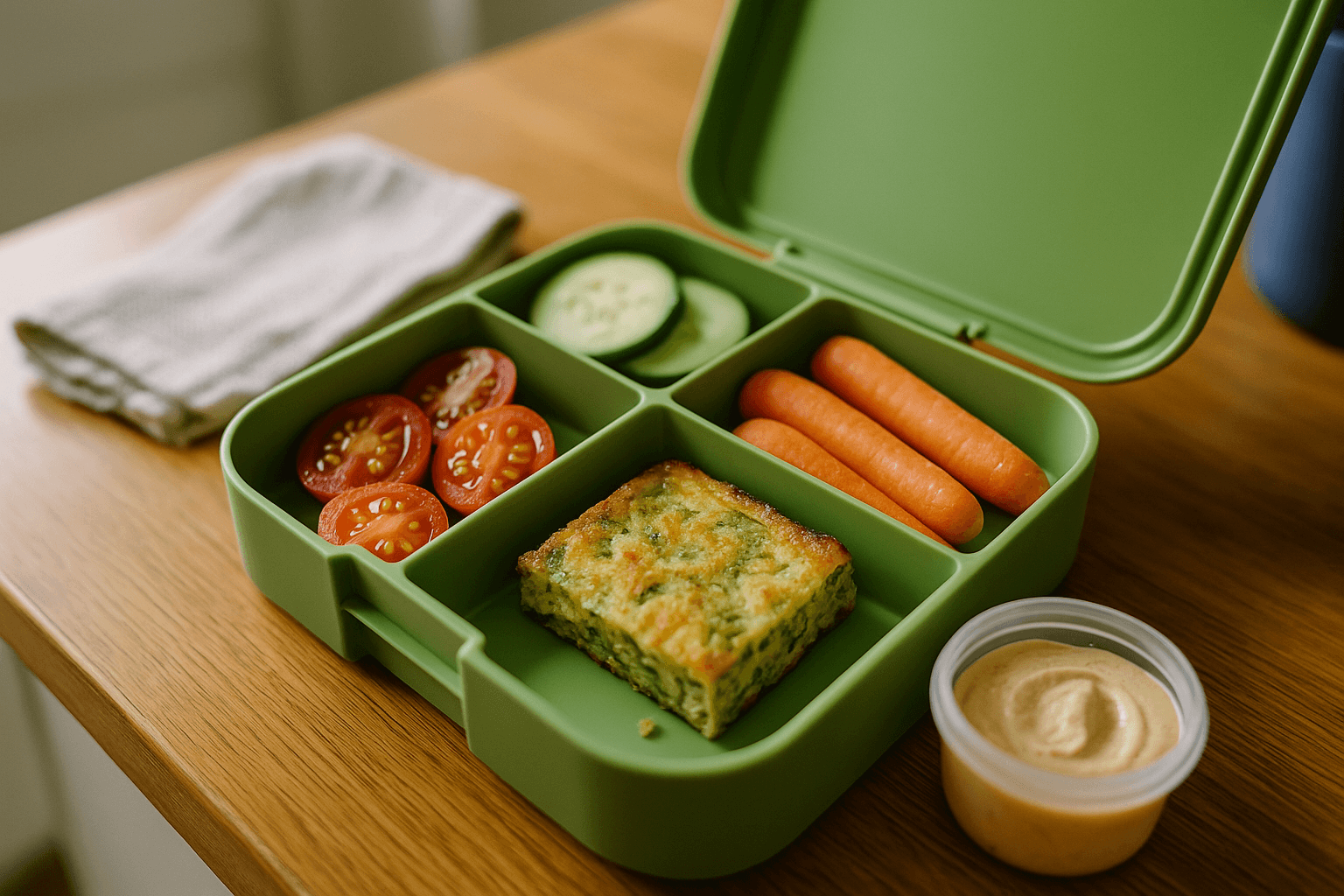
Multi-compartment containers: The Sistema Bento Lunch Box is my go-to for handheld combos. It keeps components separate until eating time, preventing soggy wraps and mushy fruit. The compartments are perfectly sized for kid portions—not those ridiculous adult bento boxes that overwhelm primary schoolers.
Insulated bags: In Australian heat, an insulated bag isn't optional—it's essential food safety. The PackIt Freezable Lunch Bag has gel built into the walls, so the whole bag becomes an ice pack when frozen overnight. Game-changer for hot climates.
Dad's Gear Hack
Freeze your insulated bag overnight, then pack it in the morning. No separate ice packs needed, and everything stays cold for 8+ hours.
Ice pack placement: Put ice packs on top of food, not underneath. Cold air sinks, so this keeps everything cooler longer. I use Fit & Fresh Cool Coolers—they're thin enough to fit in any lunchbox but stay frozen for hours.
For a detailed lunchbox comparison, I've tested the top brands side-by-side with real Australian conditions in mind.
20 Grab-and-Go Lunch Ideas Kids Can Eat Anywhere
Right, let's get to the good stuff. These are my tried-and-tested handheld lunch ideas, organised by type so you can mix and match based on what's in your fridge.
Wrap and Roll Ideas (5 options):
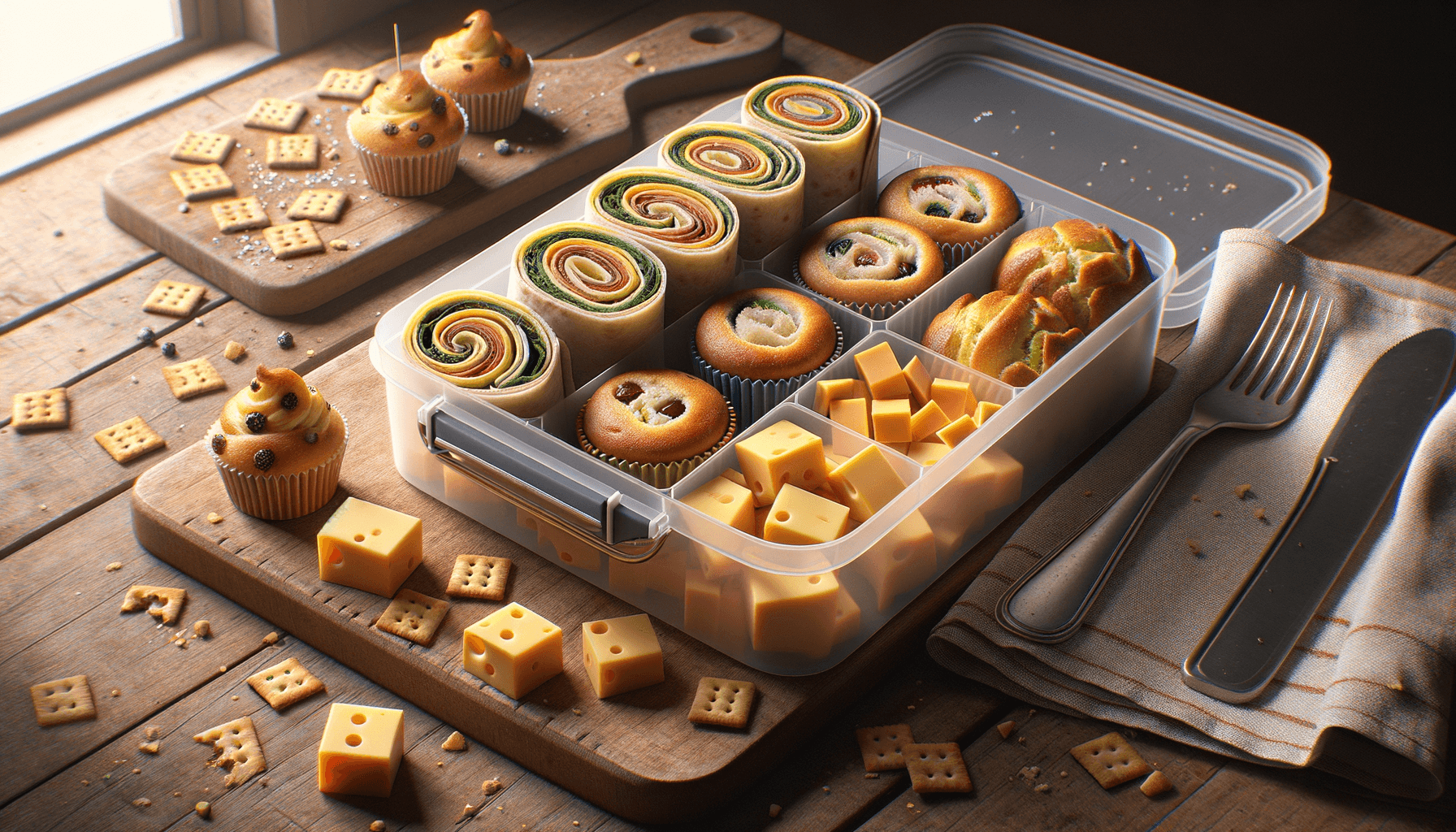
- Turkey and cheese pinwheels - Spread cream cheese on tortilla, add turkey and cheese, roll tight, slice into 2cm rounds
- Veggie-packed rainbow wraps - Hummus, grated carrot, cucumber strips, capsicum in coloured tortillas
- Ham and salad roll-ups - Use mountain bread for less bulk, add lettuce, tomato, cheese
- Peanut butter and banana spirals - Natural PB, sliced banana, drizzle of honey, rolled in wholemeal wrap
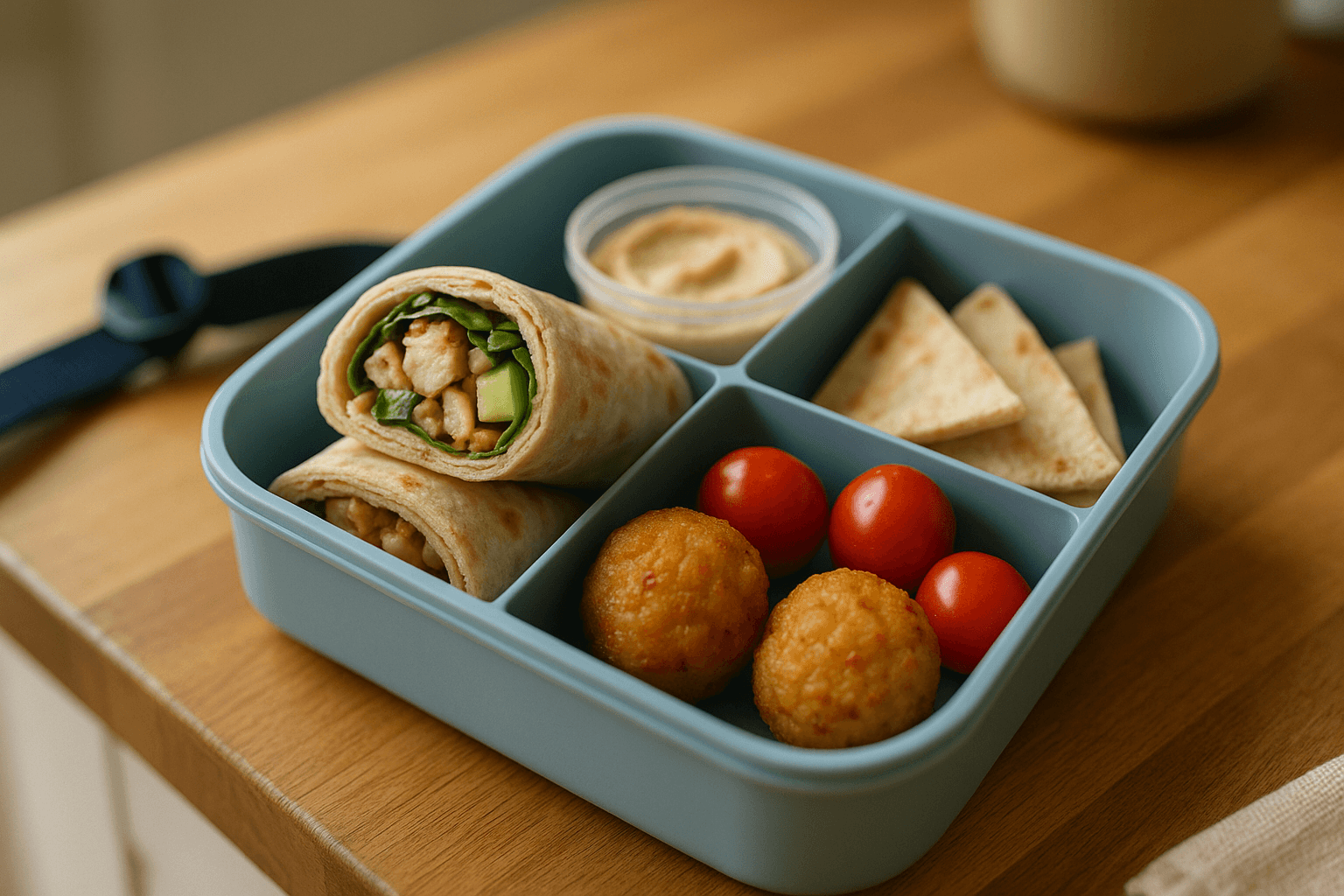
- Leftover roast chicken wraps - Shredded chicken, avocado, lettuce in soft tortillas
Muffin and Bite-Sized Options (5 options): 6. Mini quiche muffins - Egg, milk, cheese, diced vegetables baked in muffin tins 7. Savoury scrolls - Puff pastry with cheese and vegemite, rolled and sliced 8. Zucchini and cheese muffins - Grated zucchini hidden in cheesy muffins 9. Mini meatballs - Served cold with tomato sauce in a small container 10. Sausage roll bites - Homemade or good-quality store-bought, cut into pieces
Quick Pinwheel Assembly
Spread base
Spread cream cheese or hummus evenly on tortilla, leaving 1cm border
Add fillings
Layer protein and vegetables in thin, even layers
Roll tightly
Roll from one end, keeping filling compressed
Chill and slice
Wrap in cling film, chill 30 minutes, then slice into 2cm rounds
DIY Lunchable Style Combos (5 options): 11. Crackers, cheese, and ham squares - Use Sistema To Go Dressing Pot 4-Pack for dips 12. Mini rice cakes with toppings - Avocado, cream cheese, or hummus 13. Cucumber rounds with cream cheese - Cut cucumber thick, pipe cream cheese on top 14. Apple slices with nut butter - Pack nut butter in small container for dipping 15. Cherry tomatoes and cheese cubes - Add crackers for a complete combo
For more inspiration, check out these healthy DIY lunchables that beat the processed versions every time.
Finger Food Protein Options (5 options): 16. Hard-boiled egg halves - Sprinkle with salt and pepper 17. Chicken drumsticks - Cooked and cooled, perfect finger food 18. Cheese and veggie kebabs - Thread cheese, cherry tomatoes, cucumber on small skewers 19. Homemade chicken nuggets - Baked, not fried, served at room temperature 20. Tuna and crackers - Individual tuna sachets with wholegrain crackers
Get 20 More Lunch Ideas on One Page
Print this handy cheat sheet and stick it on your fridge for daily inspiration
Make-Ahead Handheld Lunch Recipes for Sunday Prep
Sunday prep is where handheld lunches really shine. You can batch-make most of these options and have grab-and-go lunches sorted for the entire week.
My assembly line lunch packing system works perfectly for handheld items. Set up stations: one for wraps, one for muffins, one for finger foods. Get the kids involved—even 5-year-olds can help with simple assembly.
Batch cooking strategies:
- Sunday: Bake 24 mini quiche muffins, make 20 pinwheel wraps
- Monday: Pack 5 muffins and 5 pinwheels in containers, freeze the rest
- Tuesday onwards: Grab pre-made items, add fresh fruit and crackers
Real Sunday Prep Timeline
10am: Kids help crack eggs for mini quiches while I prep vegetables. 11am: Quiches in oven, start pinwheel assembly line. 12pm: Everything packed and labelled for the week. Total time: 2 hours for 20 complete lunches.
For freezer-friendly options, my freezer-friendly batch cooking guide covers which handheld foods freeze well and how to defrost them safely.
Storage tips for maximum freshness:
- Wrap pinwheels individually in beeswax wraps or cling film
- Store muffins in airtight containers with a paper towel to absorb moisture
- Keep cut fruit separate until morning to prevent browning
- Label everything with contents and date—trust me on this
Keeping Portable Lunches Safe in Australian Weather
Food safety isn't negotiable, especially with handheld foods that sit at room temperature. In Australian heat, you've got about 2 hours before bacterial growth becomes a real concern.
The 4-hour rule: Food is safe between 5°C and 60°C for maximum 4 hours, but I aim for 2 hours to be conservative. This means proper insulation and ice packs are non-negotiable from October to March.
Ice pack placement strategy:
- Freeze your insulated bag overnight (if using PackIt style)
- Add one ice pack on top of food containers
- Pack densely—less air space means better temperature retention
- Keep lunchbox out of direct sunlight
In 35°C+ weather, I add an extra ice pack and check the lunchbox temperature when kids get home. If it's warm to touch, we review our cooling strategy.
Foods to avoid in extreme heat:
- Dairy-based dips without excellent cooling
- Cut hard-boiled eggs (whole eggs in shell are safer)
- Homemade mayonnaise-based items
- Anything with seafood unless perfectly chilled
Hot weather winners:
- Dry items like crackers and cheese
- Whole fruits that don't need cutting
- Nut butter-based items (they're shelf-stable)
- Well-sealed pinwheel wraps
Getting Kids Involved: Teaching Independence with Lunch Prep
One massive advantage of handheld lunches is how easily kids can help prepare them. This isn't just about saving you time—it's about building their confidence and food skills.
Age-appropriate tasks:
- 4-6 years: Washing fruit, spreading soft cheese, arranging crackers
- 7-9 years: Rolling pinwheels, packing containers, choosing combinations
- 10-12 years: Complete lunch assembly, planning weekly menus
Self-serve station setup: I've organised our pantry with kid-accessible containers of crackers, dried fruit, nuts, and cheese portions. Sunday nights, I prep vegetables and proteins, then kids can grab-and-go all week.
Set up three containers:
- Proteins: Cheese cubes, hard-boiled eggs, leftover chicken
- Carbs: Crackers, mini muffins, wraps
- Fruits/Vegetables: Cut vegetables, whole fruit, cherry tomatoes
Teaching food safety basics:
- Show them how to check if an ice pack is still cold
- Explain why some foods need refrigeration
- Demonstrate proper hand washing before food prep
- Make it a rule: if it smells off or feels warm, don't eat it
Budget-Friendly Alternatives to Expensive Lunch Products
Let's be honest—specialty lunch products can blow your budget fast. But handheld lunches are actually brilliant for saving money because you're using real ingredients, not processed convenience foods.
DIY alternatives to branded products:
- Instead of $8 protein boxes: Make your own with cheese cubes, crackers, and cherry tomatoes for $2
- Instead of $4 wraps from the deli: Homemade pinwheels cost about 80 cents each
- Instead of $6 lunch box muffins: Batch bake 24 for $8 total
Cost Comparison: DIY vs Store-Bought
Store-bought protein box
$8.00
- ·Ready to eat
- ·Attractive packaging
No prep time
Consistent portions
Expensive
Often processed ingredients
Excess packaging
Convenient but costly
DIY cheese, crackers & fruit
$2.20
- ·Fresh ingredients
- ·Customisable portions
Much cheaper
Control over ingredients
Teaches food skills
Requires prep time
Need containers
Better value and nutrition
Bulk buying strategies:
- Buy 2kg blocks of cheese, cube and freeze in portions
- Bulk crackers from Costco, portion into weekly containers
- Seasonal fruit buying when prices drop
Australian supermarket hacks:
- Coles and Woolworths mark down bakery items at 7pm—buy wraps and freeze
- ALDI's special buys often include lunch containers at fraction of brand prices
- Buy whole chickens when on special, roast and use for multiple lunch meals
For more money-saving ideas, my guide to healthier alternatives to processed snacks shows exactly how much you can save making real food.
Troubleshooting: When Handheld Lunches Go Wrong
Even with the best planning, sometimes handheld lunches don't go to plan. Here's how to fix the most common problems.
Soggy wrap syndrome:
- Pat wet ingredients (tomatoes, lettuce) completely dry before wrapping
- Use a barrier layer (cream cheese or hummus) between wet and dry ingredients
- Pack components separately if your child doesn't mind assembling at lunch
The great rejection: If your kid comes home with untouched lunch, don't panic. Try the "one bite rule"—they have to try one bite of each component. Often it's about familiarity, not taste.
Common Handheld Lunch Problems
Emergency backup ideas:
- Keep a stash of crackers and individual nut butter sachets in your car
- Bananas and apples travel well without refrigeration
- Individual yoghurt pouches (if eaten within 2 hours)
- Muesli bars from the school canteen as last resort
Hot weather contingency plans: When the forecast hits 38°C, switch to heat-stable options: crackers with peanut butter, whole fruit, nuts, and cheese sticks (they handle heat better than soft cheese).
For persistent lunch rejection issues, check out my strategies for picky eaters—sometimes it's not about the food format, it's about involving kids in the decision-making process.
The bottom line? Handheld lunches aren't just convenient—they're a practical solution for busy Australian families who want to feed their kids real food without spending hours in the kitchen. Start with a few simple options, get your systems sorted, and watch how much easier lunch packing becomes.
How useful was this?
Get All 20 Ideas on One Printable Sheet
Stick this handy cheat sheet on your fridge for instant grab-and-go lunch inspiration every morning.
Written by Pat
Dad of two, Melbourne. Half Chinese, raised on incredible food. I make quick school lunches and test every piece of gear before recommending it. No bento art — just real food made with love.
This content is for general information only. Always check ingredients for allergens and consult a health professional for dietary advice. See our Terms & Conditions.