In this article
Let me tell you what happened last Tuesday. My 7-year-old came home with his "healthy" crackers and cheese still in his lunchbox, but the packet of biscuits from his mate's lunch? Gone. Sound familiar?
After three years of trial and error (and way too many soggy carrot sticks), I've cracked the code on lunchbox snacks that actually work. Not the Pinterest-perfect stuff that looks great but gets binned at school.
Why Most 'Healthy' Lunchbox Snacks Fail the Real-World Test
Here's the brutal truth: 90% of Australian school children bring home-packed lunches, but nearly half the food they eat at school is still unhealthy. Why? Because we're fighting against reality.
The 10-minute eating constraint is real. Most Aussie schools give kids 10 minutes to scoff their lunch before they're off to play. That apple you lovingly cut into quarters? It's getting two bites before it's abandoned for footy.
I learned this the hard way when my kids kept coming home starving. Turns out, anything that takes longer than 30 seconds to unwrap and eat is getting skipped. Those beautiful veggie sticks with hummus? The hummus pot was too fiddly, so they ate their mate's roll-ups instead.
The soggy vegetable disaster hits every parent. You pack fresh cucumber slices Monday morning, but by lunchtime they're swimming in their own juice, making everything else in the lunchbox wet and unappetising.
Kids have simple taste preferences, and fighting them is pointless. Instead of forcing broccoli florets (which never work), I focus on vegetables they'll actually eat when they're hungry and rushed.
The Dad's Guide to Weekend Batch Prep That Actually Works
Forget spending your entire Sunday cooking. My 2-hour Sunday session covers snacks for the whole week, and here's exactly how I do it.
Hour 1: Protein prep
- 30 minutes: Make a double batch of protein balls (recipe below)
- 15 minutes: Roast 2 cups of chickpeas with different seasonings
- 15 minutes: Boil a dozen eggs and prep mini meatballs
Hour 2: Veggie prep and portioning
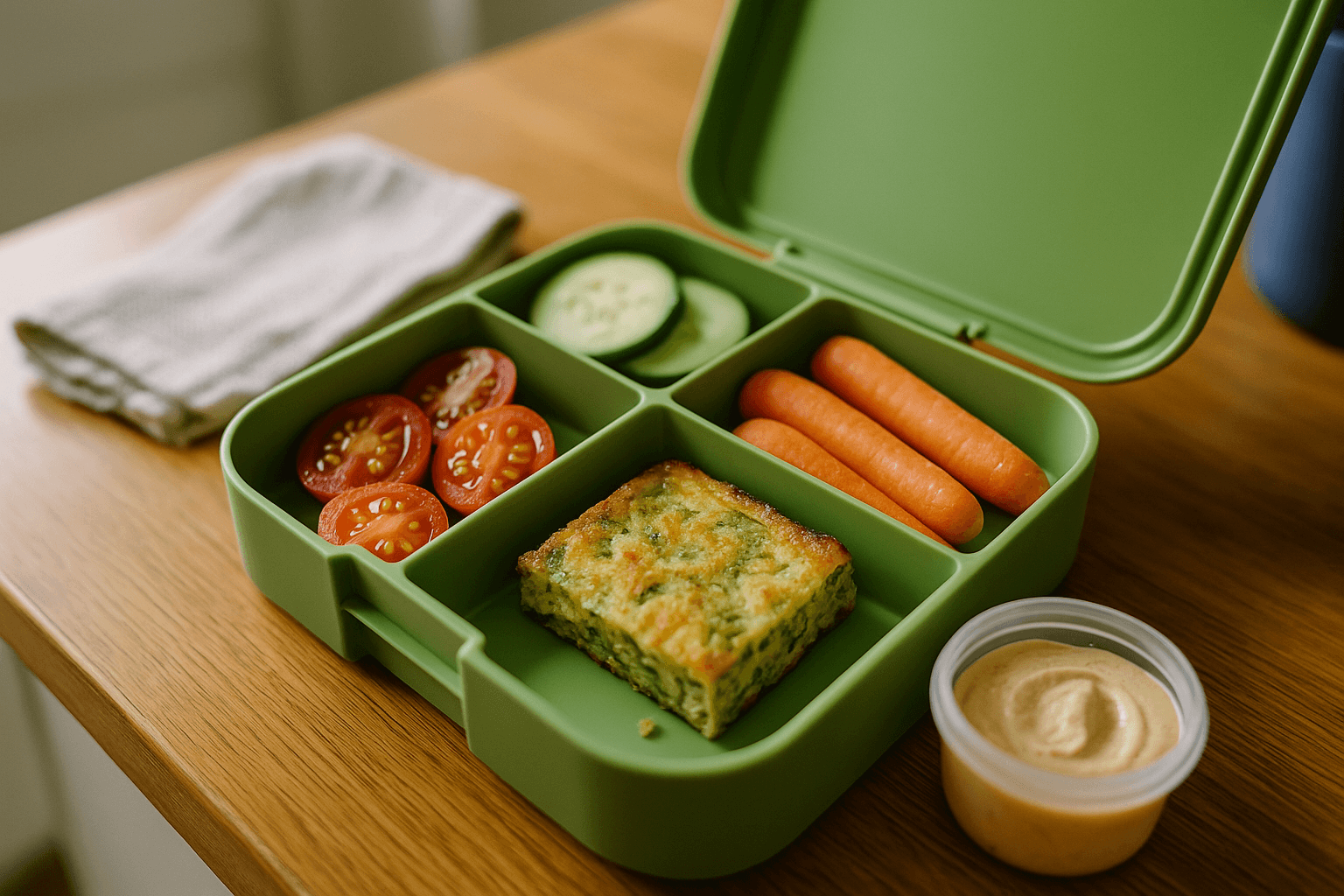
- 20 minutes: Bake veggie muffins (they freeze beautifully)
- 20 minutes: Wash, cut, and portion fresh fruit
- 20 minutes: Portion everything into containers
Getting kids involved without chaos: Give each kid one specific job. My 9-year-old rolls protein balls, my 6-year-old sorts berries. No switching jobs, no "helping" with everything.
For storage, I swear by Sistema To Go Dressing Pot 4-Pack containers. They're the perfect size for single servings, stack beautifully, and the kids can open them independently.
The key is prepping snacks that actually improve over 2-3 days. Protein balls get firmer, roasted chickpeas stay crunchy, and veggie muffins develop better flavour.
15 Protein-Packed Snacks That Don't Need a Fridge
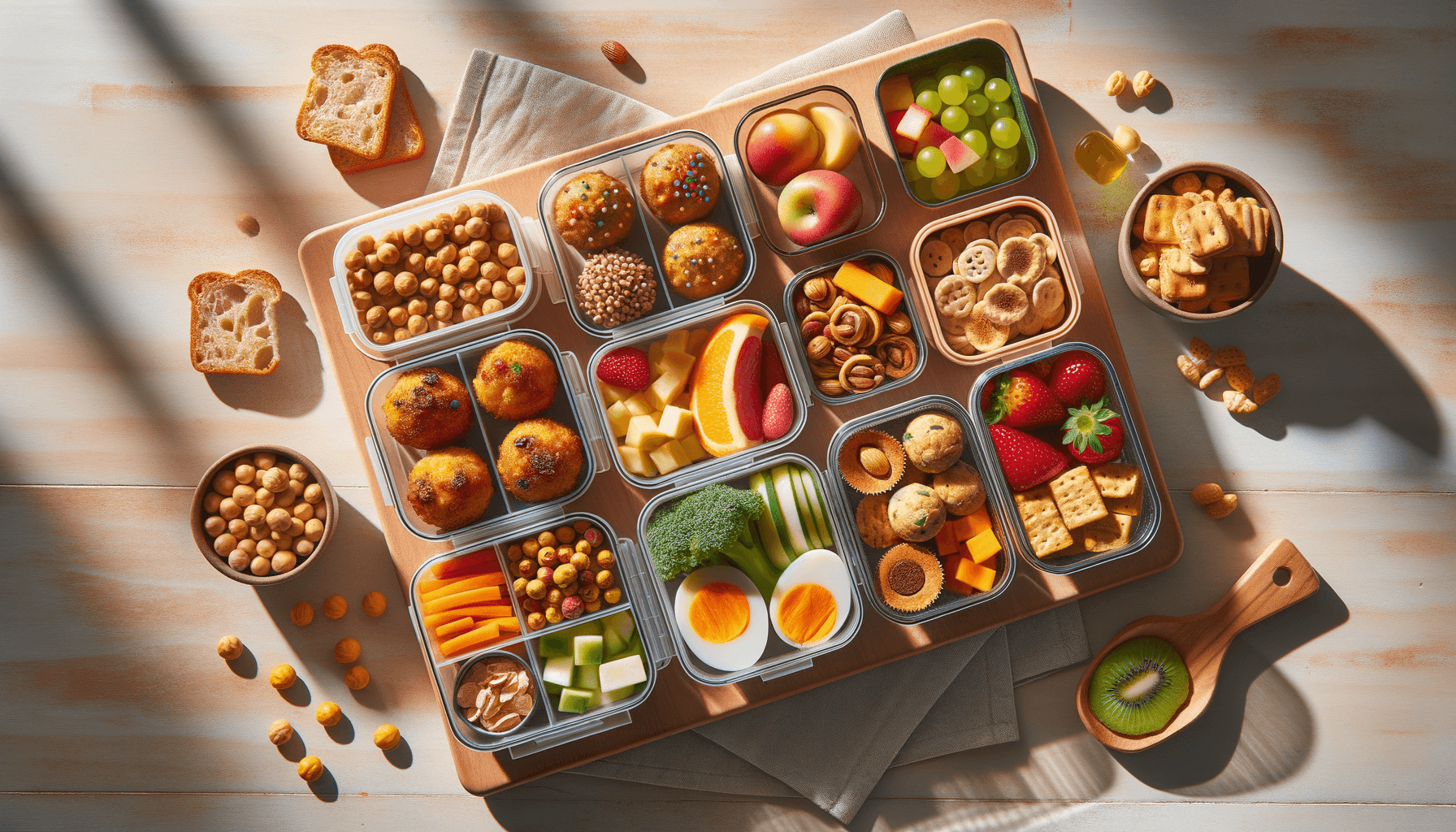
These are my go-to options that survive Australian heat and don't need ice packs:
1-5: Protein Ball Variations
- Classic Choc-Peanut: 1 cup dates, ½ cup peanut butter, ¼ cup cocoa powder, ½ cup oats
- Coconut Lime: 1 cup dates, ½ cup almond butter, zest of 2 limes, ½ cup desiccated coconut
- Vanilla Cinnamon: 1 cup dates, ½ cup cashew butter, 1 tsp vanilla, 1 tsp cinnamon
- Choc Chip: Basic recipe plus 2 tbsp mini dark chocolate chips
- Birthday Cake: Basic recipe with 2 tbsp sprinkles and ½ tsp vanilla extract
Blitz everything in a food processor for 2 minutes, roll into 20g balls. They keep for 5 days in containers.
6-10: Roasted Chickpea Flavours Start with 2 cans drained chickpeas, 2 tbsp olive oil, roast at 200°C for 25 minutes:
- Pizza: 1 tsp dried oregano, ½ tsp garlic powder, pinch of parmesan
- Smoky BBQ: 1 tsp smoked paprika, ½ tsp garlic powder, pinch of brown sugar
- Salt & Vinegar: 1 tsp salt, 1 tbsp white vinegar powder
- Honey Soy: 1 tbsp honey, 1 tbsp soy sauce (add in last 5 minutes)
- Cinnamon Sugar: 1 tsp cinnamon, 2 tsp brown sugar
11-15: Quick Assembly Options
- Mini Meatballs: Make double your dinner batch, freeze in portions
- Hard-boiled Egg Cups: Slice eggs, serve in small containers with cherry tomatoes
- Trail Mix Portions: Almonds, sultanas, dark chocolate chips, dried banana
- Seed Crackers: Homemade with pumpkin seeds, sunflower seeds, and oats
- Energy Bites: Oats, honey, peanut butter, chia seeds - no cooking required
For keeping these fresh, the Thermos FUNtainer Food Jar 290ml is brilliant for items that benefit from staying slightly warm, like mini meatballs.
Solving the 10-Minute Eating Challenge: Quick-to-Eat Options
The harsh reality of school lunch is speed. If it takes more than 30 seconds to unwrap and start eating, your kid's moving on to something easier.
Bite-sized is everything. I cut everything into pieces that fit entirely in a 6-year-old's mouth. Grapes get halved, cheese gets cubed to 1cm pieces, and anything requiring assembly gets pre-assembled.
Veggie Muffins That Actually Work:
- 2 cups self-raising flour
- 1 cup grated zucchini (squeezed dry)
- ½ cup grated carrot
- ¼ cup olive oil
- 2 eggs
- 1 cup milk
- ½ cup grated tasty cheese
Bake in mini muffin tins at 180°C for 15 minutes. Kids eat them like cupcakes, vegetables included.
Pre-cut solutions that don't go soggy:
- Apple slices with lemon juice, stored separately from other foods
- Cherry tomatoes (never cut regular tomatoes)
- Snap peas - kids love the crunch
- Cucumber rounds, not sticks (less surface area for sogginess)
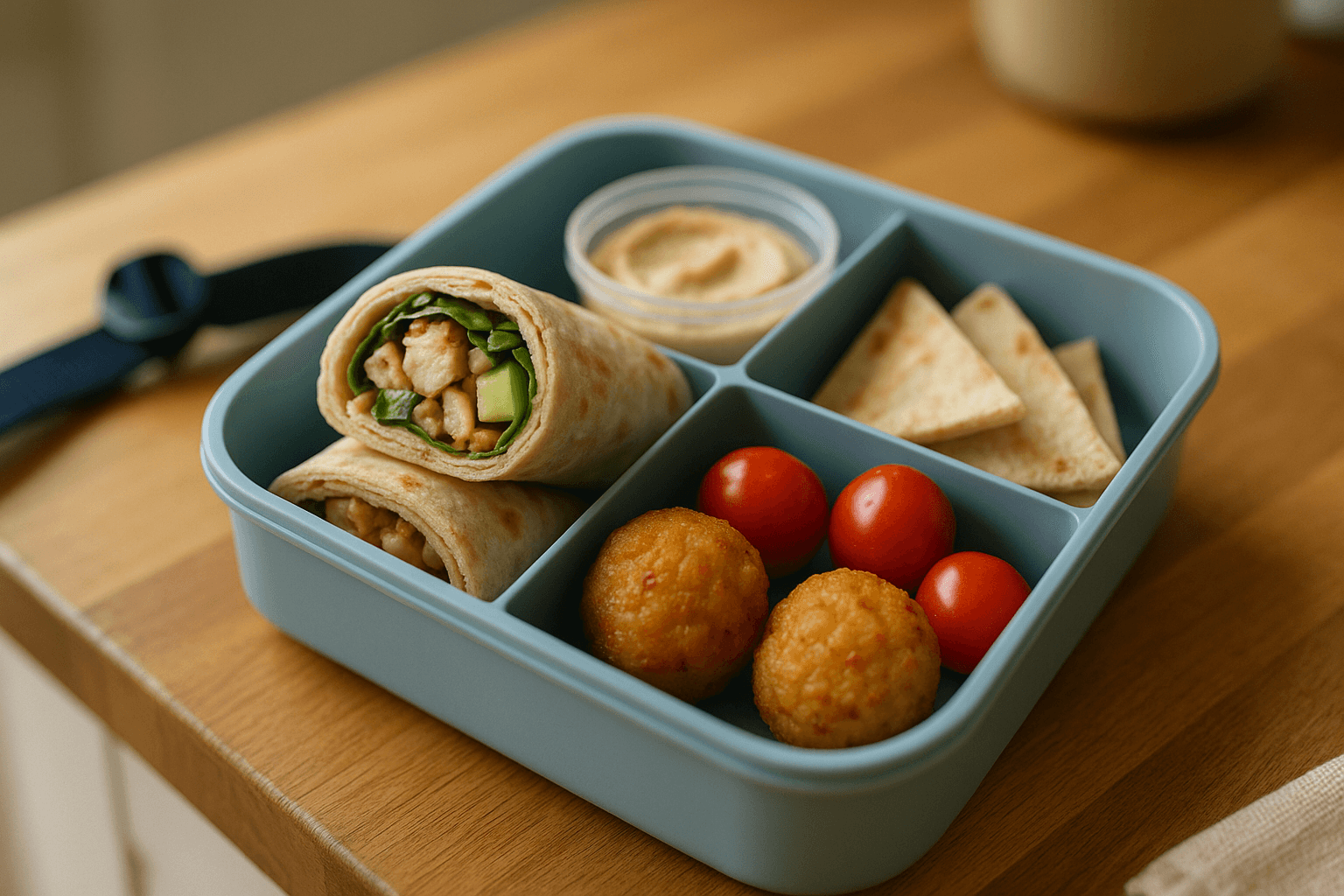
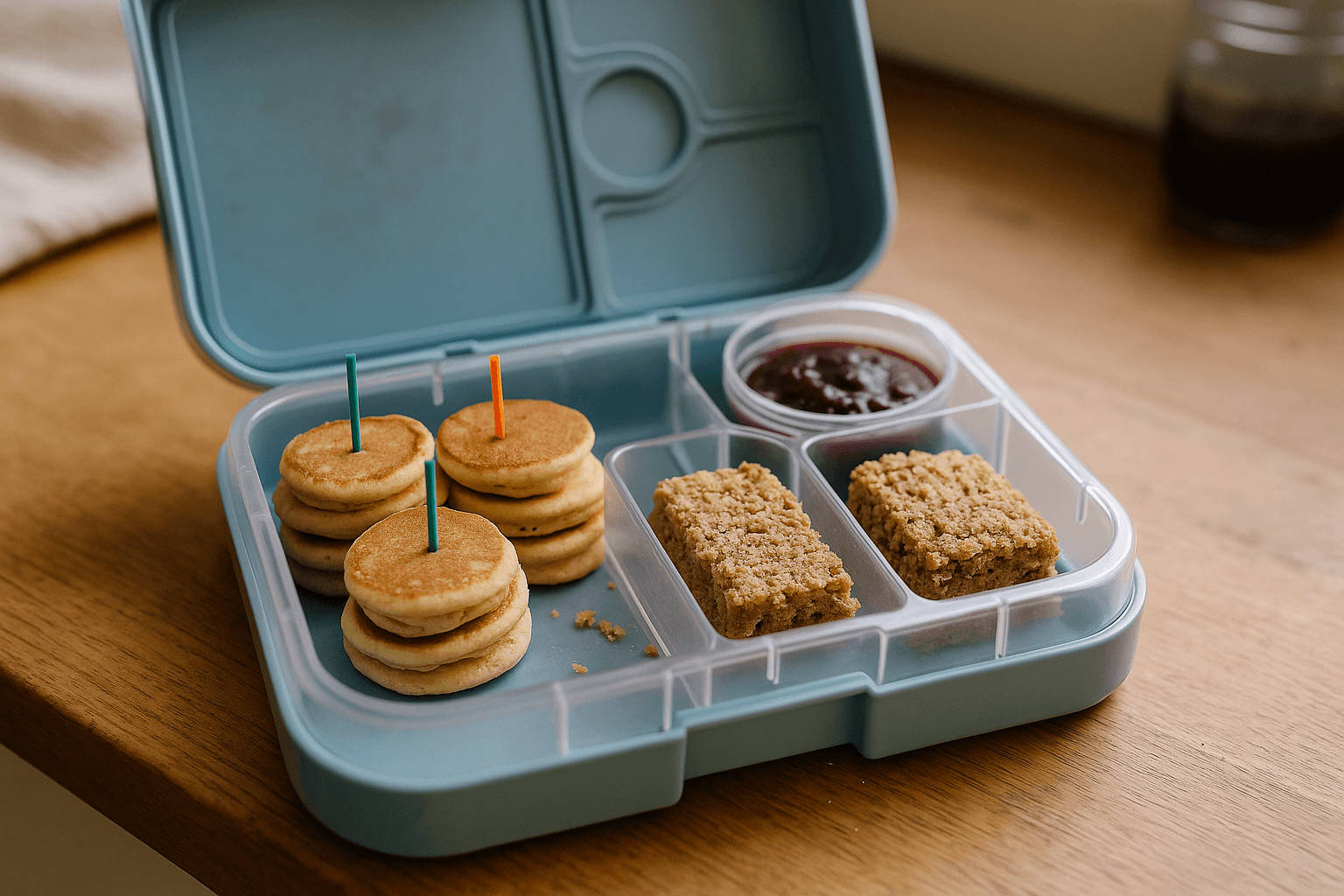
Packaging matters enormously. The Yumbox Original keeps different foods separate, so nothing gets soggy or flavour-contaminated. Worth every cent.
For our quick school lunch ideas, I focus on snacks that complement a simple sandwich without overwhelming the lunchbox.
Nut-Free Alternatives That Kids Actually Want to Eat
Nut-free doesn't mean flavour-free, but it does require creativity. After dealing with nut allergies in my kids' classes, I've developed alternatives that even nut-loving kids prefer.
Sunflower Seed Butter Options: Sunflower seed butter tastes remarkably similar to peanut butter. I make "PB&J" sandwiches that fool most kids. Mix it with honey for extra sweetness or use it in protein balls exactly like peanut butter.
Pumpkin Seed Power:
- Roasted and Salted: 2 cups raw pumpkin seeds, 1 tsp salt, roast at 180°C for 15 minutes
- Sweet Cinnamon: Add 1 tsp cinnamon and 1 tbsp brown sugar
- Savoury Herb: Dried rosemary and garlic powder
Sunflower Seed Crackers Recipe:
- 1 cup sunflower seeds
- ½ cup pumpkin seeds
- ¼ cup chia seeds
- 1 tsp salt
- ¾ cup water
Mix, spread thin on baking paper, bake at 160°C for 25 minutes. Break into pieces.
Coconut-Based Alternatives: Coconut butter works brilliantly in energy balls. Mix with dates and cocoa powder for a Bounty-bar taste that kids love.
School-Safe Protein Sources:
- Hard-boiled eggs (always popular)
- Cheese cubes with crackers
- Hummus with veggie sticks
- Greek yoghurt with berries (if refrigeration available)
- Edamame beans (surprisingly popular with kids)
Budget-Friendly Bulk Buying: Multiple Kids Without Breaking the Bank
Feeding multiple kids healthy snacks gets expensive fast. Here's how I keep costs reasonable without sacrificing nutrition.
Costco Strategies That Work:
- Dates in 2kg bags (protein balls for months)
- Nuts and seeds in bulk (store in freezer)
- Canned chickpeas by the case
- Frozen berries for smoothie additions
But don't assume Costco's always cheapest. I track prices and often find Woolworths or Coles specials beat bulk pricing on smaller quantities.
Seasonal Buying Calendar:
- Autumn: Stock up on apples and pears
- Winter: Citrus fruits and root vegetables
- Spring: Berries go on special
- Summer: Stone fruits and cucumbers
Cost Per Serving Reality Check: Homemade protein balls: 45 cents each vs $2 for packaged equivalents. Roasted chickpeas: 30 cents per serve vs $4 for packaged chickpea snacks.
Australian Supermarket Brand Winners:
- Macro Organic: Great for bulk nuts and seeds
- Woolworths Own Brand: Reliable for basic ingredients
- Coles Brand: Excellent value on canned goods
- ALDI: Unbeatable for seasonal produce
The Sistema Bento Lunch Box range offers excellent value - durable, kid-friendly, and dishwasher safe. I've got four of them and they're still going strong after two years.
Getting Kids Involved: Mess-Free Prep Activities They'll Love
Getting kids involved saves time and increases the chance they'll actually eat what they've helped make. But it needs structure or you'll spend more time cleaning than cooking.
Age-Appropriate Tasks:
Ages 4-6:
- Washing berries and grapes
- Sorting nuts and seeds by type
- Rolling pre-mixed protein ball mixture
- Counting portions into containers
Ages 7-9:
- Operating the food processor (supervised)
- Measuring dry ingredients
- Cutting soft fruits with butter knives
- Assembly line sandwich making
Ages 10-12:
- Full recipe responsibility for simple items
- Knife work with proper technique
- Planning next week's snack rotation
- Teaching younger siblings
DIY Trail Mix Recipe (Perfect Kid Activity): Set out bowls of:
- 2 cups mixed nuts
- 1 cup dried fruit (sultanas, cranberries, banana chips)
- ½ cup seeds (pumpkin, sunflower)
- ¼ cup dark chocolate chips
- ¼ cup coconut flakes
Kids create their own combinations in small containers. They're invested in eating what they've created.
Assembly Line Efficiency: Set up stations rather than having kids move around. One child at each station, pass containers down the line. Much faster and less chaotic.
Check out my 5-minute lunchbox prep ideas for more ways to involve kids in quick morning assembly.
Storage Solutions: Keeping Snacks Fresh All Week
Brilliant snacks become bin fodder if they don't store properly. After years of soggy disasters, here's what actually works.
Freezer-Friendly Champions:
- Protein balls (actually improve texture when frozen)
- Veggie muffins (defrost overnight)
- Homemade crackers (stay crisper)
- Mini meatballs (reheat in thermos containers)
Refrigerated vs Pantry Storage Rules:
Pantry (up to 5 days):
- Roasted chickpeas in airtight containers
- Energy balls in sealed containers
- Homemade crackers
- Trail mix portions
Refrigerated (up to 7 days):
- Cut fresh fruit with lemon juice
- Veggie muffins
- Hard-boiled eggs
- Hummus portions
Preventing Soggy Disasters:
- Never store wet and dry foods together
- Add silica gel packets to containers with crackers
- Use paper towel in fruit containers to absorb moisture
- Separate compartments are non-negotiable
Portion Control Container System: I use Glad Snap Lock Containers Small Rectangle 4-Pack for individual portions. They're cheap enough to buy multiples, stack well, and kids can manage the lids independently.
For keeping everything cold without ice packs, the PackIt Freezable Lunch Bag is genius. The entire bag freezes, so no separate ice packs needed. Brilliant for Australian summers.
Weekly Rotation Strategy: Prep 2-3 different snacks each weekend, rotating favourites. Kids don't get bored, and you're not making the same thing every week.
The key is having systems that work when you're rushing Tuesday morning, not just when you're organised on Sunday. These snacks and storage solutions handle real life - school drop-offs, forgotten lunchboxes, and kids who change their minds about what they like.
Start with three snacks from this list, nail the storage system, then gradually expand. Your kids will actually eat healthy snacks, and you'll save money while reducing morning stress. Win-win.
How useful was this?
Quick school lunch ideas from Melbourne, Australia.
20 lunchbox ideas on one page. Print it, fridge it.
Written by Pat
Dad of two, Melbourne. Half Chinese, raised on incredible food. I make quick school lunches and test every piece of gear before recommending it. No bento art — just real food made with love.
This content is for general information only. Always check ingredients for allergens and consult a health professional for dietary advice. See our Terms & Conditions.