In this article
Right, let's talk about nude food lunchboxes. If you've heard the term floating around school pickup or seen it on newsletters, you're probably wondering what the hell it actually means and whether it's worth the hassle. Spoiler alert: it is, but only if you approach it sensibly.
Nude food is simply food without packaging – no plastic wrap, no single-use containers, no individually wrapped snacks. It's about putting real food into reusable containers and calling it a day. The concept has exploded across Australian schools, and for good reason: each packed lunch typically creates three pieces of litter, which adds up to 30kg of waste per child per year.
I'm going to walk you through a 30-day challenge that'll get your family transitioned to nude food lunches without losing your sanity or your mortgage to fancy containers. This isn't about perfection – it's about progress that actually sticks.
What Is Nude Food and Why Australian Schools Are Embracing It
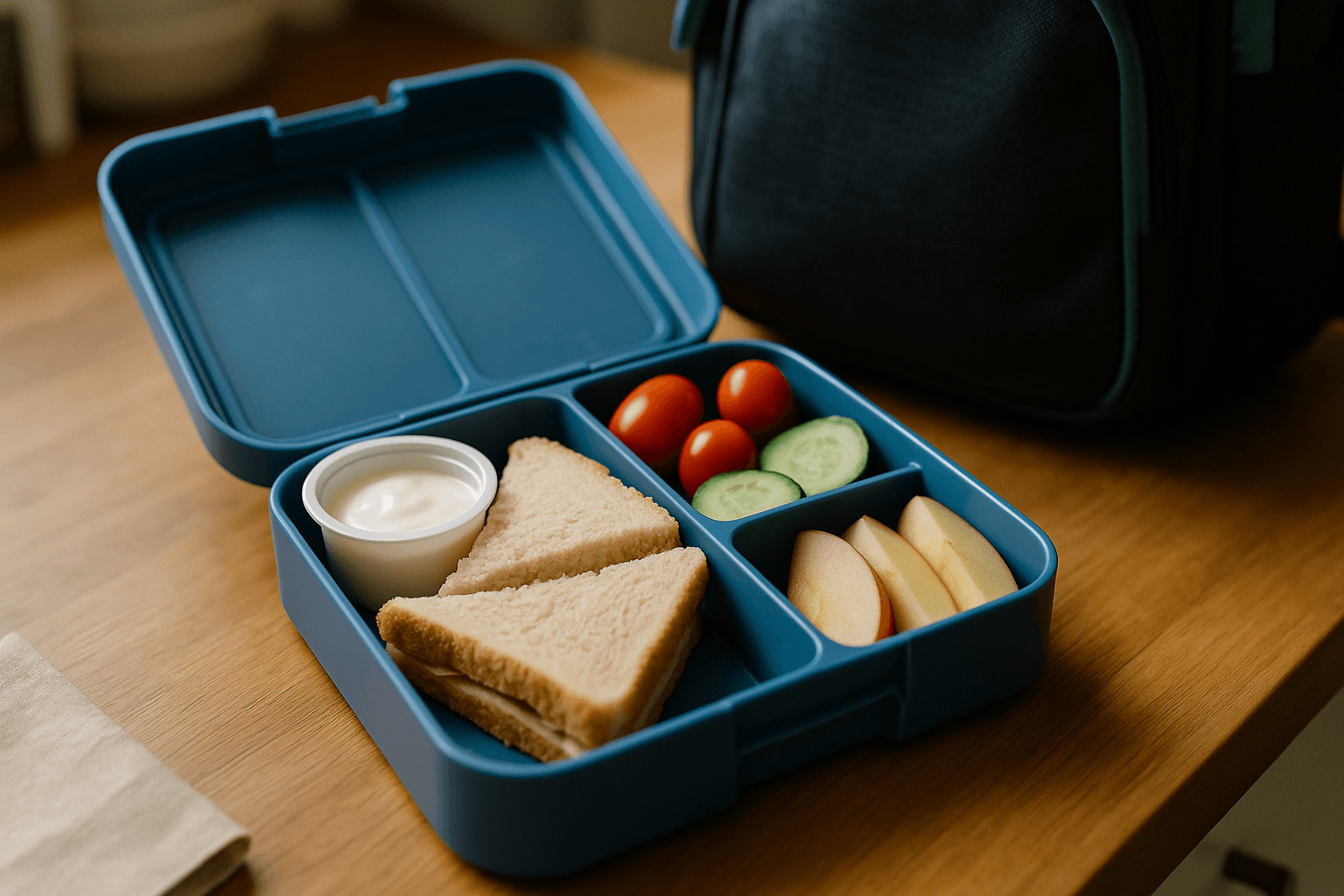
Nude food means unpackaged food in reusable containers. That's it. No plastic wrap around sandwiches, no individual yoghurt pouches, no packets of crackers. Instead, you're looking at compartmentalised lunchboxes, reusable containers, and food that travels well without single-use packaging.
The environmental impact is staggering. Over 4 million Australians participated in Nude Food Day in 2016, and the movement has only grown since then. But here's what sold me on it as a parent: nude food lunches tend to be healthier by default. When you can't rely on packaged snacks, you naturally include more fresh fruit, vegetables, and homemade options.
30kg
of lunch waste per child annually
EnviroWeek data via Little Treehouse Lane
from traditional packed lunches with single-use packaging
Australian schools are embracing nude food because it works. A recent study of 673 South Australian school lunchboxes found that 38.2% of food items were unpackaged and stored in compartmentalised containers. These weren't just the "crunchy granola" families either – this was mainstream adoption because parents realised it saves money and reduces morning stress.
The health benefits go beyond environmental impact. When you're packing nude food, you're naturally including more whole foods. Only 4.6% of Australian children aged 2-17 meet daily vegetable recommendations, but nude food lunches make it easier to sneak in extra serves through cut vegetables, homemade slices, and fresh fruit.
The 30-Day Challenge Structure: Weekly Themes That Work
Here's how we're going to tackle this: four weeks, each with a specific focus. This progressive approach prevents the overwhelm that kills most good intentions by February.
Week 1: Foundation – Get the right containers and make simple swaps Week 2: Systems – Develop prep routines that work with your schedule Week 3: Refinement – Handle the tricky stuff like fussy eaters and peer pressure Week 4: Mastery – Advanced techniques and cost-saving strategies
This timeline works for dual-income families because it builds habits gradually. You're not trying to revolutionise everything on day one – you're making small changes that compound over four weeks.
Challenge Structure
Week 1: Foundation
Container setup and basic swaps – budget $50-80 for essential containers
Week 2: Systems
Establish Sunday prep routines – aim for 30 minutes prep for 5 days of lunches
Week 3: Refinement
Address picky eating and presentation – focus on acceptance over perfection
Week 4: Mastery
Seasonal produce integration and bulk buying – target 20% cost reduction
The built-in flexibility is crucial. If Week 2 doesn't go perfectly, you don't abandon the whole thing – you adjust and keep moving. This isn't about becoming the Pinterest parent; it's about creating a sustainable system that works for real families.
Week 1: Getting Started - Essential Containers and Basic Swaps
Your first week is about getting the infrastructure right. Don't overthink this – you need containers that seal properly, fit in school bags, and survive the dishwasher. That's it.
Essential Container Kit (Budget: $60-80)
- 2x compartmentalised bento boxes (one for washing, one for packing)
- 4x small containers for wet foods (yoghurt, dips, sauces)
- 2x insulated drink bottles
- 1x set of ice packs
The Sistema Bento Lunch Box is my go-to starter recommendation. It's $25-30, dishwasher safe, and the compartments are the right size for primary school kids. The clips are robust enough to handle daily school bag abuse, and the proportions encourage balanced meals without you having to think about it.
Container Reality Check
Start with one good bento box per child. Don't buy five different container types in week one – you'll just create decision fatigue every morning. Master one system first.
Week 1 Simple Swaps:
- Plastic-wrapped sandwiches → Cut sandwiches in bento compartments
- Individual yoghurt tubes → Bulk yoghurt in small containers
- Packet crackers → Homemade crackers or cut cheese portions
- Packaged fruit snacks → Fresh fruit pieces
- Single-use drink pouches → Water bottles with homemade cordial
Food safety is non-negotiable. Wash containers with hot soapy water daily, and replace any with cracks or damaged seals immediately. In Australian heat, anything with dairy or meat needs an ice pack – no exceptions.
For budget-conscious families, start with Kmart's compartmentalised containers ($8-12 each) and upgrade as you figure out what works. The key is getting started, not having the perfect setup from day one.
Week 2: Mastering Meal Prep - Sunday Strategies for Busy Parents
Week 2 is where the magic happens – you develop systems that make nude food lunches faster than traditional packing, not slower.
The Sunday 30-Minute Prep Session:
- 10 minutes: Wash and cut vegetables (carrots, cucumber, capsicum)
- 10 minutes: Prepare protein portions (boiled eggs, leftover roast chicken)
- 5 minutes: Portion snacks (nuts, homemade muesli bars)
- 5 minutes: Set up assembly line for Monday morning
This isn't about cooking elaborate meals – it's about having components ready to assemble quickly. I use the Sistema To Go Dressing Pot 4-Pack ($12) to portion out yoghurt, hummus, and other wet foods on Sunday night. Four containers give me options for the week without daily prep.
Sunday Evening Prep Routine
Vegetable prep
Wash and cut 5 days worth of raw vegetables while dinner dishes dry
Protein portioning
Divide leftover roast meat, boil 6 eggs, or prepare other protein sources
Snack containers
Fill small containers with nuts, seeds, or homemade treats
Assembly setup
Line up lunchboxes and containers for quick morning assembly
The game-changer is integrating dinner leftovers. Tuesday night's roast becomes Wednesday's lunch protein. Thursday's stir-fry vegetables become Friday's lunch sides. This approach requires zero additional cooking – you're just being strategic about portions.
For comprehensive strategies on maximising your Sunday prep time, check out our comprehensive Sunday meal prep guide which covers the full system in detail.
Evening Assembly Strategy: Pack lunchboxes after dinner while you're already in the kitchen. It takes 3 minutes per child when components are prepped, compared to 8-10 minutes of morning scrambling with individual packages.
Get Your Seasonal Lunch Calendar
Month-by-month ideas using what's fresh and affordable
Week 3: Creative Solutions - Handling Picky Eaters and Peer Pressure
This is where most families hit their first real challenge. Your perfectly planned nude food lunch comes home untouched, or your child complains that their lunch "looks different" from everyone else's.
Picky Eater Transition Strategies:
- Start with familiar foods in new containers rather than new foods in new containers
- Use bridge foods: if they love packaged crackers, transition to homemade crackers with the same shape
- Make changes gradually: replace one packaged item per week, not everything at once
- Involve them in Sunday prep – kids eat what they help make
The visual appeal trick that works consistently is colour variety. A lunchbox with 4-5 different colours looks abundant and appealing, even if it's simple foods. Red capsicum strips, orange carrot sticks, yellow cheese cubes, green cucumber rounds, and purple grapes hit that visual target easily.
Managing Peer Pressure: Kids notice differences, and some will comment on nude food lunches. Prepare your child with simple responses: "My family cares about the environment" or "We like making our own food." Most importantly, ensure their lunch tastes good – peer pressure dissolves when other kids want to try your food.
For detailed approaches to transitioning reluctant eaters, our proven strategies for picky eaters covers specific techniques that work in real-world situations.
Child Involvement in Nude Food Prep
Pros
Increases acceptance of unfamiliar foods
Teaches practical life skills
Creates positive associations with healthy eating
Reduces morning resistance to packed lunches
Cons
Extends prep time initially
Requires patience with imperfect results
Not practical for very young children
Can create mess that needs managing
Presentation Techniques That Work:
- Cut sandwiches into interesting shapes (triangles, strips, squares)
- Use silicone muffin cups to separate small items within compartments
- Include one "special" item that feels like a treat (homemade cookie, fancy cheese)
- Maintain consistent favourites while introducing new items gradually
Week 4: Advanced Techniques - Seasonal Produce and Cost-Saving Tips
By week 4, you've got the basics sorted. Now we optimise for cost and variety using seasonal Australian produce.
Seasonal Buying Strategy:
- Summer: Stone fruits, berries, tomatoes, cucumber
- Autumn: Apples, pears, pumpkin, sweet potato
- Winter: Citrus fruits, broccoli, cauliflower, carrots
- Spring: Strawberries, asparagus, new potatoes, leafy greens
Buying seasonal produce reduces costs by 30-40% compared to out-of-season options. A 2kg bag of seasonal apples costs $4-6 versus $8-10 for imported varieties. Over a school term, this adds up to significant savings.
Bulk Buying for Nude Food:
- 1kg Greek yoghurt ($6) replaces 20 individual tubes ($15)
- 2kg block cheese ($16) replaces 40 individual portions ($25)
- 5kg flour ($4) makes 50+ homemade muesli bars versus $40 for packaged equivalents
The advanced container organisation system involves dedicating specific containers to specific food types. Wet foods always go in the same small containers, dry snacks in the same compartments. This consistency speeds up morning assembly and helps kids know what to expect.
Cost Comparison: Bulk vs Individual Portions
Creating Variety with Limited Ingredients: The same base ingredients can create multiple lunch variations. Eggs become boiled eggs Monday, egg sandwiches Tuesday, and mini frittatas Wednesday. Seasonal fruit gets rotated through different compartments and preparations – whole, sliced, or combined with yoghurt.
Essential Nude Food Container Guide for Australian Families
After testing dozens of containers in real school conditions, here's what actually works for Australian families.
Compartmentalised vs Single Containers: Compartmentalised boxes win for primary school kids because they encourage variety and prevent food mixing. Single containers work better for high schoolers who can manage multiple separate containers.
Temperature Control Considerations: Australian school bags sit in 35°C+ heat regularly. Any container with dairy, meat, or egg-based foods needs insulation. The Fit & Fresh Cool Coolers Ice Packs (4-pack) ($15) are thin enough to fit in most lunchboxes without taking up food space.
Top Nude Food Containers for Australian Schools
Sistema Bento Box
$25
- ·5 compartments
- ·Dishwasher safe
- ·BPA free
- ·Fits standard lunch bags
Robust clips survive daily use
Compartment sizes suit primary school portions
Wide availability in Australian stores
Limited insulation
Clips can be stiff for younger children
Best overall value for families starting nude food journey
Yumbox Original
$45
- ·6 compartments
- ·Leak-proof design
- ·Tray removes for easy cleaning
- ·Premium materials
Excellent build quality
Completely leak-proof for wet foods
Attractive design kids love
Higher price point
Smaller compartments may not suit big eaters
Premium option worth the investment for daily use
Kmart Bento Box
$12
- ·4 compartments
- ·Basic seal system
- ·Budget-friendly
- ·Multiple colours
Very affordable entry point
Adequate for dry foods
Easy replacement if lost
Seals not reliable for wet foods
Clips break with heavy use
Good starter option but plan to upgrade
Durability Testing Results: After 6 months of daily school bag abuse, the Sistema boxes showed minor wear but remained functional. The Yumbox showed virtually no wear. Budget options typically need replacement after one school term of regular use.
For comprehensive reviews and testing data, see our detailed lunchbox comparison which covers 15+ options in real-world conditions.
30 Quick Nude Food Lunch Ideas by Week
Week 1: Simple Swaps and Basic Combinations
- Vegemite sandwiches (triangles) + apple slices + cheese cubes + water
- Ham and cheese roll-ups + carrot sticks + grapes + milk
- Boiled egg halves + wholemeal crackers + cucumber rounds + orange segments
- Tuna and avocado wrap pieces + cherry tomatoes + strawberries + water
- Chicken strips + rice crackers + capsicum strips + pear slices
- Cheese and spinach quesadilla wedges + sugar snap peas + blueberries + milk
- Leftover roast beef + bread roll + celery sticks + seasonal fruit
Week 2: Prep-Ahead Options and Leftover Transforms 8. Mini frittata cups + wholemeal muffin + broccoli florets + apple slices 9. Chicken drumstick + dinner roll + roasted pumpkin pieces + grapes 10. Leftover bolognese + pasta + grated cheese + green beans + orange 11. Meatball skewers + pita bread + cucumber + strawberries 12. Roast vegetable slice + crackers + cherry tomatoes + pear 13. Leftover stir-fry + rice + edamame + seasonal fruit 14. Sausage slices + bread + roasted sweet potato + berries
Week 3: Kid-Friendly Presentations and Variety 15. Rainbow veggie pinwheels + hummus + crackers + fruit salad 16. Cheese and ham skewers + breadsticks + capsicum + grapes 17. Mini pancakes + yoghurt + berries + nuts (if allowed) 18. Chicken salad lettuce cups + wholemeal roll + carrot + apple 19. Zucchini slice squares + cherry tomatoes + cheese cubes + orange 20. Turkey and avocado wraps + snap peas + strawberry + milk 21. Mini quiche + crackers + cucumber + seasonal fruit
Week 4: Seasonal Specialties and Advanced Combinations 22. Seasonal fruit salad + yoghurt + granola + cheese stick 23. Pumpkin soup (thermos) + bread roll + raw vegetables + apple 24. Seasonal vegetable fritters + dip + crackers + citrus fruit 25. Sweet potato and feta slice + salad vegetables + pear 26. Seasonal fruit smoothie + muffin + protein (egg/cheese) + vegetables 27. Roasted seasonal vegetables + protein + bread + fruit 28. Seasonal produce pasta salad + protein + raw vegetables + fruit 29. Seasonal fruit and cheese platter + crackers + vegetables + water 30. Celebration lunch: child's favourite combinations in nude food format
The key to nude food success isn't perfect meals – it's consistent systems. Focus on 5-7 reliable combinations that your family enjoys, then add variety gradually using seasonal produce and leftover dinner components.
Troubleshooting Common Nude Food Challenges
Food Safety in Hot Australian Weather This is non-negotiable. Anything containing dairy, eggs, or meat needs temperature control. Use insulated lunch bags with ice packs, and teach kids to eat protein items first. In temperatures above 30°C, consider thermos containers for cold foods like yoghurt.
For comprehensive hot weather strategies, check our hot weather food safety guide which covers specific techniques for extreme Australian conditions.
Handling Multiple Food Allergies in Nude Food Nude food can actually simplify allergy management because you control every ingredient. However, cross-contamination becomes a bigger risk with reusable containers. Dedicate specific containers to allergen-free foods and wash them separately.
Our allergen-free lunch strategies provides detailed approaches for managing multiple allergies within nude food systems.
Common Nude Food Questions
Managing Increased Morning Prep Time The solution is shifting prep to the evening. Pack lunchboxes after dinner when you're already in the kitchen with clean hands and available ingredients. Morning assembly should take 2-3 minutes maximum – just adding ice packs and grabbing from the fridge.
Dealing with School Policy Restrictions Some schools have specific requirements about container sizes, materials, or labelling. Get these details from the office before investing in containers. Most Australian schools actively support nude food initiatives, but individual policies vary.
The 30-day nude food challenge isn't about perfection – it's about creating sustainable habits that work for real families. Start with Week 1's simple swaps, build your systems in Week 2, refine your approach in Week 3, and optimise for cost and variety in Week 4.
By the end of 30 days, you'll have a system that saves money, reduces waste, and probably improves your kids' nutrition without adding stress to your mornings. That's a win worth the effort.
For ongoing inspiration and seasonal ideas, our leftover dinner transformation ideas will help you maintain variety without additional cooking throughout the school year.
How useful was this?
Get Your Free Seasonal Lunch Calendar
Monthly nude food ideas using fresh, affordable seasonal produce
Written by Pat
Dad of two, Melbourne. Half Chinese, raised on incredible food. I make quick school lunches and test every piece of gear before recommending it. No bento art — just real food made with love.