In this article
Right, let's cut through the lunchbox chaos. If you're like most Aussie parents, you're spending way too much time and money on school lunches. Between the tuckshop orders averaging $8.77 each and the daily scramble to pack something nutritious, it's exhausting.
Here's the thing: batch cooking freezer-friendly lunchbox foods isn't just trendy meal prep nonsense. It's a genuine time and money saver that works. I've been doing this for three years, and it's transformed our mornings from frantic food assembly to grabbing pre-made portions from the freezer.
Why Freezer-Friendly Lunchbox Foods Are a Game-Changer for Australian Families
Let's start with the numbers that matter. 90% of Australian school children bring home-packed lunches, and most of us are winging it daily. That's exhausting and expensive.
Here's what proper batch cooking delivers:
- 6-8 hours saved per week (that's proven meal prep data)
- Up to $2,500 annual savings through reduced food waste
- $350-450 less on tuckshop orders per child per year
- Consistent nutrition instead of whatever's in the pantry panic-grab
From a dad's efficiency perspective, this is about running your kitchen like a small operation. One focused cooking session beats seven rushed morning assemblies every single time.
The Sunday Systems Approach: My 2-Hour Batch Cooking Method
Forget complicated meal prep schedules. Here's my streamlined Sunday system that actually works:
Hour 1: Prep and Start
- 0-15 minutes: Get all containers, labels, and ingredients organised
- 15-30 minutes: Start long-cooking items (mini quiches, meatballs)
- 30-45 minutes: Prep raw ingredients (grate cheese, chop veggies)
- 45-60 minutes: Start second batch of items (energy balls, wraps)
Hour 2: Finish and Store
- 60-90 minutes: Complete cooking, cool items properly
- 90-105 minutes: Portion everything into freezer containers
- 105-120 minutes: Label with contents and freeze-by dates
Kitchen Setup Tips:
- Clear your entire bench space first
- Set up assembly line stations (prep → cook → cool → pack)
- Use your slow cooker, air fryer, and oven simultaneously
- Have all containers and labels ready before you start
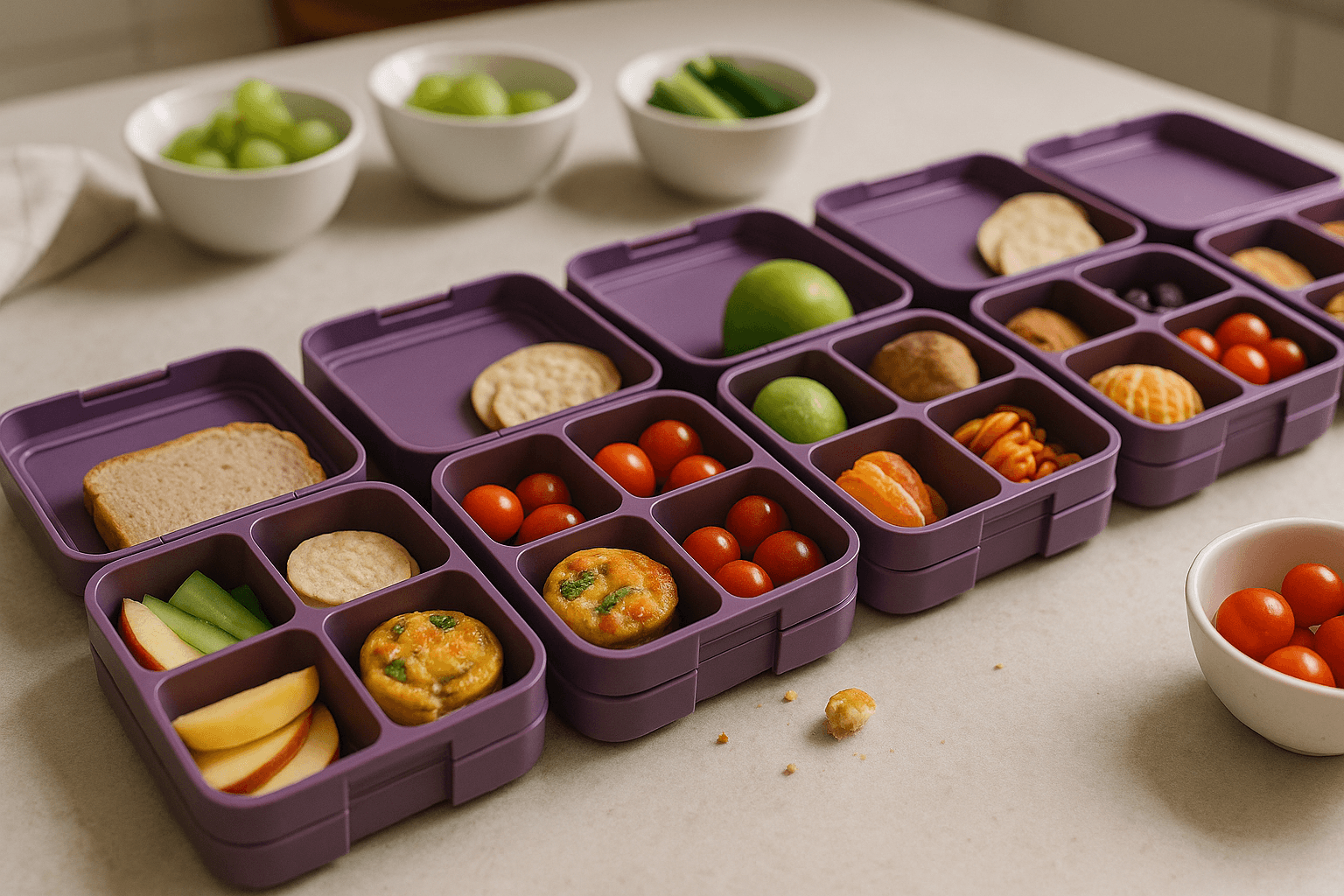
This system lets you prep 20-25 individual lunchbox portions in one focused session.
Essential Equipment for Successful Lunchbox Batch Cooking
You don't need expensive gadgets, but the right basics make everything smoother:
Freezer Storage:
- Glass containers with tight lids (avoid plastic taste transfer)
- Silicone portion cups for small items like energy balls
- Freezer bags for wraps and sandwiches
- Quality labels that stick in freezer conditions
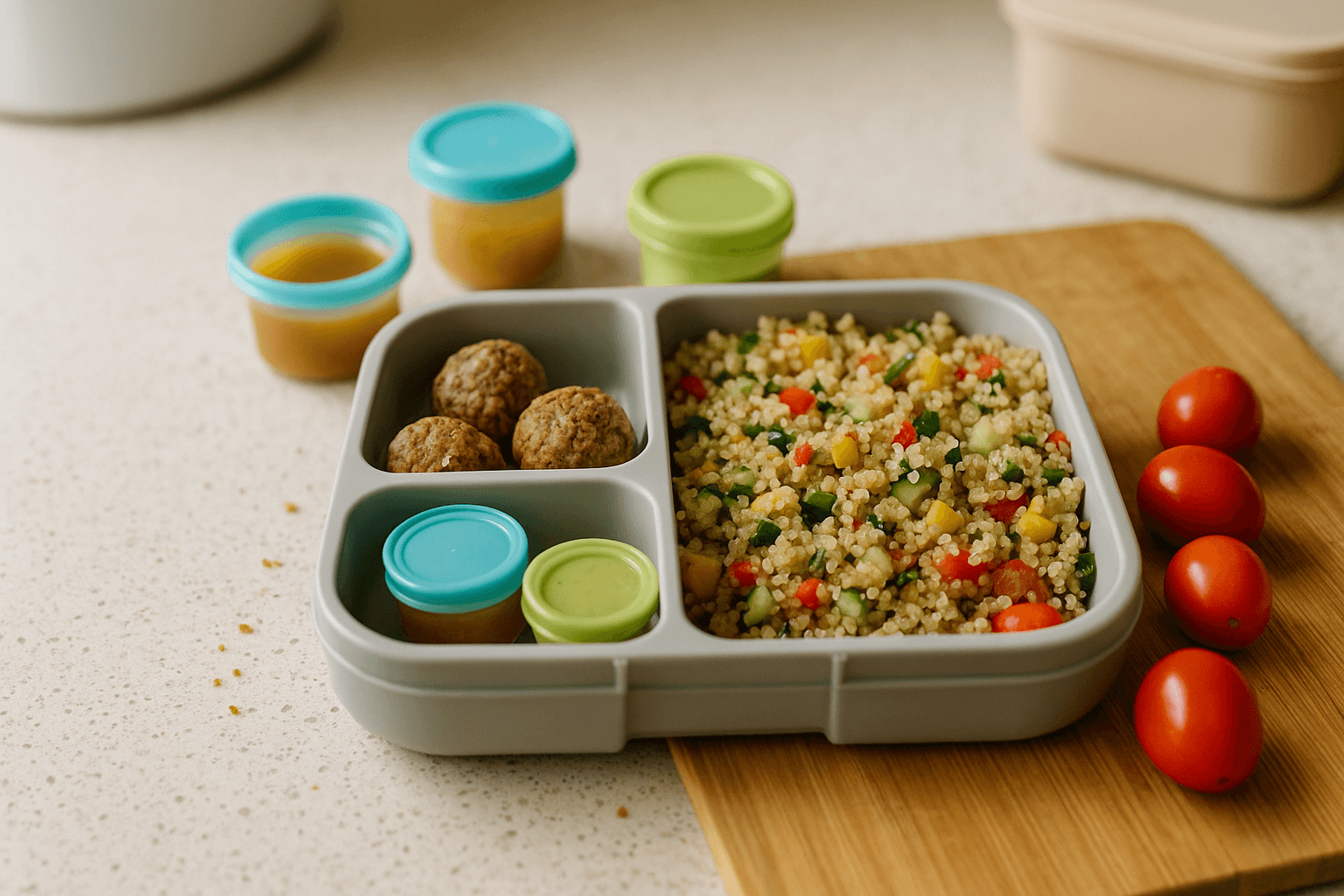
Daily Lunchboxes: The Sistema Bento Lunch Box works brilliantly for frozen-to-fresh items. The compartments keep everything separate while items thaw naturally.
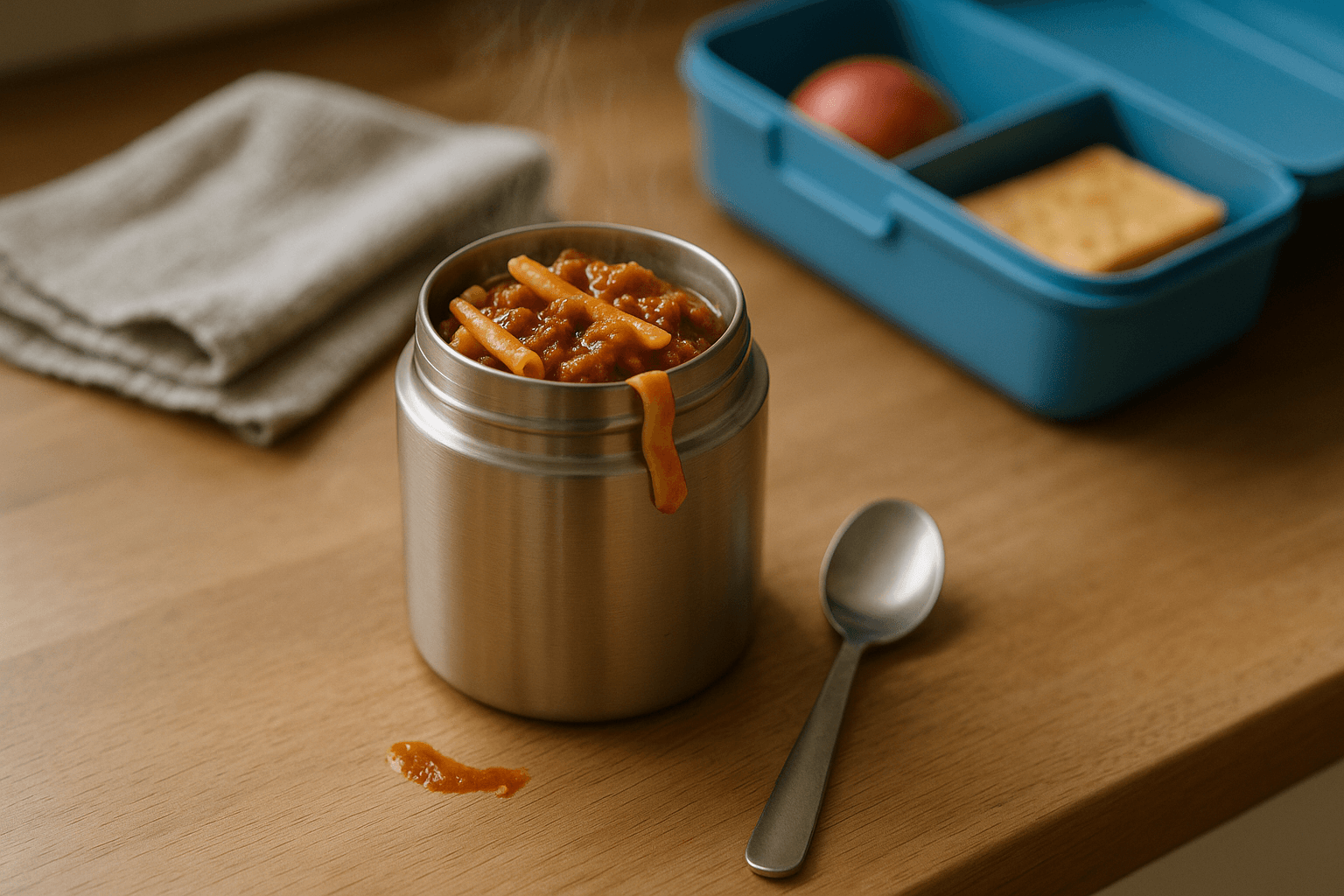
Hot Food Storage: For items that need reheating, check our guide on the best food thermos options - the Thermos FUNtainer Food Jar 290ml handles batch-cooked soups and pasta perfectly.
Cooling Essentials: Fit & Fresh Cool Coolers Ice Packs are non-toxic and stay cold longer than generic options. Essential for Australian school bags sitting in hot classrooms.
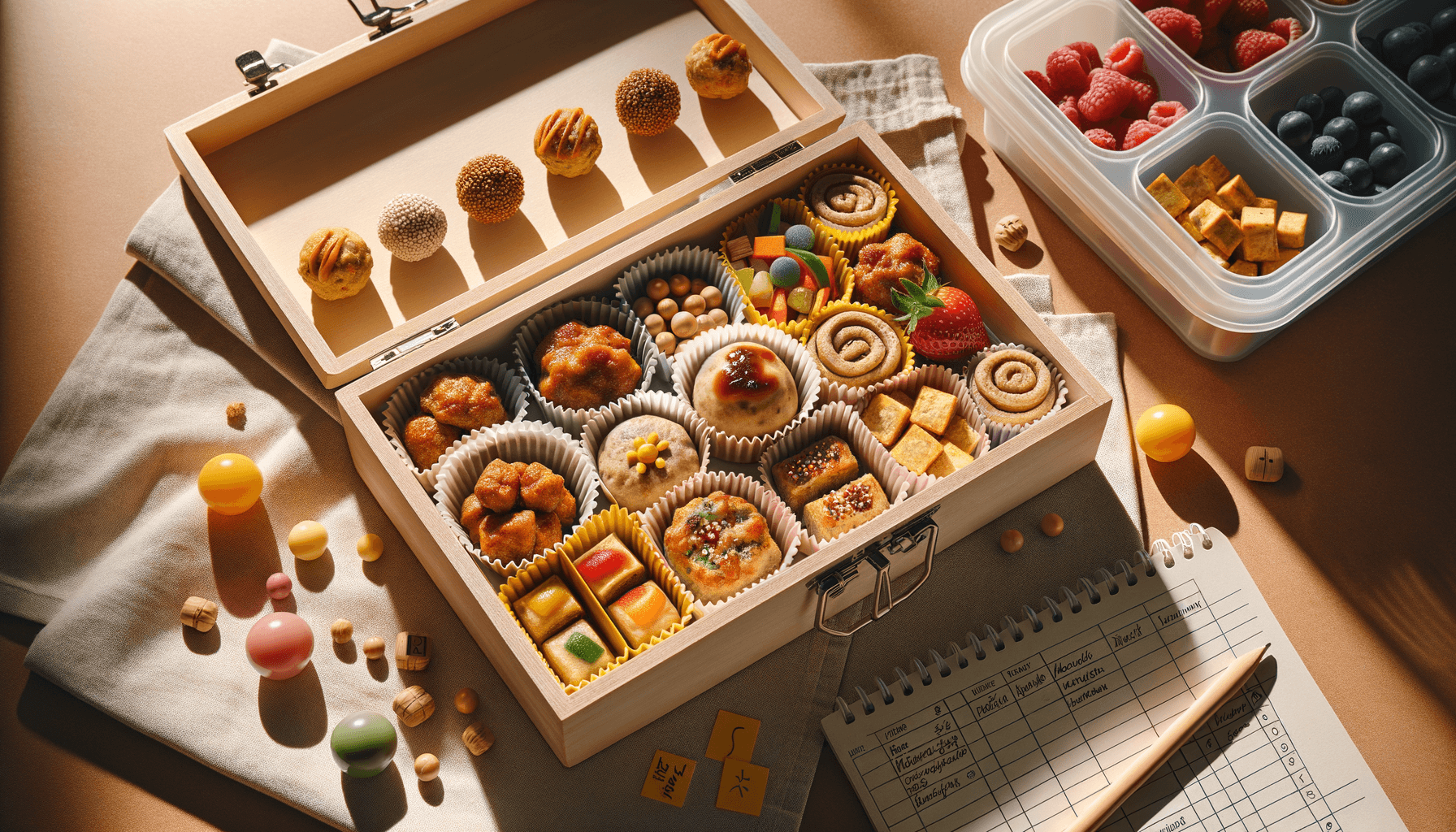
25+ Freezer-Friendly Lunchbox Recipes Kids Actually Eat
These aren't Pinterest-perfect creations. They're tested recipes that survive freezing, taste good after thawing, and get eaten by actual children.
Savoury Freezer Champions: Main Meal Ideas
Hidden Veggie Mini Meatballs
Makes 40 portions | Freezes 3 months
- 1kg beef mince
- 2 cups finely grated carrot and zucchini
- 1 cup breadcrumbs
- 2 eggs
- 1 packet onion soup mix
- Mix everything, roll into walnut-sized balls
- Bake 200°C for 15 minutes
- Cool completely, freeze in portions of 4-5 balls
- Thaw overnight, eat cold or reheat 30 seconds
Freezable Lunch Wraps
Makes 12 wraps | Freezes 2 months
- 12 tortillas
- 400g cream cheese (prevents sogginess)
- 300g sliced ham or chicken
- 2 cups grated cheese
- 1 cup finely shredded lettuce
- Spread cream cheese to edges of tortilla
- Add fillings, leaving 2cm border
- Roll tightly, wrap individually in foil
- Freeze flat, thaw overnight in lunchbox
Mini Quiche Cups
Makes 24 cups | Freezes 3 months
- 6 eggs
- 1 cup milk
- 2 cups mixed vegetables (corn, peas, diced ham)
- 1½ cups grated cheese
- 2 sheets puff pastry
- Line muffin tins with pastry circles
- Whisk eggs and milk, add vegetables and cheese
- Fill pastry cases ¾ full
- Bake 180°C for 20 minutes until set
- Cool completely before freezing
Homemade Sausage Rolls
Makes 20 rolls | Freezes 3 months
- 500g sausage mince
- 1 grated carrot
- 1 grated apple
- 2 sheets puff pastry
- 1 egg for glazing
- Mix mince, carrot, and apple
- Spread along pastry sheets, roll and seal
- Cut into portions, brush with egg
- Bake 200°C for 25 minutes
- Cool completely before freezing
Snacks and Sides That Freeze Like a Dream
No-Bake Energy Balls
Makes 30 balls | Freezes 2 months
- 2 cups rolled oats
- ½ cup peanut butter (check school nut policy)
- ⅓ cup honey
- ½ cup mini chocolate chips
- ⅓ cup desiccated coconut
- Mix everything in large bowl
- Refrigerate 30 minutes
- Roll into balls, freeze on trays
- Transfer to containers once frozen solid
Savoury Mini Muffins
Makes 24 muffins | Freezes 3 months
- 2 cups self-raising flour
- 1 cup milk
- ⅓ cup oil
- 1 egg
- 1 cup grated cheese
- 1 cup corn kernels
- ½ cup diced ham
- Mix wet ingredients, then fold in dry
- Add cheese, corn, and ham
- Bake in mini muffin tins 180°C for 15 minutes
- Cool completely before freezing
Veggie Chips
Makes 4 cups | Freezes 1 month
- 2 large sweet potatoes, thinly sliced
- 2 beetroots, thinly sliced
- 2 tbsp olive oil
- 1 tsp salt
- Toss vegetables with oil and salt
- Bake 160°C for 45 minutes, turning once
- Cool completely, store in airtight containers
- Freeze in portion-sized bags
Fruit and Yogurt Pops
Makes 12 pops | Freezes 2 months
- 2 cups Greek yogurt
- ½ cup honey
- 2 cups mixed berries
- Ice pop moulds
- Blend yogurt and honey
- Layer with berries in moulds
- Freeze 4 hours minimum
- Wrap individually for lunchbox storage
Food Safety and Storage: Keeping Your Batch-Cooked Meals Safe
This isn't optional stuff - proper food safety prevents illness and food waste.
Cooling Rules:
- Cool food to room temperature within 2 hours
- Never put hot food directly in freezer
- Use shallow containers for faster cooling
- Ice baths speed up cooling for large batches
Freezer Storage Times:
- Cooked meat dishes: 3 months maximum
- Baked goods: 2-3 months
- Dairy-based items: 1-2 months
- Energy balls and raw treats: 2 months
Safe Thawing for Lunchboxes:
- Thaw overnight in fridge, not on bench
- Use thawed items within 24 hours
- Never refreeze previously frozen food
- Pack with ice packs in Australian heat
Climate Considerations: In our heat, frozen lunchbox items help keep everything cool. Pack frozen energy balls or muffins - they'll thaw perfectly by lunch while keeping other items fresh.
Australian School Considerations: Nut Policies and Climate Tips
Nut-Free Alternatives:
- Replace peanut butter with sunflower seed butter in energy balls
- Use tahini instead of almond butter
- Check all ingredients for "may contain nuts" warnings
- Have backup nut-free recipes ready
Hot Climate Storage:
- Pack frozen items to keep lunchboxes cool
- Use insulated lunch bags like the PackIt Freezable Lunch Bag
- Avoid mayo-based items in summer
- Include frozen water bottles as extra cooling
School Policy Compliance:
- Check canteen heating policies (some schools won't reheat)
- Ensure all containers are clearly labelled
- Pack appropriate utensils for frozen-then-thawed items
- Consider texture changes after thawing
Troubleshooting Common Freezer Meal Problems
Preventing Freezer Burn:
- Remove as much air as possible from containers
- Use quality freezer bags and containers
- Label everything with freeze dates
- Rotate stock - first in, first out
Texture Issues After Thawing:
- Lettuce and tomatoes don't freeze well (add fresh)
- Cream cheese prevents sogginess in wraps
- Slightly undercook pasta for reheating
- Accept that some texture change is normal
Kids Rejecting Previously Frozen Food:
- Start with naturally cold items (energy balls)
- Don't tell them it was frozen initially
- Mix frozen and fresh items in same lunchbox
- Let them help choose which items to batch cook
Container Failures:
- Test new containers with water first
- Check lids regularly for cracks
- Have backup containers ready
- Invest in quality - cheap containers always fail
Real Cost Analysis: How Much You'll Actually Save
Let's break down actual numbers, not wishful thinking:
Homemade vs Store-Bought (per serve):
- Mini meatballs: $0.85 vs $2.50 (store-bought)
- Energy balls: $0.45 vs $1.80 (packaged snacks)
- Mini quiches: $0.60 vs $2.20 (bakery)
- Sausage rolls: $0.70 vs $3.50 (bakery)
Weekly Savings Example:
- 5 lunches × 2 kids = 10 lunches
- Average saving per lunch: $3.50
- Weekly saving: $35
- Annual saving: $1,820
Time Investment vs Return:
- 2 hours Sunday prep = 20-25 portions
- Daily time saved: 15 minutes × 5 days = 75 minutes
- Net time saved per week: 3.5 hours
Add the reduced tuckshop spending ($350-450 per child annually), and you're looking at serious money.
Weekly Meal Prep Systems That Work for Busy Parents
Sunday Prep Routine:
- Check school calendar for special events
- Inventory current freezer stock
- Plan which 2-3 recipes to batch cook
- Shop Saturday, cook Sunday
- Label everything with child's name and date
Inventory Management:
- Keep a freezer list on your phone
- Use oldest items first
- Maintain 2-3 weeks of variety
- Restock before you run out completely
Rotation Systems:
- Monday: Savoury mains
- Tuesday: Energy balls + fresh fruit
- Wednesday: Mini muffins + cheese
- Thursday: Leftover soup in thermos
- Friday: Whatever needs using up
Getting Kids Involved:
- Let them choose 2 recipes per batch
- Kids can roll energy balls and meatballs
- They can help with labelling containers
- Give them ownership of "their" freezer section
This system works because it's predictable but flexible. You're not reinventing lunch daily, but you're not boring the kids either.
Batch cooking freezer-friendly lunchbox foods isn't about being the perfect parent. It's about being efficient with your time and money while feeding your kids properly. Start with 2-3 recipes that your family already likes, master those, then expand.
Your Sunday afternoon investment pays off every single school morning when you're grabbing pre-made portions instead of staring into an empty fridge. That's the kind of parenting win that actually matters.
For those mornings when batch cooking isn't enough, check out our quick 5-minute lunchbox ideas or 10-minute school lunch solutions for additional backup strategies.
How useful was this?
Quick school lunch ideas from Melbourne, Australia.
20 lunchbox ideas on one page. Print it, fridge it.
Written by Pat
Dad of two, Melbourne. Half Chinese, raised on incredible food. I make quick school lunches and test every piece of gear before recommending it. No bento art — just real food made with love.