In this article
Look, I'll be straight with you — we're in the middle of a massive shift in how Australian schools handle lunch. After years of us parents packing lunchboxes at 6am while juggling coffee and chaos, things are finally changing.
As a dad who's been making school lunches for the better part of a decade, I've watched this policy landscape evolve from wishful thinking to actual implementation. Here's everything you need to know about where we're headed in 2026.
Current State of Australian School Lunch Policies in 2026
The numbers tell a story that every time-poor parent already knows: 93% of us want school-provided lunches despite the fact that 90% of us are still packing at home. We're doing it because we have to, not because we love spending 45 minutes every Sunday doing meal prep.
Here's what's driving the change:
- Over 80% of current school lunches are nutritionally poor quality — and that includes the ones we're packing ourselves
- Children consume one-third of their daily energy at school, making this a massive nutrition opportunity
- Food insecurity affects 16% of families, jumping to 34% for single-parent homes
- The time cost is killing us — most parents spend 2-3 hours weekly on lunch prep
I've been tracking these policies since my eldest started school, and 2026 is the first year I'm genuinely optimistic we'll see real change. The pilot programs are working, the funding is flowing, and schools are finally getting serious about food.
State-by-State Policy Breakdown: What's Different and Why It Matters
Not all states are moving at the same pace, and understanding your local timeline matters for planning.
NSW is leading the charge with pilot programs in 47 metropolitan schools. They're focusing on high-density areas first — smart move for logistics and cost efficiency.
Victoria is taking the opposite approach, starting with regional implementation. Their reasoning? Smaller school communities are easier to manage during the learning phase.
Queensland is playing it clever by integrating with existing canteen systems. Instead of reinventing the wheel, they're upgrading what's already there.
WA and SA are taking gradual rollout approaches — think 5-10 schools per term rather than big bang implementations.
Tasmania and NT are fast-tracking due to smaller scale. Tasmania expects full coverage by Term 4, 2026.
The key difference? Funding models vary dramatically. NSW is going heavy on government subsidy, while Queensland expects more parent contribution. This affects your out-of-pocket costs significantly.
The Real Cost: School Lunches vs Home-Packed Meals
Let's talk money — because that's what every parent wants to know.
Current weekly lunchbox costs: $25-45 per child when you factor in:
- Ingredients: $18-28
- Containers and equipment replacement: $3-7 weekly average
- Time cost: 2.5 hours at minimum wage equivalent
Projected school lunch costs: $8-12 per day, or $40-60 per week.
Wait — that seems more expensive? Here's where it gets interesting:
- No equipment costs — no more replacing lost Yumbox Original containers every term
- No prep time — that's 2.5 hours back in your week
- Bulk purchasing power means better quality ingredients at lower per-serve costs
- Multiple children discounts — most programs offer 10-15% off for second and third children
Government subsidies are available:
- Healthcare card holders: 50% reduction
- Low-income families: sliding scale from 20-40% off
- Indigenous families: additional 15% reduction in participating areas
For families with 2+ kids, the numbers work out favourably by Term 2.
Addressing Parent Concerns: Allergies, Preferences and Quality Control
I get it — handing over food control to someone else is scary. Here's how schools are addressing our biggest fears:
Allergy management is mandatory across all programs:
- Individual allergy action plans for every child
- Dedicated preparation areas for allergen-free meals
- Staff training equivalent to childcare standards
- Emergency medication protocols
Dietary restrictions are covered:
- Halal, kosher, and vegetarian options mandatory
- Gluten-free meals prepared in separate facilities
- Cultural food preferences accommodated where possible
What happens when kids refuse meals?
- Backup options available (usually sandwich + fruit)
- Parent notification within 2 hours
- Gradual introduction programs for fussy eaters
- No child goes hungry policy
Parent input systems:
- Monthly menu reviews with parent representatives
- Feedback apps for real-time meal reports
- Quarterly nutrition consultations
- Annual policy reviews
The quality control standards are actually higher than most of us maintain at home — commercial kitchens have food safety requirements we don't.
Timeline for Implementation: When Will School Lunches Come to Your Area?
Phase 1: Major cities (Term 2, 2026)
- Sydney, Melbourne, Brisbane, Perth CBD areas
- Schools with 300+ students prioritised
- Full implementation by Week 4 of term
Phase 2: Regional centres (Term 4, 2026)
- Towns with 10,000+ population
- Multiple schools sharing kitchen facilities
- Staged rollout over 8-week period
Phase 3: Rural and remote areas (2027)
- Hub and spoke models
- Mobile kitchen services for smallest schools
- Distance education integration
Pilot program schools get priority regardless of location. Check your school's website or call the office — they'll know if they're on the early list.
To check your timeline: visit your state education department website and search "school lunch implementation" + your postcode.
How to Advocate for Better School Food Policies at Your Child's School
Want to speed things up? Here's how to make noise effectively:
Join or form parent food committees
- Most schools have P&C subcommittees focused on canteen/food policy
- If yours doesn't, propose one at the next P&C meeting
- Aim for 5-7 committed parents minimum
Present evidence to school boards
- Use the statistics from this post
- Survey other parents about interest and willingness to pay
- Present cost-benefit analysis for school administration
Connect with local council representatives
- Many councils have community health initiatives that align
- Local members often have direct lines to education departments
- Community grants may be available for pilot programs
Partner strategically
- Connect with parents from nearby schools
- Coordinate with local childcare centres (they often have kitchen facilities)
- Engage local nutritionists or dietitians as advocates
Use social media effectively
- Create Facebook groups for your school community
- Share success stories from pilot schools
- Tag education ministers and local representatives
I've seen parent advocacy cut implementation timelines by 6-12 months in several Sydney schools.
Preparing for the Transition: What Parents Need to Know
The shift won't happen overnight, and smart preparation makes it smoother for everyone.
Gradually introduce new foods at home
- Try "school lunch Fridays" with cafeteria-style meals
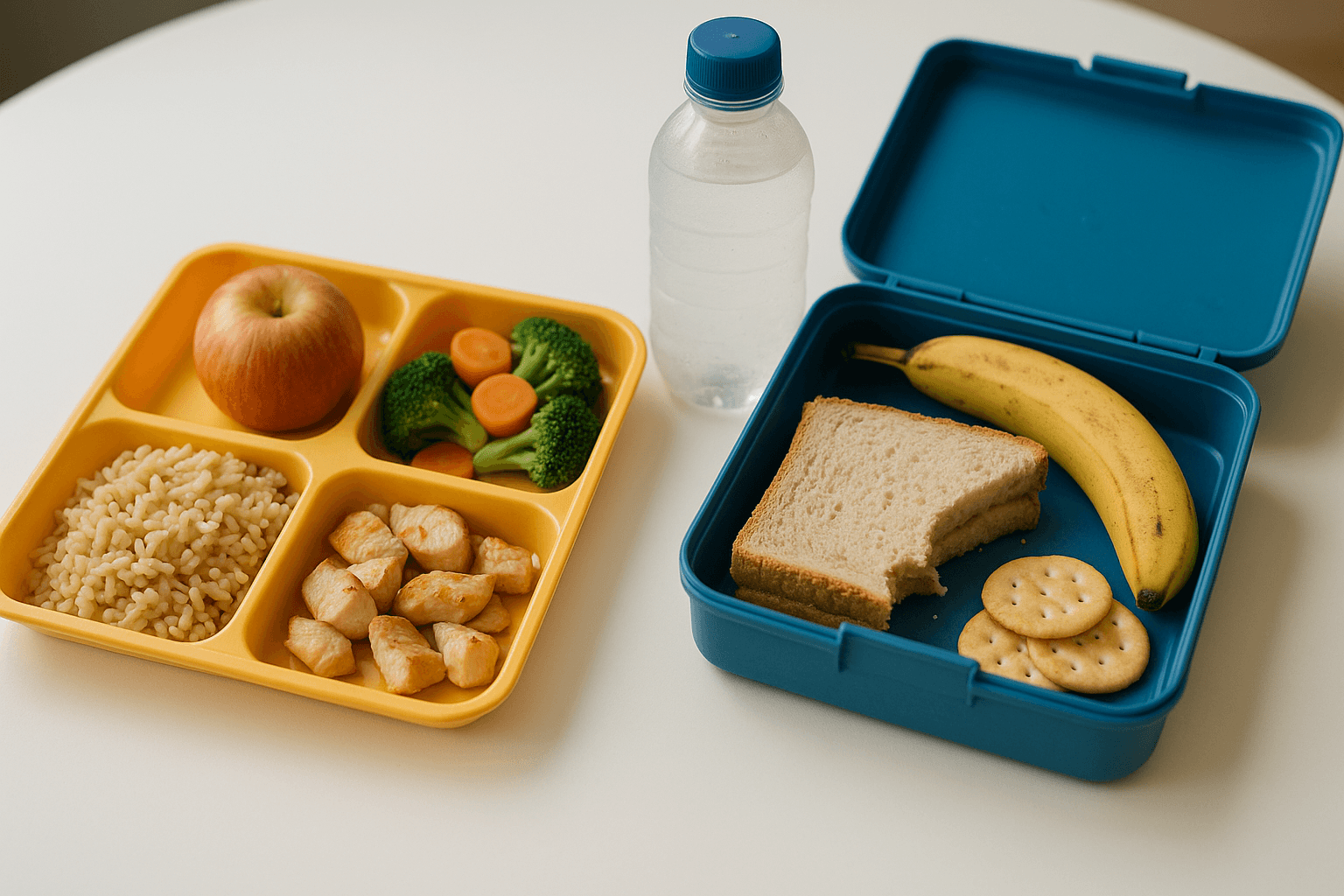
- Let kids practice eating from compartmented trays
- Introduce foods they'll see in school programs
Teach school lunch expectations
- Practice eating within 20-minute timeframes
- Discuss trying new foods and polite refusal
- Role-play asking for help or seconds
Budget planning for changeover
- Start saving $10-15 weekly now for the transition
- Factor in reduced grocery bills (breakfast and dinner only)
- Account for occasional packed lunch days
Maintain lunchbox skills
- Keep basic supplies for pupil-free days and excursions
- The Sistema Bento Lunch Box remains useful for weekend activities
- Maintain some proven lunchbox ideas kids love for flexibility
Remember: most programs allow packed lunches on request, so you're not losing control entirely.
Quick Transition Lunchbox Ideas for the Changeover Period
During implementation, you'll need backup plans. Here are my go-to quick 10-minute lunch solutions for system failures:
5-minute emergency lunches:
- Pita bread + hummus + cucumber sticks + apple slices (4 minutes)
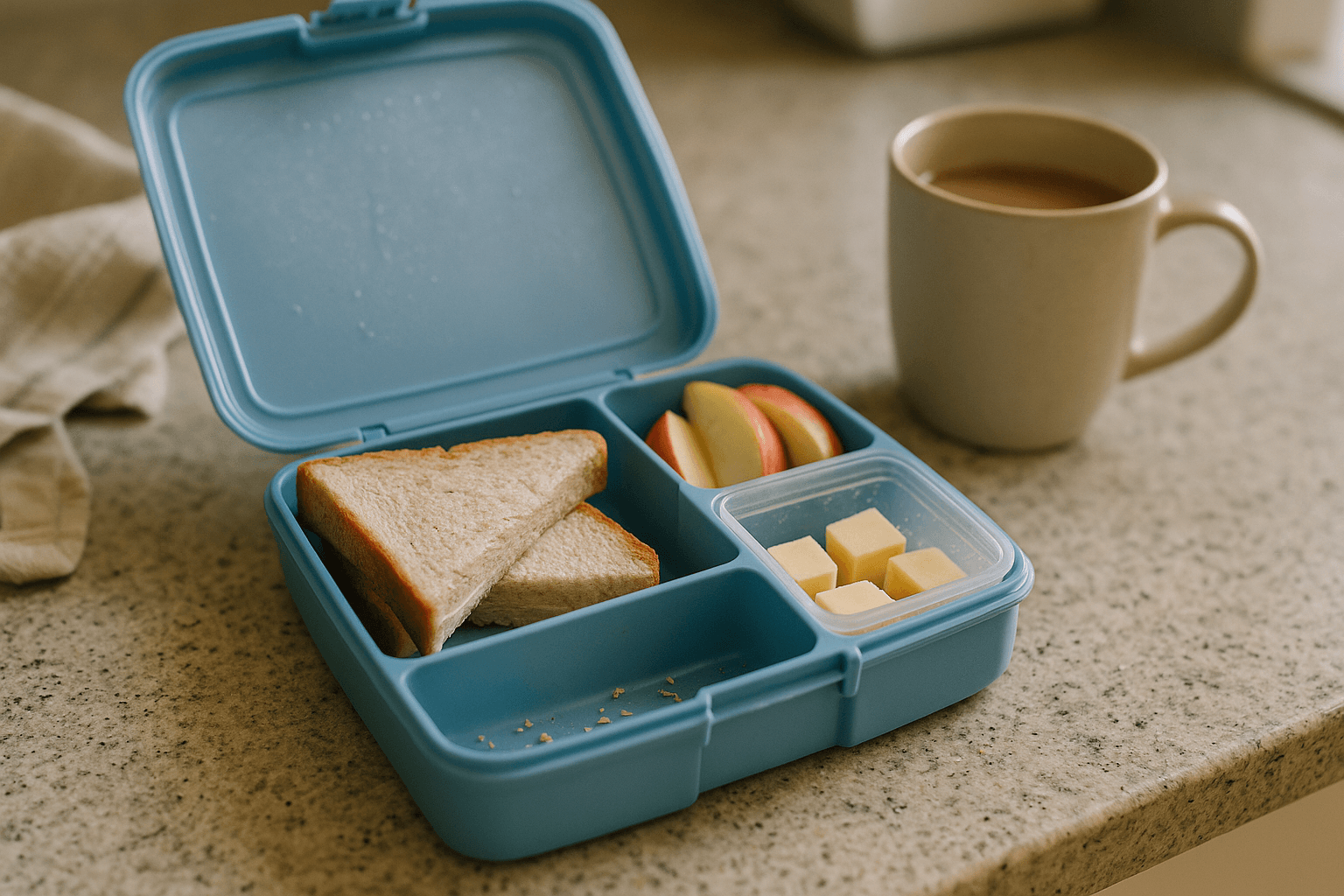
- Cheese and crackers + cherry tomatoes + muesli bar (3 minutes)
- Leftover pasta salad + fruit pouch + yoghurt (2 minutes)
School-lunch-style meals to try at home:
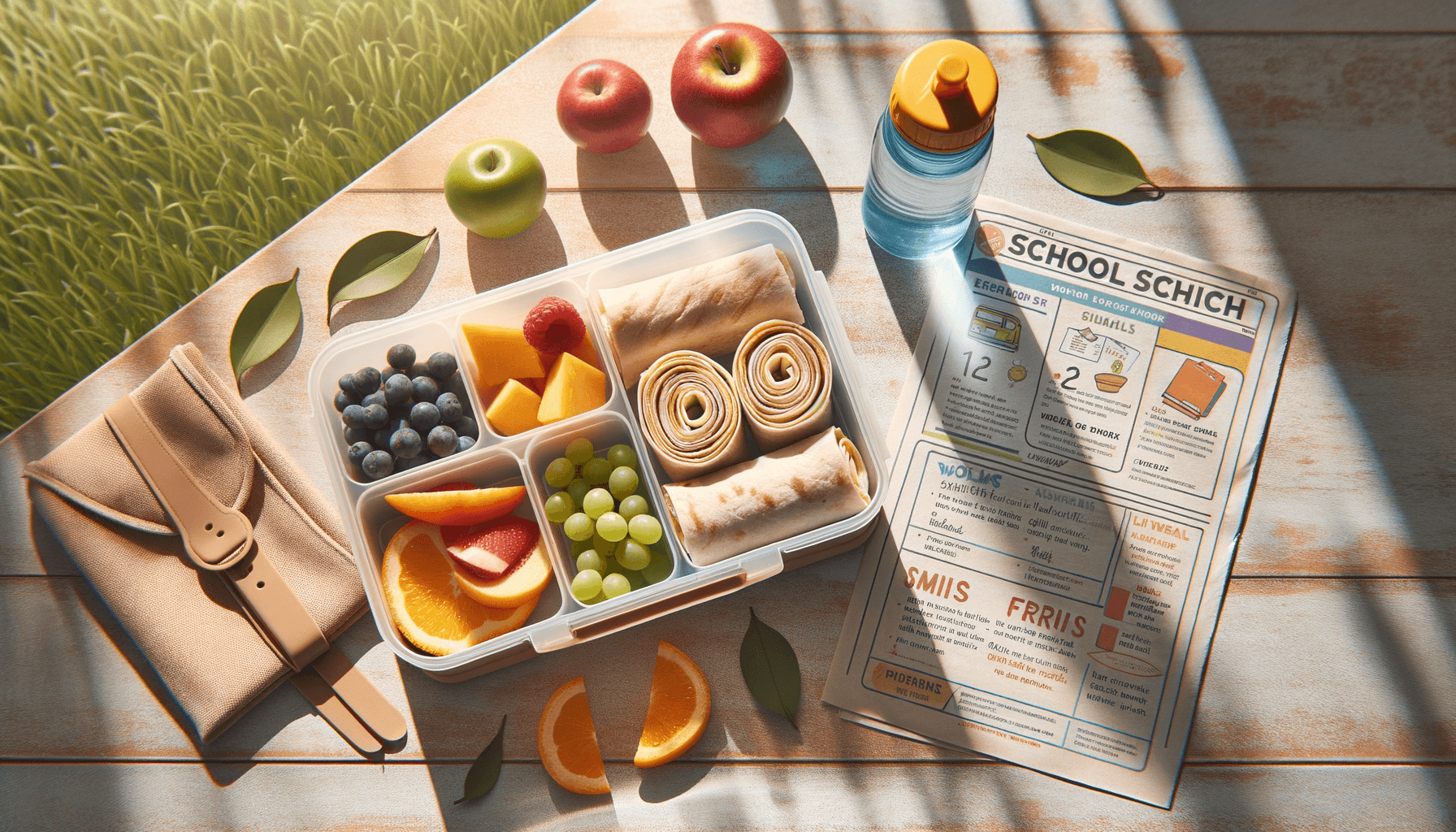
- Mini wraps with 2 fillings, cut into pinwheels
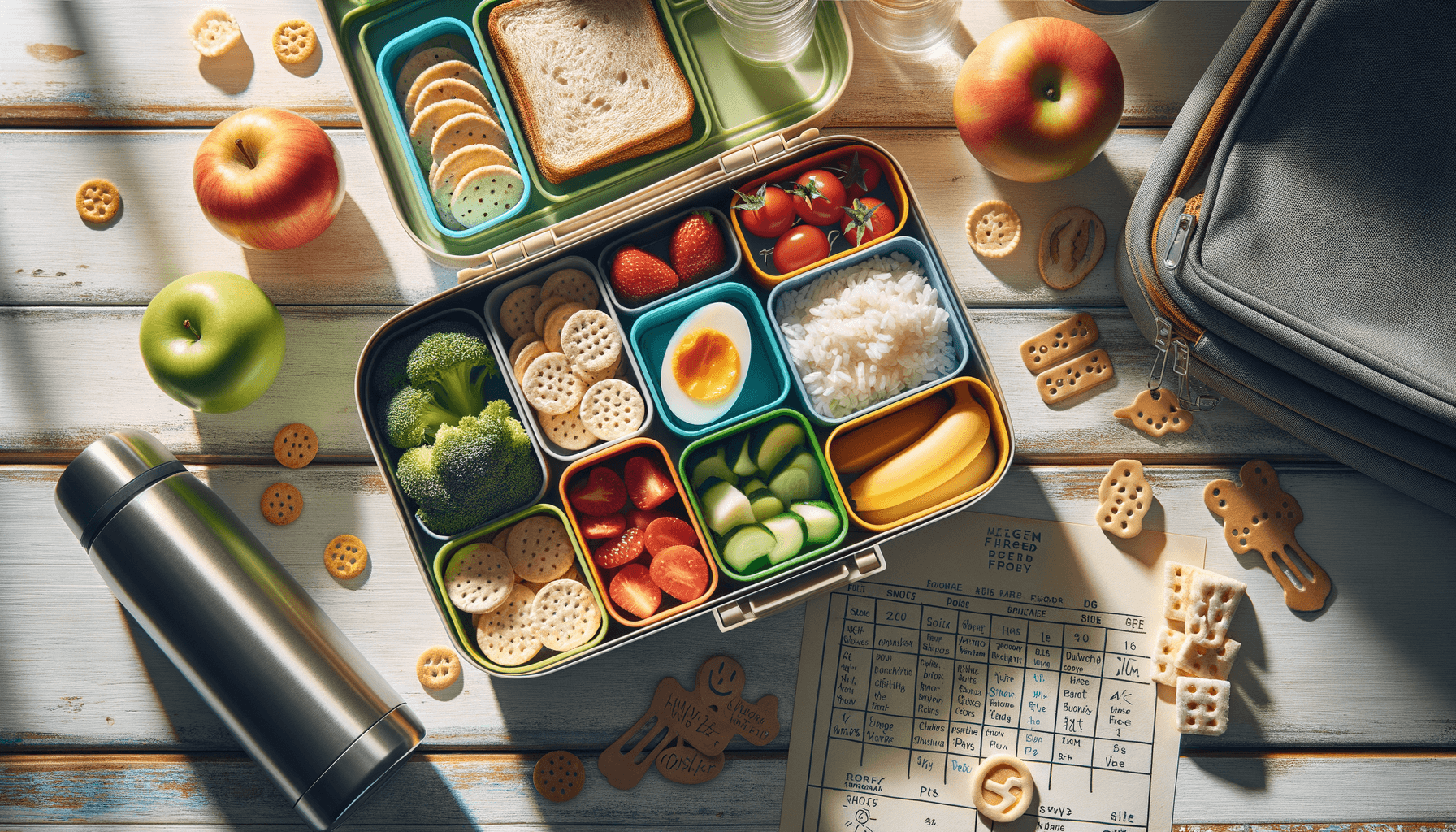
- Compartmented meals using the Bentgo Kids Lunch Box
- Warm soup in a Thermos FUNtainer Food Jar 290ml + bread roll
Emergency kit essentials:
- 5 x long-life fruit pouches
- 10 x individual crackers packets
- 3 x nut-free muesli bars
- Backup drink bottles
Store these in your pantry for those mornings when the school lunch system has hiccups.
School-Style Mini Wraps
These mirror what kids will see in school programs:
Ingredients (makes 4 wraps, serves 2 kids):
- 2 large tortillas
- 4 tablespoons cream cheese
- 4 slices ham or turkey
- 1 cup grated cheese
- 1 cucumber, thinly sliced
Method (5 minutes):
- Spread cream cheese evenly on tortillas
- Layer meat, cheese, and cucumber
- Roll tightly and slice into 2cm pinwheels
- Pack in compartmented container
These look like school food but taste like home — perfect for the transition period.
The shift to school-provided lunches is the biggest change in Australian education food policy in decades. As parents, we have the opportunity to shape how this rolls out in our communities.
Yes, there'll be hiccups. Yes, your kid might refuse the bolognaise on Week 2. But for the first time in years, I'm optimistic about the future of school food — and getting my Sunday afternoons back.
How useful was this?
Quick school lunch ideas from Melbourne, Australia.
20 lunchbox ideas on one page. Print it, fridge it.
Written by Pat
Dad of two, Melbourne. Half Chinese, raised on incredible food. I make quick school lunches and test every piece of gear before recommending it. No bento art — just real food made with love.
This content is for general information only. Always check ingredients for allergens and consult a health professional for dietary advice. See our Terms & Conditions.