In this article
Look, I get it. You're packing 200 lunchboxes a year per child, racing against the morning clock, and your kid would live on white bread and biscuits if you let them. But here's the thing that'll make you feel better (or worse) about your veggie-sneaking guilt: more than 80% of Australian primary school lunches are nutritionally poor, and half of what kids eat at school is junk food.
So if you're hiding vegetables in their food, you're actually being a bloody good parent. Not sneaky. Strategic.
Why Australian Kids Desperately Need More Vegetables
The numbers are pretty stark. Australian children consume over one-third of their daily energy intake during school hours, yet fewer than one in ten students eat enough vegetables. That's a massive missed opportunity sitting in their lunchbox every single day.
80%
of Australian primary school lunches are nutritionally poor
Flinders University 2022
That's 4 out of 5 lunchboxes failing basic nutrition standards
I've been packing lunches for three kids for the past eight years, and I've learned that the "just put carrot sticks in there" approach doesn't work. Kids bin them, trade them, or bring them home soggy and untouched. But they'll demolish a muffin that happens to have a cup of grated zucchini in it.
The key isn't tricking them forever – it's expanding their palate gradually while ensuring they get proper nutrition during those critical school hours. Think of it as nutritional insurance while you work on balanced lunch components in the background.
Dad's Essential Veggie-Hiding Toolkit and Prep Methods
After years of trial and error (and some spectacular failures), here's the gear that actually makes a difference:
High-speed blender: Essential for silky smooth purees. I use a Ninja Foodi Personal Blender – it pulverises vegetables so completely that even texture-sensitive kids can't detect them.
Food processor: For fine chopping and mixing. Perfect for getting vegetables small enough to disappear into meatballs or pasta sauce.
Ice cube trays: Freeze vegetable purees in 2-tablespoon portions. Pop them straight into recipes without thawing.
Sistema To Go Dressing Pot 4-Pack: These little containers are perfect for storing concentrated vegetable purees. One tablespoon of beetroot puree can transform an entire batch of chocolate muffins.
Weekend Veggie Prep Routine
Steam and puree
Steam 500g mixed vegetables (cauliflower, sweet potato, zucchini). Puree until completely smooth.
Portion and freeze
Fill ice cube trays with 2-tablespoon portions. Freeze for 4 hours.
Store for the week
Pop frozen cubes into labelled freezer bags. Each cube = one lunchbox serving.
Prep mix-ins
Grate 2 cups each of carrot and zucchini. Store in airtight containers for 5 days.
The game-changer is doing this prep on Sunday afternoon. Fifteen minutes of steaming and blending gives you hidden veggie ammunition for the entire week.
12 Foolproof Vegetable Sneaking Tricks That Actually Work
These aren't Instagram-worthy rainbow veggie creations. They're battle-tested recipes that actually get eaten by real kids with strong opinions about food.
1. Cauliflower Mac and Cheese
Replace half the pasta with steamed, mashed cauliflower. The cheese sauce masks everything. Use 150g pasta + 200g cauliflower for 4 serves.
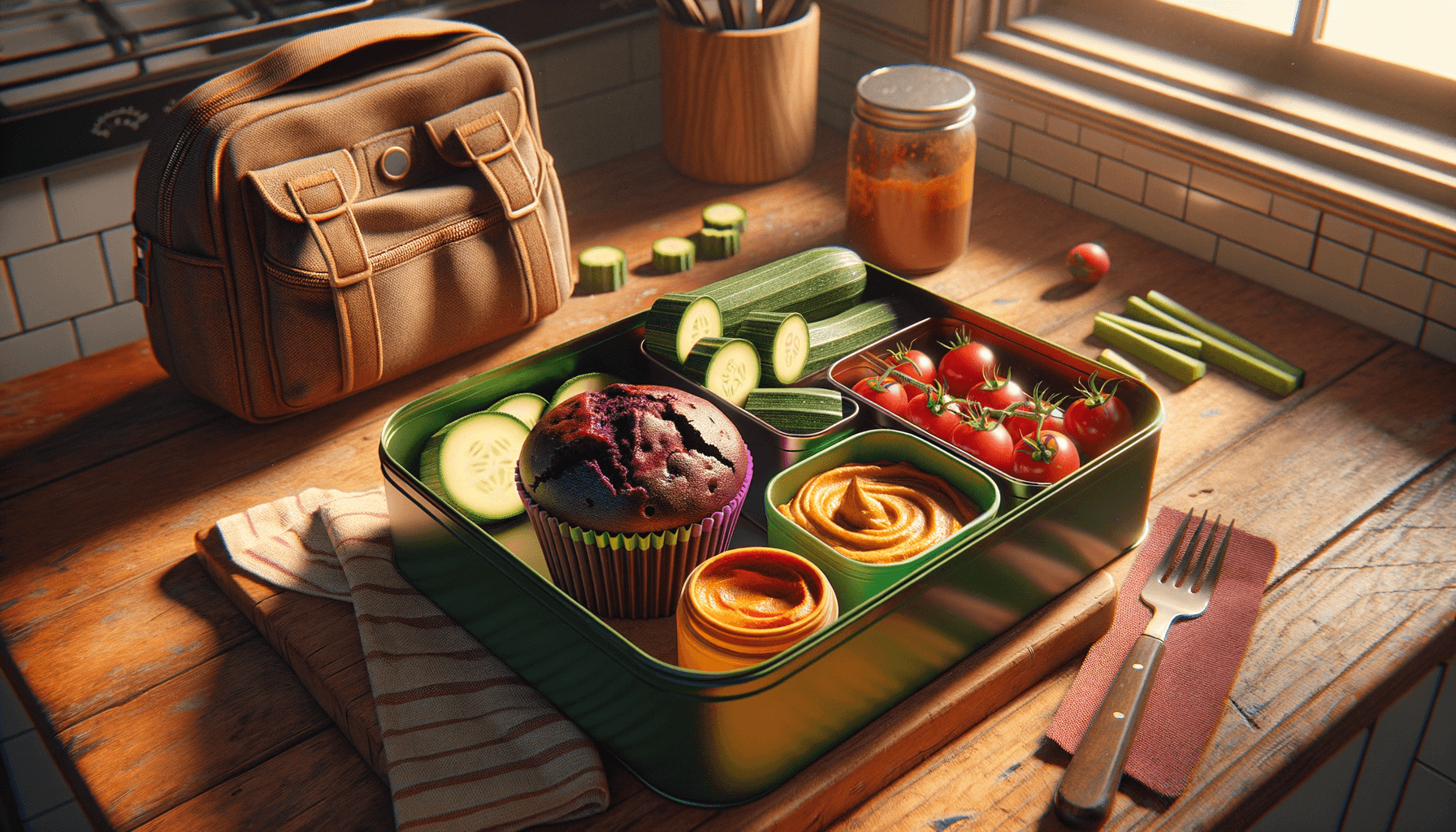
2. Beetroot Chocolate Muffins
1 tablespoon of beetroot puree per muffin adds moisture and nutrients without affecting the chocolate flavour. Kids just think they're extra fudgy.
3. Zucchini Meatballs
Grate 1 medium zucchini into 500g mince. The vegetables add moisture and stretch the meat further. Squeeze out excess water first.
4. Sweet Potato Pancakes
Mash 100g roasted sweet potato into pancake batter. Makes them naturally sweet and gives them a beautiful golden colour.
5. Spinach Smoothie Pops
Blend 1 cup spinach with 2 bananas and 200ml milk. Freeze in ice pop moulds. The banana completely masks the spinach taste.
Texture Tip
Steam vegetables until very soft before pureeing. Any chunks or fibres will give away your secret ingredient.
6. Carrot Tomato Sauce
Grate 2 carrots into your regular pasta sauce recipe. They dissolve during cooking and add natural sweetness.
7. Pumpkin Cheese Scrolls
Mix 3 tablespoons pumpkin puree into scroll dough. Creates beautiful orange swirls that kids think are just cheese.
8. Broccoli Pesto
Replace half the basil with blanched broccoli florets. Process until smooth. Store in a Thermos FUNtainer Food Jar 290ml to keep pasta warm.
9. Red Capsicum Hummus
Blend 1 roasted red capsicum into regular hummus. Adds sweetness and creates an appealing orange colour.
10. Mushroom Sausage Rolls
Finely chop 200g mushrooms and mix into 500g sausage mince. They add umami flavour and keep the filling moist.
11. Corn Kernel Fritters
150g corn kernels in fritter batter creates sweet pockets that kids love. Serve with a small container of tomato sauce.
12. Green Pea Guacamole
Replace half the avocado with cooked, mashed green peas. Maintains the green colour while adding extra vegetables.
Get Your Kids Nutrition Cheat Sheet
Age-specific portion guides to ensure your sneaky veggies hit the right nutritional targets
Weekend Batch Cooking: Prep Hidden Veggie Meals Like a Pro
The secret to successful veggie-sneaking isn't just the recipes – it's having everything ready to go. Sunday afternoon is your friend here, and I've got this down to a 90-minute routine that sets me up for the entire week.
The Sunday Veggie Session:
- 2:00pm: Steam 1kg mixed vegetables (whatever's cheap that week)
- 2:15pm: While they're steaming, prep your baking ingredients
- 2:30pm: Puree vegetables and portion into ice cube trays
- 2:45pm: Start your batch muffins or slice
- 3:30pm: Everything's done and cooling
For comprehensive planning beyond just vegetables, check out my comprehensive meal prep guide that covers the whole lunchbox.
Sunday Prep Checklist
The Bentgo Reusable Ice Packs (4-pack) are essential here – you can keep different veggie purees at the right temperature while you're assembling everything.
Most of these freezer-friendly lunchbox foods will keep for up to 3 months, so you can double batches when you're in the zone.
When Kids Discover the Hidden Veggies: Damage Control
It's going to happen. One day your 8-year-old will bite into their favourite muffin, pause, and announce loudly: "Mum/Dad, there's vegetables in this!"
Don't panic. I've been through this three times, and here's what actually works:
Stay calm and matter-of-fact: "Yep, there's zucchini in there. Makes them extra moist, doesn't it?"
Focus on the benefits they can understand: "That's why you have so much energy for footy training" works better than lectures about vitamins.
Involve them in the next batch: Let them add the grated carrot to the muffin mix. Suddenly they're a co-conspirator, not a victim.
The goal was never to hide vegetables forever – it was to prove that vegetables can taste good and expand their comfort zone.
If they completely reject the food after discovery, you need backup options ready. This is where dealing with fussy eaters strategies become crucial.
Some kids take it in stride. Others feel betrayed. Both reactions are normal, and both can be managed with patience and consistency.
Budget-Friendly Veggie Swaps That Save Money
Hidden vegetables don't have to blow your grocery budget. In fact, they can help stretch expensive ingredients like meat and cheese while adding nutrition.
Frozen vs Fresh: Frozen vegetables are often cheaper and more convenient for pureeing. A 1kg bag of frozen mixed vegetables costs around $4 and provides enough puree for 20+ lunchboxes.
Seasonal timing: Buy vegetables in season and batch-process them. Zucchini in summer, pumpkin in autumn, broccoli in winter. Your freezer becomes a year-round vegetable bank.
Stretching meat: Adding grated vegetables to meatballs, pasta sauce, and sandwich fillings can reduce your meat requirements by 30% without anyone noticing.
For more money-saving strategies, check out these budget-friendly lunch strategies that complement your veggie-sneaking efforts.
Cost Comparison: Fresh vs Frozen vs Homegrown
Fresh Vegetables
$8-12/kg
- ·Peak flavour when in season
- ·Limited storage time
- ·Variable quality
Best taste when fresh
No processing
Expensive out of season
Spoils quickly
Best for immediate use
Frozen Vegetables
$3-5/kg
- ·Consistent quality
- ·Long storage life
- ·Pre-processed
Budget-friendly
Always available
Perfect for pureeing
Slightly softer texture
Less fresh flavour
Best value for hidden veggie cooking
Homegrown
$1-2/kg
- ·Seasonal availability
- ·Requires garden space
- ·Time investment
Cheapest option
Kids involvement
Peak freshness
Weather dependent
Limited varieties
Great if you have space and time
Australian Seasonal Vegetables: What to Hide When
Working with seasonal produce keeps costs down and ensures you're getting vegetables at their peak nutrition and flavour. Here's my year-round rotation:
Summer (Dec-Feb): Zucchini and corn are abundant and cheap. Perfect time to make zucchini slice and corn fritters in bulk.
Autumn (Mar-May): Pumpkin and sweet potato season. Roast them in big batches and freeze the puree in ice cube trays.
Winter (Jun-Aug): Broccoli, cauliflower, and spinach are at their best. Great for adding to pasta sauces and smoothies.
Spring (Sep-Nov): Fresh peas and beans appear. Blend peas into guacamole and hummus.
Seasonal Veggie Calendar
Zucchini & Corn Focus
Make zucchini slice, corn fritters, and zucchini muffins. Freeze grated zucchini in 1-cup portions.
Pumpkin & Sweet Potato
Roast whole pumpkins and sweet potatoes. Puree and freeze in ice cube trays for easy portioning.
Cruciferous Vegetables
Steam broccoli and cauliflower. Perfect for pasta sauces, mac and cheese, and smoothie additions.
Peas & Fresh Greens
Blanch peas for guacamole. Use fresh spinach in smoothies and muffins before it gets too tough.
School Allergy Policies and Hidden Ingredients Safety
Before you start your veggie-sneaking campaign, you need to understand your school's allergy policies. Hidden ingredients can be a serious safety issue if not handled properly.
Check the school's allergy list first: Most schools publish a list of restricted ingredients. Even if vegetables aren't typically allergens, cross-contamination during processing can be an issue.
Label everything clearly: If you're sharing food or your child trades lunches, other parents need to know what's in your hidden veggie creations.
Communicate with teachers: Let them know about significant ingredient changes, especially if your child has classmates with severe allergies.
For comprehensive information about requirements, check the latest Australian school lunch policies.
Allergy Alert
Some vegetable purees are processed in facilities that handle nuts or other allergens. Always read labels carefully if your school has strict allergy policies.
The Yumbox Original is excellent for keeping different components separated if you need to clearly identify ingredients for allergy management.
Emergency action plan awareness: Make sure you understand the school's emergency procedures, even for ingredients that seem harmless.
Look, hiding vegetables in school lunches isn't about being sneaky – it's about being practical. You're working within the reality of having fussy eaters, limited time, and 200 lunchboxes to pack each year per child.
Start with one or two techniques that seem doable for your family. Master those before adding more complexity. And remember: every hidden vegetable is a win, even if it's just grated carrot in the pasta sauce.
The goal isn't perfection. It's progress. And it's ensuring your kids get proper nutrition during those crucial school hours, one sneaky zucchini muffin at a time.
How useful was this?
Get Your Kids Nutrition Cheat Sheet
Age-specific portion guides to ensure your sneaky veggies hit the right nutritional targets
Written by Pat
Dad of two, Melbourne. Half Chinese, raised on incredible food. I make quick school lunches and test every piece of gear before recommending it. No bento art — just real food made with love.
This content is for general information only. Always check ingredients for allergens and consult a health professional for dietary advice. See our Terms & Conditions.