In this article
Right, let's get straight to it. If you're tired of packing the same boring sandwiches and watching half of them come home uneaten, it's time to talk thermos lunches. I've been doing this dad thing for years now, and hot meals in a thermos have been an absolute game-changer for our family.
Why Thermos Lunches Are Game-Changers for Aussie Parents
Here's the reality check: more than 80% of Australian primary school lunches are nutritionally poor, with fewer than one in ten students eating enough vegetables according to University of Wollongong research. That's shocking, but not surprising when you see what most kids are packing.
The benefits of hot meals are massive. Kids actually eat more vegetables when they're warm and flavourful rather than sad and cold. Plus, you're looking at serious cost savings - the average Aussie lunchbox costs $4.48, but most of that goes to processed snacks. A thermos meal made from Sunday's leftover roast? Maybe $2.50, and infinitely more nutritious.
Hot meals also keep kids fuller for longer. No more hangry pickup complaints or demands for afternoon snacks the moment they hit the car.
Essential Thermos Prep: The Dad's Guide to Keeping Food Hot Until Lunch
This is where most parents stuff up, so listen carefully. Your thermos needs to be pre-heated for at least 5 minutes with boiling water before you add food. I'm talking proper boiling water, not just hot tap water.
Here's my foolproof method:
- Fill the Thermos FUNtainer Food Jar 290ml with boiling water at 6:25am
- Let it sit while you heat the food to 75°C (use a thermometer - guessing doesn't work)
- Empty the water, immediately add the hot food
- Seal it tight
For 5+ hour heat retention, your food needs to go in at 75°C minimum. At pickup time (usually around 3pm), it'll still be a comfortable eating temperature of 45-50°C.
Common mistakes I see: not pre-heating, adding lukewarm food, or opening the thermos "just to check" in the morning. Don't do any of these.
8 Thermos-Perfect Warm Meals Your Kids Will Actually Eat
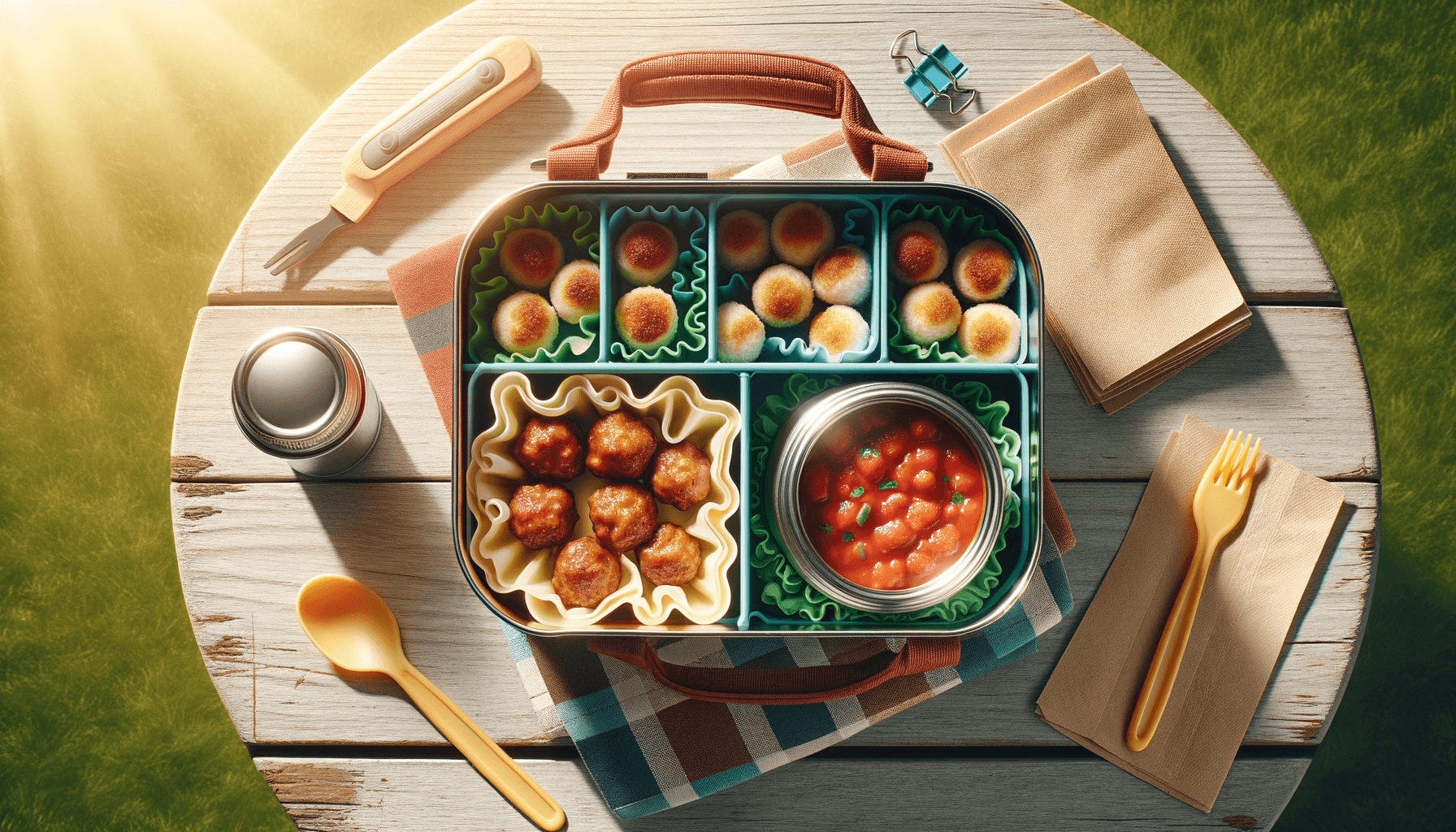
1. Mini Meatballs in Tomato Sauce
Serves 1 kid, 290ml thermos
- 8-10 mini meatballs (pre-cooked)
- 120ml tomato pasta sauce
- 1 tsp grated parmesan
Heat together in a small saucepan for 3 minutes until bubbling. The meatballs stay tender and the sauce prevents everything from drying out.
2. Creamy Mac and Cheese
Serves 1 kid, 290ml thermos
- 100g cooked macaroni
- 80ml milk
- 40g grated cheese
- 1 tsp butter
Reheat gently, stirring constantly. Add extra milk if it looks thick - it'll thicken up in the thermos.
3. Chicken and Veggie Soup
Serves 1 kid, 290ml thermos
- 200ml chicken stock
- 60g cooked chicken, diced
- 30g mixed frozen vegetables
- 20g small pasta shapes
Simmer for 4 minutes. The vegetables cook perfectly in the thermos heat.
4. Beef and Barley Stew
Serves 1 kid, 290ml thermos
- 150ml beef stock
- 80g cooked beef, diced
- 40g cooked pearl barley
- 30g diced carrots and celery
This is Sunday roast gold. Reheat with extra stock to keep it saucy.
5. Pasta with Hidden Veggie Sauce
Serves 1 kid, 290ml thermos
- 80g cooked pasta
- 100ml tomato sauce with pureed vegetables
- 1 tbsp grated cheese
The key is making the sauce slightly thinner than you'd normally serve.
6. Fried Rice with Scrambled Egg
Serves 1 kid, 290ml thermos
- 120g cold cooked rice
- 1 egg, scrambled
- 30g mixed vegetables
- 1 tsp soy sauce
Fry everything together for 2 minutes. Stays moist and flavourful.
7. Sausage and Bean Casserole
Serves 1 kid, 290ml thermos
- 2 cooked sausages, sliced
- 100g baked beans
- 30g diced tomato
Heat together for 3 minutes. Pure comfort food that kids demolish.
8. Pumpkin Soup with Bread Rolls
Serves 1 kid, 290ml thermos
- 250ml pumpkin soup
- Small bread roll (packed separately)
Keep the soup slightly thinner than usual. Pack the roll separately to avoid sogginess.
Quick Morning Routine: 5-Minute Thermos Prep That Works
Here's my 6:30am routine that gets everyone out the door by 7:45am:
6:30am: Fill thermos with boiling water, put yesterday's leftover meal in microwave 6:33am: Heat food to 75°C while making coffee (priorities, right?) 6:35am: Empty thermos, add hot food, seal tight 6:36am: Pack in lunchbox with spoon and napkin
The secret is having pre-prepped meals ready to reheat. I'm not cooking from scratch at dawn - that's what Sunday prep is for.
Keep a basket of thermos essentials by the kettle: spoons, napkins, and a permanent marker for labelling. When you're rushing, you don't want to hunt for a bloody spoon.
For more time-saving strategies, check out these quick school lunch ideas that complement your thermos routine.
Budget-Friendly Bulk Cooking: One Pot, Multiple Thermos Lunches
Sunday batch cooking is where thermos lunches become genuinely cost-effective. I make one big pot of something and portion it into containers for the week.
Sunday Soup Strategy: Make 2 litres of chicken and vegetable soup for about $8. That's 8 thermos portions at $1 each, compared to $6-8 for a canteen hot meal.
For portion control, I use Sistema To Go Dressing Pot 4-Pack containers - they're exactly 290ml, perfect for single thermos servings. Label them Monday through Friday and stack in the fridge.
Freezer-Friendly Options:
- Meatballs in sauce (freeze in portions)
- Beef stew (actually improves after freezing)
- Pasta sauce with hidden vegetables
Defrost overnight, reheat in the morning. Simple.
Age-Appropriate Portions: Choosing the Right Thermos Size
Getting the size right matters more than you'd think. Too small and they're still hungry; too big and food goes cold faster.
Ages 4-7: 290ml thermos is perfect. They're not eating huge amounts, and smaller volume holds heat better.
Ages 8-12: Step up to 473ml. Growing kids need more fuel, and they can handle the slightly heavier container.
Big eaters or teenagers: Consider the Thermos FUNtainer Food Jar 473ml or even two smaller containers.
I learned this the hard way when my 10-year-old was coming home starving because his 290ml thermos wasn't cutting it anymore.
Troubleshooting Common Thermos Problems (And How I Learned the Hard Way)
Soggy Food Problem: This happens when there's too much liquid or steam buildup. For rice dishes, add a paper towel under the lid to absorb excess moisture. For soups, keep them slightly thicker than normal.
Forgotten Utensils: Keep plastic spoons in your car, your kid's backpack, and stuck to the outside of the thermos with tape. Trust me on this one.
Can't Open the Thermos: Teach your kids to twist, not pull. Practice at home. Some teachers are brilliant and help out, others... not so much.
Cleaning and Maintenance: Rinse immediately after school pickup. Soak overnight with bicarb soda for stubborn smells. Replace the rubber seals annually - they're usually about $5 and make a huge difference.
Australian Winter Warmers: Comfort Food That Travels Well
Winter is thermos season in Australia. These are the meals my kids actually get excited about:
Aussie Beef Pie Filling: All the flavour without the pastry drama. Serve with a small bread roll.
Lamb and Rosemary Stew: Using leftover Sunday roast lamb with root vegetables.
Pumpkin and Sweet Potato Soup: Naturally sweet, packed with vitamins, and the orange colour looks appealing.
Chicken and Corn Soup: Reminds them of Chinese takeaway but infinitely healthier.
Most Australian schools are fine with thermos meals, but check if there are any heating facilities or policies about hot food containers.
Sunday Prep Strategy: Set Yourself Up for Thermos Success
This is where the magic happens. Sunday afternoon, spend 90 minutes setting up your week:
2:00pm: Plan 5 thermos meals using what's in your fridge and pantry 2:15pm: Make one big batch of soup or stew 3:00pm: Cook extra rice/pasta for the week 3:30pm: Portion everything into containers and label 3:45pm: Prep your morning station with thermoses, spoons, and napkins
I keep a PackIt Freezable Lunch Bag in the freezer permanently. It keeps the thermos insulated during transport and gives you an extra hour of heat retention.
The goal is making morning assembly as mindless as possible. When you're half-asleep at 6:30am, you'll thank Sunday-afternoon you.
The Bottom Line: Thermos lunches aren't about being the perfect parent or making Instagram-worthy meals. They're about getting nutritious, warm food into your kids efficiently and affordably. Start with one or two meals you know they'll eat, get your routine sorted, then expand from there.
Your kids will eat better, you'll save money, and you'll have one less thing to stress about during the morning rush. In my book, that's a proper win.
And if thermos meals don't work for every day, that's fine too. Mix them with cold lunchbox alternatives to keep things interesting and manageable.
How useful was this?
Quick school lunch ideas from Melbourne, Australia.
20 lunchbox ideas on one page. Print it, fridge it.
Written by Pat
Dad of two, Melbourne. Half Chinese, raised on incredible food. I make quick school lunches and test every piece of gear before recommending it. No bento art — just real food made with love.
This content is for general information only. Always check ingredients for allergens and consult a health professional for dietary advice. See our Terms & Conditions.