In this article
Right, let's cut through the Instagram nonsense and talk about what actually matters when packing school lunches for Term 1. I'm a dad who's been doing this gig for years, and I've learnt the hard way that pretty lunchboxes don't mean much if your kid's getting food poisoning from a soggy sandwich left in 38-degree heat.
The Term 1 Reality Check: What Actually Matters
Here's the truth: more than 80% of Australian primary school lunches are nutritionally poor, according to 2022 Flinders University research. But before you panic, know that your slightly lopsided sandwich with actual vegetables in it is already ahead of the game.
Term 1 brings unique challenges that those perfect Instagram lunchboxes don't address:
- Heat stress: Your carefully crafted lunch sits in a bag for 6+ hours in temperatures that'd make a tradie sweat
- New routines: Everyone's adjusting, including you at 7am trying to remember if Thursday is canteen day
- Settling anxiety: Some kids won't eat when they're nervous about new teachers or classmates
- Reality vs expectations: You're not competing with other parents—you're just trying to keep your kid fed and healthy
Focus on these three non-negotiables: food safety, adequate nutrition, and something your kid will actually eat. Everything else is bonus points.
Food Safety in Aussie Heat: Keeping Lunch Safe Without Breaking the Bank
The danger zone for food is between 5°C and 60°C. In an Australian playground, your lunchbox hits that zone within 30 minutes. Here's how to beat the heat without buying a $200 cooler:
Budget cooling strategies:
- Freeze water bottles overnight—they act as ice packs and provide cold water by lunch
- Use frozen grapes or berries as natural ice packs (kids love them half-thawed)
- Fit & Fresh Cool Coolers Ice Packs (4-pack) stay cold for 6+ hours and cost under $20
- Wrap sandwiches in damp paper towel, then glad wrap—evaporation keeps them cooler
Heat-friendly foods that won't kill you:
- Hard cheeses (cheddar, swiss) handle heat better than soft varieties
- Nuts, crackers, and dried fruits are bulletproof
- Whole fruits with thick skins (apples, oranges) over cut fruits
- Avoid mayo-based salads, soft dairy, and anything that looks dodgy at room temperature
The 2-hour rule: If it's been out of the fridge for more than 2 hours in heat above 32°C, bin it. No exceptions.
The Dad's Guide to Batch Prep That Actually Saves Time
Forget spending Sunday afternoon making Pinterest-worthy bento boxes. Here's a 15-minute prep routine that'll sort you for the week:
Sunday prep (15 minutes max):
- 5 minutes: Wash and portion fruits into containers
- 5 minutes: Mix sandwich fillings (tuna, egg, chicken) and store in Sistema To Go Dressing Pot 4-Pack
- 5 minutes: Portion crackers, nuts, and snacks into grab-and-go containers
Make-ahead components (not full meals):
- Boil a dozen eggs Sunday night—they last 5 days and provide instant protein
- Bake a batch of savoury muffins with hidden veggies (recipe below)
- Pre-cut vegetables and store in water to maintain crunch
- Freeze individual portions of homemade soup in small containers
Freezer-friendly elements:
- Sandwiches freeze well (avoid lettuce and tomato—add these fresh)
- Homemade muffins and slices
- Individual portions of pasta salad
- Wraps with sturdy fillings
The key is prepping components, not complete meals. Monday morning becomes assembly, not cooking.
Budget-Friendly Lunches That Fill Them Up
With parents spending an average of $6 per day on lunchboxes, every dollar counts. Here's how to make that stretch:
Protein that won't break the bank:
- Eggs: 50c each, perfect protein
- Canned tuna: $1.50 for 3-4 servings
- Peanut butter: 30c per serving, if school allows
- Cheese: Buy blocks and slice yourself—half the cost of pre-sliced
- Dried beans in salads: 20c per serving
Bulk buying strategy:
- Buy seasonal fruit in bulk, freeze what you can't use fresh
- Portion nuts and crackers from bulk packs using the Sistema Bento Lunch Box compartments
- Make your own muesli bars—$2 worth of ingredients makes 12 bars
Seasonal produce wins:
- Summer: Mangoes, watermelon, stone fruits
- Autumn: Apples, pears, citrus
- Always cheaper than out-of-season imports
Budget Veggie Muffins (Makes 12, costs about $4):
- 2 cups self-raising flour
- 1 cup grated zucchini and carrot
- 1 cup milk
- 2 eggs
- 1/4 cup oil
- 1 cup grated cheese
Mix, bake at 180°C for 20 minutes. Freeze individually for grab-and-go protein.
When Lunch Comes Home: Troubleshooting Common Failures
Nothing's more frustrating than opening a full lunchbox at 3:30pm. Here's why it happens and what to do:
Temperature and texture issues:
- Soggy sandwiches: Use barriers (lettuce leaves) between wet and dry ingredients
- Warm dairy: Invest in proper cooling or switch to shelf-stable alternatives
- Mushy fruit: Choose firmer varieties or pack separately from other foods
Portion problems:
- Too much food overwhelms kids—better to pack less and have them finish it
- Too little leaves them hungry and grumpy—include filling carbs like whole grain bread
Social eating pressures:
- Kids compare lunches—keep some "cool" items (fancy crackers, interesting fruit)
- Pack familiar foods alongside new ones
- If they're embarrassed by homemade, gradually introduce rather than going cold turkey
Practical solutions:
- Let them choose between 2 healthy options
- Pack a "backup" they always eat (crackers, fruit)
- Check our tried-and-tested lunchbox ideas for inspiration
- Ask what their friends bring—sometimes it's about fitting in
Getting Kids Involved (Without Creating More Work)
The goal is building independence, not adding to your morning chaos.
Age-appropriate tasks:
- 4-6 years: Choose between pre-selected options, wash fruit, pack crackers
- 7-9 years: Make sandwiches, portion snacks, pack their own bag
- 10-12 years: Plan weekly menus, prep ingredients, understand food safety
Choice vs chaos:
- Offer 2-3 pre-approved options, not unlimited choice
- "Do you want ham or cheese today?" not "What do you want?"
- Set up a DIY Trail Mix Station with portioned nuts, dried fruit, and seeds
Teaching food safety:
- Show them how ice packs work
- Explain why some foods need to stay cold
- Let them check if lunch feels warm when they unpack
DIY Trail Mix Station: Set up small containers with:
- Nuts (if allowed)
- Dried fruit
- Seeds
- A few chocolate chips or mini cookies Kids portion their own mix into small containers—they love the control, you love the convenience.
Essential Gear: What You Actually Need vs Marketing Hype
Must-haves:
- One good insulated bag that fits your child's school bag
- Reliable ice packs that last 6+ hours
- Leak-proof containers in various sizes
- One thermos for hot foods (winter) or cold drinks
Nice-to-haves:
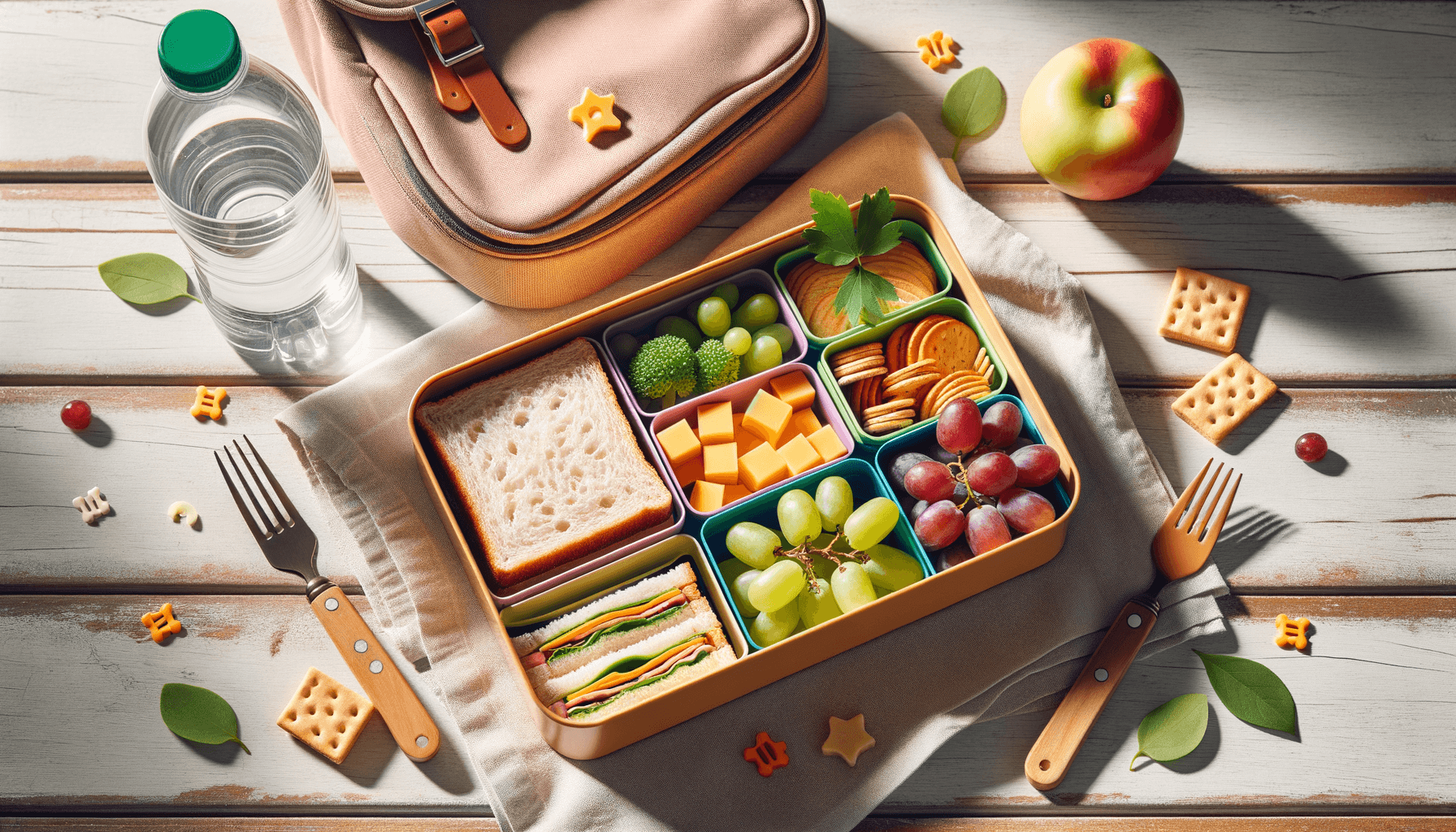
- Bento-style boxes with compartments
- Multiple themed lunch bags
- Fancy water bottles with bells and whistles
Budget options that perform:
- Sistema Bento Lunch Box: $15-20, leak-resistant, dishwasher safe
- Generic ice packs from discount stores work fine
- Glass containers from the supermarket beat expensive "lunch-specific" options
Investment pieces:
- Yumbox Original: Pricey upfront ($60+) but lasts years and prevents leaks
- Thermos FUNtainer Food Jar 290ml: Keeps food hot/cold for hours, perfect for soup or yoghurt
Durability reality check: After 3 years of daily use, here's what survives:
- Stainless steel containers (dented but functional)
- Simple plastic boxes with secure lids
- Basic insulated bags without too many zippers
What doesn't:
- Complicated locking mechanisms
- Fabric lunch bags (they get gross)
- Anything with too many small parts
Week 1-4 Meal Plans: Easing Into the School Routine
Week 1: Keep it simple and familiar
- Monday: Ham and cheese sandwich, apple, crackers
- Tuesday: Leftover dinner pasta, fruit cup
- Wednesday: Egg sandwich, grapes, muesli bar
- Thursday: Wrap with familiar fillings
- Friday: Easy day—fruit, crackers, cheese, treat
Week 2: Introduce one new element
- Add cherry tomatoes or carrot sticks
- Try a different fruit
- Switch white bread for wholemeal
Week 3: Build complexity
- Homemade muffins
- Pasta salads
- Different sandwich combinations
Week 4: Establish rhythm
- Kids help choose options
- Prep routine established
- Backup plans in place
Emergency backup options: For those mornings when everything goes wrong, keep these on hand:
- Individual packets of crackers and cheese
- Fruit pouches (not ideal, but better than nothing)
- Muesli bars
- Our quick 10-minute lunch ideas for last-minute solutions
Quick Assembly Wraps: Keep tortillas, cream cheese, and deli meat on hand. Spread, roll, slice. Add fruit and crackers. Done in 3 minutes.
Final reality check: Some days you'll nail it, some days you'll send them with a banana and a prayer. Both are fine. The goal is progress, not perfection. Your kid won't remember the day you forgot the ice pack, but they will remember that you cared enough to keep trying.
Term 1 is about establishing routines that work for your family, not impressing other parents. Focus on food safety, adequate nutrition, and keeping your sanity intact. Everything else is just details.
How useful was this?
Quick school lunch ideas from Melbourne, Australia.
20 lunchbox ideas on one page. Print it, fridge it.
Written by Pat
Dad of two, Melbourne. Half Chinese, raised on incredible food. I make quick school lunches and test every piece of gear before recommending it. No bento art — just real food made with love.