In this article
Look, I get it. You want to pack healthier lunches, maybe cut down on processed meat, but you're worried your kids won't get enough protein from plants. Fair concern. But here's the thing – after three years of packing plant-based lunches for my two kids (and surviving the inevitable "where's the ham sandwich?" protests), I can tell you it's not only doable, it's actually easier than you think.
The stats don't lie: more than 80% of Australian primary school lunches are nutritionally poor, with half of kids' school-day food coming from junk. Meanwhile, we're spending an average of $4.48 per lunchbox with 37% of that energy coming from unhealthy foods. Plant-based doesn't mean expensive or time-consuming – it means getting more bang for your buck nutritionally.
Why Plant-Based Lunches Are Perfect for Aussie Kids
Let's cut through the noise. Plant-based lunches aren't some trendy fad – they're practical solutions for time-poor parents who want better nutrition without the morning stress.
First up, the protein myth. Your kids don't need a slab of meat to hit their protein targets. A 6-year-old needs about 20g of protein daily, and an 11-year-old needs around 35g. That's easily covered with combinations like:
- 2 tablespoons hummus (4g) + 1 slice wholegrain bread (4g) + 30g chickpeas (6g) = 14g protein in one lunch component
- 1 cup cooked lentils delivers 18g protein – nearly a full day's requirement for younger kids
The cost benefits are real. A can of chickpeas costs $1.20 and makes four servings of chickpea salad. Compare that to $8+ for deli ham that'll last the same number of lunches. Plus, legumes and grains have longer shelf lives than fresh meat, so less food waste.
Environmentally, you're teaching kids early that food choices matter. But honestly, as parents, we care most about whether they'll actually eat it and come home with energy, not a sugar crash.
The Plant-Protein Powerhouse: 15 Ideas That Actually Work
These aren't Instagram-perfect creations. They're tested by real kids who'd rather eat a Freddo Frog than vegetables. Each idea includes a protein estimate and realistic prep time.
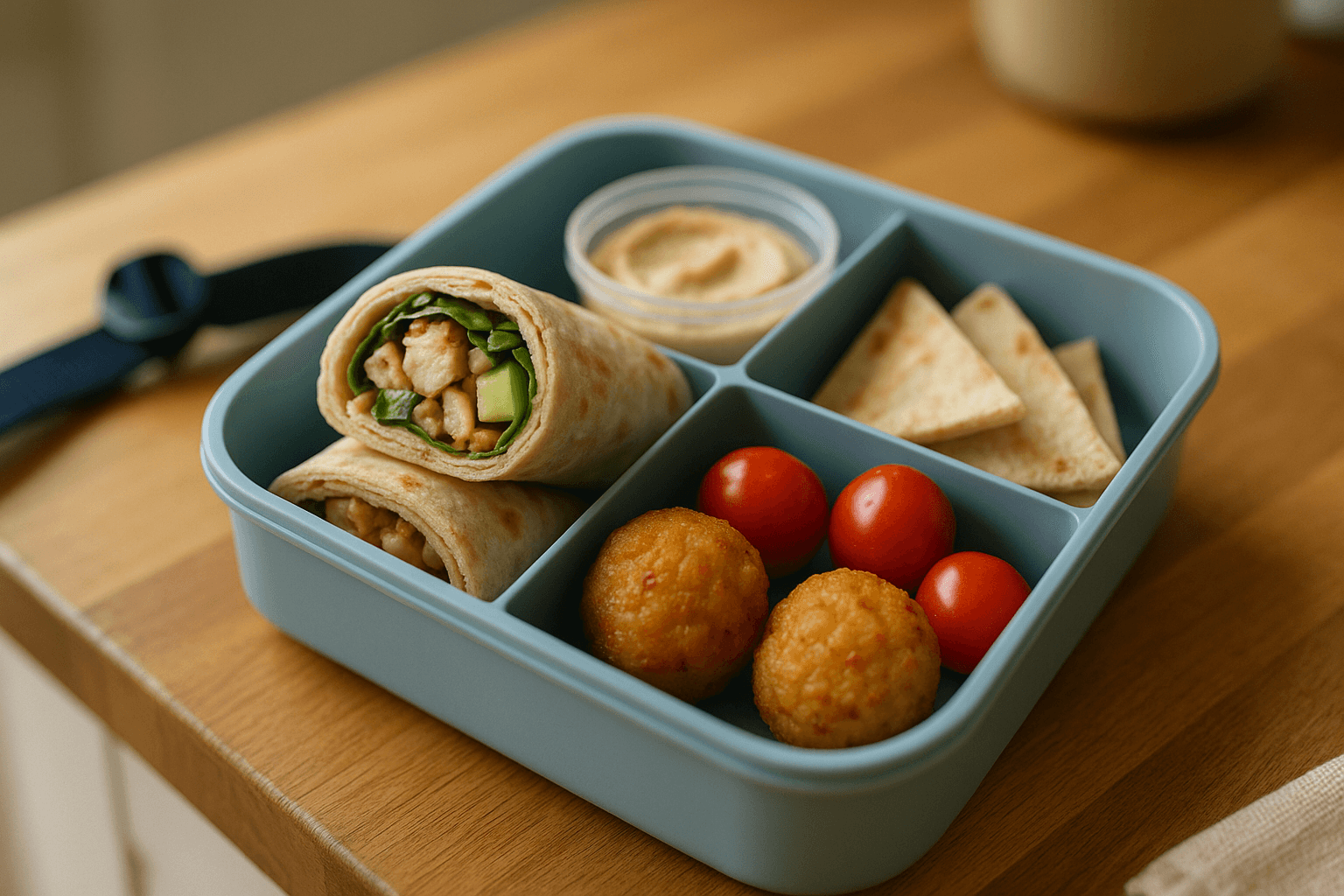
1. Chickpea Salad Wraps (15g protein, 5 min prep) Mash 1/2 cup chickpeas with 1 tablespoon tahini, squeeze of lemon, diced celery. Spread on wholegrain wrap with lettuce. Kids love the "tuna salad" texture without the fishy smell.
2. Lentil Bolognese Pasta Salad (12g protein, 2 min assembly) Use leftover lentil bolognese (make double batch for dinner), toss with cold pasta, cherry tomatoes, cucumber. Add a drizzle of olive oil. Tastes better cold than most pasta salads.
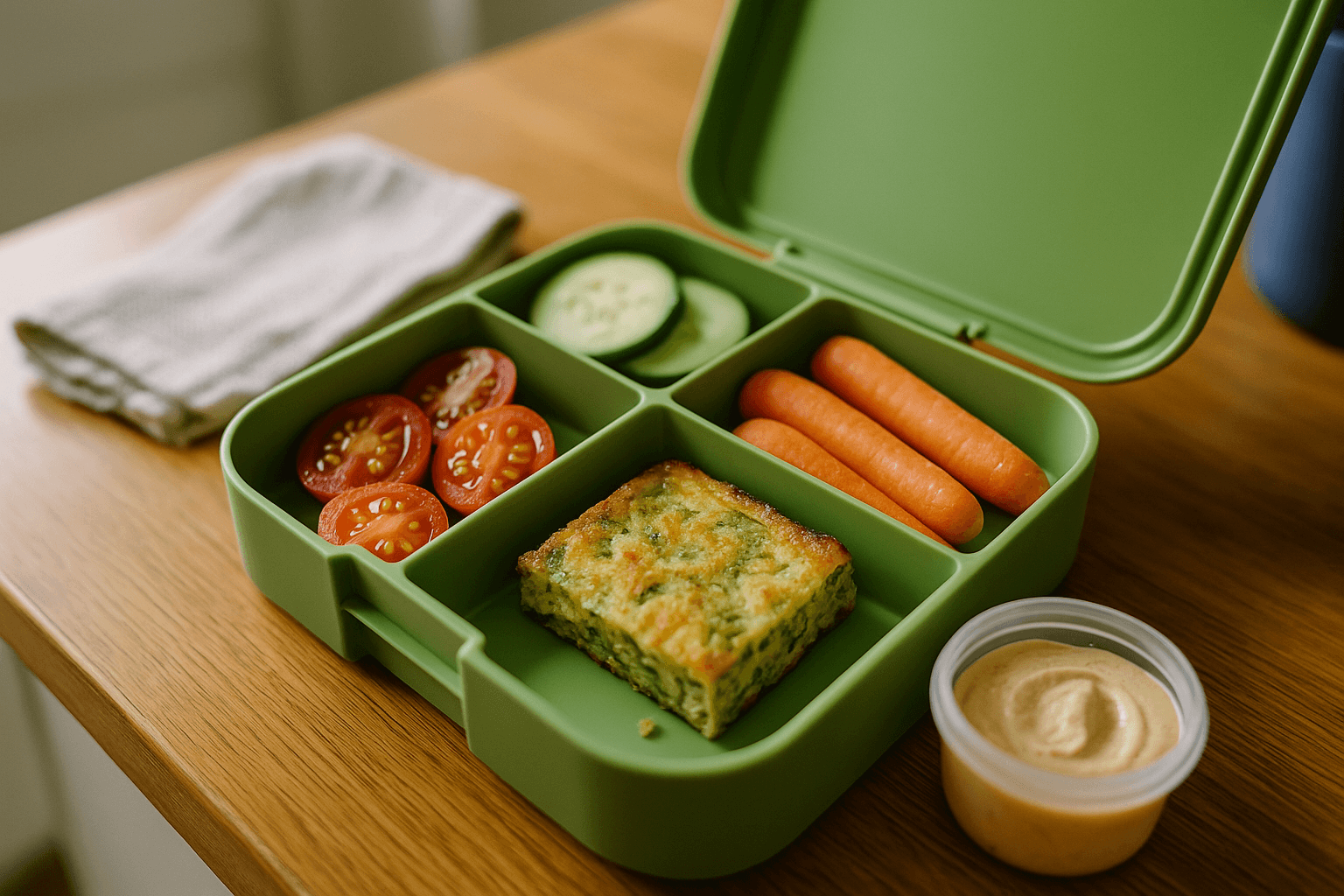
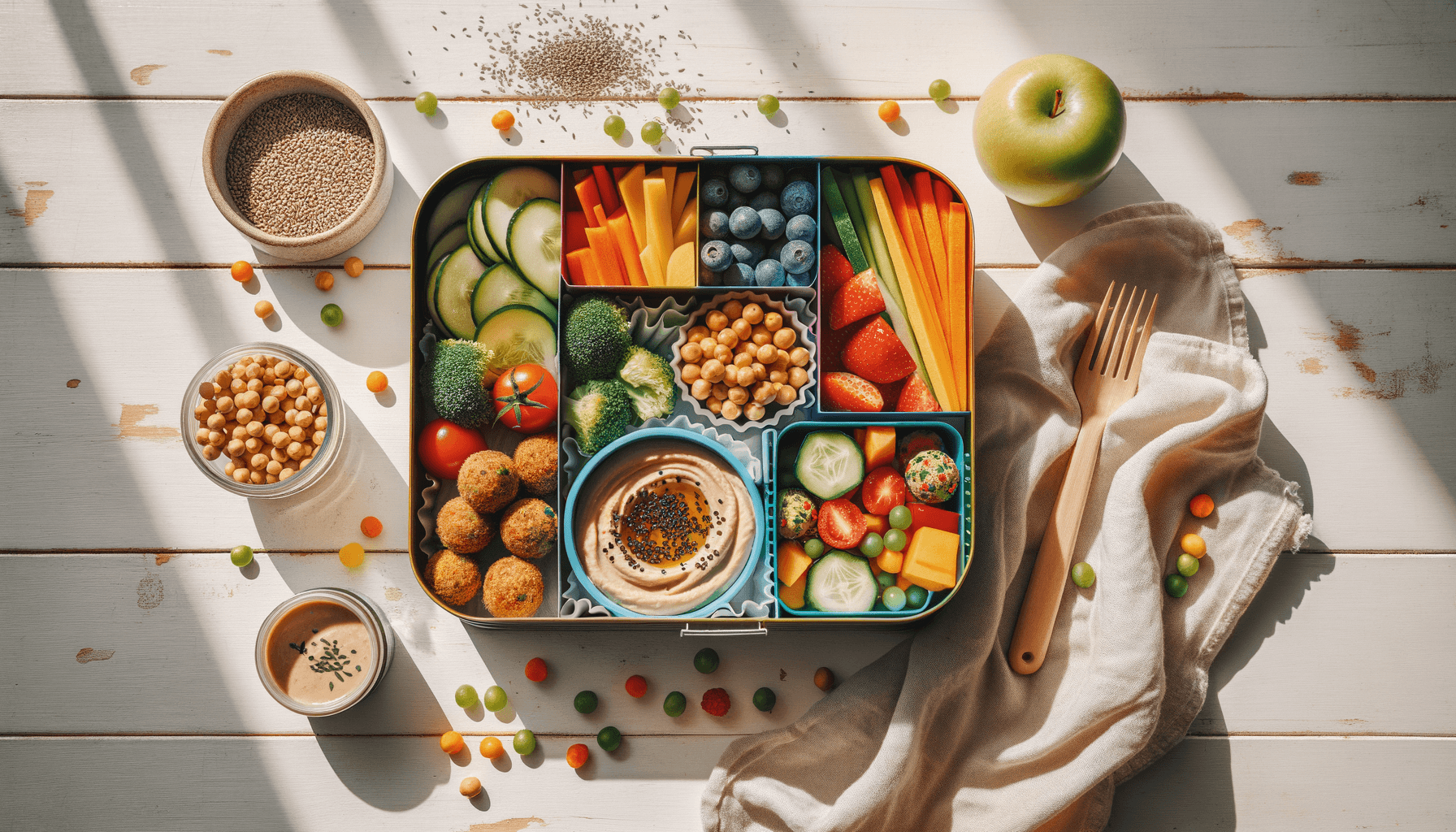
3. Hummus Rainbow Veggie Box (8g protein, 3 min prep) 3 tablespoons hummus in the Sistema To Go Dressing Pot 4-Pack with carrot sticks, capsicum strips, cucumber rounds, snap peas. The separate compartments keep everything fresh.
4. Quinoa Power Bowl (14g protein, 5 min assembly) 1/2 cup cooked quinoa, 1/4 cup black beans, diced avocado, corn kernels, 1 tablespoon hemp seeds. Lime-tahini dressing on the side.
5. Black Bean Quesadilla Triangles (16g protein, 8 min cook time) Mash 1/3 cup black beans with cumin, spread between tortillas with grated cheese. Cook in pan 2 minutes each side, cut into triangles when cool.
6. Baked Tofu Nuggets with Sweet Potato Chips (18g protein, weekend prep) Cube firm tofu, toss in nutritional yeast and breadcrumbs, bake 20 minutes at 200°C. Pair with baked sweet potato wedges. Both keep well for 3 days refrigerated.
7. Sunflower Seed Energy Balls (6g protein each, nut-free) 1 cup dates, 1/2 cup sunflower seeds, 2 tablespoons chia seeds, blend and roll into balls. Make 20 on Sunday, freeze half.
8. Edamame Brown Rice Sushi Rolls (10g protein, 15 min prep) Cooked brown rice, nori sheets, steamed edamame, cucumber strips. Roll tight, slice with sharp knife. Kids love the hands-on eating.
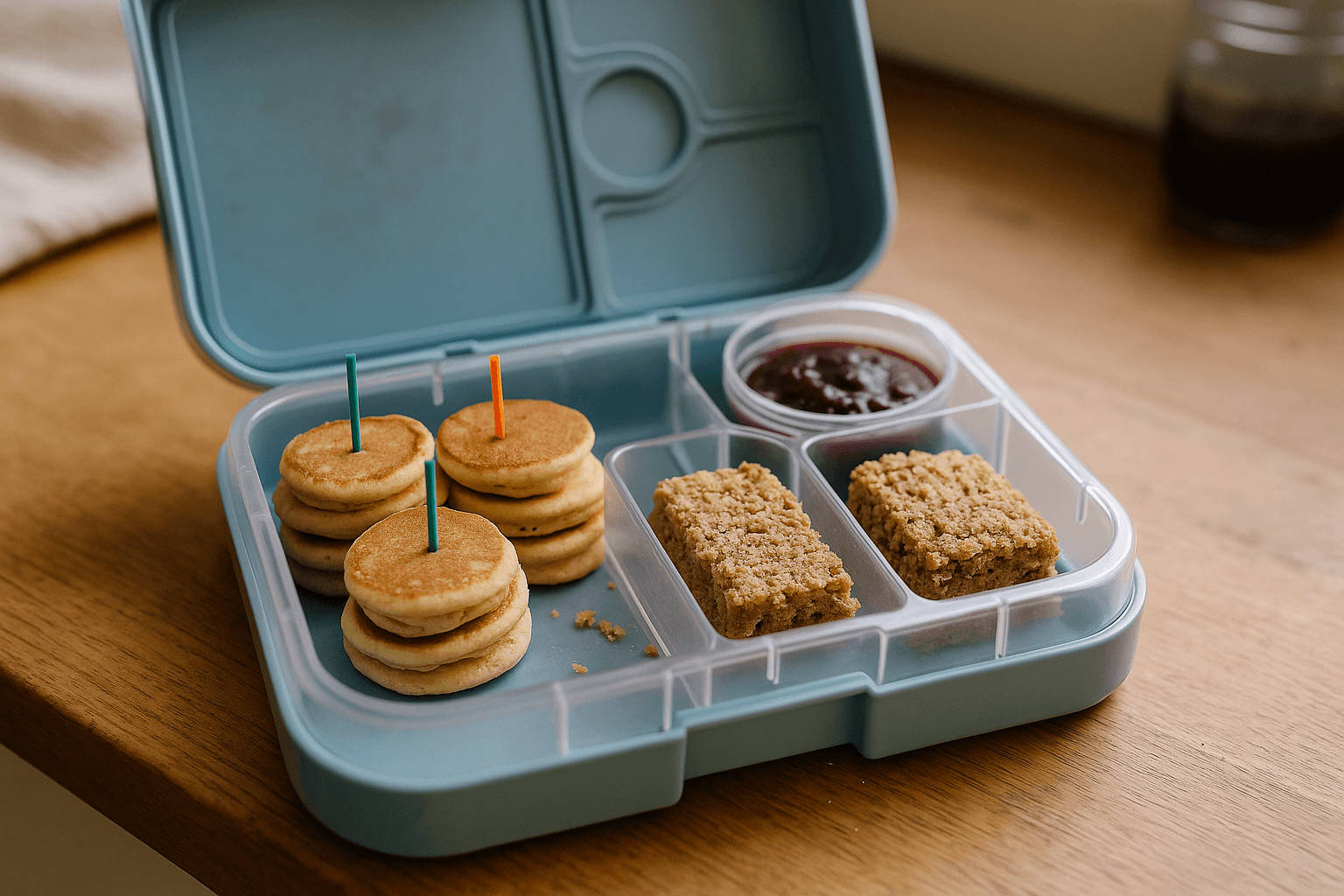
9. Chickpea Flour Pancakes (11g protein, 10 min cook time) Mix 1/2 cup chickpea flour, 1/2 cup water, pinch salt, diced vegetables. Cook like regular pancakes. Serve cold with cherry tomatoes.
10. Three-Bean Salad Cups (9g protein, 5 min prep) Canned kidney beans, cannellini beans, green beans (fresh or frozen), simple vinaigrette. Portion into small containers.
11. Sunflower Seed Butter Banana Wraps (8g protein, 2 min prep) Sunflower seed butter on wholegrain wrap, sliced banana, drizzle of honey, roll up and slice. Nut-free alternative that tastes similar to peanut butter.
12. Tempeh Bacon Lettuce Cups (12g protein, 10 min cook time) Slice tempeh thin, pan-fry with soy sauce and maple syrup until crispy. Serve in butter lettuce cups with cherry tomatoes.
13. Green Smoothie Bottles (10g protein, 3 min blend time) Spinach, banana, mango, 1 tablespoon almond butter, 1 cup soy milk. Blend smooth, pour into Thermos FUNtainer Food Jar 290ml to keep cold.
14. Seed Crackers with Cashew Cream (7g protein, overnight prep) Blend soaked cashews with lemon and herbs. Serve with homemade or store-bought seed crackers, cucumber slices.
15. Mini Falafel Bites (13g protein, weekend batch cook) Food processor: chickpeas, parsley, garlic, cumin, flour. Form small balls, bake 25 minutes at 180°C. Freeze extras, pack with cucumber and tahini dip.
The Yumbox Original works perfectly for these varied combinations – the compartments naturally control portions and prevent soggy situations.
Quick Morning Assembly: 5-Minute Plant-Based Lunch Hacks
Mornings are chaos. I get it. You're hunting for school shoes while trying to remember if it's library day, and the last thing you need is complex lunch assembly. Here's how I actually do it on weekday mornings:
Sunday Night Protein Prep (30 minutes total)
- Cook 2 cups dried lentils in the slow cooker (set and forget)
- Drain and rinse 3 cans of different beans, store in glass containers
- Make a double batch of hummus in the food processor
- Bake tofu nuggets or falafel balls
Monday Morning Reality (4 minutes, 30 seconds)
- Grab pre-portioned hummus container
- Fill compartments: cut vegetables (prepped Sunday), crackers, fruit
- Add protein component from fridge
- Pack water bottle, done
The Assembly Line Approach When you've got multiple kids, line up the lunchboxes and work systematically. Protein first, then vegetables, then extras. I can pack three lunches in under 8 minutes using this method.
Creative Leftover Transformations
- Monday's lentil curry becomes Tuesday's lentil salad wrap
- Weekend pancakes become midweek "breakfast for lunch" with berries
- Roast dinner vegetables turn into grain bowl components
The key is thinking of components, not complete meals. When you've got cooked grains, prepared proteins, and washed vegetables ready to go, morning assembly becomes genuinely quick.
For dressings and dips that might leak, those Sistema To Go Dressing Pot 4-Pack containers are worth their weight in gold. No more soggy sandwiches or sad, undressed salads.
Dealing with Picky Eaters: Transition Strategies That Work
Let's be honest about this. Your kids might not leap from chicken nuggets to quinoa bowls overnight, and that's completely normal. I've learned that successful transitions happen gradually, and sometimes you need to be sneakier than you'd like.
Start with Familiar Flavours That chickpea salad I mentioned? It genuinely tastes like tuna salad. My kids ate it for months before I mentioned it was chickpeas. Not deceptive – strategic. Once they liked the taste, the ingredient became irrelevant.
The 80/20 Rule If 80% of the lunchbox gets eaten and your child comes home happy and energised, you've won. Don't stress about the leftover apple slices or untouched snap peas. Focus on what's working.
Involve Them in Prep Kids are more likely to eat food they've helped prepare. Even 4-year-olds can mash chickpeas for hummus or arrange vegetables in lunchbox compartments. It's not always faster, but it's more effective long-term.
Presentation Tricks That Actually Work
- Cut sandwiches into triangles (apparently this matters)
- Use silicone cupcake liners to separate small portions
- Include a tiny container of "special" sauce for dipping
- Pack foods in rainbow colours – kids notice this stuff
Managing Realistic Expectations Forget Pinterest-perfect bento boxes. Your goal is nutrition, not art. Some days, a peanut butter sandwich, apple slices, and a handful of cherry tomatoes is perfectly adequate. The lunchbox ideas kids actually eat often look pretty ordinary but deliver on taste and nutrition.
Budget-Friendly Plant Proteins from Australian Supermarkets
Plant-based eating gets expensive when you buy specialty products. Stick to supermarket staples and your grocery bill might actually decrease.
Cost Comparison Reality Check
- 1kg dried lentils: $4.50, makes 20+ servings
- 1kg deli ham: $16+, makes 8-10 servings
- 400g can chickpeas: $1.20, makes 4 servings
- 200g sliced turkey: $6, makes 4 servings
Bulk Buying Strategy Buy dried legumes and grains in bulk from the health food section. Cook large batches in the slow cooker or pressure cooker, portion into containers, freeze what you won't use within 4 days.
Generic Brand Winners
- Coles and Woolworths canned legumes are identical quality to name brands
- Home-brand nut butters (when allowed) cost 40% less
- Generic quinoa, brown rice, and oats work perfectly for lunch prep
Seasonal Produce Shopping Buy vegetables when they're in season and cheap:
- Summer: cherry tomatoes, cucumbers, capsicums
- Autumn: pumpkin, sweet potato, broccoli
- Winter: carrots, cabbage, silverbeet
- Spring: snap peas, asparagus, leafy greens
Frozen vegetables often cost less and last longer than fresh. Frozen edamame, corn kernels, and peas work perfectly in lunch salads and grain bowls.
Meal Prep Like a Pro: Weekend Batch Cooking for Plant-Based Lunches
Sunday meal prep doesn't need to consume your entire weekend. Here's my actual routine that takes 90 minutes and sets up the whole week:
Sunday 2 PM: The Power Hour
First 20 minutes:
- Put 2 cups mixed lentils in slow cooker with 6 cups water
- Rinse and drain 4 different cans of beans, store in containers
- Wash and cut all vegetables for the week
- Set oven to 200°C
Next 30 minutes:
- Cube tofu, toss with seasonings, into oven
- Make quinoa in rice cooker (2 cups grain, 4 cups water)
- Prepare hummus in food processor
- Sweet potato wedges into oven alongside tofu
Final 20 minutes:
- Portion cooked grains into 5 containers
- Mix up 3 different bean salads with simple dressings
- Cool and store baked items
- Prep smoothie ingredients in freezer bags
Clean-up: 20 minutes
Freezer-Friendly Options
- Cooked lentils freeze for 3 months
- Baked falafel or tofu nuggets freeze individually on trays, then bag
- Energy balls freeze perfectly
- Cooked quinoa and brown rice freeze in portion sizes
Essential Equipment
- Slow cooker or pressure cooker for grains and legumes
- Food processor for hummus, falafel, energy balls
- Glass containers for storage (last longer, no staining)
- Good knife and large cutting board
The Thermos FUNtainer Food Jar 290ml is brilliant for warm lunches in winter – pack hot lentil soup or warm grain bowls that stay hot until lunchtime.
Navigating School Policies: Nut-Free and Allergy-Safe Options
Most Australian schools have nut-free policies, which actually makes plant-based easier in some ways. You're forced to explore beyond peanut butter, and there are excellent alternatives.
Nut-Free Plant Protein Champions:
- Sunflower seed butter (tastes remarkably like peanut butter)
- Pumpkin seeds (pepitas) – 9g protein per 30g serving
- Hemp seeds – 10g protein per 3 tablespoons, mild nutty flavour
- Chia seeds – 5g protein per 2 tablespoons, great in smoothies
- Tahini (sesame seed paste) – check school policy, usually allowed
Safe Substitution Guide:
- Replace peanut butter with sunflower seed butter 1:1 ratio
- Swap almond meal with sunflower seed meal in baking
- Use coconut milk instead of almond milk in smoothies
- Replace chopped nuts with roasted chickpeas for crunch
School Communication Tips Send a quick email to your child's teacher listing the plant-based proteins you'll be packing. Most teachers appreciate the heads-up, especially if items look unfamiliar. Include a brief note: "Sophie's lunch contains tahini (sesame seed paste) and hemp seeds – both nut-free plant proteins."
Emergency Backup Plans Keep shelf-stable options in your pantry for those inevitable rushed mornings:
- Individual hummus cups with crackers
- Sunflower seed butter squeeze packs
- Roasted chickpea snacks
- Seed-based muesli bars
Essential Lunchbox Gear for Plant-Based Success
The right equipment makes plant-based lunches significantly easier. After testing dozens of containers with my kids (and dealing with plenty of lunchbox disasters), here's what actually works:
Compartmentalised Lunchboxes The Sistema Bento Lunch Box handles variety perfectly. Multiple compartments mean you can pack hummus, vegetables, crackers, and fruit without everything mixing together. The portions are appropriate for primary school kids, and the clips actually stay closed in school bags.
For older kids or bigger appetites, the Yumbox Original offers larger compartments and better leak-proofing for wet ingredients like bean salads or cut fruit.
Temperature Control Essentials Food safety matters more with plant-based lunches because many contain fresh vegetables and legumes. The Thermos FUNtainer Food Jar 290ml keeps cold foods cold and hot foods hot for hours. Perfect for gazpacho, cold lentil salads, or warm grain bowls in winter.
Freeze water bottles overnight – they act as ice packs and provide cold water by lunchtime. The Fit & Fresh Cool Coolers Ice Packs (4-pack) are thin enough to fit in most lunchboxes without taking up food space.
Leak-Proof Containers for Dressings Plant-based lunches often involve dressings, dips, and sauces. Those Sistema To Go Dressing Pot 4-Pack containers have never leaked in my experience, even when packed with tahini dressing or hummus.
Parent-Tested Reality Check Skip the fancy stainless steel containers that cost $40 each. Kids lose lunchboxes, drop them, and generally aren't precious about equipment. Buy functional gear that works well but won't break the budget when it inevitably gets left at school.
The most important feature? Easy opening. If your 5-year-old can't open the container independently, they won't eat the food inside. Test everything at home first.
Look, transitioning to plant-based lunches isn't about perfection. It's about gradually increasing nutrition while keeping mornings manageable and kids happy. Some weeks you'll nail the meal prep and feel like a champion. Other weeks, you'll pack the same hummus and crackers four days running, and that's completely fine.
The key is having systems that work for your family's reality. Start with one or two plant-based lunches per week, build your repertoire of successful combinations, and remember that any increase in whole foods is a win.
Your kids might surprise you. Mine now ask for "the chickpea sandwiches" and argue over who gets the last energy ball. It took time, patience, and probably more tahini than any family should reasonably consume, but we got there.
For more time-saving strategies, check out these quick school lunch ideas that work whether you're doing plant-based or not. The principles of efficient morning assembly apply regardless of what you're packing.
How useful was this?
Quick school lunch ideas from Melbourne, Australia.
20 lunchbox ideas on one page. Print it, fridge it.
Written by Pat
Dad of two, Melbourne. Half Chinese, raised on incredible food. I make quick school lunches and test every piece of gear before recommending it. No bento art — just real food made with love.
This content is for general information only. Always check ingredients for allergens and consult a health professional for dietary advice. See our Terms & Conditions.