In this article
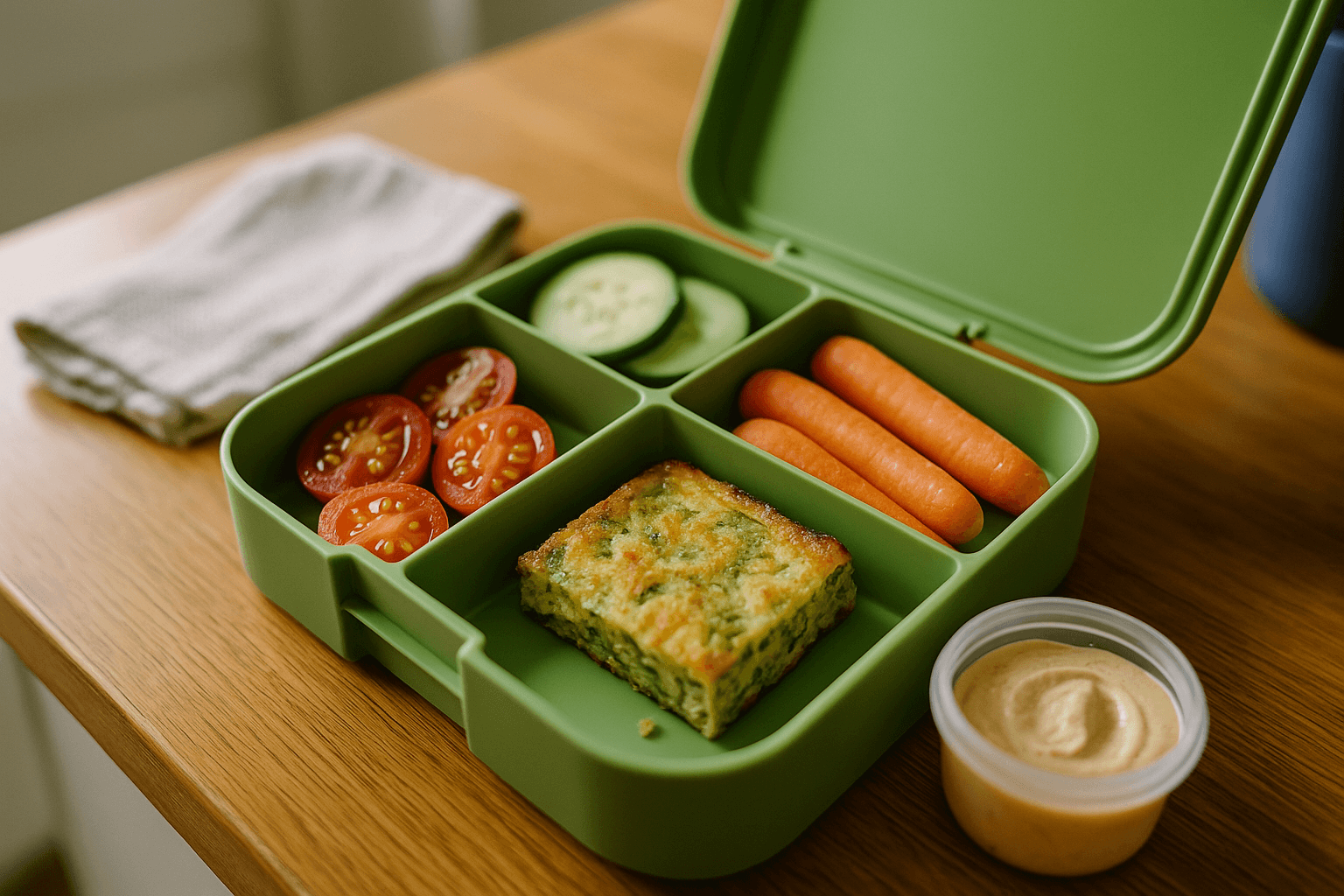
Look, I get it. You're rushing through Coles on a Sunday arvo, and those pre-made Lunchables are calling your name from the processed food aisle. Quick, easy, and the kids won't whinge. But here's the thing – after making homemade versions for my own kids for the past two years, I can tell you there's a better way that doesn't involve sacrificing your Sunday or your sanity.
Why Australian Parents Are Ditching Store-Bought Lunchables
Let's talk numbers first, because they're pretty shocking. More than 80% of Australian primary school lunches are of poor nutritional quality, with half of students' school-day food intake coming from junk food. That's not just disappointing – it's setting our kids up for afternoon energy crashes and poor concentration.
I did the maths on a typical Coles Lunchables pack versus making it at home. The store-bought version costs $4.50 and contains 1,100mg of sodium – that's nearly half an adult's daily limit in one tiny meal. The homemade version? $2.20 per serve and I control exactly what goes in.
The real kicker came when I started tracking what my 8-year-old actually ate. Store-bought Lunchables? Half came home uneaten. Homemade versions? Clean containers every day. Kids can taste the difference, even if they can't articulate it.
Making healthier alternatives to processed foods doesn't have to be complicated – it just needs to be systematic.
The Ultimate Homemade Lunchables Formula (That Actually Works)
After two years of trial and error (and plenty of soggy failures), here's the formula that works every time:
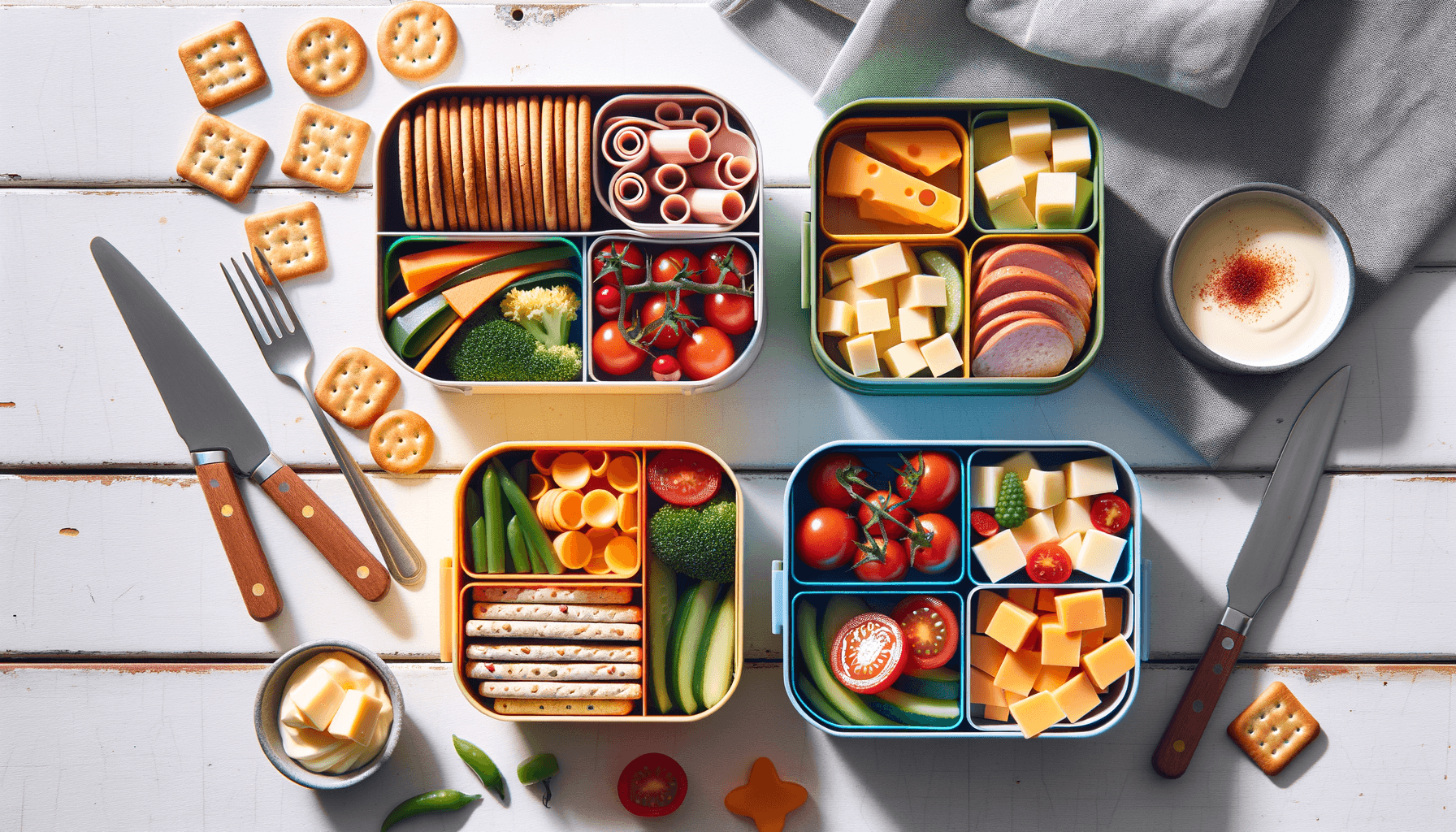
The 4-Component System:
- Protein: 30-40g serves (2-3 thin slices deli meat or 40g cheese)
- Complex carb: 20-30g (6-8 wholegrain crackers or small wrap)
- Dairy/calcium: 20g cheese or 1 small yoghurt pouch
- Veggie/fruit: 50-80g fresh (cherry tomatoes, cucumber sticks, berries)
Age-Specific Portions:
- Ages 4-6: Use the lower end of ranges
- Ages 7-9: Standard portions
- Ages 10-12: Add 25% more protein and carbs
The visual appeal trick that changed everything? Use an ice cube tray for tiny portions. Kids love miniature food, and it makes vegetables feel like a treasure hunt rather than a chore.
5 Healthy Copycat Recipes Your Kids Will Actually Eat
1. Classic Ham & Cheese Crackers
Prep time: 5 minutes per serve
- 8 Arnott's Vita-Weat crackers
- 3 slices Don® Leg Ham (40g)
- 30g Bega Tasty Cheese, cubed
- 8 cherry tomatoes
- 1 small apple, sliced
Cut cheese into 1cm cubes – kids prefer this to slices. Pack ham separately so crackers don't get soggy.
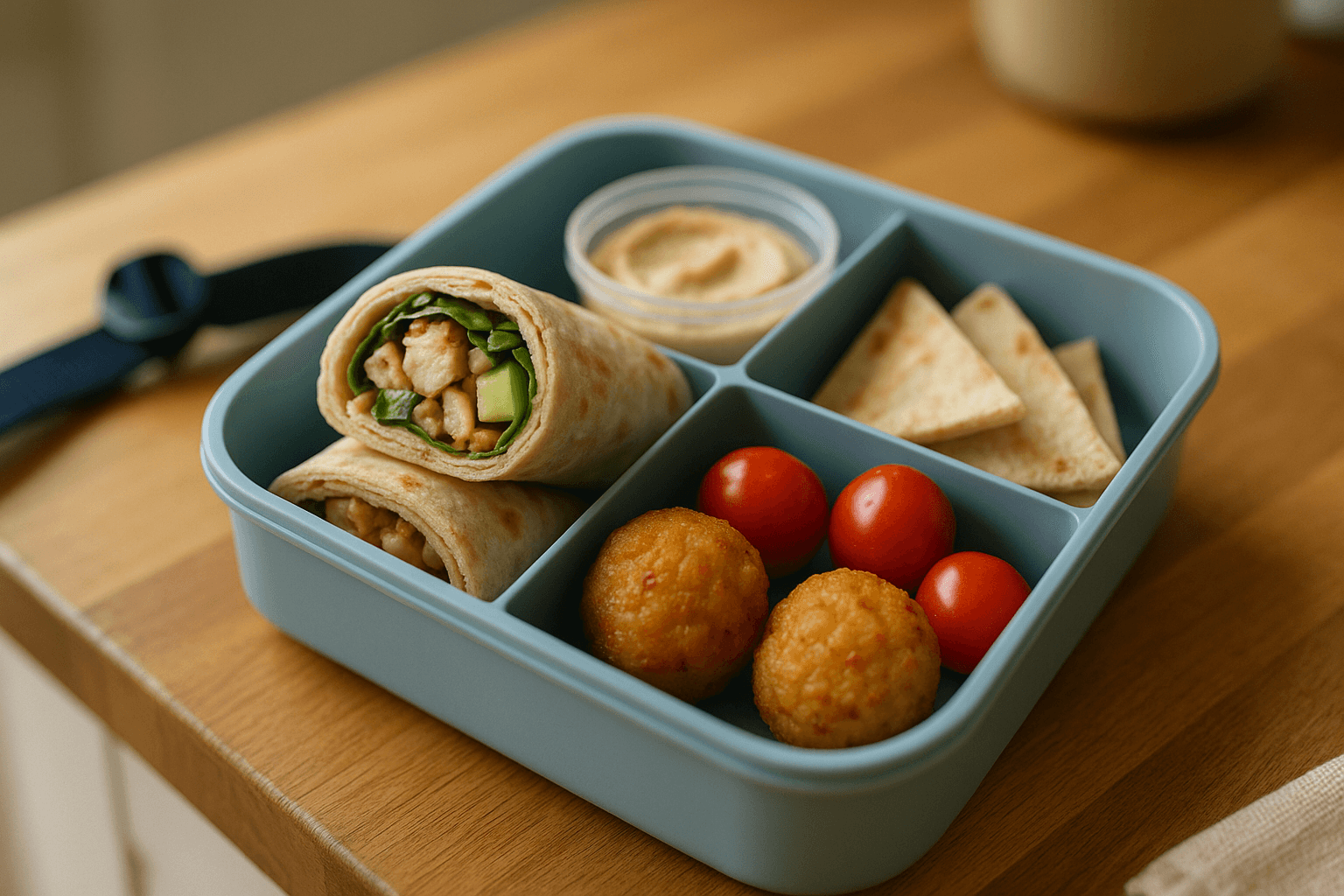
2. Turkey & Veggie Wraps Kit
Prep time: 8 minutes per serve
- 1 Mission Wholemeal Wrap, cut into 4 triangles
- 40g Primo Turkey Breast
- 2 tbsp cream cheese
- 4 cucumber sticks
- 6 baby carrots
- Small container of hummus (30g)
Kids assemble at school – keeps everything fresh and gives them ownership.
3. Mini Pizza Lunchable
Prep time: 10 minutes per serve
- 6 Ritz crackers
- 3 tbsp pizza sauce (separate container)
- 40g mozzarella, grated
- 6 cherry tomatoes, halved
- Small pepperoni slices (optional)
This one requires a nut-free lunch alternative approach if your school has policies.
4. Chicken & Cheese Bites
Prep time: 15 minutes (including cooking)
- 60g chicken breast, cooked and cubed
- 20g Babybel cheese
- 8 wholegrain crackers
- 1 small container ranch dip
- Snap peas (80g)
Cook chicken Sunday night in batches – it keeps for 4 days refrigerated.
5. Veggie Rainbow Lunchable
Prep time: 7 minutes per serve
- 40g hummus
- 6 wholegrain pita triangles
- Red capsicum strips
- Yellow cherry tomatoes
- Orange carrot sticks
- Purple cabbage, shredded
- 1 hard-boiled egg
The colour variety makes vegetables exciting. My kids call this the "rainbow lunch" and actually request it.
Essential Gear for Making Lunchables at Home
After testing dozens of containers with real kids (and dealing with countless lunchbox explosions), here's what actually works:
Best Overall: Sistema Bento Lunch Box ($15-20 at Woolworths) Five compartments, truly leak-proof, and survives the playground drop test. The yoghurt compartment has never leaked in 18 months of daily use.
Budget Winner: Decor Tellfresh containers ($8 for a 3-pack) Australian-made, stackable, and perfect for Sunday meal prep. Not as fancy, but absolutely reliable.
Hot Weather Champion: PackIt Freezable Lunch Bag ($35-45) You freeze the entire bag overnight. Keeps food cold for 8+ hours even on 35°C days. Game-changer for Australian summers.
Ice Pack Reality Check: Those tiny gel packs don't cut it in Australian heat. Get Fit & Fresh Cool Coolers (4-pack for $12) – they're bigger and stay frozen longer.
Meal Prep Strategy: Sunday Setup for the Whole Week
Here's my 60-minute Sunday system that feeds three kids for the week:
Minutes 1-15: Protein prep
- Cook 300g chicken breast, cube and store
- Portion deli meats into daily serves
- Cube cheese for the week
Minutes 16-30: Veggie prep
- Wash and cut all vegetables
- Portion into Sistema To Go containers
- Hard-boil 6 eggs
Minutes 31-45: Assembly containers
- Set up 5 bento boxes
- Add shelf-stable items (crackers, dried fruit)
- Label everything
Minutes 46-60: Final organisation
- Pack refrigerated items
- Set up morning assembly station
- Brief kids on their jobs
For a more detailed approach, check out our comprehensive meal prep guide.
Keeping Lunchables Safe in Australian Heat
Food safety in 40°C heat isn't optional – it's critical. Here's what I've learned:
The 2-Hour Rule: Perishable food can't sit above 5°C for more than 2 hours. In temperatures above 32°C, that drops to 1 hour.
Ice Pack Strategy:
- One ice pack on bottom, one on top
- Freeze overnight, not just for a few hours
- Wrap in thin towel to prevent freezer burn on food
Heat-Resistant Heroes:
- Hard cheeses beat soft every time
- Whole fruits over cut fruits
- Crackers stay crispy, bread goes soggy
Insulated Bag Non-Negotiables:
- Dark colours absorb heat – choose light colours
- Keep bags out of direct sunlight
- Don't open unnecessarily
Getting Kids Involved (Without the Mess)
Ages 4-6: Simple tasks
- Counting crackers into containers
- Washing cherry tomatoes
- Peeling hard-boiled eggs
Ages 7-9: Assembly line
- Cubing cheese with safety knife
- Portioning snacks
- Packing non-spillable items
Ages 10-12: Full ownership
- Planning their weekly menu
- Shopping list creation
- Complete assembly of their own lunch
The mess management trick? Use a large tray as a boundary. Everything stays contained, and cleanup is one tray wash.
Troubleshooting: When Kids Resist Homemade Versions
Week 1-2: Transition slowly Mix one homemade component with store-bought. Gradually increase homemade portions.
Peer pressure solutions: Pack in branded containers initially. Kids care more about the packaging than you'd expect.
The compromise that works: Friday can be "treat day" with a store-bought option. Four healthy days beats zero.
For persistent resistance, try these strategies for fussy eaters that have worked for other parents.
Australian Shopping Guide: Best Brands and Where to Find Them
Coles vs Woolworths breakdown:
Deli meats: Woolworths' Macro brand has less sodium. Coles' Don® range offers better value.
Cheese: Bega at Coles, Mainland at Woolworths – both Australian-made and kid-approved.
Crackers: Arnott's Vita-Weat everywhere, but Woolworths often has better bulk pricing.
Bulk buying winners:
- Costco for cheese (freeze portions)
- Local butcher for fresh chicken (cheaper than supermarkets)
- Aldi for containers and ice packs
Cost Breakdown: How Much You'll Actually Save
Store-bought Lunchables: $4.50 per serve × 5 days = $22.50 weekly Homemade version: $2.20 per serve × 5 days = $11.00 weekly
Weekly savings: $11.50 per child Term savings (10 weeks): $115 per child Annual savings: $460 per child
For a family with two kids, that's nearly $1,000 annually. Plus, you're getting better nutrition and less packaging waste.
The time investment? 60 minutes Sunday prep versus 15 minutes daily assembly. You're trading weekend time for weekday sanity – and in my experience, that's a trade worth making.
For more ways to stretch your lunch budget, check out these more budget-friendly lunch ideas.
The bottom line? Homemade Lunchables aren't about being the perfect parent – they're about being the practical one. Start with one recipe, get the system down, then expand. Your kids will eat better, you'll save money, and those Sunday afternoon Coles runs become a lot less stressful when you're not desperately scanning the processed food aisle.
Your future self (and your wallet) will thank you.
How useful was this?
Quick school lunch ideas from Melbourne, Australia.
20 lunchbox ideas on one page. Print it, fridge it.
Written by Pat
Dad of two, Melbourne. Half Chinese, raised on incredible food. I make quick school lunches and test every piece of gear before recommending it. No bento art — just real food made with love.
This content is for general information only. Always check ingredients for allergens and consult a health professional for dietary advice. See our Terms & Conditions.