In this article
Look, I get it. You're standing in the supermarket aisle, kids hanging off the trolley, and those packaged snacks are calling your name. Quick, easy, and the kids actually eat them. But here's the thing – <cite index="1-4,32-30">ultra-processed foods made up a whopping 67% of calories in kids' and teens' diets in 2018 and are continuing to grow</cite>. As a dad who's been packing lunchboxes for years, I've learnt that small swaps make a massive difference without turning your morning routine upside down.
Why Australian Kids Need Ultra-Processed Food Alternatives
The numbers don't lie, and they're pretty sobering. <cite index="11-1,12-26">90% of Australian school children bring a home-packed lunch to school, with 44% of the food consumed during school hours being unhealthy</cite>. That's nearly half their daily fuel coming from processed junk.
Here's what really got my attention: <cite index="12-27">The mean cost of lunchbox contents was $4.48 AUD (SD 1.53), containing a mean energy of 2699 kJ (SD 859), with 37.3% (SD 23.9) of energy sourced from unhealthy foods</cite>. We're spending good money to send our kids to school with food that's working against them.
I've watched my own kids come home from school either wired or completely crashed, and it usually tracked back to what they'd eaten. The connection between building balanced lunchboxes and their afternoon behaviour became crystal clear once I started paying attention.
The Real Impact of UPFs on Your Child's Health and Focus
Ultra-processed foods aren't just "a bit unhealthy" – they're engineered to be irresistible and addictive. The blood sugar spikes and crashes from these foods turn your kid into a yo-yo throughout the school day. One minute they're bouncing off the walls, the next they can't concentrate on basic maths.
Here's how to spot ultra-processed foods quickly: if it has more than 5 ingredients, contains things you can't pronounce, or comes in packaging that promises to stay fresh for months, it's probably ultra-processed. Simple processed foods like cheese, canned tomatoes, or frozen vegetables are fine – we're talking about the heavily manufactured stuff loaded with preservatives, artificial colours, and flavour enhancers.
The long-term health implications are serious too. These foods are linked to obesity, poor dental health, and even behavioural issues in kids. But the immediate impact on classroom concentration is what you'll notice first when you make the switch.
10 Simple Swaps That Transform Any Lunchbox
Right, let's get practical. These swaps don't require a nutrition degree or hours in the kitchen:
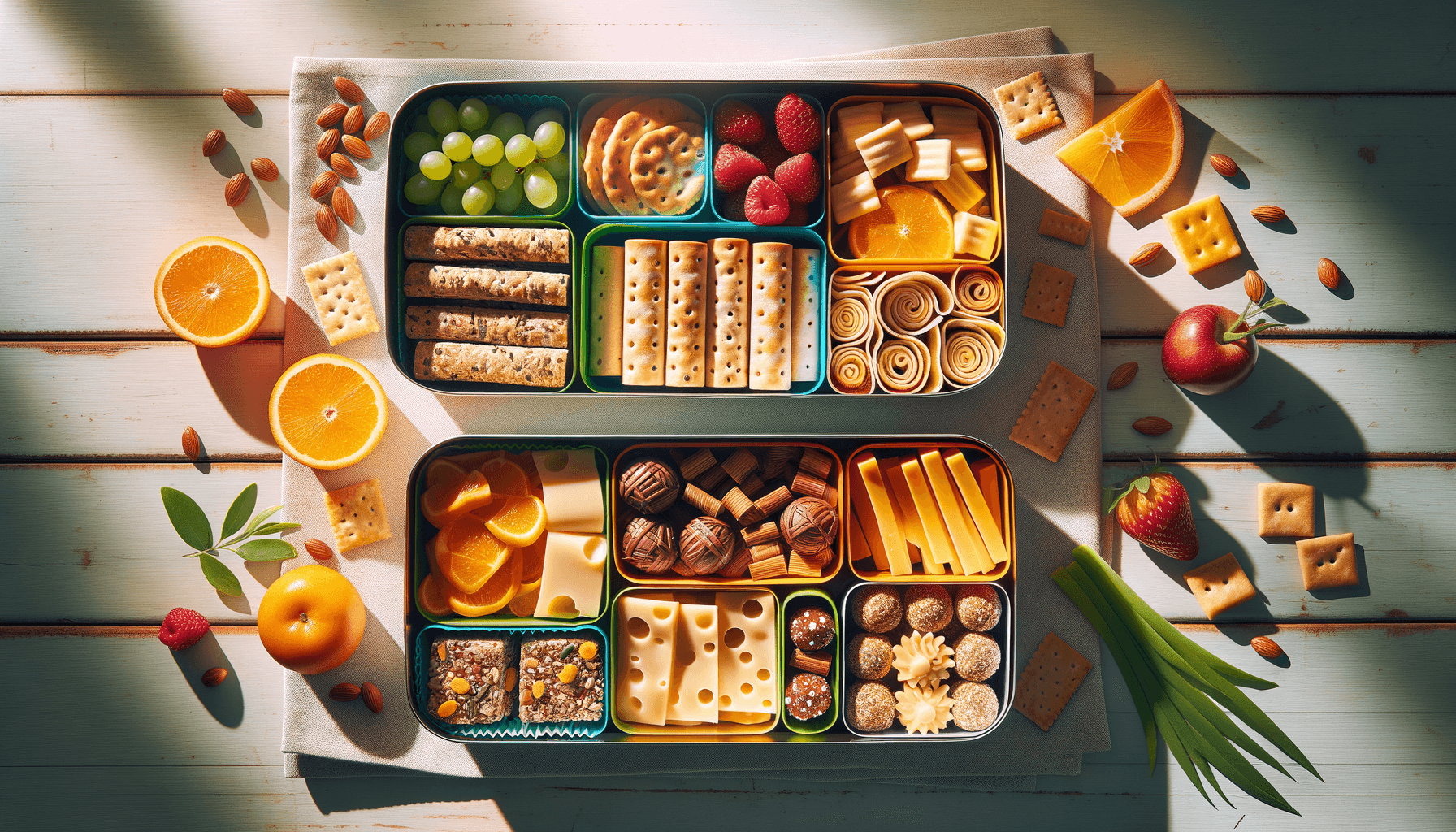
1. Packaged crackers → Homemade seed crackers Mix 1 cup mixed seeds, 1/3 cup water, pinch of salt. Spread thin, bake 25 minutes at 180°C. Makes enough for the week.
2. Fruit roll-ups → Dehydrated fruit leather Blend 2 cups fresh fruit, spread on baking paper, dehydrate in oven at 60°C for 6-8 hours. Cut into strips.
3. Flavoured yoghurt → Plain Greek yoghurt + fresh berries Buy 1kg tub Greek yoghurt, portion into small containers, add seasonal fruit. Costs half the price of individual flavoured pots.
4. Packaged sandwiches → DIY wraps Wholemeal wraps, real ingredients, wrapped in beeswax wraps. Takes 2 minutes to assemble.
5. Processed cheese sticks → Real cheese cubes Buy a block of tasty cheese, cube it Sunday night, store in the Sistema To Go Dressing Pot 4-Pack for perfect portions.
6. Muesli bars → Homemade energy balls 1 cup dates, 1/2 cup nuts, 1/4 cup seeds. Blitz, roll, done. Store in fridge for the week.
For more ideas, check out these healthy homemade snack alternatives that actually taste good.
Age-Appropriate Alternatives: What Works for Different Stages
Ages 4-6: Keep it simple and familiar Finger foods rule here. Cheese cubes, cucumber sticks, quartered apples. The Yumbox Original works brilliantly for this age – separate compartments prevent food mixing (which they hate) and portions are just right.
Ages 7-9: Get them involved This is when you can start involving them in prep. Let them choose between apple slices or grapes, help make energy balls on Sunday. They're more likely to eat what they've helped prepare.
Ages 10-12: Teaching independence Start teaching label reading. Show them how to spot ultra-processed foods. Give them choices and explain why real cheese is better than processed cheese sticks. They're old enough to understand the connection between food and how they feel.
Weekend Meal Prep Strategies for Busy Parents
Sunday arvo, 2 hours, sorted for the week. Here's my exact routine:
Hour 1: Batch cooking
- Make 2 dozen energy balls
- Cut vegetables into snack portions
- Boil eggs (6-8 for the week)
- Bake seed crackers
Hour 2: Assembly and storage
- Portion everything into containers
- Pre-make wraps (they keep 2-3 days)
- Wash and portion fruit
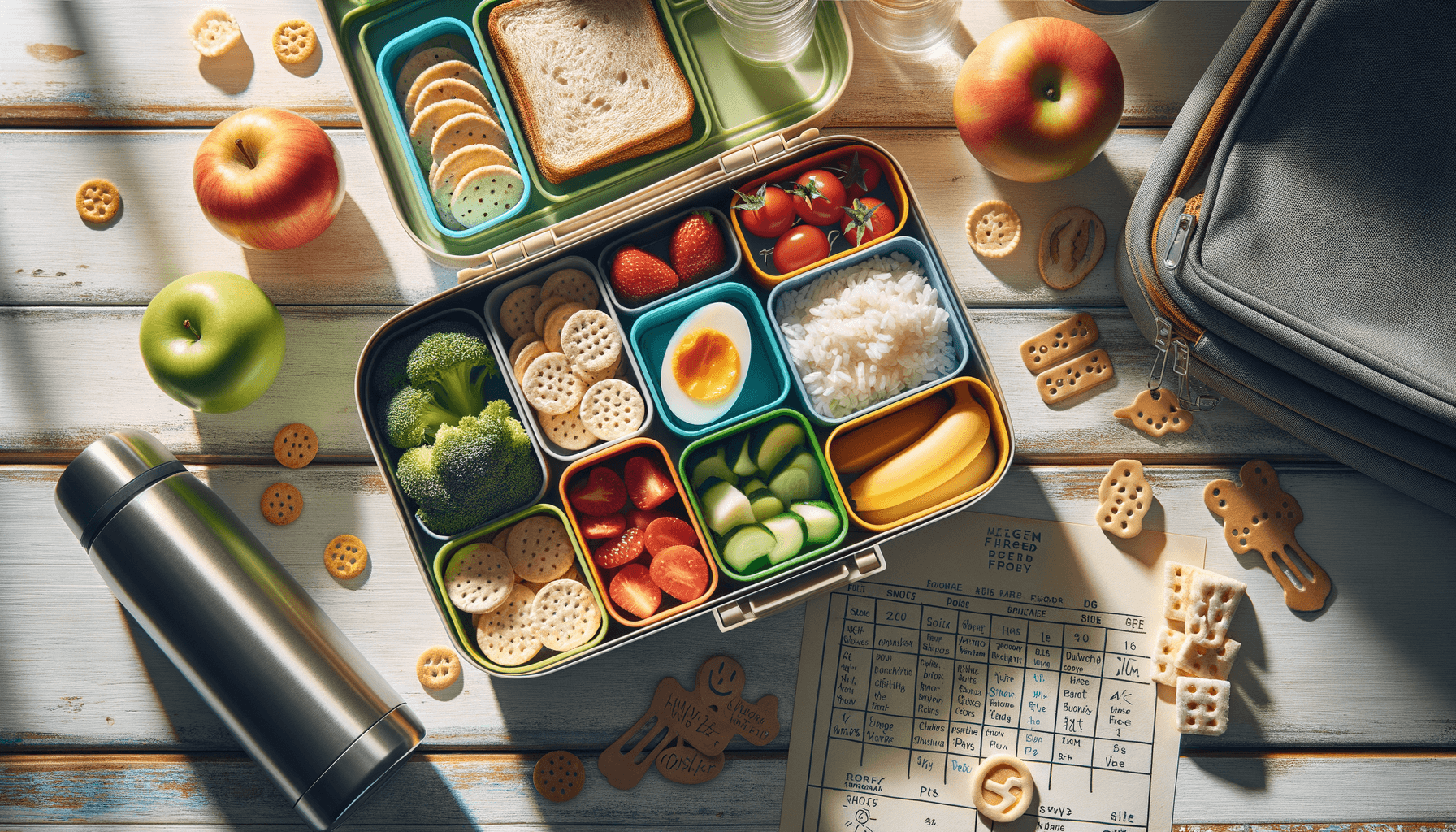
The Sistema Bento Lunch Box is perfect for this approach – you can pre-load the compartments and just grab from the fridge each morning. For more detailed strategies, have a look at my Sunday meal prep strategies.
Getting Kids On Board: Making Healthy Changes Stick
Don't go cold turkey – that's a recipe for rebellion. Start with one swap per week. Maybe replace the fruit roll-up with real fruit leather first. Once they're used to that, tackle the next item.
Involve them in shopping. Let them choose between two healthy options. "Do you want apple slices or orange segments today?" gives them control while keeping you in charge of the choices.
Expect pushback. My kids complained for exactly 3 days when I switched from processed cheese sticks to real cheese cubes. By day 4, they'd forgotten there was ever a difference. If you're dealing with particularly fussy eaters, I've got specific strategies for fussy eaters that work.
Budget-Friendly Swaps That Won't Break the Bank
Homemade alternatives are almost always cheaper. A batch of energy balls costs about $3 and replaces $12 worth of muesli bars. Real cheese bought in blocks costs half the price of processed cheese sticks.
Buy ingredients in bulk when possible. Seeds, nuts, and dried fruit from bulk bins are significantly cheaper than packaged versions. Seasonal fruit and vegetables are both cheaper and tastier.
For families really watching the budget, focus on these high-impact, low-cost swaps first: homemade energy balls, real cheese portions, and seasonal fruit instead of packaged snacks. Check out my complete guide to budget-friendly lunch strategies for more money-saving tips.
Quick Wins: 5-Minute Alternatives for Rushed Mornings
Some mornings, even the best-laid plans fall apart. Here's your emergency arsenal:
- Apple slices + peanut butter in small container
- Hard-boiled eggs (pre-cooked Sunday) + crackers
- Cheese and ham roll-ups in wholemeal wraps
- Greek yoghurt + handful of berries
- Nuts and dried fruit mix (pre-portioned)
The Bentgo Kids Lunch Box is brilliant for these rushed mornings – you can literally throw whole foods into compartments and still have a balanced lunch.
Keep emergency backup ingredients in the pantry: nuts, dried fruit, crackers, nut butter. With these staples, you can always pull together something decent even when you haven't prepped.
Look, transforming your kids' lunchboxes doesn't happen overnight, and it doesn't need to be perfect. Start with one or two swaps, get the family used to them, then gradually add more. Your kids' energy levels, concentration, and long-term health will thank you for it.
The goal isn't to become a food purist – it's to tip the balance back towards real food. Some weeks you'll nail the meal prep, other weeks you'll fall back on emergency options. That's normal family life, and it's still infinitely better than filling lunchboxes with ultra-processed junk every day.
How useful was this?
Quick school lunch ideas from Melbourne, Australia.
20 lunchbox ideas on one page. Print it, fridge it.
Written by Pat
Dad of two, Melbourne. Half Chinese, raised on incredible food. I make quick school lunches and test every piece of gear before recommending it. No bento art — just real food made with love.
This content is for general information only. Always check ingredients for allergens and consult a health professional for dietary advice. See our Terms & Conditions.