In this article
Look, I'll be straight with you — watching my 6-year-old come home with half a soggy sandwich every day was doing my head in. More than 80% of Aussie primary school lunches are nutritionally poor, according to Flinders University research, and frankly, I could see why.
After 18 months of testing different food thermoses with my two kids (ages 5 and 8), I've cracked the code on hot school lunches that actually work in our climate. Here's everything I wish someone had told me before I wasted $200 on duds.
Why Australian Kids Need Better Hot Lunch Options
The stats are pretty grim, mate. Research shows that kids get one-third of their daily nutrition from what they eat at school during those 6-7 hours. When 90% of Australian school children bring home-packed lunches and half of those are junk food, we've got a problem.
But here's the kicker — our Aussie conditions make everything harder. That sandwich sitting in a 35°C playground for 4 hours? It's either growing bacteria or dried out like cardboard. Meanwhile, 16% of Australian families are dealing with food insecurity, making every lunch dollar count.
A decent thermos solves multiple problems: better nutrition, food safety in heat, and honestly, less waste when kids actually finish their meals.
How to Choose the Right Thermos Size and Features
Forget the marketing fluff — here's what actually matters:
Size by age:
- 4-6 years: 290-350ml (about 1.5 cups)
- 7-9 years: 350-470ml (2 cups)
- 10+ years: 470-650ml (2.5-3 cups)
The opening test: Can your kid open it with wet hands in 30 seconds? I've watched my 5-year-old struggle with "easy-open" lids that had me sweating. Look for wide, grippy tops with simple twist mechanisms.
Wide vs narrow mouth: Wide mouth (7cm+) wins every time. You can actually fit a spoon in there, and cleaning doesn't require a bottle brush and prayer.
Stainless steel is non-negotiable. Plastic thermoses are rubbish at heat retention. I tested both — plastic kept food warm for 2 hours, stainless steel managed 5+ hours.
Best Food Thermoses Tested in Australian Schools
I've put six different thermoses through proper testing: real kids, real schools, real Aussie heat. Here's what survived:
Winner: Thermos FUNtainer Food Jar 290ml After 6 months of daily use, this thing still keeps soup hot for 5 hours in 30°C weather. My 5-year-old can open it independently (crucial), and it's survived being dropped on concrete twice.
- Heat retention: 8.5/10
- Kid-friendly opening: 9/10
- Durability: 8/10
- Price: Around $25
Runner-up: Zojirushi Stainless Steel Food Jar Better heat retention than the FUNtainer, but the opening mechanism is trickier for little hands. Great for kids 8+.
Avoid: Anything from Kmart or cheap knockoffs. I tested three sub-$15 options. All leaked, none kept food hot past 2 hours.
The Complete Guide to Preheating Your Thermos
This is where most parents stuff up. Skipping preheating cuts your heat retention in half.
My 5-minute morning routine:
- Fill thermos with boiling water while making coffee (6:45am)
- Let it sit while preparing food (5 minutes minimum)
- Empty water, immediately add piping hot food
- Seal and pack (7:00am)
Temperature testing: Food should be 70°C+ when you pack it. I use a cheap digital thermometer — best $15 I've spent.
Timing tip: Start your slow cooker or reheat yesterday's batch the night before. Morning stress is the enemy of hot lunches.
Solving Common Thermos Problems Every Parent Faces
Condensation making food soggy: This drove me mental until I figured it out. Pack dry ingredients separately — crackers in a small container, not floating in soup. For pasta dishes, slightly undercook them; they'll finish cooking in the thermos.
Teaching kids to open difficult lids: Practice at home, not at school. Show them the "grip and twist" technique using both hands. If they can't open it easily at the kitchen table, they won't manage it with 25 classmates watching.
Leak-proofing: Always check the rubber seal. Replace it annually — they're $5 and save you from disaster. Never overtighten; it damages the threads.
Deep cleaning: Weekly deep clean with bicarb soda and hot water. For stubborn smells, fill with hot water and 2 tablespoons white vinegar, let sit overnight.
Best Thermos-Friendly Foods (Plus 5 Easy Recipes)
What works: Soups, stews, pasta with sauce, rice dishes, anything with enough liquid to stay moist.
What doesn't: Fried foods, anything crispy, plain rice (goes gluey), most vegetables on their own.
5 batch-cook friendly recipes:
Mini Meatballs in Tomato Sauce
- 500g beef mince, 1 egg, 1/2 cup breadcrumbs
- Roll into 20 small balls, brown in pan
- Add 400ml passata, simmer 15 minutes
- Serves 4 kids, freezes perfectly
Creamy Pasta with Hidden Veggies
- 300g small pasta, 1 cup grated carrot and zucchini
- 300ml cream, 1/2 cup parmesan
- Cook pasta 1 minute under, mix everything, done
Chicken and Rice Soup
- 2 cups cooked rice, 300g shredded chicken
- 500ml chicken stock, mixed frozen veg
- Simmer 10 minutes, season well
Sweet Potato and Lentil Curry (mild)
- 2 sweet potatoes diced, 1 cup red lentils
- 400ml coconut milk, 1 tsp mild curry powder
- Simmer 20 minutes until soft
Beef and Vegetable Stew
- 400g diced beef, slow cook with vegetables
- Perfect Sunday prep, portion and freeze
For more inspiration, check out these quick school lunch ideas that work in thermoses.
Cost Analysis: Thermos Lunches vs School Canteen
Let's talk numbers because this matters.
Weekly canteen costs: $6-12 per day × 5 days = $30-60 per week per child Thermos lunch costs: $2-4 per day × 5 days = $10-20 per week per child
Annual savings: $800-1,600 per child. Even factoring in the $25-40 thermos cost, you're ahead by March.
Hidden canteen costs: Most "healthy" options are $8+, and kids often want extras. My mate's spending $80/week for two kids.
Budget thermos meals under $2:
- Pasta with homemade sauce
- Lentil soup (bulk cook Sunday)
- Leftover dinner portions
- Rice and bean combinations
Food Safety for Hot Lunches in Australian Heat
This isn't optional in our climate, especially with 35°C+ days.
The danger zone: 5-60°C is where bacteria multiply. Food sitting in this range for 2+ hours becomes risky.
Safe holding times:
- Properly preheated thermos: 5-6 hours safe
- Lukewarm food: 2 hours maximum
- Room temperature: Don't risk it
Warning signs: If food smells off, looks separated, or the thermos feels cool to touch, bin it.
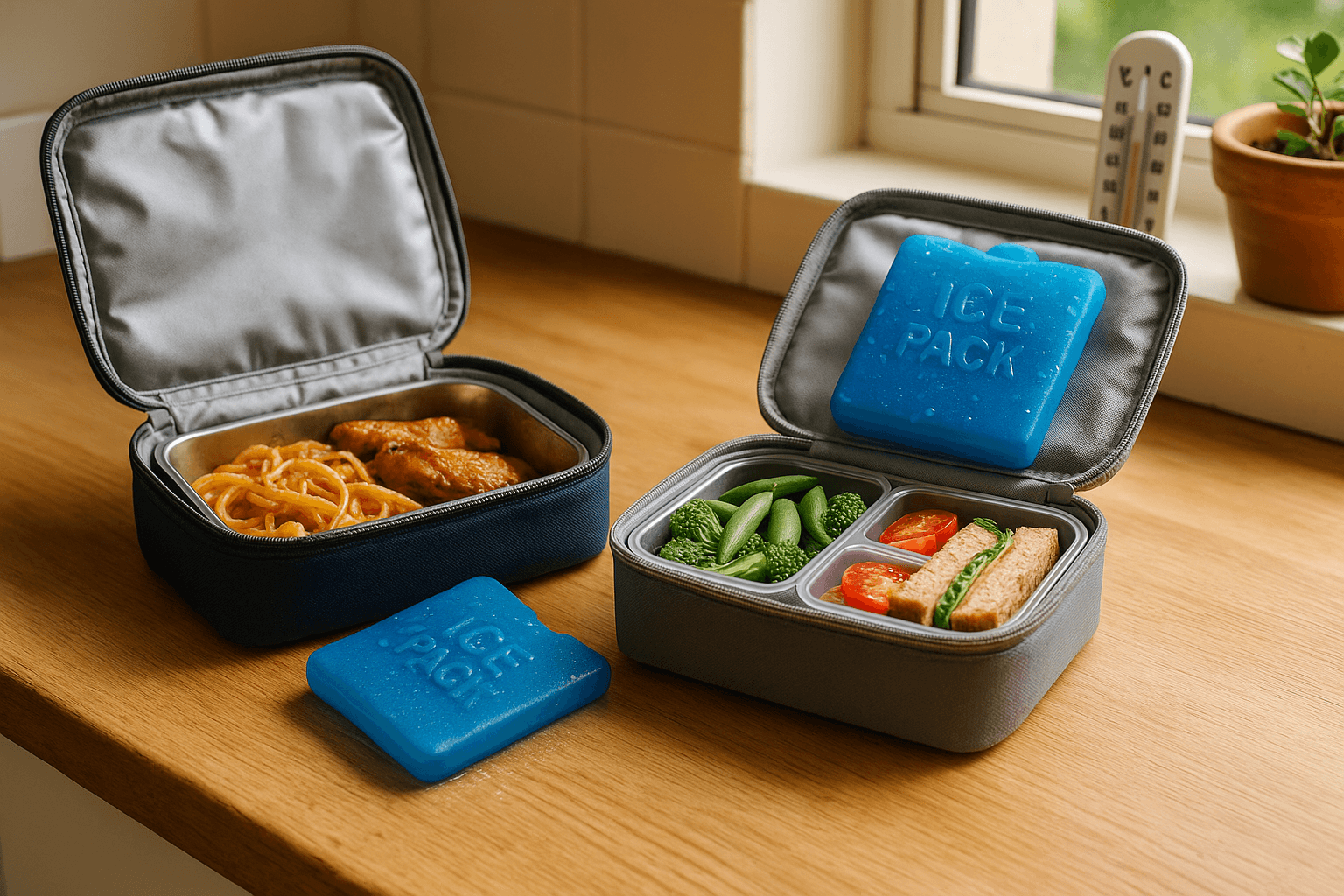
Ice pack strategy: Use Fit & Fresh Cool Coolers Ice Packs around (not touching) the thermos for extra protection on 40°C days.
Transitioning Sandwich Kids to Hot Lunches
My 5-year-old lived on vegemite sandwiches until I cracked this system.
Week 1-2: Familiar flavours in thermos form
- Spaghetti bolognese (they know this)
- Chicken noodle soup
- Mac and cheese
Week 3-4: Expand comfort zone
- Add vegetables to familiar dishes
- Try different pasta shapes
- Introduce mild flavours
Backup plan: Always pack cold lunch alternatives for the first month. Hungry kids are learning kids.
Picky eater hack: Let them help choose and prepare thermos meals on weekends. Investment in the process = investment in eating it.
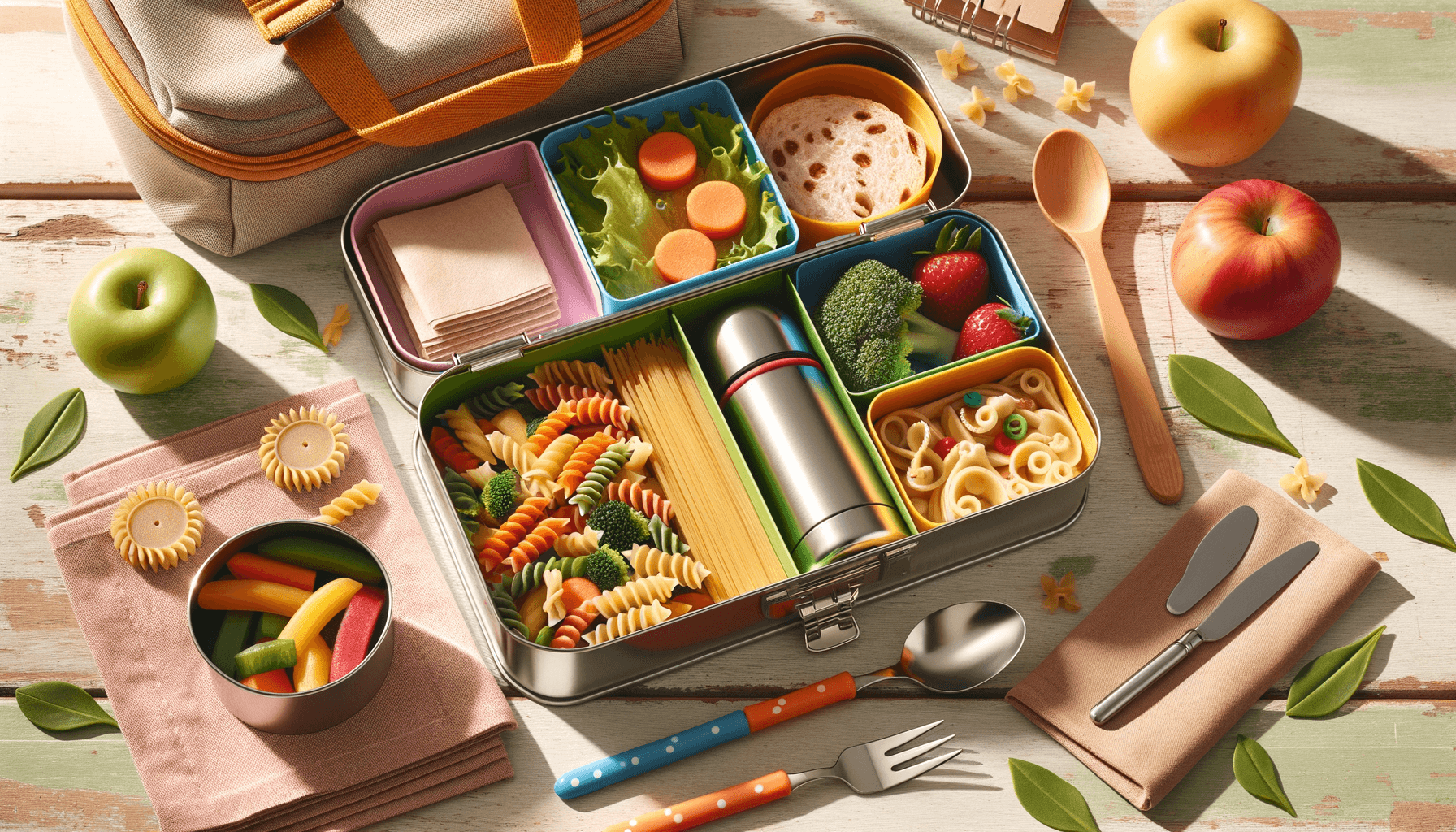
Complete Thermos Lunch Setup and Accessories
A thermos alone isn't enough — you need a system.
Essential accessories:
- Insulated lunch bag (fits thermos + extras)
- Small containers for crackers/fruit
- Proper spoon (not plastic rubbish)
- Napkins (trust me)
My complete setup:
- Thermos FUNtainer 290ml for hot food
- Yumbox Original for sides and snacks
- Frank Green Ceramic Reusable Bottle 595ml for drinks
- Bentgo Kids Chill Lunch Bag to hold everything
Total investment: $120. Pays for itself in 6 weeks vs canteen.
Pro tip: Buy two thermoses. One's always clean and ready while the other's being used or washed.
Look, hot lunches aren't rocket science, but they do require a bit of planning and the right gear. After 18 months of trial and error, my kids actually finish their lunches now, and I'm saving serious money.
Start with a decent thermos, master the preheating routine, and batch cook on Sundays. Your future self (and your wallet) will thank you.
Got questions about specific thermoses or recipes? Drop me a line — I've probably tested it.
How useful was this?
Quick school lunch ideas from Melbourne, Australia.
20 lunchbox ideas on one page. Print it, fridge it.
Written by Pat
Dad of two, Melbourne. Half Chinese, raised on incredible food. I make quick school lunches and test every piece of gear before recommending it. No bento art — just real food made with love.