In this article
Right, let's talk about something that's been on my mind since my kids started school — why are we still packing the same boring sandwiches when Australia is one of the most multicultural countries on earth? As a dad who actually cooks (not just heats up), I've spent the last three years figuring out how to get world flavours into school lunchboxes without creating a disaster.
Here's the thing: 99% of Australian kids aged 2-18 don't eat enough vegetables, and discretionary foods make up 31.3% of their daily energy intake. Meanwhile, we're surrounded by incredible food cultures that naturally pack more nutrition and flavour into every bite. Time to fix this.
Why Multicultural Lunches Matter for Australian Kids
Look, I get it. You're rushing around at 7:30am trying to get everyone out the door, and the last thing you need is a complicated lunch prep routine. But here's what I've learned after three years of trial and error: cultural foods often travel better than our typical Aussie lunch staples.
Think about it — cultures that developed lunch traditions around work and travel figured out food preservation, portability, and nutrition centuries ago. Japanese onigiri rice balls? They're designed to be eaten hours later. Indian chapati wraps? They get better as the flavours meld.
The research backs this up too. Kids exposed to diverse foods early are more likely to accept new flavours and eat a wider variety of vegetables. But here's the dad reality check: you can't just throw a curry in their lunchbox on Monday and expect them to embrace it. It's about gradual exposure and smart presentation.
Asian-Inspired Lunch Ideas That Travel Well
Asian cuisines are absolute gold for lunchboxes. They're built around portability, balanced nutrition, and foods that taste good at room temperature.
Japanese Onigiri Rice Balls (15 minutes prep)
- 2 cups cooked short-grain rice (cook Sunday, use all week)
- 1 sheet nori seaweed, cut into strips
- Fillings: tuna and mayo, cooked salmon, or cream cheese
Wet your hands, grab 1/3 cup rice, press filling in centre, form into triangle. Wrap with nori strip. These keep for 2 days in the fridge and are perfect finger food.
Korean-Style Kimbap Rolls Think sushi but easier. Use a bamboo mat (or tea towel), spread rice on nori, add cooked egg strips, cucumber, and cooked beef or chicken. Roll tight, slice with wet knife. Kids love the bite-sized pieces.
Vietnamese Rice Paper Rolls Soak rice paper in warm water for 30 seconds, add cooked prawns or chicken, lettuce, cucumber, and mint. Roll tight. Serve with a mild peanut dipping sauce in a Sistema To Go Dressing Pot — keeps everything fresh and prevents soggy disasters.
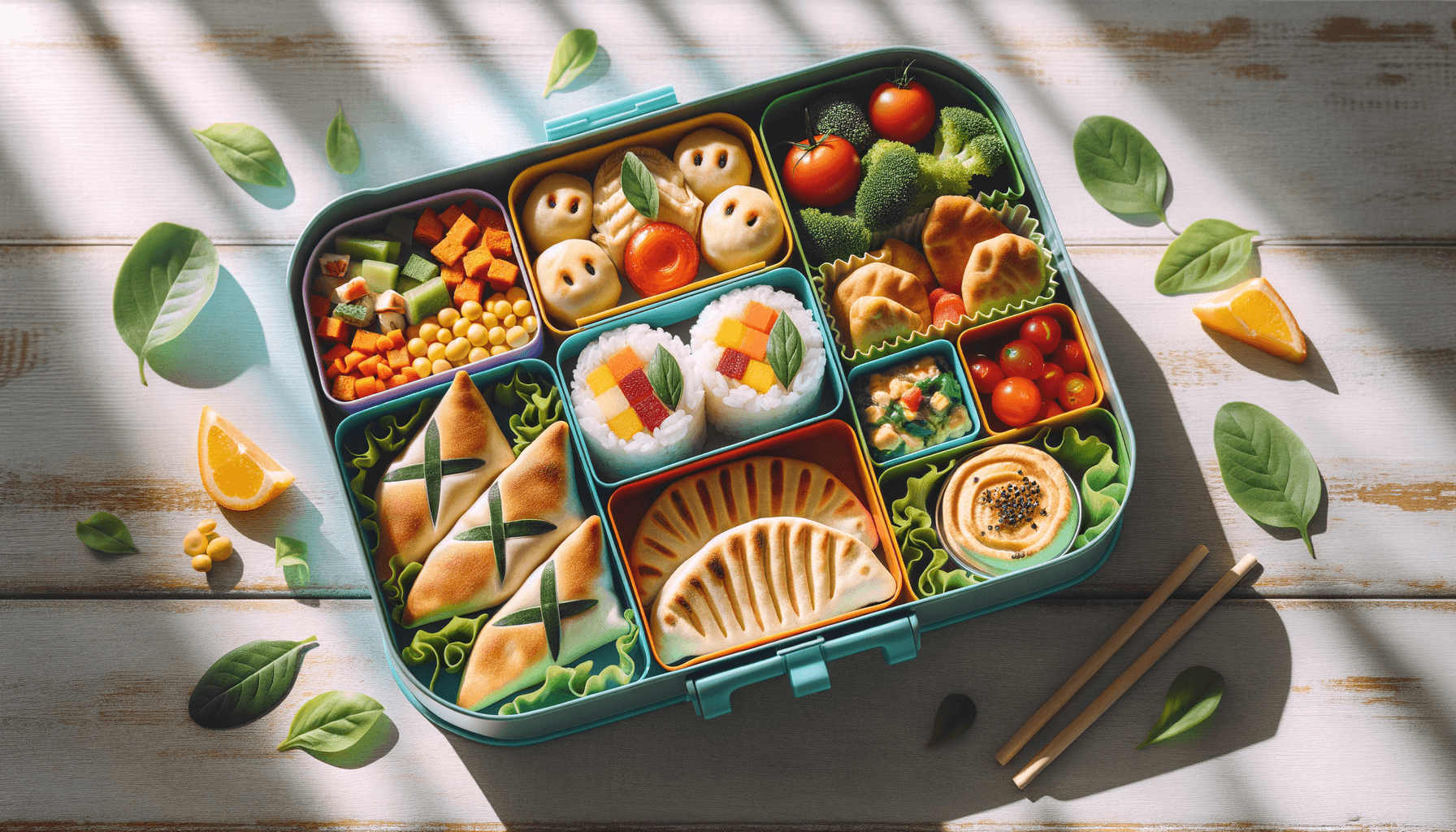
For Asian-inspired presentations, check out our bento lunch ideas — the compartmentalised approach works perfectly with these cuisines.
Mediterranean Flavours Kids Actually Enjoy
Mediterranean food is naturally kid-friendly because it's built around simple, quality ingredients. Plus, it's packed with the vegetables our kids need.
Greek Pita Pockets (10 minutes assembly)
- 4 small pita breads, halved
- 200g Greek yoghurt mixed with 1 grated cucumber and 1 tsp dried dill (tzatziki)
- Diced tomato, cucumber, and mild feta
- Cooked chicken strips
Stuff pita halves, wrap in foil. The bread stays soft, and the tzatziki adds protein and probiotics.
Italian Pasta Salad That Actually Tastes Good
- 300g cooked pasta (shells or penne)
- Cherry tomatoes, diced mozzarella, basil leaves
- Simple dressing: 3 tbsp olive oil, 1 tbsp balsamic vinegar, 1 tsp honey
Mix Sunday night, portion into containers. Gets better over 2-3 days.
Spanish Tortilla Squares This is genius for lunchboxes — eggs, potatoes, and onions cooked like a thick pancake, then cut into squares. Protein-packed, travels perfectly, and kids think it's fancy scrambled eggs.
Indian Lunch Box Classics Made Simple
Indian food gets a bad rap for being too spicy or complicated, but traditional Indian lunch boxes (tiffins) are actually perfect for kids — mild, nutritious, and designed to travel.
Mild Curry Chicken Wraps
- 500g chicken breast, diced and cooked with 1 tsp mild curry powder, 1/2 cup coconut milk
- Large flour tortillas
- Grated carrot and cucumber for crunch
Cook the chicken Sunday, assemble wraps morning of. The coconut milk keeps everything moist and adds natural sweetness kids love.
Chapati Roll-ups Buy chapatis from the Indian grocery (cheaper and better than making them). Spread with cream cheese, add cooked vegetables or leftover roast chicken, roll tight. Cut in half for easy eating.
Dal and Rice Combo Make a big batch of mild yellow dal (red lentils) — it's basically protein-packed soup that kids can eat with rice. Pack in a Thermos FUNtainer Food Jar to keep warm. Add a dollop of plain yoghurt for cooling.
Latin American Lunch Ideas for Young Palates
Latin American food is naturally kid-friendly — lots of cheese, mild spices, and familiar ingredients presented in new ways.
Quesadilla Triangles Make them thick with cheese and mild fillings like cooked chicken, beans, or vegetables. Cook until crispy, cool completely, then cut into triangles. They're brilliant cold and don't get soggy.
Empanada-Style Hand Pies Use bought shortcrust pastry, fill with cooked mince, cheese, and diced vegetables. Bake until golden, freeze extras. These are like fancy meat pies but more nutritious.
Brazilian Cheese Bread Bites Made with tapioca flour, these are naturally gluten-free and have a unique chewy texture kids love. Buy frozen from South American groceries — just bake and pack.
The Bentgo Kids Lunch Box works perfectly for these handheld foods — separate compartments prevent everything from getting squashed together.
Middle Eastern Favourites for School
Middle Eastern cuisine offers some of the best plant-based proteins and travels incredibly well.
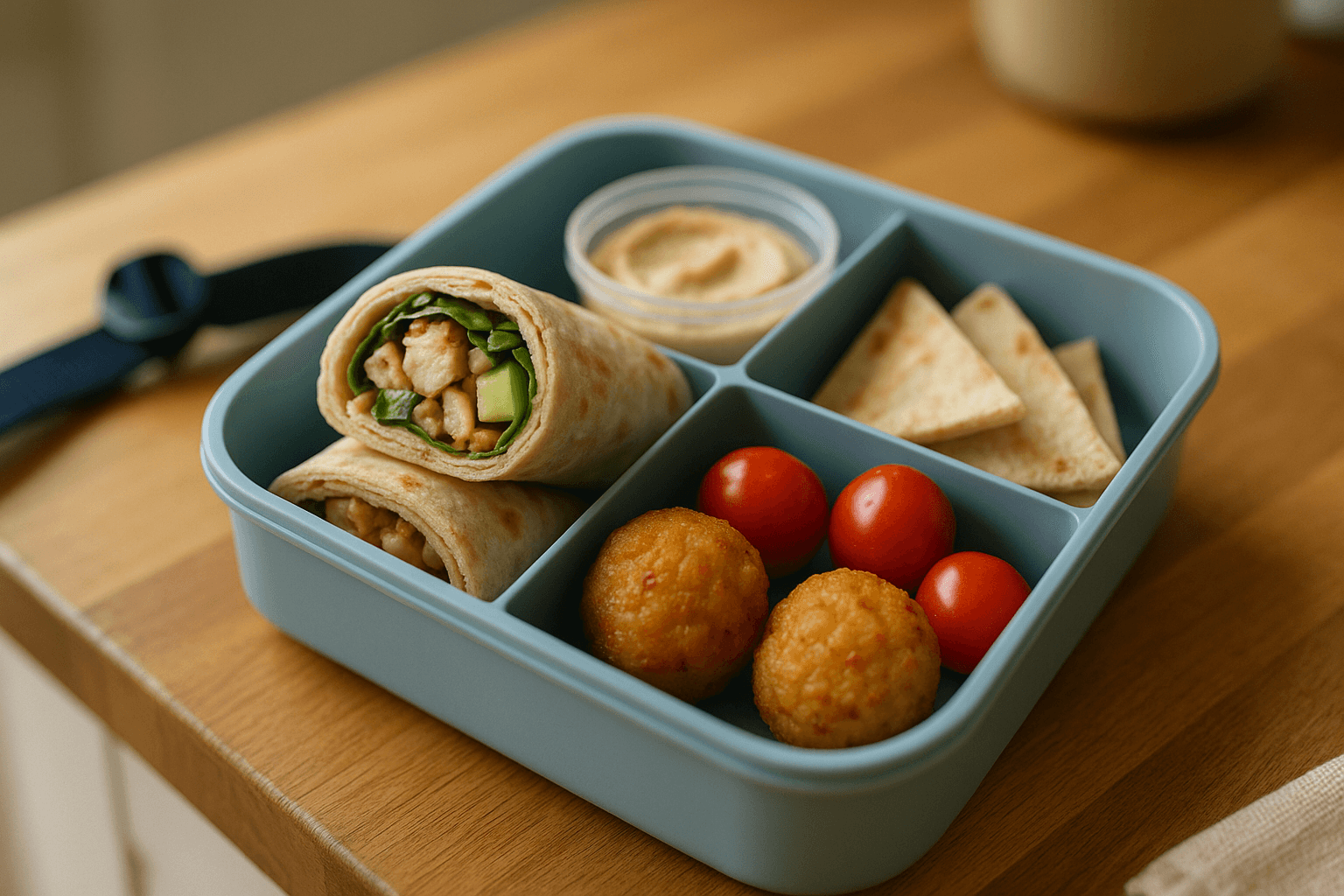
Hummus and Veggie Wraps Spread hummus thickly on lavosh bread, add grated carrot, cucumber strips, and lettuce. Roll tight in foil. The hummus acts as both protein and moisture barrier.
Baked Falafel Bites Make them small (walnut-sized) and bake instead of frying. Serve with mild tahini sauce for dipping. Kids love the crispy exterior and soft centre.
Tabouleh in Lettuce Cups Make tabouleh with more bulgur and less parsley than traditional recipes. Serve in butter lettuce cups for easy eating. It's like a healthy taco.
For nut-free options in this category, check out our nut-free lunch alternatives — many Middle Eastern foods naturally fit school allergy policies.
Meal Prep Strategies for Multicultural Lunches
Here's where the rubber meets the road. Cultural foods can be time-consuming if you're making them fresh every morning, but they're actually perfect for batch cooking.
Sunday Prep Session (90 minutes total)
- Cook 3 cups rice (use for onigiri, fried rice, curry bases)
- Make one large curry or stew (portion and freeze)
- Prep vegetables (dice, julienne, grate — store separately)
- Mix dressings and sauces (store in small containers)
Freezer-Friendly Cultural Foods
- Empanadas and samosas (freeze cooked, reheat in oven)
- Onigiri rice balls (freeze individually, thaw overnight)
- Curry bases (freeze in portions, add fresh vegetables when reheating)
- Pancakes and flatbreads (freeze with parchment between layers)
For complete meal prep systems, our Sunday meal prep strategies guide covers the timing and organisation that makes this actually work.
Assembly Line Packing Set up your kitchen like a production line: containers on the left, fillings in the middle, packaging on the right. Make 5 of the same thing at once rather than one lunch at a time.
Handling Cultural Food Sensitivity at School
Let's address the elephant in the room. Some kids will make comments about "weird" food, and some teachers might not understand cultural eating practices. Here's how to handle it.
Preparing Your Kids Talk about the food before packing it. Explain what it is, why it's special, and give them simple answers for curious friends: "It's like a sandwich but the bread is rice" (onigiri) or "It's like a meat pie but from Argentina" (empanadas).
School-Appropriate Choices Avoid foods with strong smells (fish curries, fermented vegetables) or foods that require special eating techniques. Stick to handheld items or things eaten with regular cutlery.
Building Confidence Start with cultural foods that look familiar — quesadillas instead of traditional tacos, or rice balls instead of sushi. Success builds confidence for more adventurous options later.
Understanding Australian school lunch policies helps you navigate any potential issues before they arise.
Budget-Friendly Ingredient Shopping Tips
Cultural ingredients don't have to break the bank. In fact, many are cheaper than processed Australian alternatives.
Best Stores for International Ingredients
- Asian groceries: Rice, noodles, sauces (often 50% cheaper than Coles/Woolies)
- Indian spice shops: Bulk spices, lentils, flours
- Mediterranean delis: Olive oil, cheese, preserved vegetables
- South American groceries: Frozen empanada pastry, cheese bread
Bulk Buying Strategy Buy rice, lentils, and spices in bulk. A 10kg bag of jasmine rice costs the same as 4 small supermarket bags and lasts months.
Generic vs Authentic Some things are worth buying authentic (soy sauce, fish sauce, tahini), others aren't (basic spices, canned tomatoes). The authentic versions often have better flavour and go further.
For more money-saving approaches, our budget-friendly lunch ideas covers strategies that work across all cuisines.
Making Cultural Foods Kid-Friendly Without Losing Authenticity
This is the art part. You want to respect food traditions while making them accessible to young Australian palates.
Gradual Flavour Introduction Start with 75% familiar, 25% new. Make a chicken wrap with mild curry spices rather than jumping straight to traditional curry. Next week, increase the spice level slightly.
Familiar Presentation Methods Use familiar formats — wraps, rice bowls, pasta salads — with cultural flavours. Kids are more likely to try new tastes in familiar packages.
Combination Approach Pair one cultural item with familiar sides. Pack hummus with regular crackers and cheese, or serve onigiri alongside fruit and yoghurt.
For kids who are particularly resistant to new foods, combine these techniques with strategies for fussy eaters — the same principles apply.
Respecting Food Traditions Learn a bit about the cultural significance of foods you're adapting. Explain to kids that rice balls were originally samurai food, or that empanadas were designed for Spanish miners. Stories make food more interesting.
The Yumbox Tapas is perfect for this gradual introduction approach — small compartments let you include tiny portions of new foods alongside familiar favourites.
Final Thoughts
Look, I'm not suggesting you throw out the Vegemite sandwiches entirely. But in a country as beautifully diverse as Australia, our kids' lunchboxes should reflect that diversity. Start with one new cultural food per week. Give it three tries before deciding it doesn't work (kids need multiple exposures to accept new flavours).
Most importantly, don't stress if something doesn't work. My kids rejected Korean kimbap six times before suddenly deciding it was their favourite lunch. The goal isn't perfection — it's expanding their world, one lunchbox at a time.
Remember: you're not just packing lunch, you're packing curiosity, nutrition, and a bit of the wider world. That's worth the extra 10 minutes on Sunday.
How useful was this?
Quick school lunch ideas from Melbourne, Australia.
20 lunchbox ideas on one page. Print it, fridge it.
Written by Pat
Dad of two, Melbourne. Half Chinese, raised on incredible food. I make quick school lunches and test every piece of gear before recommending it. No bento art — just real food made with love.
This content is for general information only. Always check ingredients for allergens and consult a health professional for dietary advice. See our Terms & Conditions.