In this article
Look, I get it. You're standing in the supermarket aisle staring at those overpriced Lunchables thinking "there's got to be a better way." Well, there is. After three years of packing school lunches for two kids, I've cracked the code on homemade lunchables that actually work.
No Instagram-perfect arrangements. No 47-ingredient masterpieces. Just real solutions for real parents who need to get lunch sorted without losing their minds.
Why Homemade Lunchables Beat Store-Bought (Every Time)
Here's the brutal truth: more than 80% of Australian primary school lunches are of poor nutritional quality. Store-bought Lunchables aren't helping – they're packed with preservatives, excessive sodium, and cost a fortune.
Let's break this down:
- Cost: Store-bought Lunchables run $4-6 each. My homemade versions cost $1.50-2.50
- Nutrition: You control the ingredients, no mystery preservatives
- Customisation: Allergies? Preferences? Sorted.
- Freshness: Made this morning beats made last month
With 90% of Australian school children bringing home-packed lunches, we're already doing the heavy lifting. Let's just do it better.
The 5-Minute Morning Assembly System That Actually Works
Forget those Pinterest parents who prep elaborate bento boxes at 5am. Here's what actually works when you've got kids underfoot and 10 minutes to get out the door:
The Night-Before Prep (10 minutes, Sunday):
- Wash and portion all fruits and vegetables
- Pre-slice cheese into kid-sized portions
- Portion crackers into small containers
- Fill Sistema To Go Dressing Pot 4-Pack with dips and spreads
The Morning Assembly Line (5 minutes max):
- Grab pre-portioned ingredients from fridge
- Load compartments: protein first, then crackers, fruit, veg
- Add ice pack, zip, done
Get the kids involved – my 6-year-old can pack her own crackers and cheese while I handle the rest. It's not about perfection; it's about getting nutritious food into their bellies without the morning stress.
For more time-saving strategies, check out these quick school lunch ideas that'll revolutionise your morning routine.
Essential Containers and Tools for DIY Lunchables
I've tested dozens of lunchboxes. Here's what actually works:
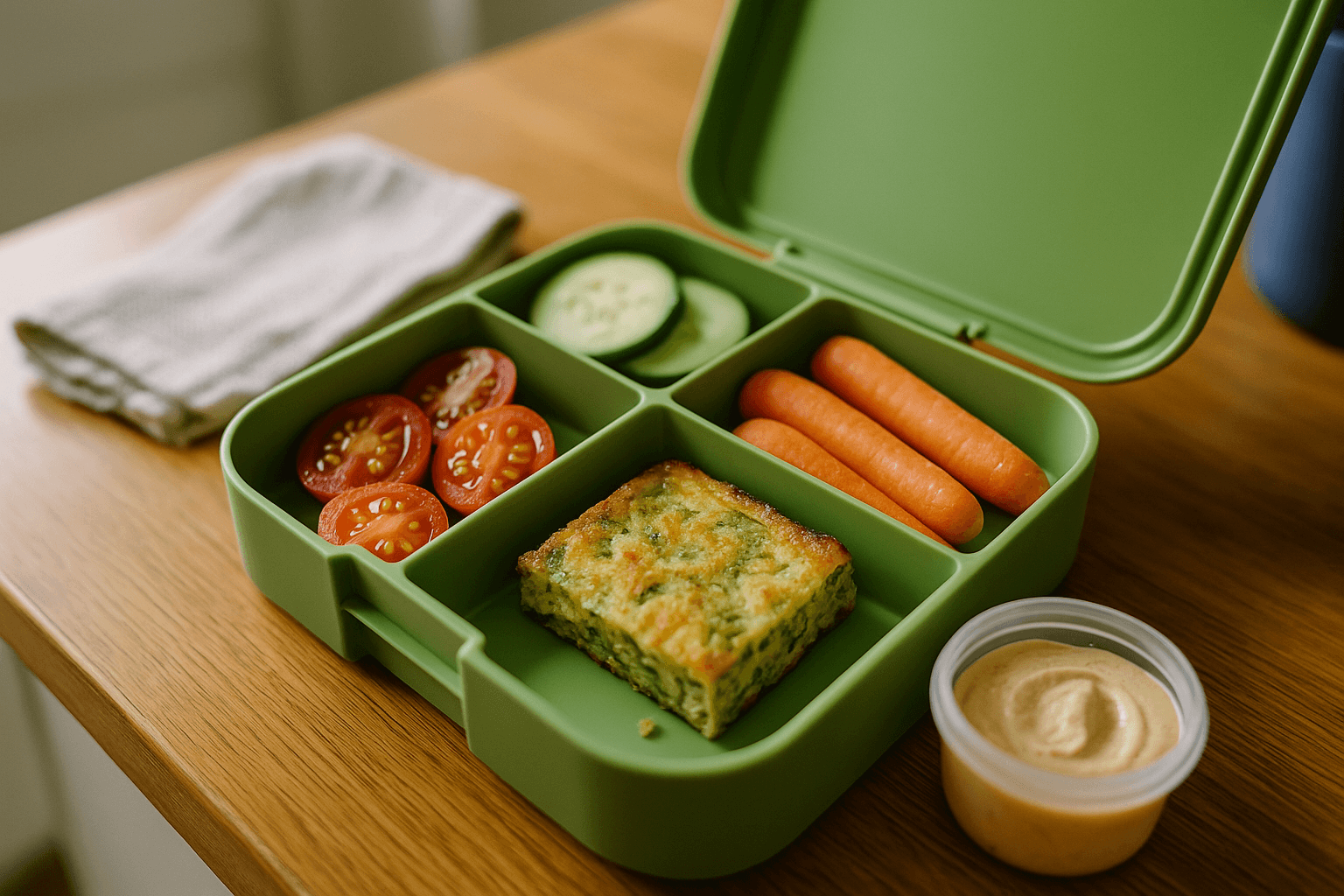
For Ages 4-7: Yumbox Original – leak-proof, perfect portion sizes, and the compartments prevent the "everything touching" meltdowns.
For Ages 8-12: Bentgo Kids Lunch Box – bigger portions, still compartmentalised, fits in most school bags.
Budget Option: Sistema Bento Lunch Box – does the job at half the price, just not as leak-proof.
Must-Have Extras:
- Small silicone cupcake liners for separating components
- Food-safe silicone dividers to create custom compartments
- Ice packs that fit your chosen container
Invest in quality containers. Cheap ones leak, break, and you'll end up buying three times over.
12 Winning Homemade Lunchable Combinations Kids Love
Classic Crackers & Cheese:
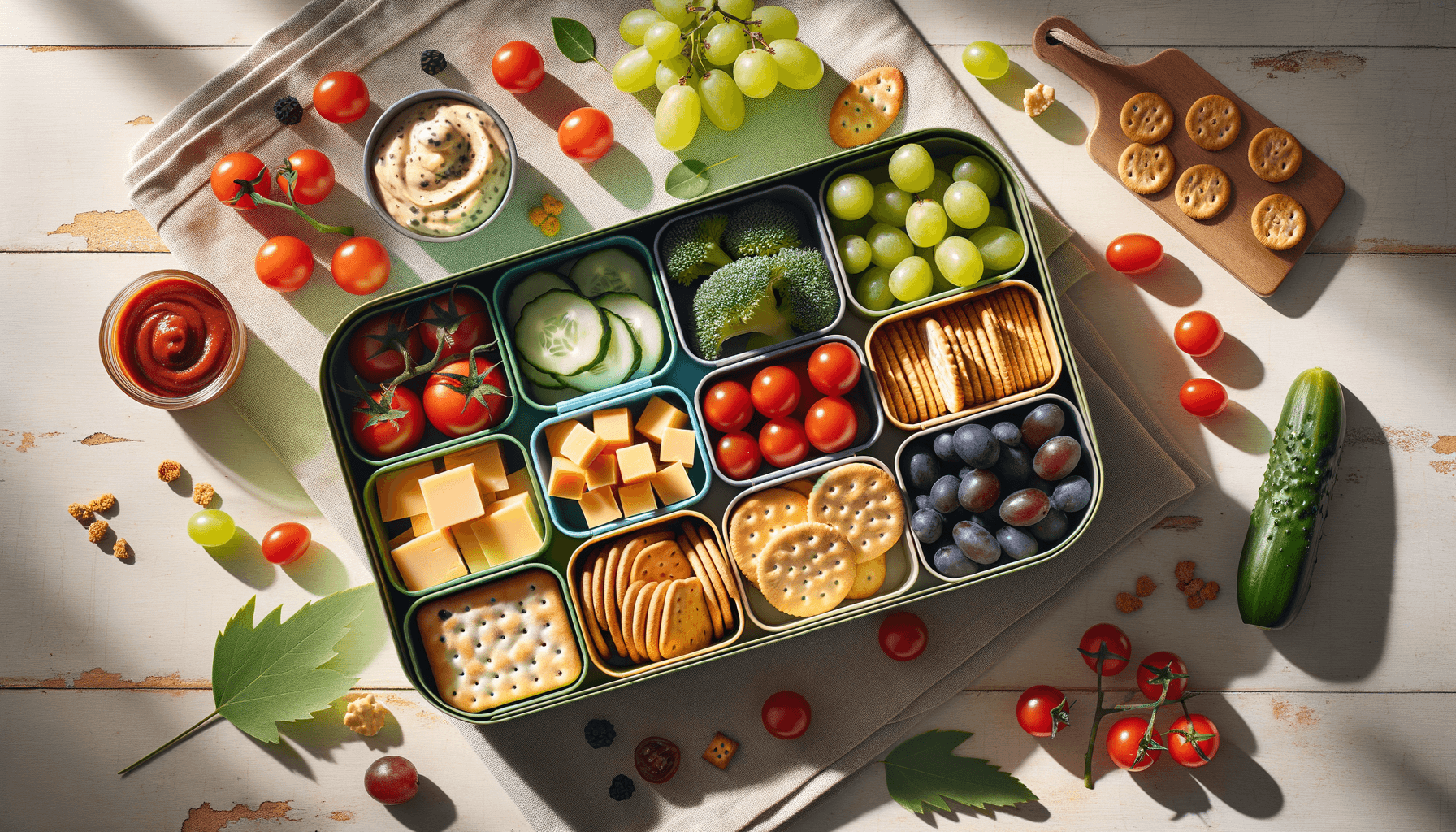
- The Original: 15g cheddar cubes + 8 Savoy crackers + 10 grapes
- Aussie Twist: 15g tasty cheese + 6 Vita-Weat crackers + cherry tomatoes
- Fancy Friday: 15g brie + water crackers + strawberry slices
Protein-Packed Options: 4. Mini Meat & Cheese: 20g ham roll-ups + cheese cubes + cucumber rounds 5. Egg-cellent: 1 hard-boiled egg (halved) + wholegrain crackers + carrot sticks 6. Chicken Bites: 30g roast chicken pieces + rice crackers + sugar snap peas
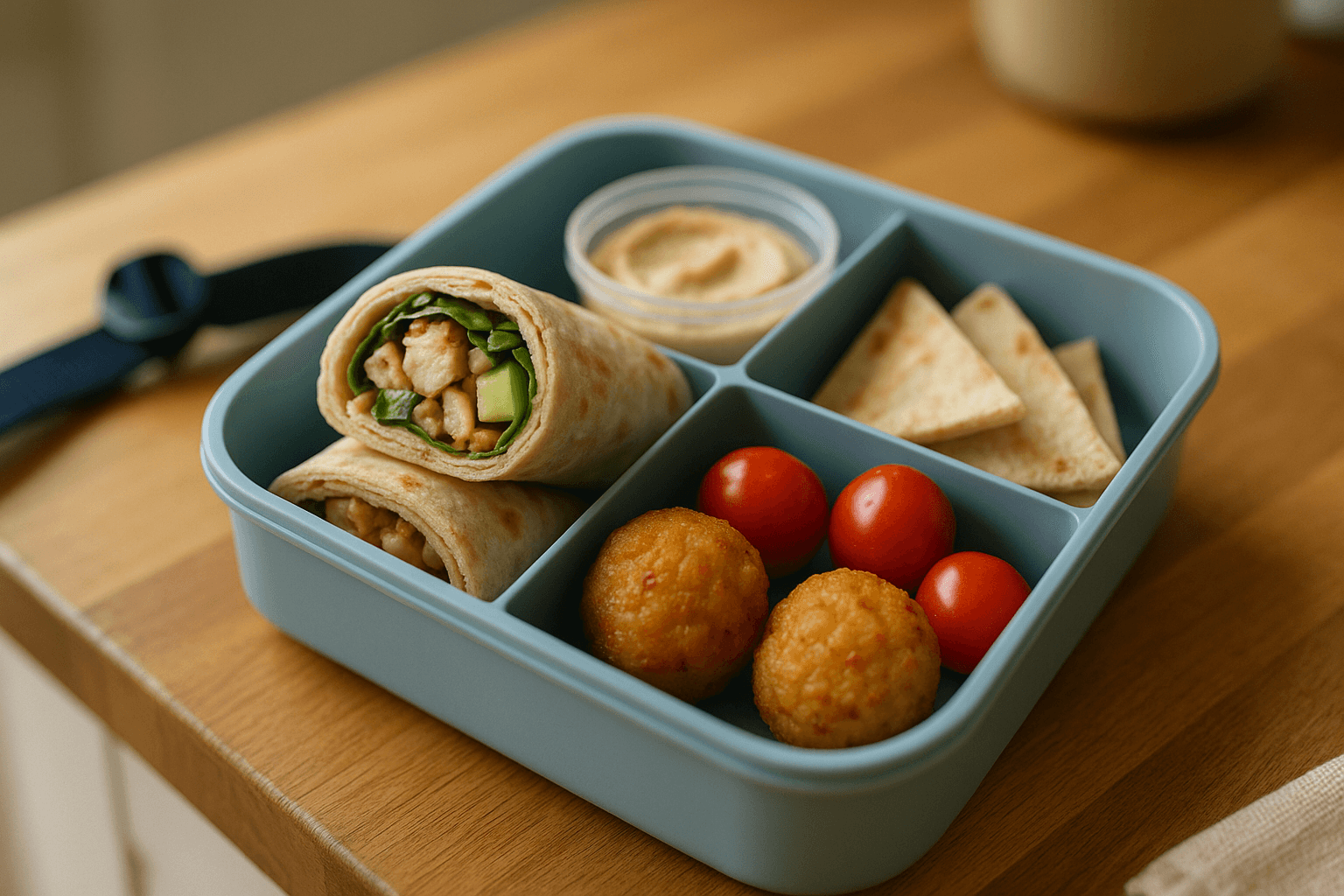
Veggie-Forward Combinations: 7. Rainbow Crunch: Hummus + veggie sticks (carrot, cucumber, capsicum) + pita triangles 8. Garden Party: Cherry tomatoes + mozzarella balls + basil leaves + crackers 9. Dip & Crunch: Tzatziki + cucumber rounds + wholemeal pita chips
Sweet Treat Alternatives: 10. Apple & Cheese: Apple slices + 15g mild cheddar + oat crackers 11. Fruit & Nut: Dried fruit mix + cheese cubes + seed crackers (nut-free schools) 12. Yoghurt Parfait: Greek yoghurt + berries + granola (separate containers)
Portion sizes are for ages 6-10. Adjust up or down based on your kid's appetite.
Nut-Free Alternatives for Allergy-Conscious Schools
Most Aussie schools have nut policies now. Here's how to nail nut-free lunchables:
Safe Protein Swaps:
- Sunflower seed butter instead of peanut butter
- Roasted chickpeas instead of nuts
- Cheese cubes for protein punch
- Hard-boiled eggs (if no egg allergies in class)
Nut-Free Crackers (always check labels):
- Rice crackers
- Corn thins
- Most plain water crackers
- Seed-based crackers
Cross-Contamination Prevention:
- Use dedicated containers for school lunches
- Check all packaged foods for "may contain" warnings
- Wash hands after handling any nuts at home
The Sistema Bento Lunch Box works brilliantly for nut-free lunches – easy to clean thoroughly and compartments prevent cross-contamination.
Hot Weather Food Safety: Keeping Lunchables Fresh in Australian Heat
Australian summers are brutal. Here's how to keep lunch safe when it's 35°C in the shade:
The 2-Hour Rule: Perishable food becomes unsafe after 2 hours above 4°C. In temperatures above 32°C, that drops to 1 hour.
Ice Pack Strategy:
- Use Fit & Fresh Cool Coolers Ice Packs – they stay colder longer
- Place ice packs on top (cold air sinks)
- Freeze juice boxes as extra ice packs
Hot Weather Winners:
- Hard cheeses (safer than soft)
- Whole fruits (apples, oranges)
- Crackers and dry goods
- Shelf-stable items
Avoid in Heat:
- Mayo-based items
- Soft cheeses
- Cut melons
- Anything creamy
Pre-chill everything overnight. Every degree counts.
Weekly Meal Prep Strategy for Batch-Making Lunchables
Sunday Prep Session (30 minutes):
-
Wash and prep all produce (15 minutes)
- Wash grapes, berries, cherry tomatoes
- Cut vegetables into lunch-sized portions
- Store in glass containers
-
Portion proteins and dairy (10 minutes)
- Cut cheese into 15g portions
- Hard-boil 6 eggs for the week
- Slice deli meats
-
Organise dry goods (5 minutes)
- Portion crackers into small containers
- Prep any dips or spreads
Storage Guidelines:
- Cut vegetables: 3-4 days
- Portioned cheese: 5-7 days
- Hard-boiled eggs: 7 days
- Most crackers: 2 weeks in airtight containers
Freezer-Friendly Components:
- Cheese (texture changes slightly but kids don't mind)
- Some crackers (check packaging)
- Grapes (frozen grapes = natural ice packs)
The Thermos FUNtainer Food Jar 290ml is perfect for items that need temperature control – think yoghurt parfaits or warm soup alternatives.
Cost Breakdown: How Much You'll Actually Save
I tracked costs for a month. Here's the real deal:
Store-Bought Lunchables: $4.50 average
- 5 lunches per week = $22.50
- School term (10 weeks) = $225
- Full school year = $900
Homemade Version: $1.80 average
- 5 lunches per week = $9.00
- School term (10 weeks) = $90
- Full school year = $360
Annual Savings: $540 per child
With two kids, I'm saving over $1000 a year. That's a family holiday right there.
Bulk Buying Tips:
- Buy block cheese, cut yourself (50% cheaper)
- Generic crackers work just as well
- Frozen vegetables often cheaper than fresh
- Shop specials and stock up on non-perishables
Troubleshooting Common Lunchable Fails
Soggy Crackers:
- Pack crackers separately until last minute
- Use silicone cupcake liners to create barriers
- Avoid watery vegetables near crackers
Brown Fruit:
- Lemon juice on apple slices (kids don't taste it)
- Choose varieties that brown slower (Pink Lady apples)
- Pack whole fruits when possible
Portion Size Guidelines:
- Ages 4-6: 10-15g protein, 6-8 crackers, 1/2 cup fruit/veg
- Ages 7-9: 15-20g protein, 8-10 crackers, 3/4 cup fruit/veg
- Ages 10-12: 20-25g protein, 10-12 crackers, 1 cup fruit/veg
Temperature Control:
- PackIt Freezable Lunch Bag has built-in cooling gel
- Pre-chill lunchboxes in fridge overnight
- Insulated containers for items needing temperature control
Getting Kids Involved Without the Kitchen Chaos
Age 4-6: Washing fruit, placing crackers in containers Age 7-9: Cutting soft cheese with plastic knives, assembling simple combinations Age 10-12: Full lunchable assembly, planning weekly menus
Mess Management:
- Use a large tray to contain the chaos
- Prep all ingredients first, then assemble
- Give each kid their own Munchkin Bento Toddler Lunch Box to practice with
Teaching Moments:
- Discuss balanced nutrition while assembling
- Let them choose between two healthy options
- Celebrate when they try new combinations
The goal isn't perfection – it's building food confidence and life skills.
Look, homemade lunchables aren't rocket science. They're about taking control of what your kids eat, saving money, and making mornings less stressful. Start with two or three combinations your kids already like, then gradually expand.
Some days you'll nail it. Other days you'll throw a muesli bar and hope for the best. That's parenting.
For even more inspiration, check out these more lunchbox ideas kids will actually eat – because variety is the spice of life, even in Year 3.
Now stop overthinking it and go make some lunch magic happen.
How useful was this?
Quick school lunch ideas from Melbourne, Australia.
20 lunchbox ideas on one page. Print it, fridge it.
Written by Pat
Dad of two, Melbourne. Half Chinese, raised on incredible food. I make quick school lunches and test every piece of gear before recommending it. No bento art — just real food made with love.
This content is for general information only. Always check ingredients for allergens and consult a health professional for dietary advice. See our Terms & Conditions.