In this article
Right, let's cut through the BS. Every morning, thousands of Aussie parents face the same question: pack lunch or pay for the school program? I've been making this call for three kids over eight years, and I've crunched the numbers, tested the systems, and learnt some hard lessons along the way.
Here's what actually matters when you're making this decision for your family.
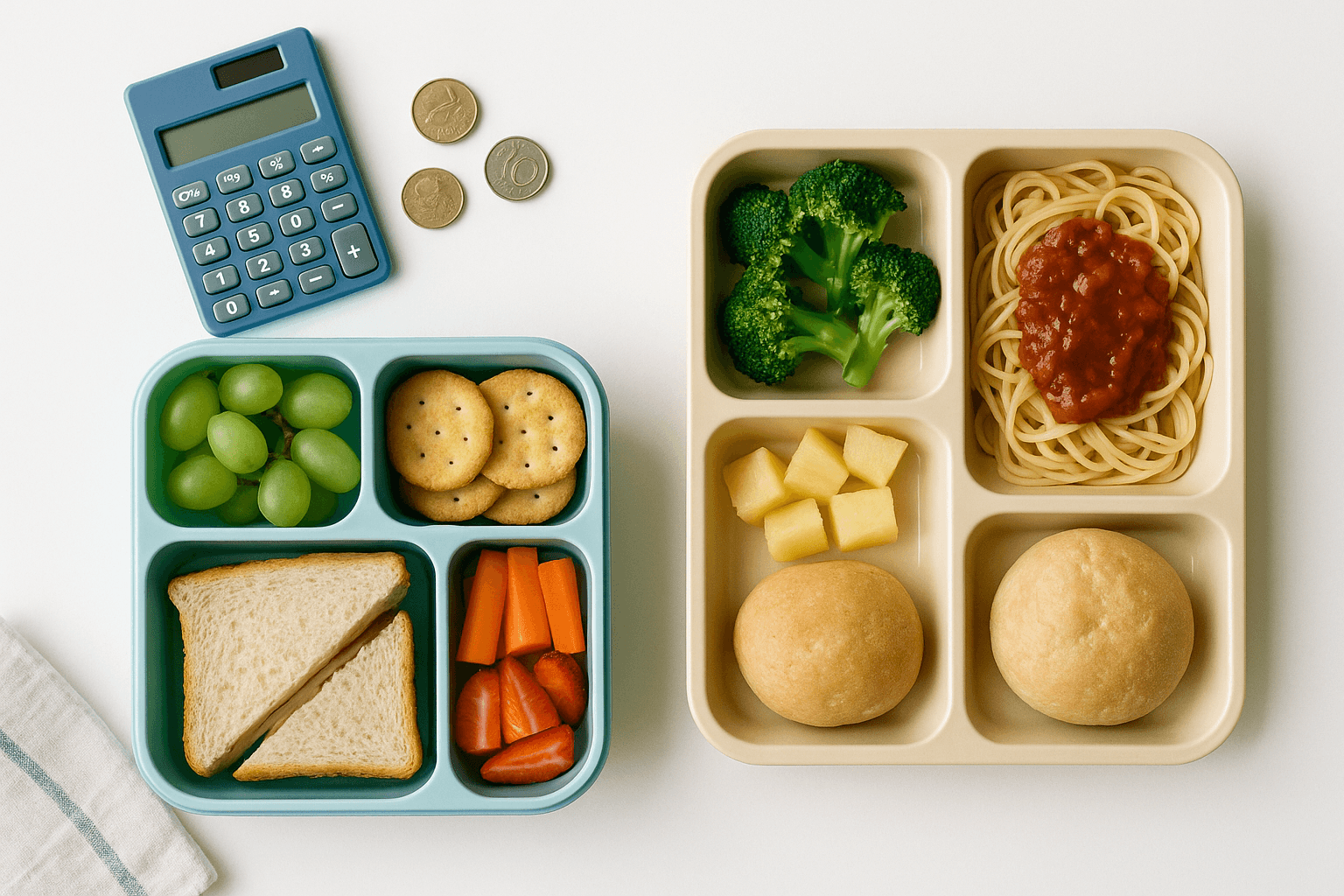
The Real Cost Breakdown: School Programs vs Packed Lunches
The raw numbers first. Research shows the average packed lunch costs $4.48 AUD daily, while most Australian schools charge $3-5 per child for their lunch programs. Seems like school programs win, right? Not so fast.
Hidden Costs of Packed Lunches
Beyond that $4.48, you're looking at:
- Shopping time: 45 minutes weekly for lunch-specific items
- Equipment costs: Quality lunchbox ($35-60), ice packs ($15-25), drink bottles ($20-30)
- Food waste: About 15-20% of packed food comes home uneaten
- Backup costs: Those days when you forget to pack and buy from the canteen anyway
School Program Hidden Costs
School programs aren't free from extras either:
- Ordering time: 10-15 minutes weekly managing online orders
- Limited flexibility: No adjustments for dietary changes or preferences
- Quality variation: Inconsistent suppliers and seasonal menu changes
When I calculated our family's true costs over a school term, packed lunches came to $5.20 per day including all the hidden expenses. School programs averaged $4.50 including the occasional special lunch days.
Budget Strategies That Work
For packed lunches, focus on cost-per-serve:
- Bananas: $0.60 each vs apples at $0.45
- Homemade muffins: $0.35 each vs store-bought at $1.20
- Bulk cheese portions: $0.80 vs individual packs at $1.50
Check out my budget-friendly lunch strategies for specific shopping hacks that'll save you $15-20 weekly.
Nutrition Face-Off: What the Research Actually Shows
Here's the uncomfortable truth: 80% of Australian primary school lunches are poor nutritional quality, regardless of whether they're packed or purchased. The 2024 Health Promotion International study found that 44% of school-day food intake is unhealthy across both options.
School Program Standards
Most Australian schools follow state-based healthy food guidelines, but enforcement varies wildly. I've seen school menus featuring:
- Proper protein portions (80-100g for primary ages)
- Whole grain options
- Vegetable inclusion requirements
But I've also seen plenty of programs heavy on processed foods, sugary drinks, and fried options.
Home-Packed Reality
We parents aren't winning either. Common packed lunch failures:
- Too much processed food: Muesli bars, packaged snacks, processed meats
- Insufficient protein: Many lunchboxes have 20-30g protein when kids need 40-60g
- Sugar overload: Fruit pouches, flavoured yoghurts, and sweet drinks
Improving Nutrition in Both Scenarios
For packed lunches, aim for this daily breakdown:
- Protein: 40-60g (2 eggs, 80g chicken, or 60g cheese)
- Vegetables: 2-3 serves (cherry tomatoes, cucumber sticks, capsicum)
- Whole grains: 1-2 serves (wholemeal bread, brown rice)
- Healthy fats: 1 serve (nuts, avocado, olive oil in dressings)
My balanced nutrition guide breaks down exactly how to hit these targets without overthinking it.
Time vs Money: The Hidden Costs Parents Don't Consider
This is where the rubber hits the road for dual-income families. Let's be honest about the time investment.
Daily Time Investment for Packed Lunches
- Morning packing: 8-12 minutes per child
- Evening prep: 15-20 minutes (washing containers, prep for next day)
- Weekly shopping: Additional 30 minutes for lunch-specific items
- Sunday batch prep: 60-90 minutes weekly
Total weekly time: 4-5 hours per child
The Mental Load Factor
What research doesn't capture is the decision fatigue. Every Sunday night, you're planning five different meals that need to:
- Be nutritionally balanced
- Appeal to your kid's current preferences
- Stay fresh until lunchtime
- Fit in the lunchbox
- Not create mess or embarrassment
That mental load is real, and it's exhausting.
Opportunity Cost Analysis
If you're earning $35+ per hour, that weekly 4-5 hours of lunch prep costs you $140-175 in opportunity cost. Suddenly, paying $22.50 weekly for school programs looks pretty reasonable.
When School Programs Make Financial Sense
- Both parents working full-time
- Household income above $120,000
- Multiple children (time compounds)
- Long commutes reducing prep time
- Kids with simple dietary needs
Food Safety in Australian Heat: Keeping Lunches Safe
Australian summers are brutal on packed lunches. Food safety isn't negotiable when temperatures hit 35°C+ and lunchboxes sit in school bags for hours.
Temperature Danger Zones
Bacteria multiply rapidly between 5-60°C. In Australian heat, unrefrigerated food hits dangerous temperatures within 2 hours. Your kid's lunch needs to stay below 5°C until eaten.
Ice Pack Strategies That Work
I've tested dozens of cooling systems. Here's what actually works:
The PackIt Freezable Lunch Bag is brilliant – the entire bag freezes, providing 10+ hours of cooling. No separate ice packs needed.
For traditional lunchboxes:
- 2 x Fit & Fresh Cool Coolers Ice Packs: One on bottom, one on top
- Pre-frozen drink bottles: Double as ice packs and drinks
- Frozen grapes or berries: Natural cooling that kids can eat
Foods to Avoid in Hot Weather
- Mayonnaise-based salads (egg, chicken, tuna)
- Soft cheeses
- Cut melons and berries (unless frozen)
- Yoghurt (unless in insulated containers)
- Processed meats without proper cooling
Safe Hot Weather Options
- Peanut butter sandwiches
- Hard cheeses
- Whole fruits with skins
- Crackers and dry snacks
- Thermos FUNtainer Food Jar 290ml for hot soups and stews
School Program Food Safety Standards
Most school programs follow HACCP food safety protocols:
- Professional refrigeration
- Temperature monitoring
- Controlled preparation environments
- Shorter time between prep and consumption
This is genuinely an advantage for school programs in hot climates.
Dad's Practical Meal Prep Systems That Actually Work
I've tried every meal prep system out there. Most are designed by food bloggers who don't actually pack five lunches weekly. Here's what works for real families.
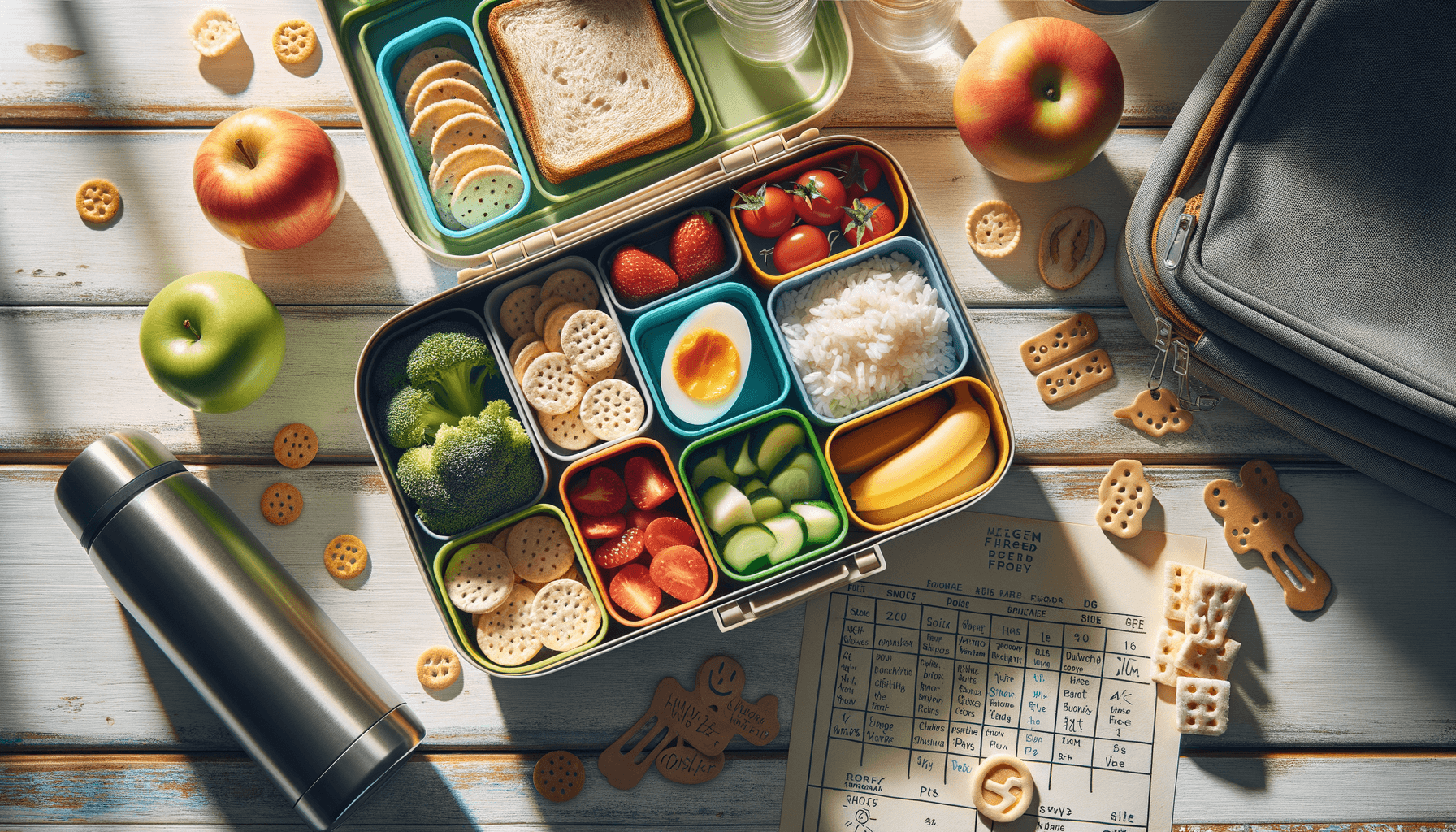
Sunday Batch Cooking for 5 Days
Time investment: 90 minutes every Sunday Feeds: 2-3 kids for a full week
The system:
- Protein prep (30 minutes): Cook 500g chicken breast, boil 12 eggs, portion 200g cheese
- Carb prep (20 minutes): Cook 2 cups brown rice, slice 10 pieces bread
- Vegetable prep (25 minutes): Cut vegetables, portion fruit
- Assembly (15 minutes): Portion everything into containers
Kitchen Setup That Saves Time
Invest in proper equipment:
- Sistema Bento Lunch Box: Compartments prevent mixing, easy cleaning
- Glass meal prep containers: 10 x 500ml containers for batch cooking
- Sharp vegetable knife: Cuts prep time in half
- Mandoline slicer: Consistent vegetable cuts in seconds
Freezer-Friendly Options and Rotation
Week 1 prep:
- Mini quiches (freeze individually)
- Homemade muffins (savoury and sweet)
- Chicken and vegetable skewers
Week 2 prep:
- Mini meat pies
- Vegetable fritters
- Homemade sausage rolls
Rotate weekly so kids don't get bored. My efficient meal prep system has the complete rotation calendar.
3 Simple Meal Prep Recipes Kids Love
Mini Vegetable Quiches (Makes 24):
- 12 eggs, beaten
- 2 cups mixed vegetables, diced
- 1 cup cheese, grated
- 24 mini muffin cases
Bake 180°C for 15 minutes. Freeze individually, thaw overnight.
Chicken and Rice Balls (Makes 20):
- 300g cooked chicken, shredded
- 2 cups cooked brown rice
- 1 egg, beaten
- 1/2 cup breadcrumbs
Form balls, bake 200°C for 12 minutes. Freezes beautifully.
Vegetable Muffins (Makes 18):
- 2 cups self-raising flour
- 1 cup grated vegetables (carrot, zucchini)
- 1/2 cup cheese
- 1 cup milk
- 2 eggs
Bake 180°C for 20 minutes. Kids love these, and they're packed with nutrition.
For more options, check my batch cooking options guide.
Teaching Kids Cooking Skills: Reducing the Daily Burden
This is the long-term play. Teaching kids to help with lunch prep reduces your workload and builds essential life skills.
Age-Appropriate Tasks
Ages 5-7:
- Washing fruits and vegetables
- Spreading butter or spreads on bread
- Arranging cut vegetables in containers
- Simple assembly tasks
Ages 8-10:
- Using butter knives to cut soft foods
- Making simple sandwiches
- Measuring ingredients
- Operating basic kitchen tools
Ages 11-12:
- Using sharp knives with supervision
- Cooking simple recipes independently
- Planning balanced meals
- Taking full responsibility for their lunch 2-3 days weekly
Simple Recipes Kids Can Make Independently
No-Cook Wrap (Age 8+):
- Spread cream cheese on tortilla
- Add ham and cucumber strips
- Roll tightly, cut in half
Egg Salad Sandwich (Age 10+):
- Mash 2 hard-boiled eggs
- Add 1 tablespoon mayonnaise
- Season with salt and pepper
- Spread on bread with lettuce
Mini Pizzas (Age 11+):
- Split English muffins
- Spread pizza sauce
- Add cheese and toppings
- Toast for 3-4 minutes
Building Responsibility and Life Skills
Start with one day weekly. My 11-year-old now handles Wednesday lunches completely – from planning to packing. It took six months to build this skill, but now it saves me 45 minutes weekly and gives her genuine pride in her capability.
Safety Considerations
- Always supervise knife work until age 12+
- Teach proper hand washing before and after
- Start with cold foods before introducing heat
- Have first aid kit accessible and teach basic cuts treatment
The Environmental Factor: Packaging vs Food Waste
Let's be honest about the environmental impact of both options.
Packaging Waste: Packed Lunches
Traditional packed lunches generate significant waste:
- Plastic wrap and bags
- Individual snack packaging
- Disposable drink containers
- Food packaging from shopping
Solution: Invest in reusable systems. The Yumbox Original eliminates most packaging waste with its compartment design. Combined with reusable drink bottles and fabric snack bags, you can reduce lunch packaging waste by 90%.
School Program Packaging
School programs vary wildly:
- Some use compostable packaging
- Others rely heavily on plastic containers
- Many programs are moving toward reusable plate systems
- Bulk purchasing reduces overall packaging per serve
Food Waste Comparison
Packed lunches: 15-20% waste (food kids don't eat comes home) School programs: 25-30% waste (food goes straight to bin)
Packed lunches win here because you see what's not eaten and can adjust.
Sustainable Choices for Eco-Conscious Families
- Choose school programs with strong sustainability policies
- For packed lunches, invest in quality reusable containers
- Buy in bulk to reduce packaging
- Choose local, seasonal produce
- Compost food scraps at home
The initial investment in quality reusable lunch gear ($100-150) pays for itself within a term and dramatically reduces ongoing environmental impact.
Making the Right Choice for Your Family
After eight years of school lunches, here's my decision framework:
Choose School Programs If:
- Both parents work full-time with long hours
- You have 3+ children
- Your school has excellent program standards
- Kids have simple dietary needs
- You value the convenience over cost savings
Choose Packed Lunches If:
- You enjoy cooking and meal prep
- Kids have specific dietary requirements
- You want complete control over nutrition
- Budget is tight (with proper planning)
- You have time for weekly meal prep
Hybrid Approaches That Work
The 3-2 Split: Pack Monday, Wednesday, Friday. School program Tuesday, Thursday. Reduces your prep load while maintaining control.
Seasonal Switching: Pack lunches in cooler months, school programs in summer for food safety.
Term-by-Term Assessment: Review what's working each term and adjust.
When to Reassess Your Choice
- Kids develop new dietary requirements
- Family work schedules change
- School program quality changes
- Budget circumstances shift
- Kids express strong preferences
Practical Next Steps
- Calculate your true costs for both options including time
- Trial both approaches for 2-3 weeks each
- Ask your kids what they prefer and why
- Check current school program standards and menus
- Invest in proper equipment for your chosen approach
The right choice isn't universal – it's what works for your family's current situation. And that might change, which is perfectly fine.
For detailed equipment recommendations, check my guide on choosing the right lunchbox.
Remember: a fed kid is better than a perfectly fed kid. Don't let perfect be the enemy of good enough.
How useful was this?
Quick school lunch ideas from Melbourne, Australia.
20 lunchbox ideas on one page. Print it, fridge it.
Written by Pat
Dad of two, Melbourne. Half Chinese, raised on incredible food. I make quick school lunches and test every piece of gear before recommending it. No bento art — just real food made with love.
This content is for general information only. Always check ingredients for allergens and consult a health professional for dietary advice. See our Terms & Conditions.